
Some moments do not run for weeks. They happen on one date, in one place, the way they have for centuries, and then they are gone for a year. A bridge laid on boats across the Grand Canal. A glasshouse lit above a champagne cellar. A lamb carried to the altar at midnight. Bells ringing from farm to farm in the snow. Four of them, between late November and the last night of the year. Three need booking now.
Venice: the bridge to the Salute
Saturday 21 November
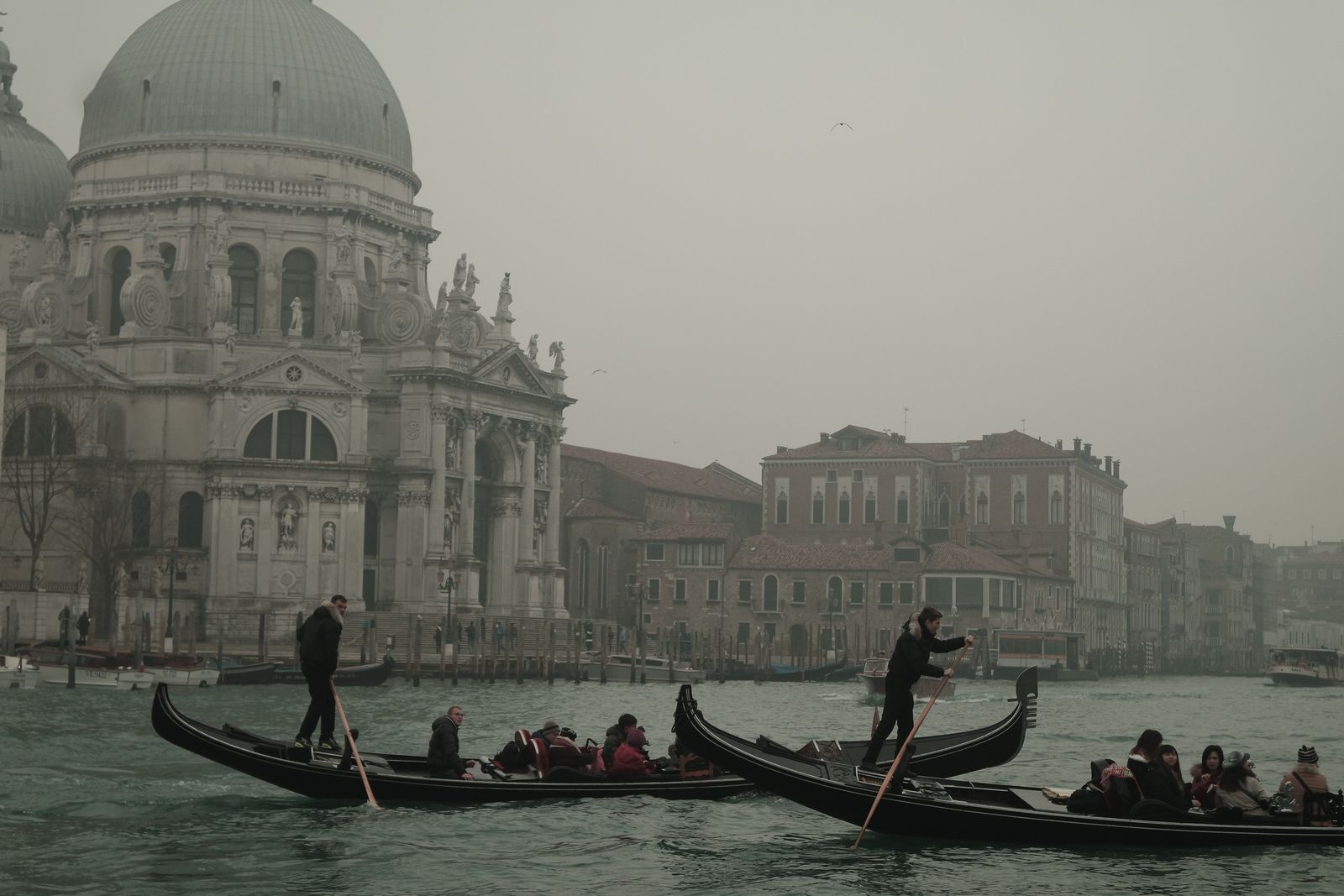
Morning fog on the Grand Canal, so thick the far bank is only a shape. Then the white domes of the Salute come out of it, and a slow line of Venetians crosses towards them on a bridge laid on boats, a candle in one hand.
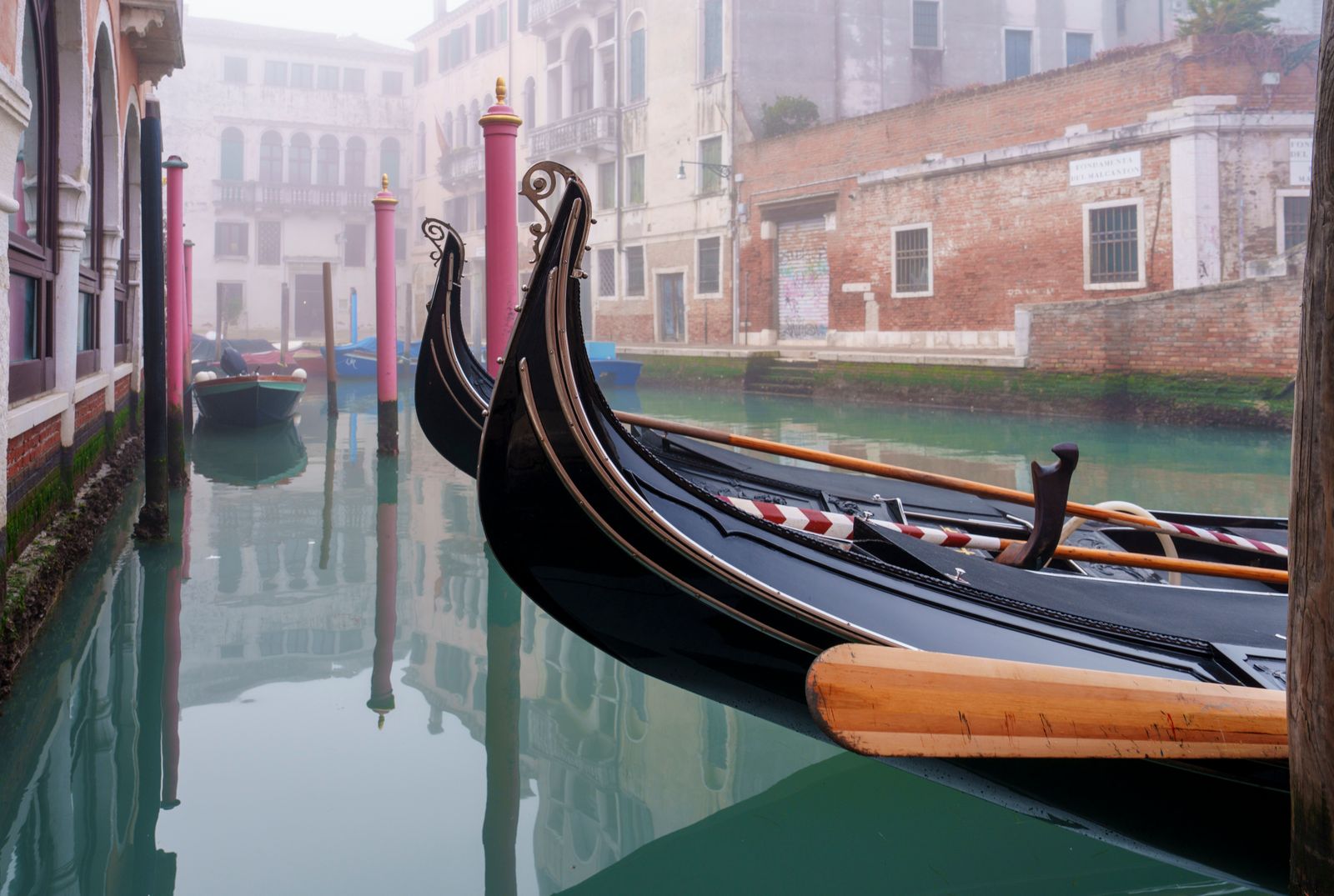
On 21 November, Venice keeps the vow it made during the plague of 1630, when it promised the Virgin a basilica. Each year, the city lays a pontoon bridge across the Grand Canal for a few days, from Santa Maria del Giglio to the basilica. Inside, people light their candle before a Byzantine Madonna brought from Crete in 1670. In the centre of the floor, a round inscription reads Unde origo inde salus: from her came the city's birth, and its salvation.
At home, Venetians eat castradina, a stew of smoked mutton and cabbage, in memory of the Dalmatians who kept feeding the city while the plague sealed it off. In the days before, salted legs of mutton hang in the butchers' windows.
Épernay: dinner in the Orangerie
Friday 11 December
Nightfall on the Avenue de Champagne. Light runs across the façades of the champagne houses, music in the courtyards, and behind the gates of Moët & Chandon, the Orangerie glows, doubled in the long pool in front of it.
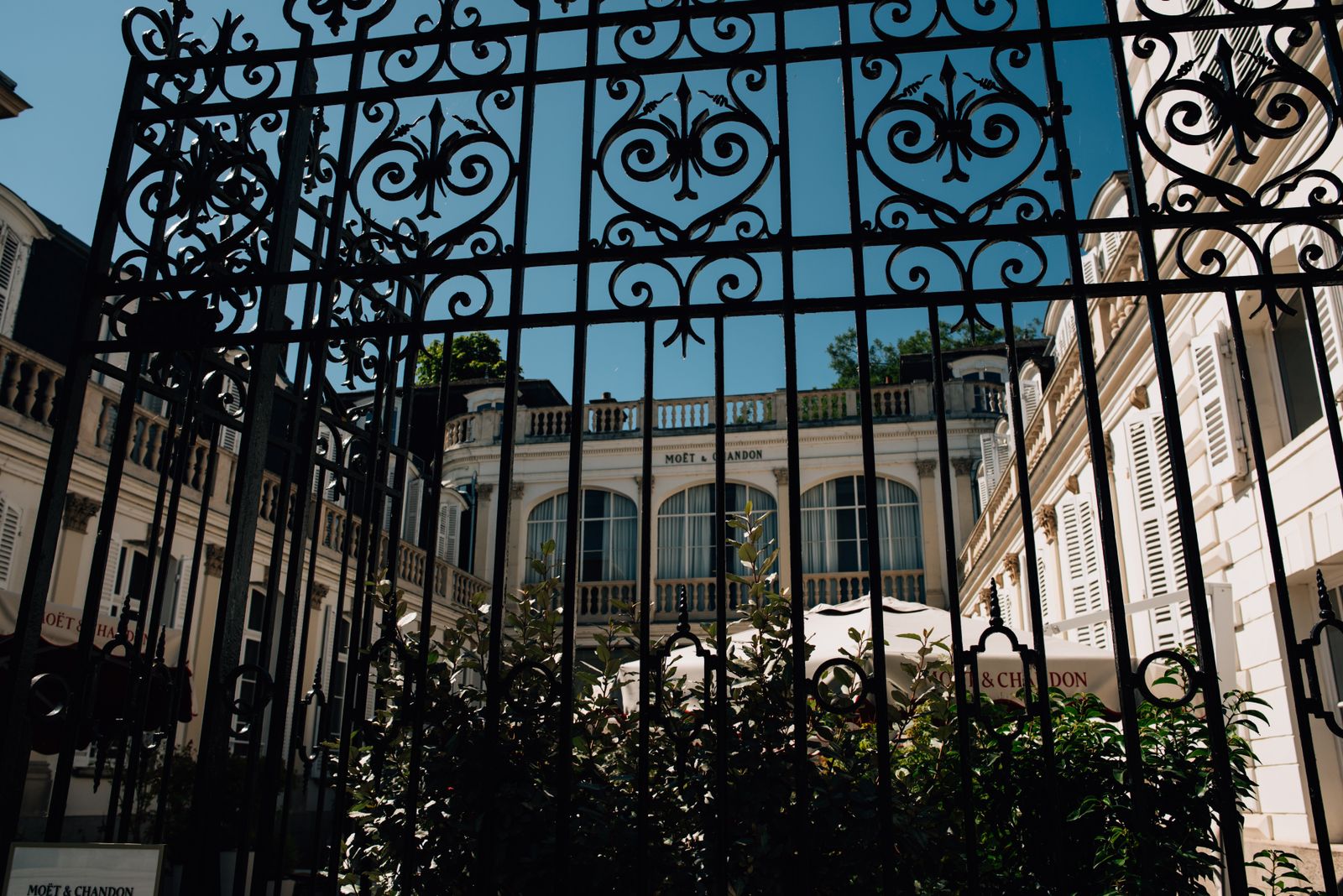
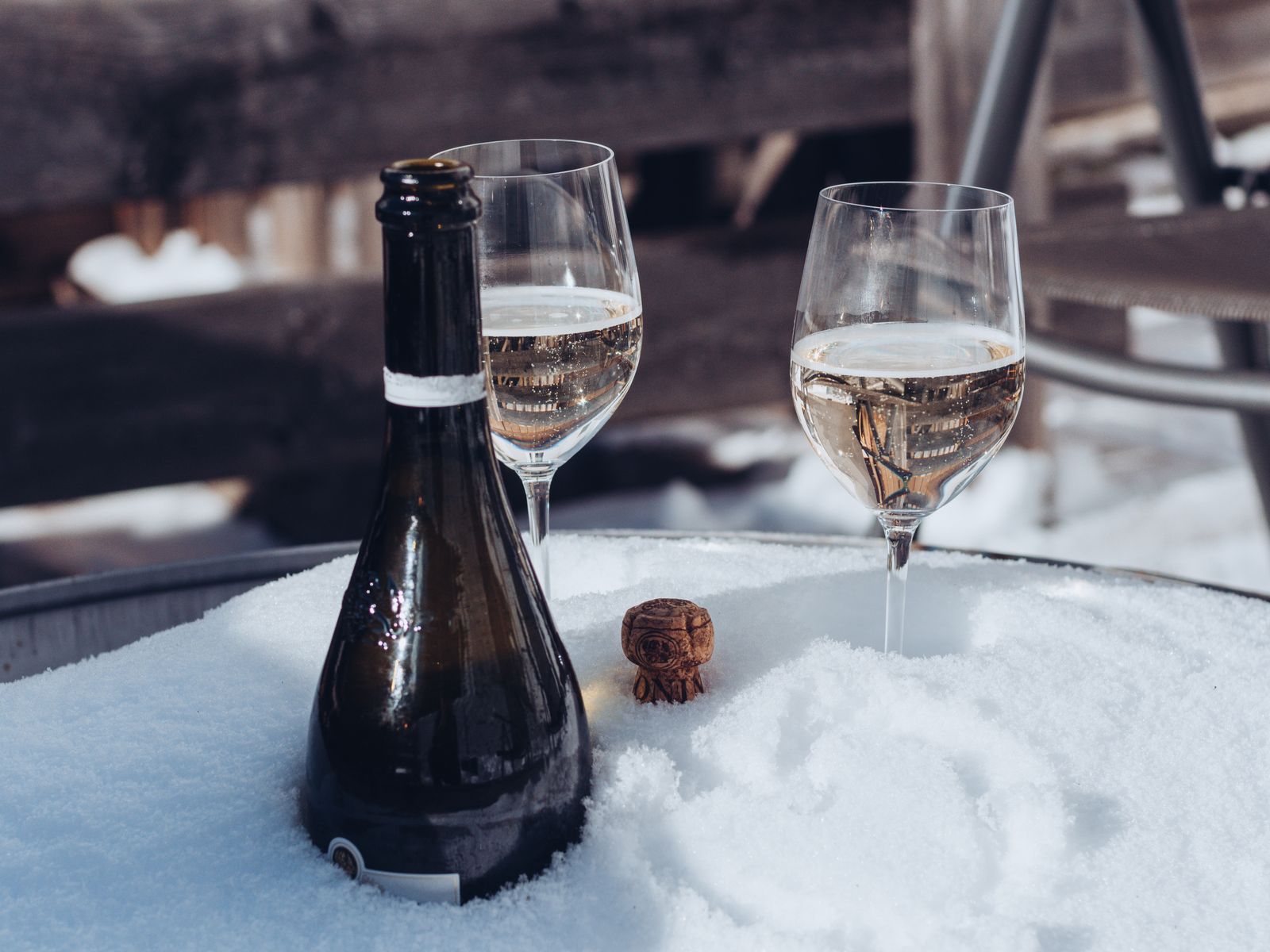
For three nights in December, the Habits de Lumière turn the avenue into a festival of light, with street performers, champagne bars in the courtyards and fireworks. Under your feet run 28 kilometres of cellars. Above them, Jean-Rémy Moët built the Orangerie in 1805, in a French garden, with palms that are now more than a century old.
Last year, the house held a single dinner there during the festival, on the Friday: a sound and light show in the gardens, then four courses with Grand Vintage 2000, 2009 and 2016. The 2026 date will be announced closer to the festival.
Les Baux-de-Provence: the lamb at midnight
Thursday 24 December
Half past ten on Christmas Eve, at the very top of the village. The cold comes down from the Alpilles. The doors of Saint-Vincent open, a church whose south wall is the rock of the hill itself.
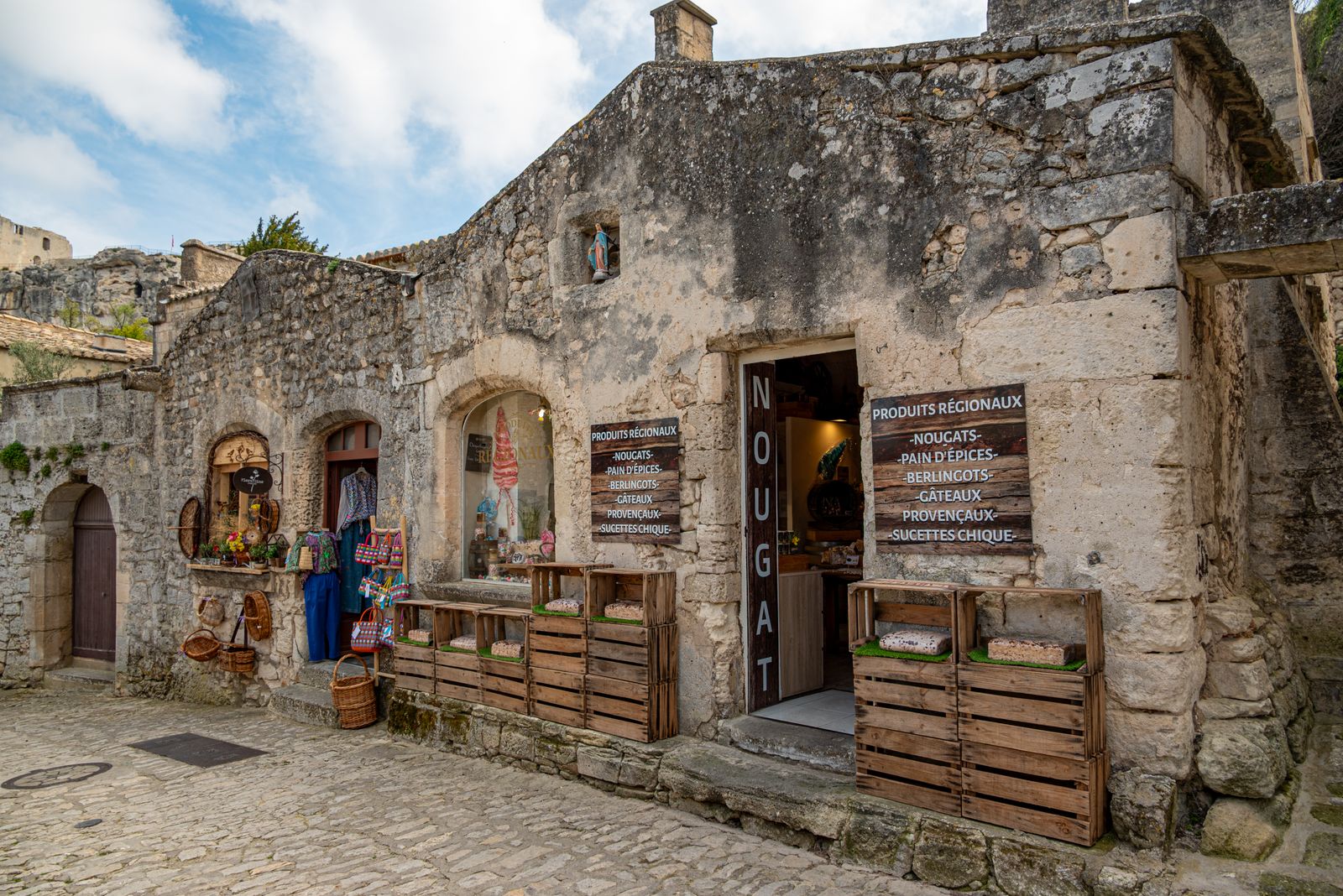
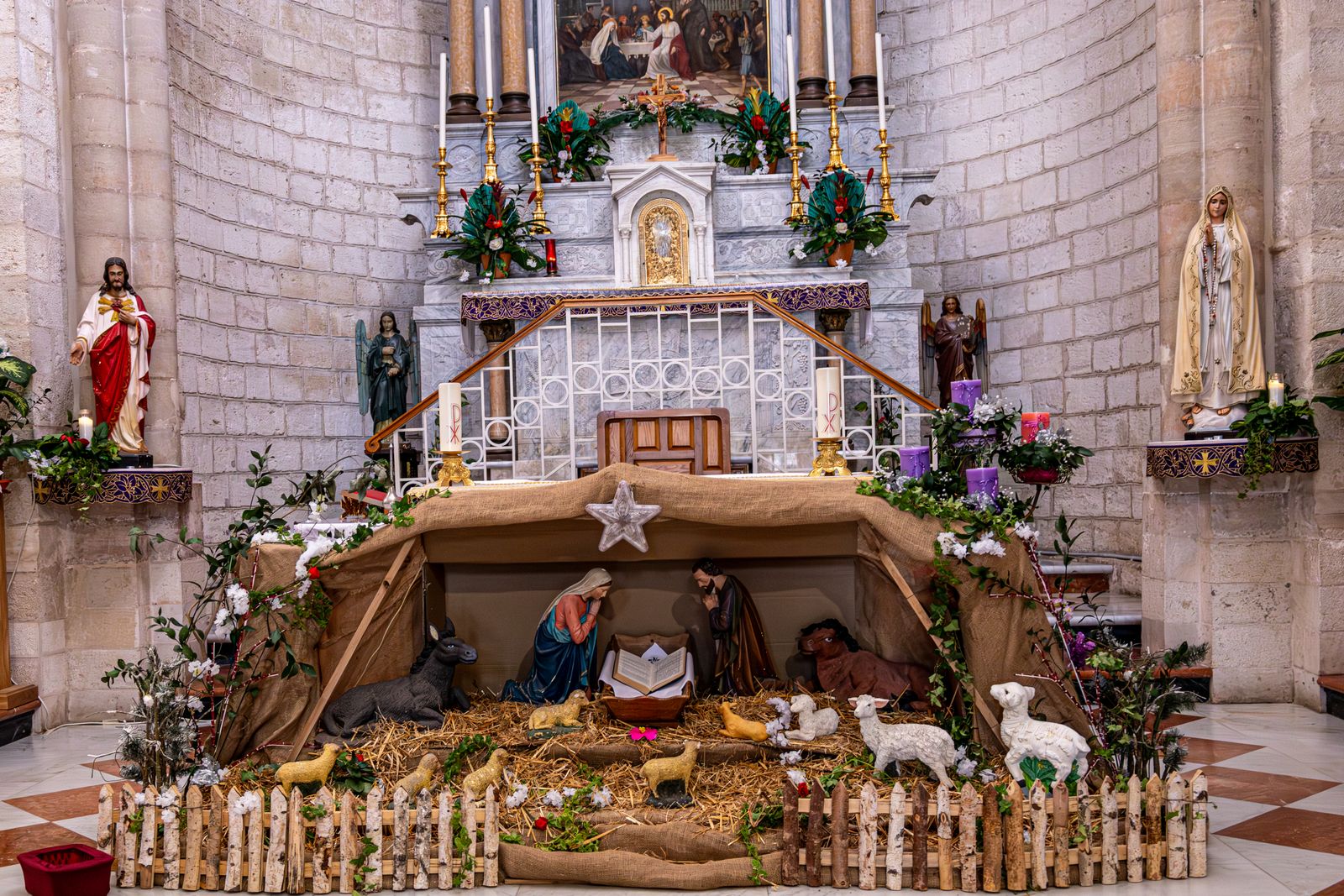
Midnight Mass has been said here the same way for more than four centuries. Villagers in Provençal costume, shepherds and Arlésiennes, make a living nativity in the nave. The old carols are played on the galoubet, a three-holed flute, and the tambourin. Then the shepherds come in, behind the eldest of them. They bring the pastrage, their offering: a newborn lamb lying on straw in a small cart lit with coloured candles, pulled by a ram harnessed in silk ribbons. The lamb is offered to the Child at the crib.
The evening starts at home, with the gros souper: seven lean dishes on three white tablecloths, three candlesticks, three saucers of wheat sown on Saint Barbara's day. How the wheat has grown tells the year to come. Before sitting down, the eldest and the youngest carry a log of fruit wood three times around the table and set it on the fire. Then the thirteen desserts, nibbled until it is time to leave for Mass: nougat black and white, dates, figs, almonds, the pompe à l'huile, quince paste, an orange.
Urnäsch: bells in the hills
Thursday 31 December
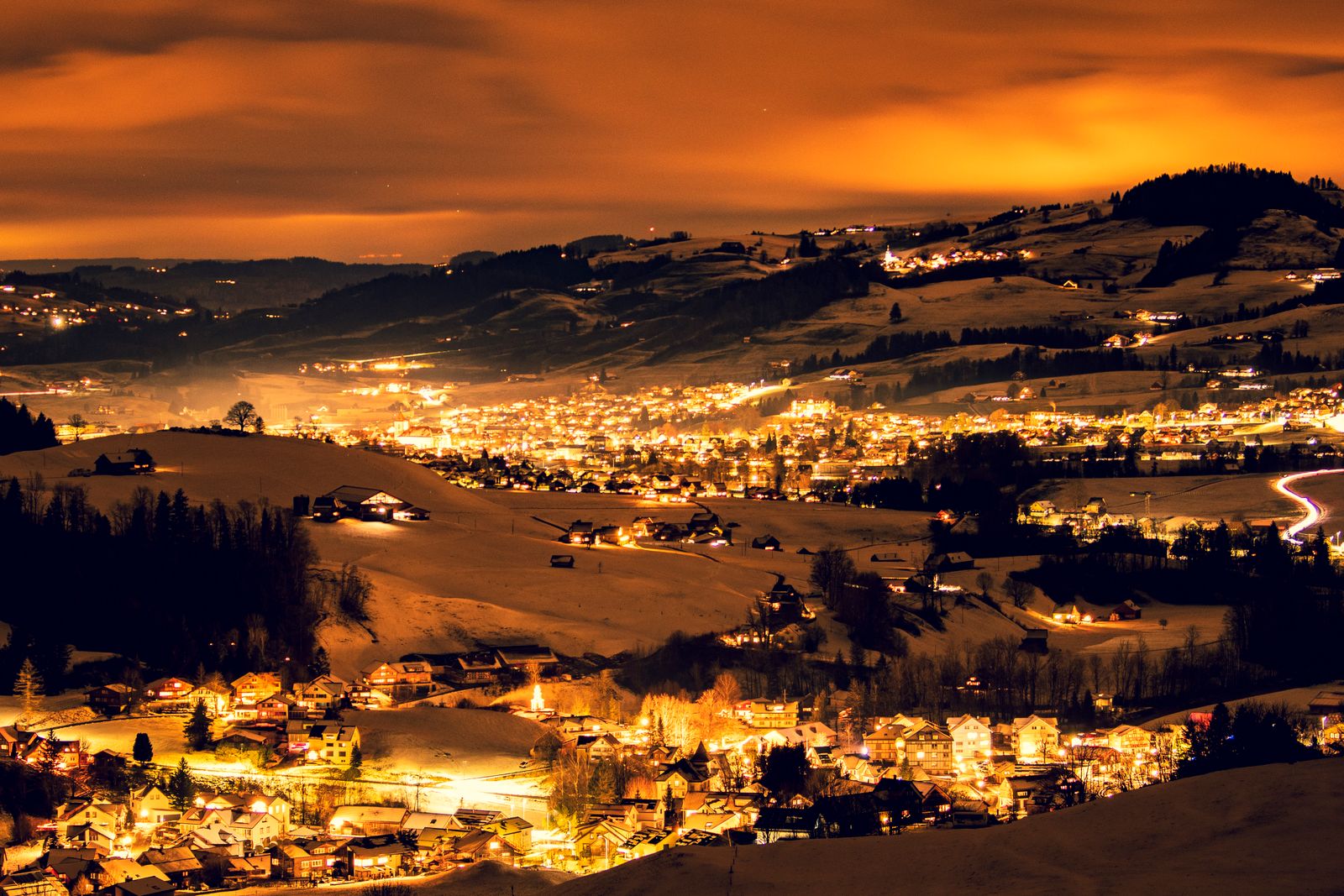
Early morning in a village of two thousand people in the hills of Appenzell. Frost on the meadows, smoke from the farm chimneys. In the square, men gather in costume, great bells strapped to their chests and backs. Then they split into groups and walk out across the fields.
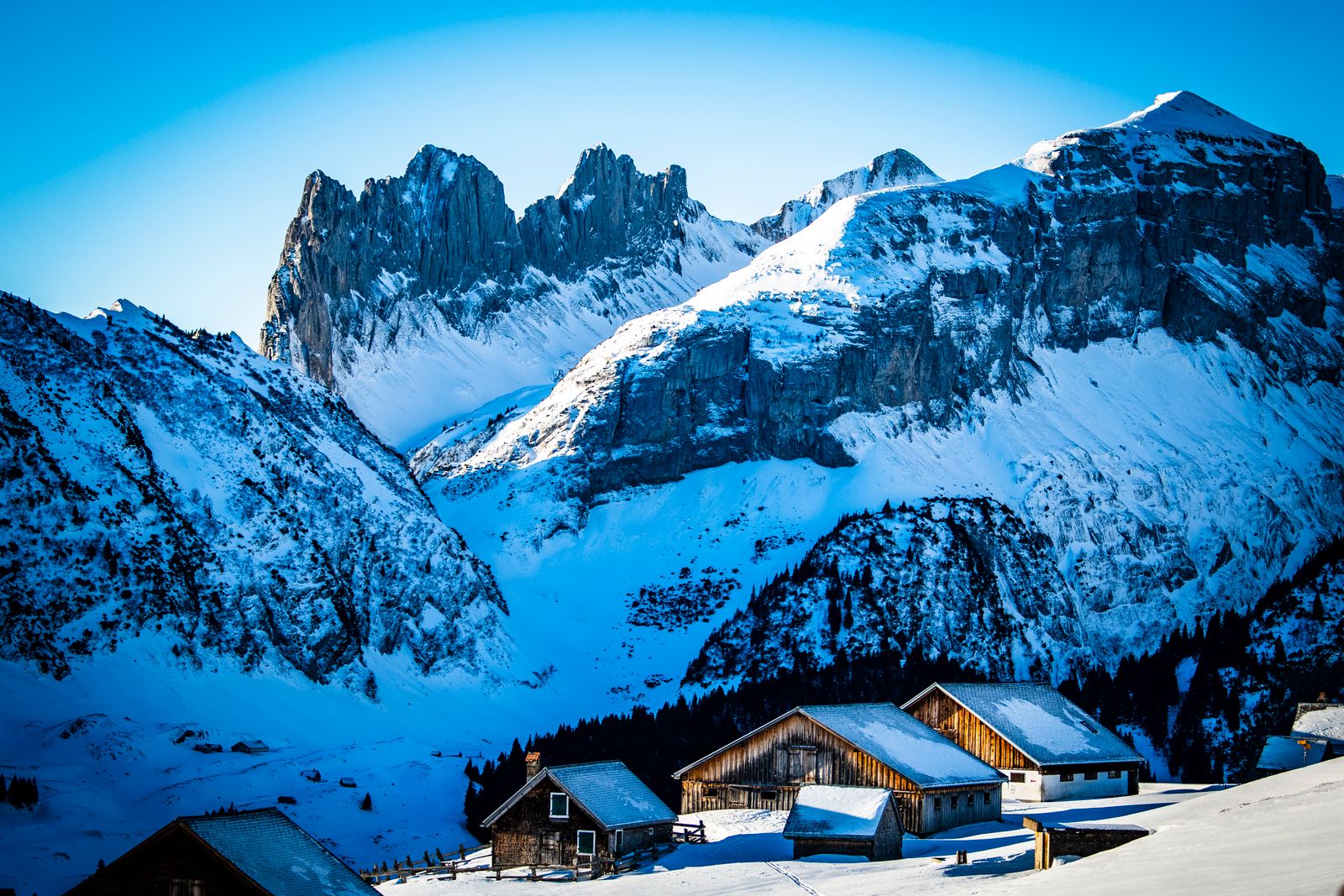
These are the Silvesterchläuse. Each group has six men, and a costume can weigh twenty to thirty kilos. The Schöne wear flat hats carved with scenes of village life and covered in thousands of glass beads. The Wüeschte wear horned masks, fur, straw and fir twigs. The Schö-Wüeschte build theirs from moss, pine cones and snail shells.
At each farm, the group jumps to ring the bells, then stands still and sings a Zäuerli, a yodel without words, three times. The farmhouse brings out mulled wine, which the men drink through a straw under their masks. In the evening, the singing moves into the taverns, and goes on until midnight.
This is not a parade. The groups choose which houses they visit, and visitors are welcome, not courted.
Four dates, then gone
A candle carried across the water in the fog. A glass of old champagne in a lit glasshouse. A lamb on straw, by candlelight, at the top of a rock. And at midnight on the last day of the year, in a tavern in the Appenzell hills, men still singing without words, as the year turns over outside in the dark.