
Some trips begin with months of planning. This one began with a phone call in the middle of December.
Two couples in their early forties, familiar faces from a Burgundy journey earlier that year, wanted Spain. Tenerife and Ribera del Duero. In January.
For wine lovers seeking private access to passionate producers, that timing presented a challenge. January is one of the quietest periods in the wine world. Many estates close their doors after the holiday season, making meaningful winery visits difficult to arrange. Which was precisely why they called us. They were not searching for famous labels or prestigious names. They were looking for stories, conversations, and the chance to meet the people behind the wines.
Eight days. Four destinations. A journey that reminded us, again, that the most interesting wine regions are rarely the loudest ones.
Where Volcanoes Meet the Vine: Tenerife
Their journey began on the island.
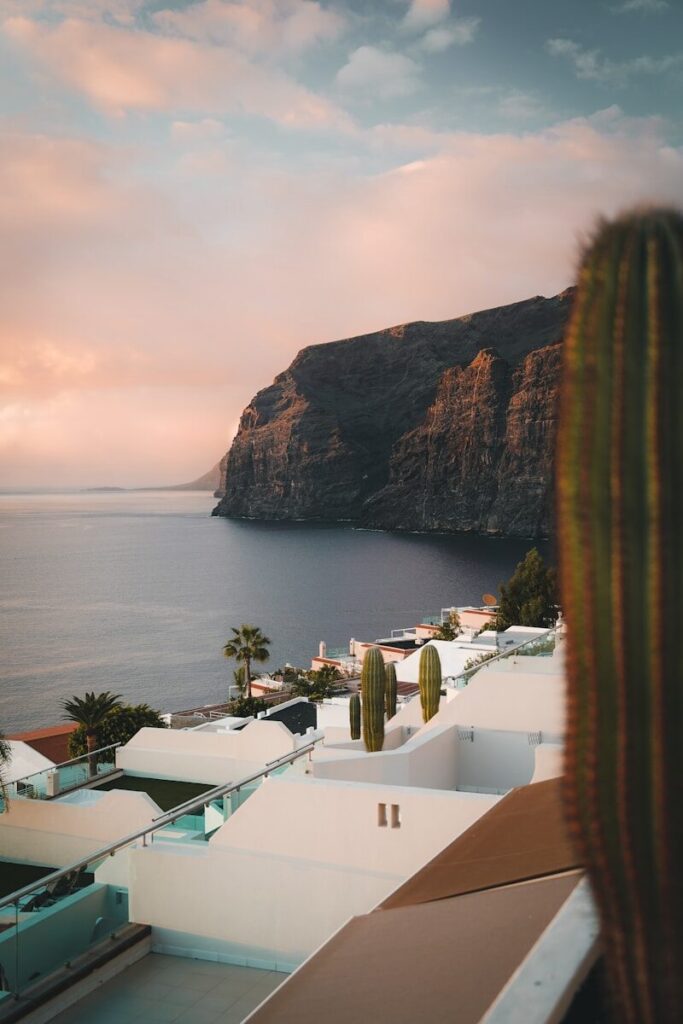
The first days unfolded slowly: mornings by the Atlantic, an exceptional Michelin-starred dinner that set an early benchmark for the week. Then came the part of Tenerife that most visitors never find.
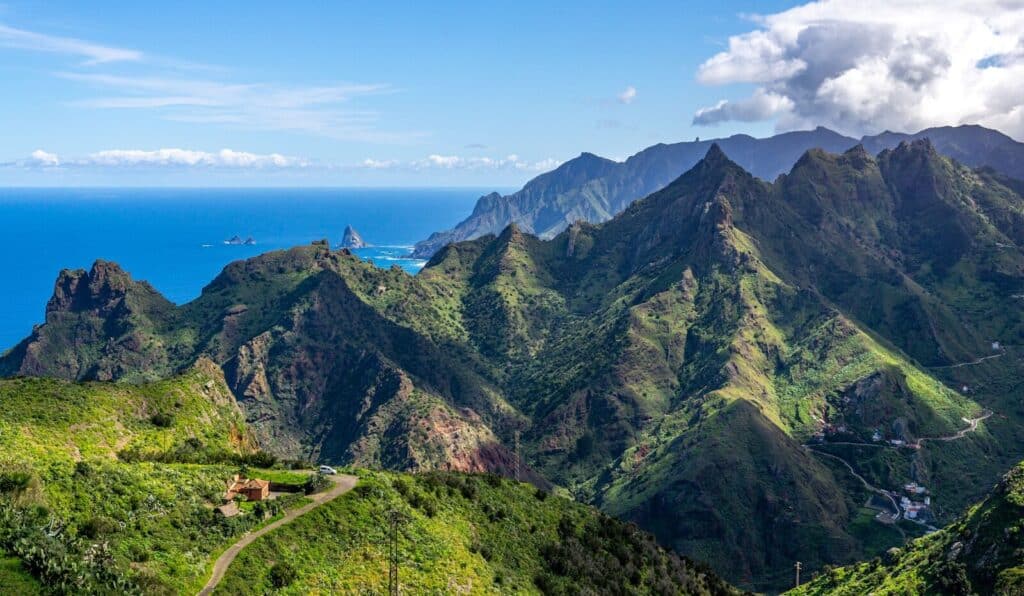
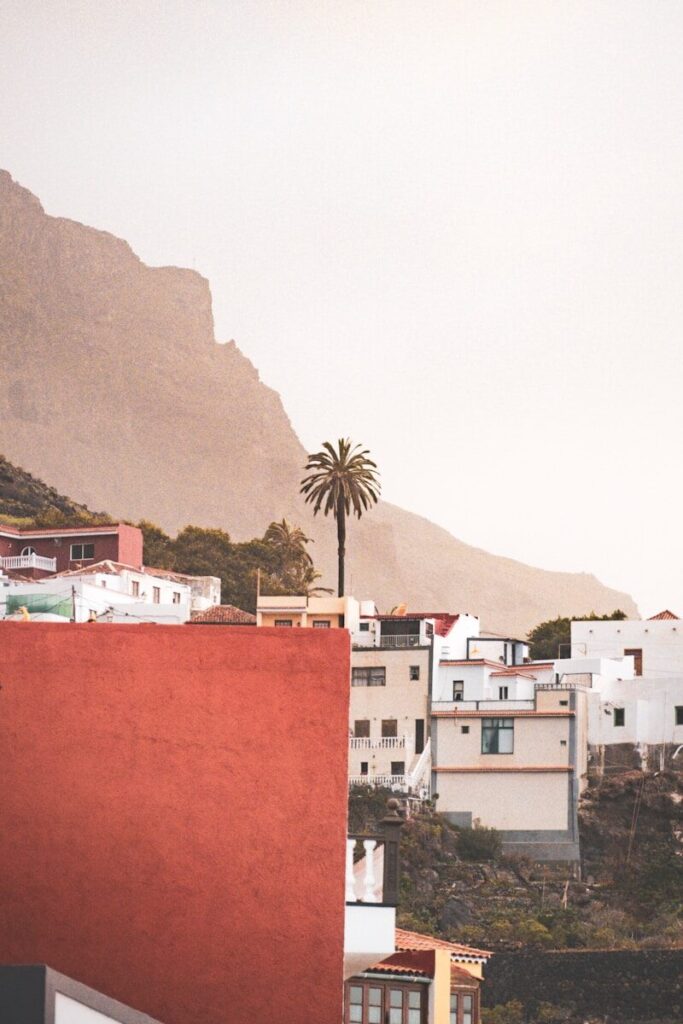
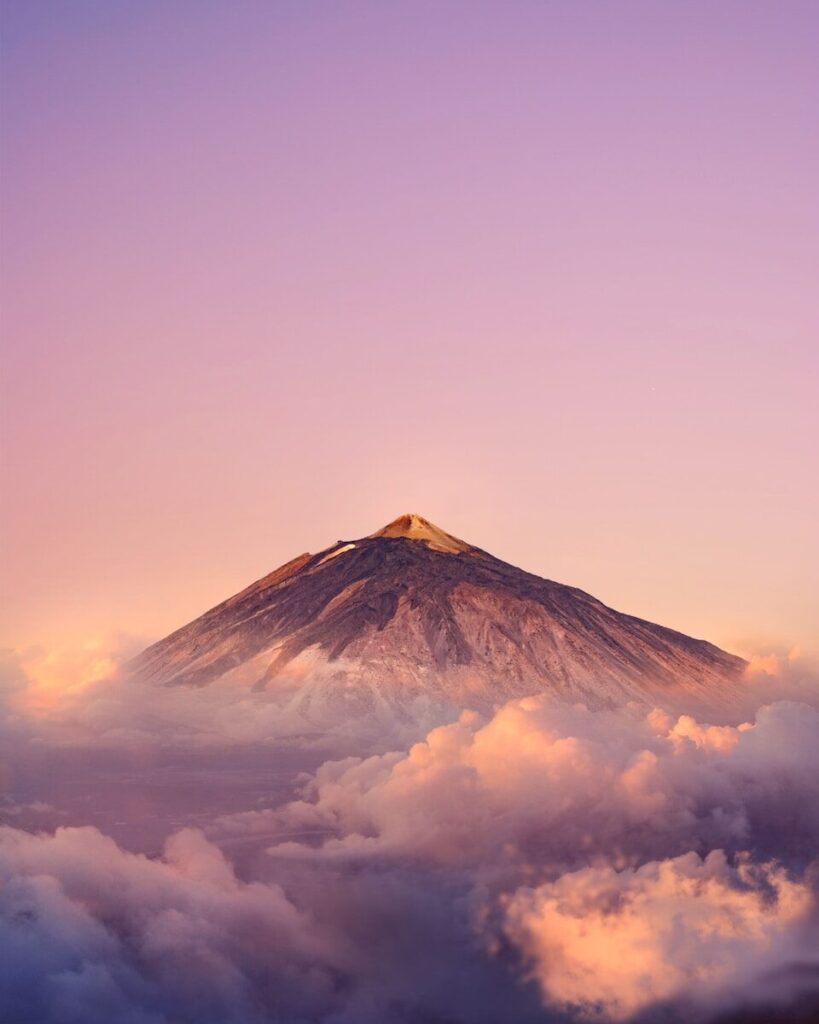
Accompanied by a private wine expert, the group ventured beyond the beaches and dramatic coastline into the island’s vineyards. The landscape here is unlike anything on the European mainland. Vines grow in black volcanic soils shaped by centuries of eruptions, low to the ground to shelter from the Atlantic winds, trained in the traditional en vaso method that predates modern viticulture. The result is a wine culture with no real equivalent on the continent — indigenous varieties, unusual growing methods, and a terroir that tastes, genuinely, of the earth it comes from.
At two family-run wineries, they encountered winemakers who have spent their lives working the same land their grandparents did. Conversations moved easily from grape varieties to geology to the particular quality of light on the south-facing slopes. Every tasting became an exchange. Every bottle a reflection of the island’s singular identity.
For guests who had spent years exploring Burgundy and Bordeaux, Tenerife offered something rarer: a wine culture that exists entirely on its own terms, indifferent to international fashion, shaped only by its volcanic ground and the families who have always farmed it.
Madrid: A Capital at Its Own Pace
From the Atlantic, the journey continued to Madrid.
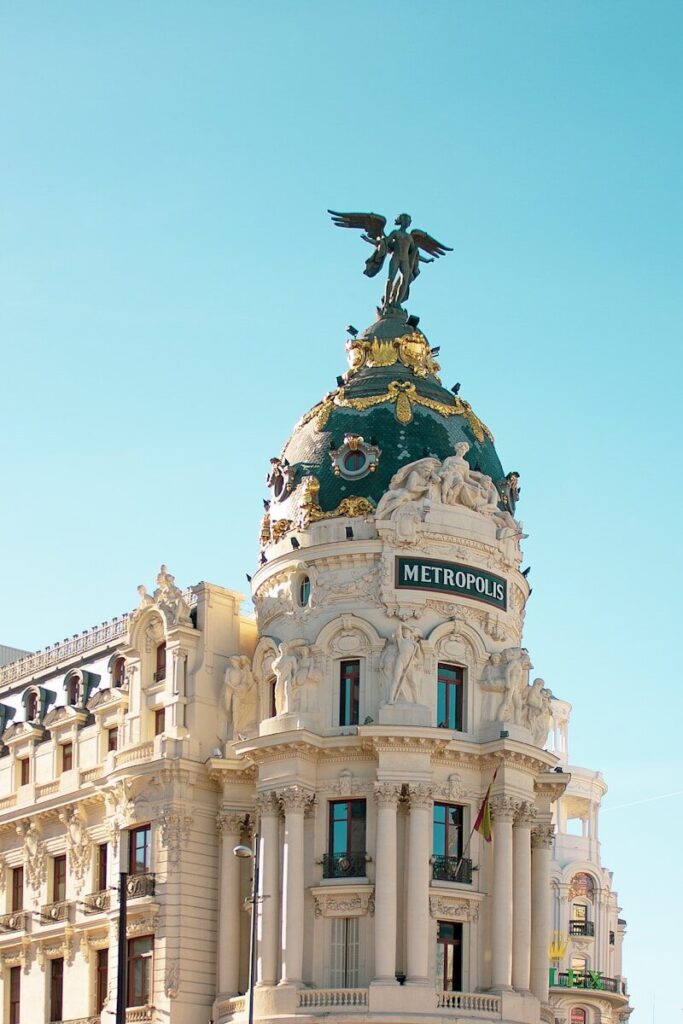
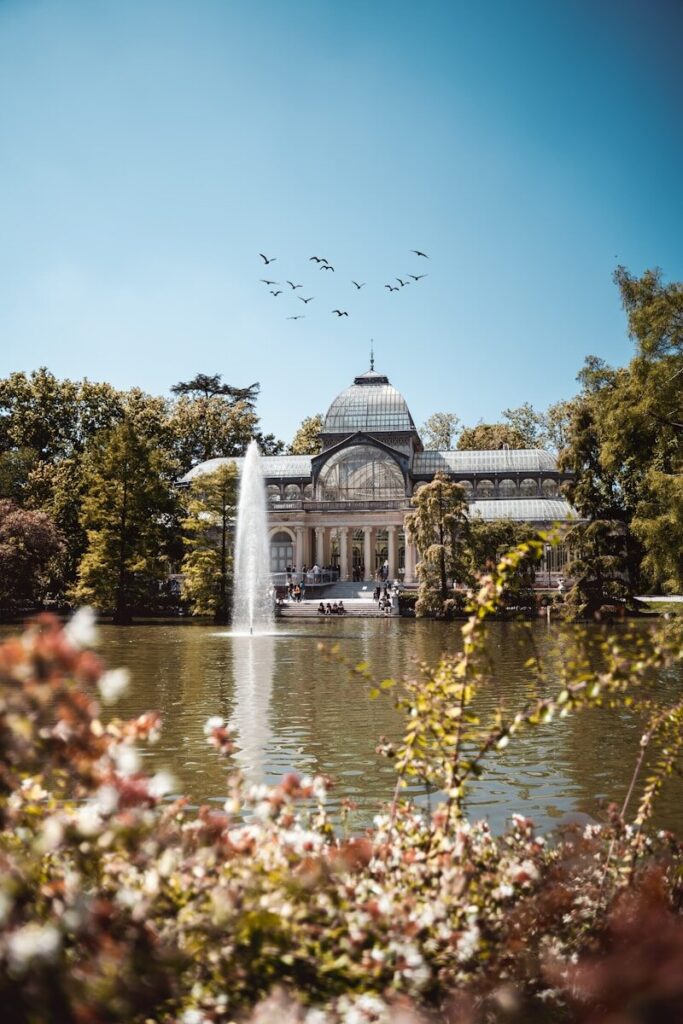
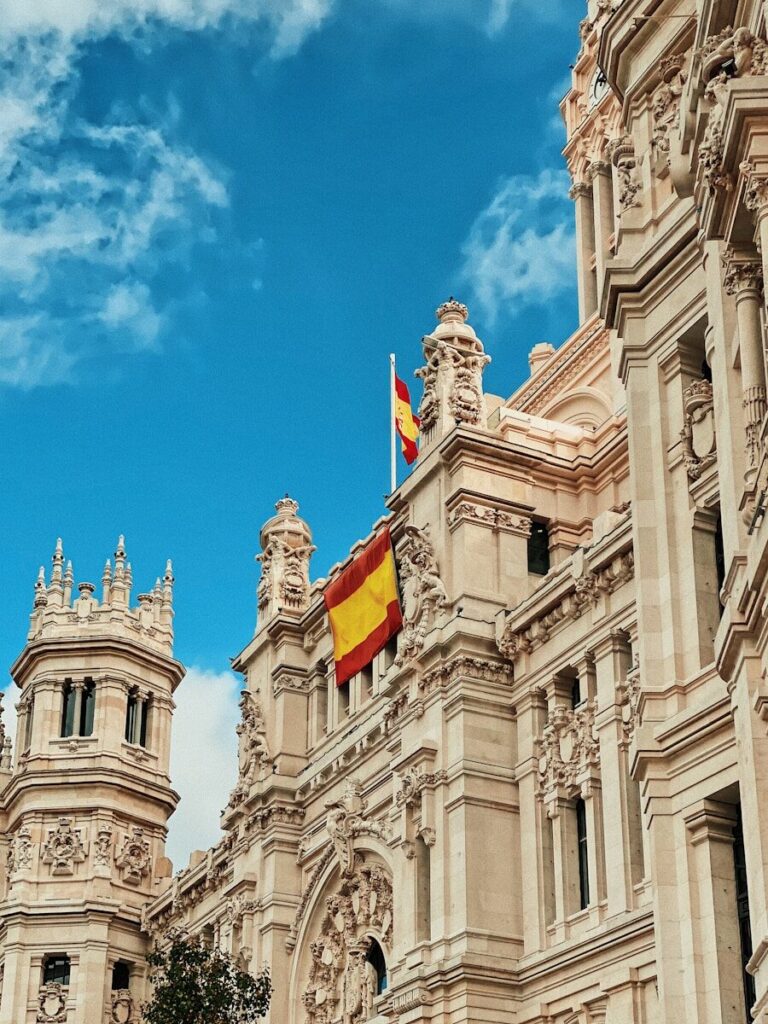
Accompanied by a private guide, the group took their time with the city rather than moving through it. The Royal Palace, the Prado, the particular rhythm of streets where centuries of history sit quietly alongside contemporary life. No rush, no checklist.
Between cultural landmarks, a carefully curated tapas itinerary moved them from one address to another — not a tour in any formal sense, but a series of stops where the food was good and the rooms were full of locals. The distinction matters. Madrid’s culinary traditions are best understood at tables where no one is performing them for visitors.
The city also revealed its artisanal side. Hidden behind discreet storefronts in the historic centre, workshops have been producing handmade shoes, Spanish capes, guitars, and confectionery using the same methods for generations. These are not tourist attractions. They are working businesses that happen to have been open for a century or more, sustained by clients who understand what they’re buying.
The People Behind the Wines: Ribera del Duero
The following morning, the focus returned to wine.
Ribera del Duero is one of Spain’s most recognised wine regions — Tempranillo country, high-altitude vineyards, the river running through it all. But the version most visitors encounter, the grand bodegas with their tasting rooms and gift shops, tells only part of the story.
Private visits opened the doors to two distinctive producers, each with their own interpretation of the region’s terroir. The conversations were not about vintages or scores. They were about philosophy, family history, the decisions made at harvest, the reasons one producer ages in French oak and another doesn’t, the particular challenge of farming at altitude where the temperature can drop dramatically overnight and the fruit develops in ways that no other Spanish region quite replicates.
Lunch among the vines. Rolling countryside stretching to the horizon. A reminder that great wines begin long before they reach the cellar — in the soil, in the decisions made over decades, in the relationships between families and their land.
For guests who had made wine tasting in Burgundy part of their travel vocabulary, Ribera offered a different grammar: bigger skies, more extreme conditions, and a regional character shaped as much by the meseta as by any winemaking tradition.
Beneath the Surface: Underground Cellars of Gumiel de Mercado
As the day continued, the group stepped back in time.
In the historic village of Gumiel de Mercado, they descended into a network of underground wine cellars carved deep beneath the streets. The system is extraordinary: tunnels cut through the bedrock over centuries, maintaining a constant temperature and humidity that made artificial refrigeration unnecessary long before it existed. At their height, there were hundreds of these cellars beneath the village, each belonging to a different family, connected by passages that the whole community shared.
Walking through these ancient galleries offered a perspective on Ribera del Duero’s history that no winery visit can provide. Long before wine became an internationally traded luxury with Parker scores and investment portfolios attached to it, it was already woven into daily life here — stored, shared, and celebrated beneath the earth, embedded in the architecture of the village itself.
It was a fitting reminder that every wine region possesses stories far older than its most famous labels. The underground cellars of the Duero predate the modern appellation system by several hundred years. The wine was different then. The impulse to preserve it carefully, and to share it with people who mattered, was exactly the same.
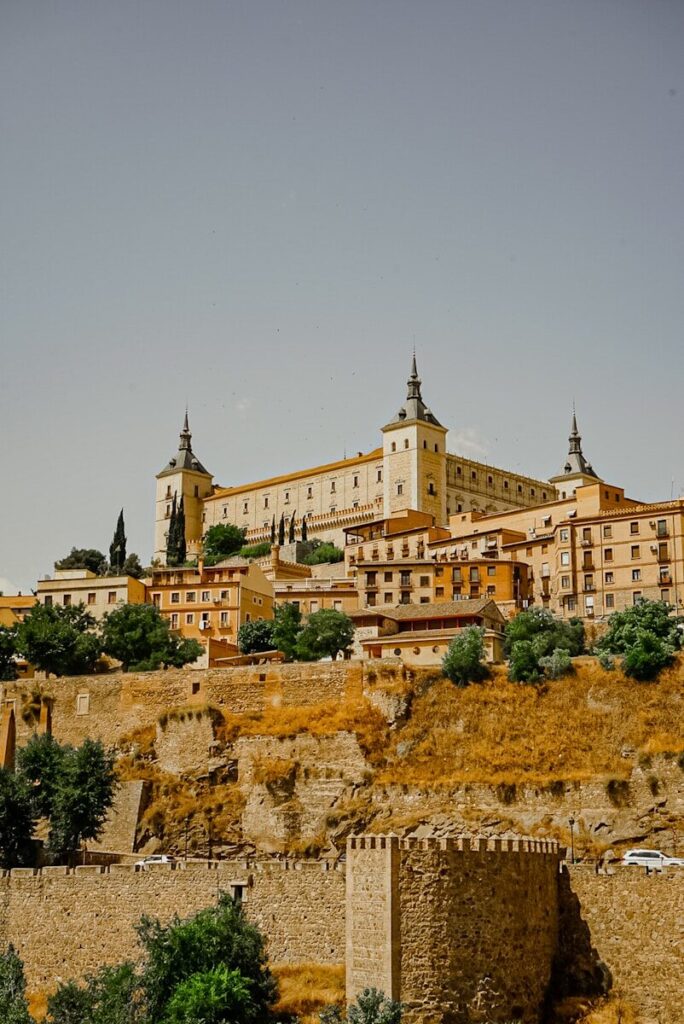
Toledo: The Final Chapter
For their last day, the journey took on a more overtly cultural dimension.
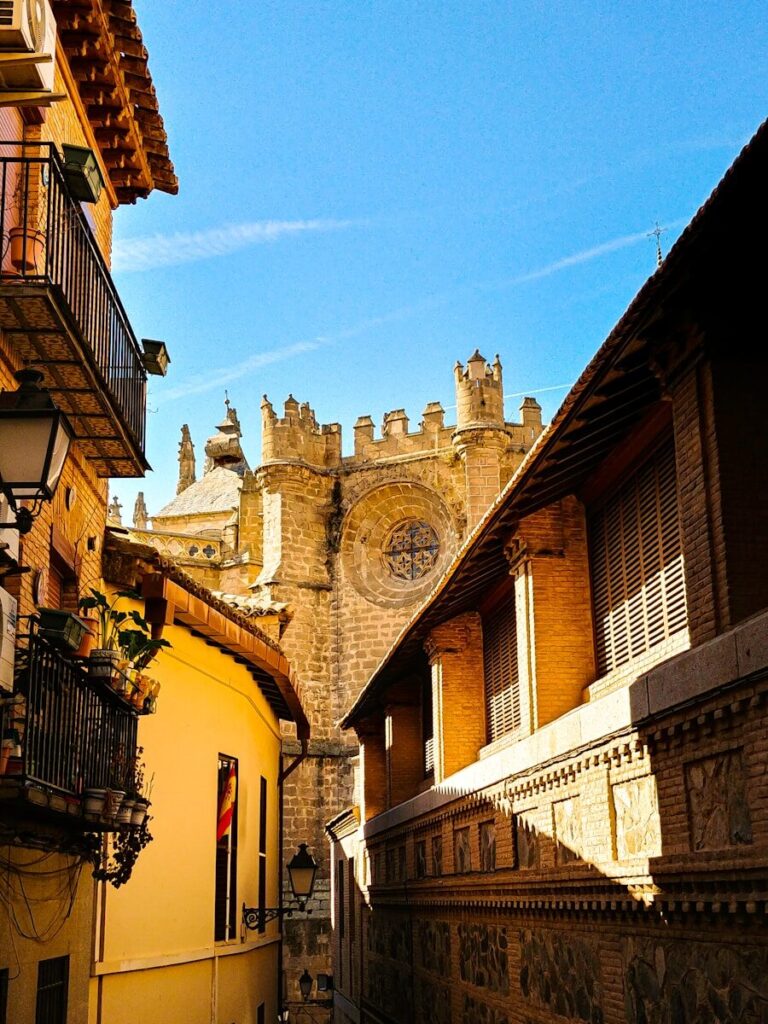
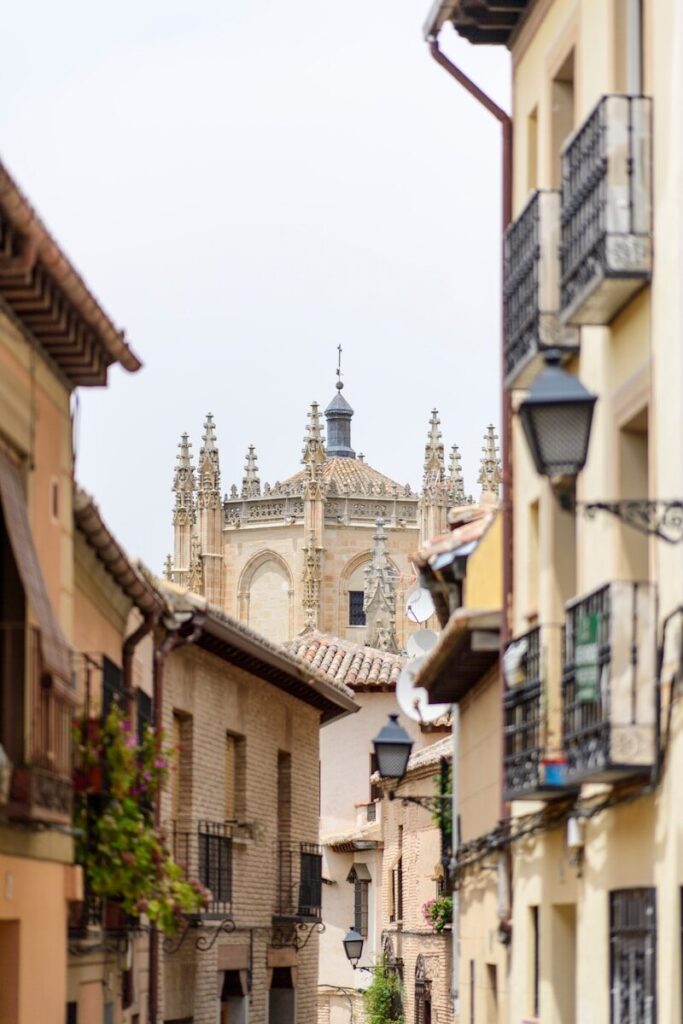
Toledo, perched above the Tagus River, is one of those cities that rewards a private guide more than almost anywhere else in Spain. The official history — Visigoth capital, medieval coexistence of three faiths, El Greco’s adopted home — is well documented. What a guide can offer is the texture beneath it: the particular way the light falls on the cathedral’s south facade in the afternoon, the neighbourhood where the Jewish Quarter’s street pattern still follows medieval property lines, the rooms in the Museo del Greco that most visitors walk through too quickly.
Like the vineyards they had visited throughout the week, Toledo revealed layers of history shaped by generations who left their mark on the city. The connections were not forced. They were simply there, visible to anyone willing to spend time with them.
What the Journey Was Really About
From volcanic vineyards in the Atlantic to medieval streets in the heart of Spain, each destination offered a different perspective on the country. What connected them was not a theme but a quality of encounter: the winemaker who explained why she had gone back to indigenous varieties after years of experimenting with international ones; the artisan in Madrid whose workshop had been in the same building for four generations; the guide in Toledo who knew the cathedral well enough to show them the parts that weren’t on the official tour.
The January timing, which had initially seemed like a challenge, turned out to be an advantage. Fewer visitors. More time with the people who actually live and work in these places. Conversations that wouldn’t have happened in high season.
What began as a last-minute request during the holiday season became something considerably more useful: a reminder that the most memorable wine journeys rarely depend on perfect conditions. They depend on knowing which doors to knock on, and on having the relationships that mean those doors actually open.
If this kind of journey interests you — private access to producers, the less-visited side of places you think you know, Spain built around encounters rather than itineraries — explore how we approach Europe, or get in touch directly.