Contact
The turquoise Adriatic and green islands of the Dalmatian coast
European Travel Masterpieces

Croatia

Croatia got famous for the wrong reasons. The country behind the postcards is older, stranger, and worth far more of your time — and most people who go never see it.

Scroll
The whole country

Not a coastline. A country.

A man in the Motovun forest at first light, waiting while a dog works the oak roots in the dark. An oyster pulled from a bay the Romans first cultivated. A city built inside a Roman emperor's palace — not beside it, inside it, still inhabited, still cooking dinner in rooms seventeen hundred years old. Roman before Croatian, Venetian for centuries on the coast, Habsburg in the north, sovereign only since 1991 — each empire left something, and this generation has stopped erasing the layers and started living between them. You don't come for one thing. You come for the country itself.

1,244 islands10 UNESCO sites7 regions9 world olive-oil titles
Seven regions, one country

Where would you begin?

Six of Croatia's worlds, to begin with. Tap one to look closer.

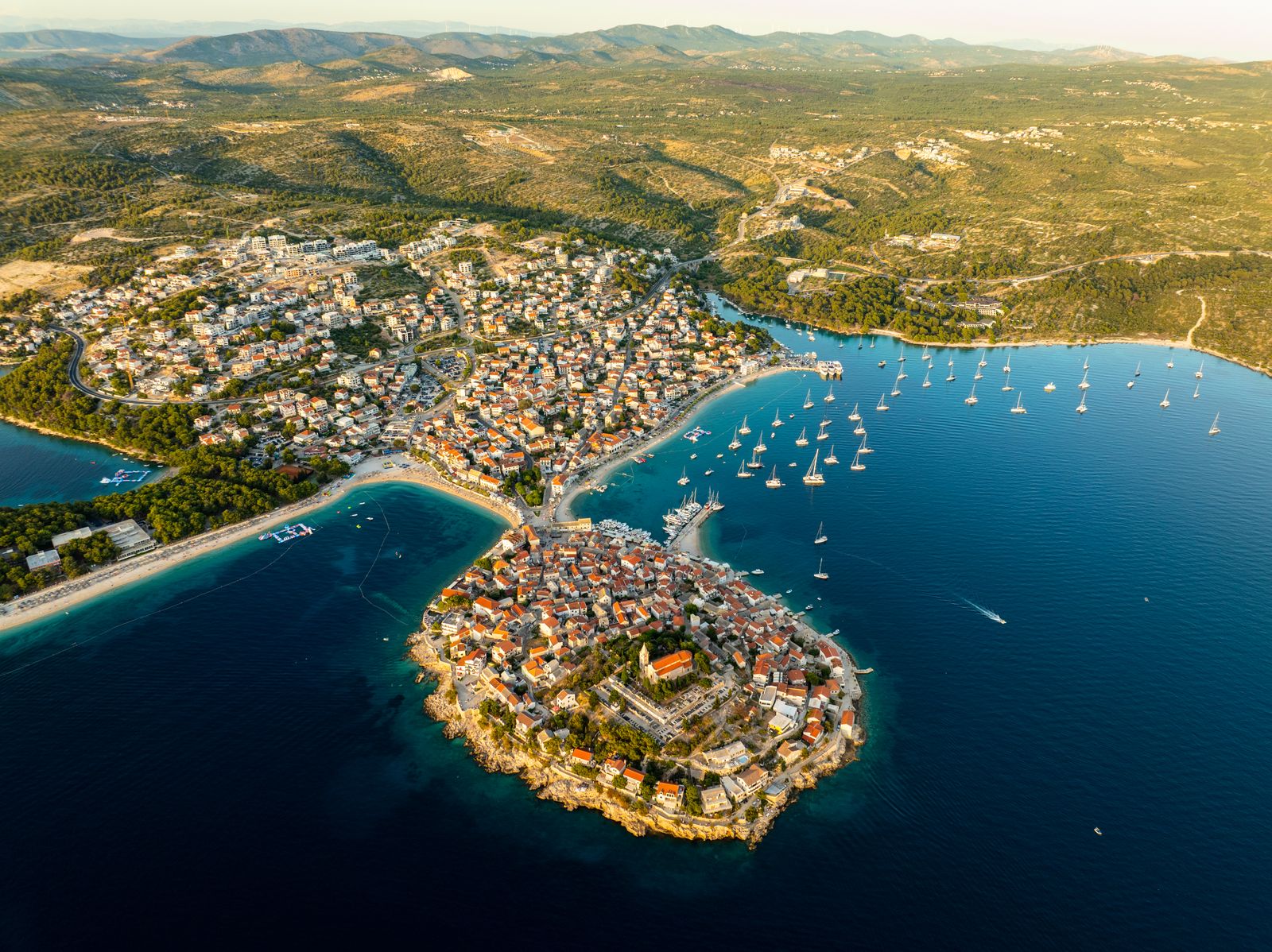
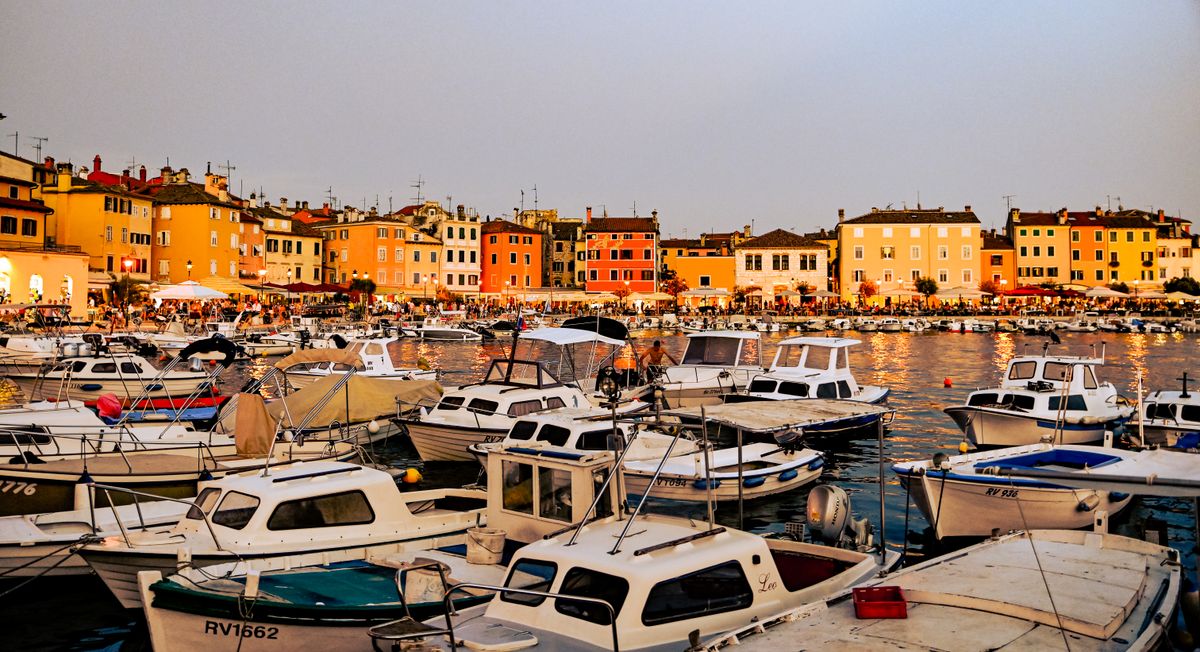
The harbour town of Rovinj in Istria
Istria
Rovinj · Motovun
Look closer


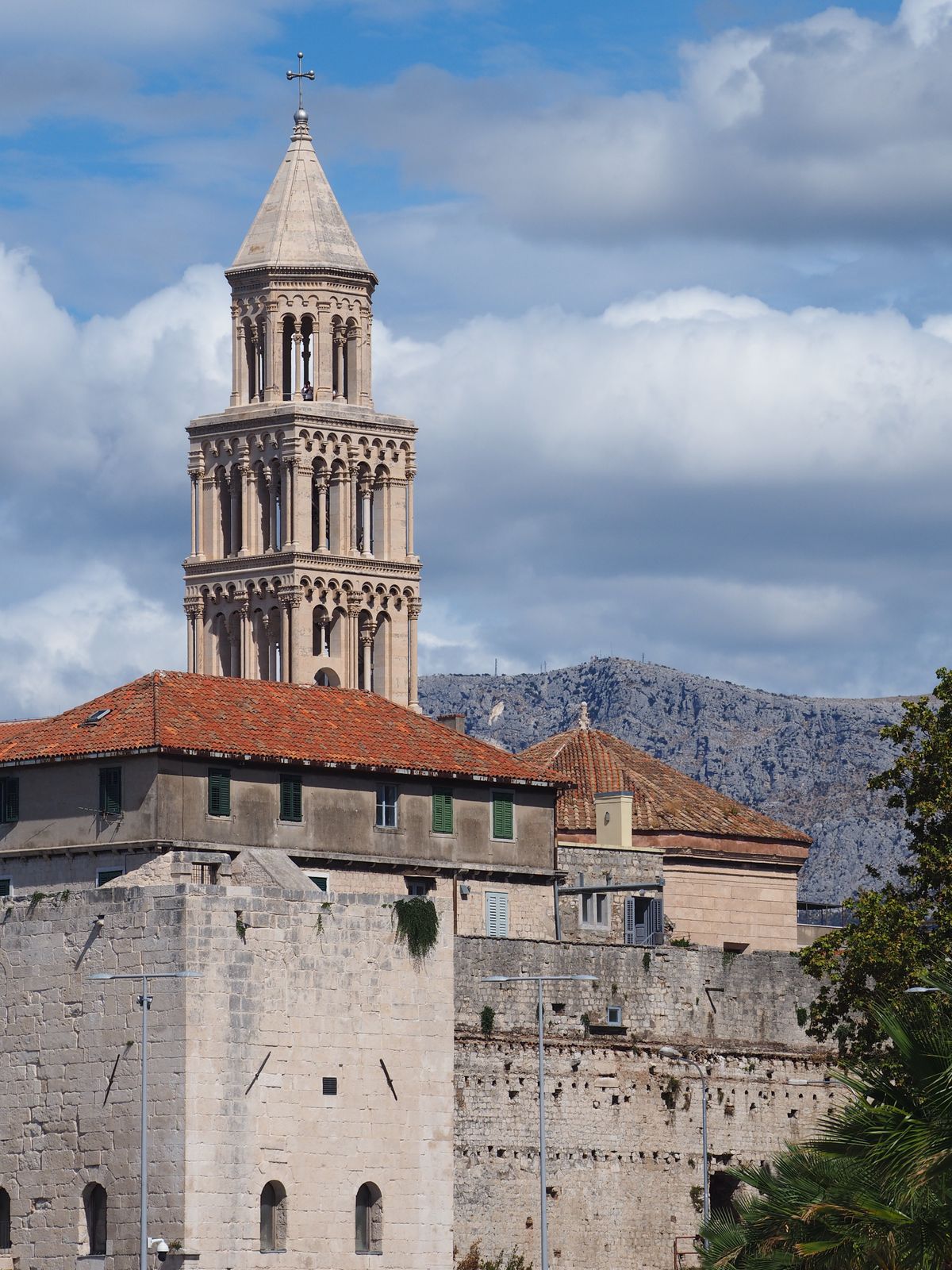
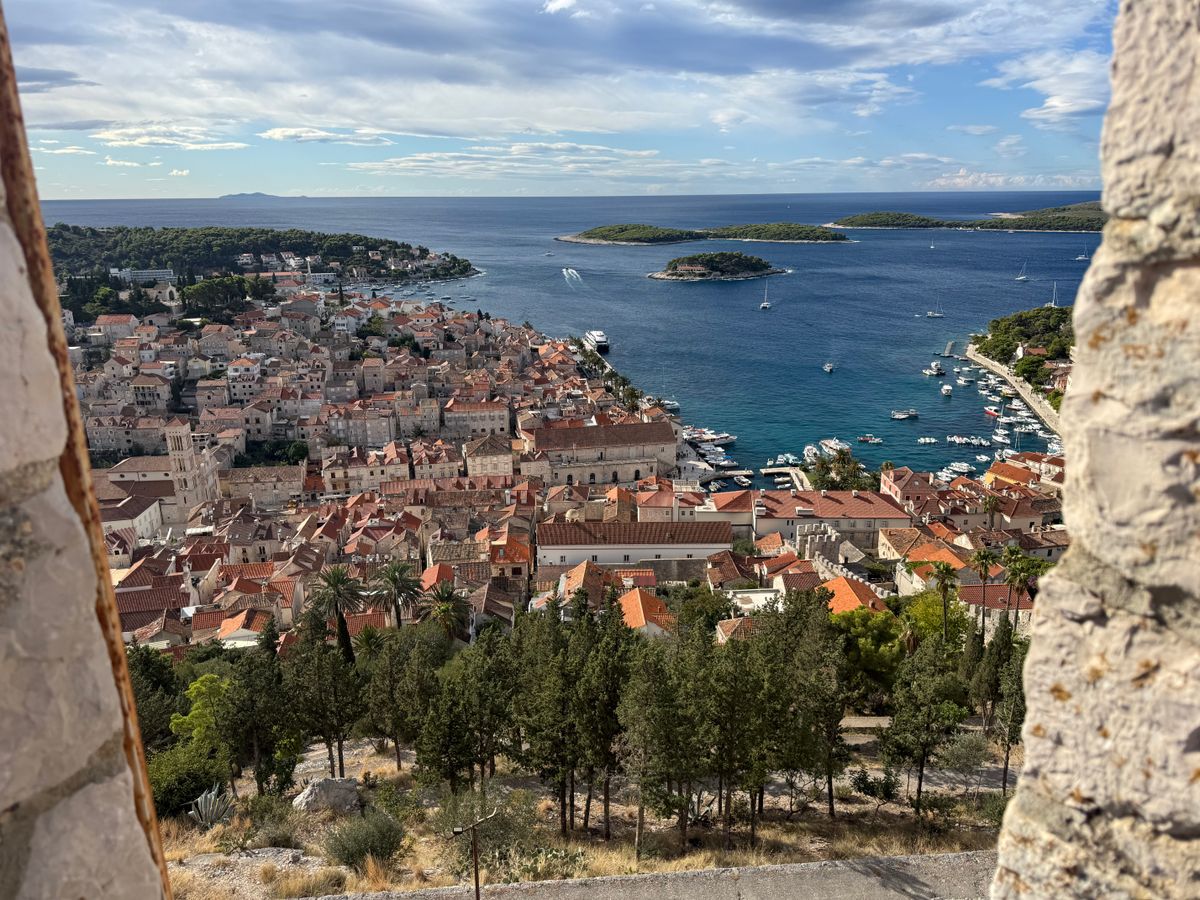
The bell tower of Split's old town over Diocletian's Palace
Central Dalmatia
Split · Hvar · Vis
Look closer
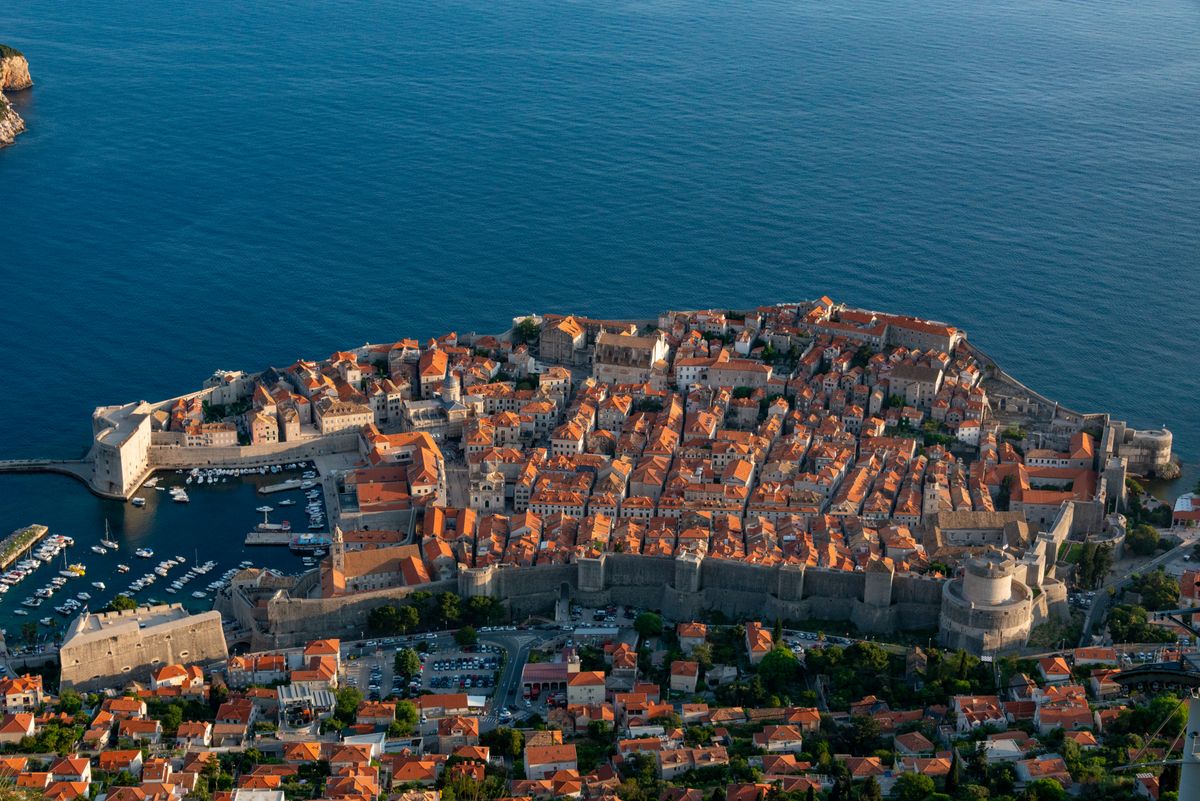
The walls and terracotta rooftops of Dubrovnik
Southern Dalmatia
Dubrovnik · Pelješac
Look closer
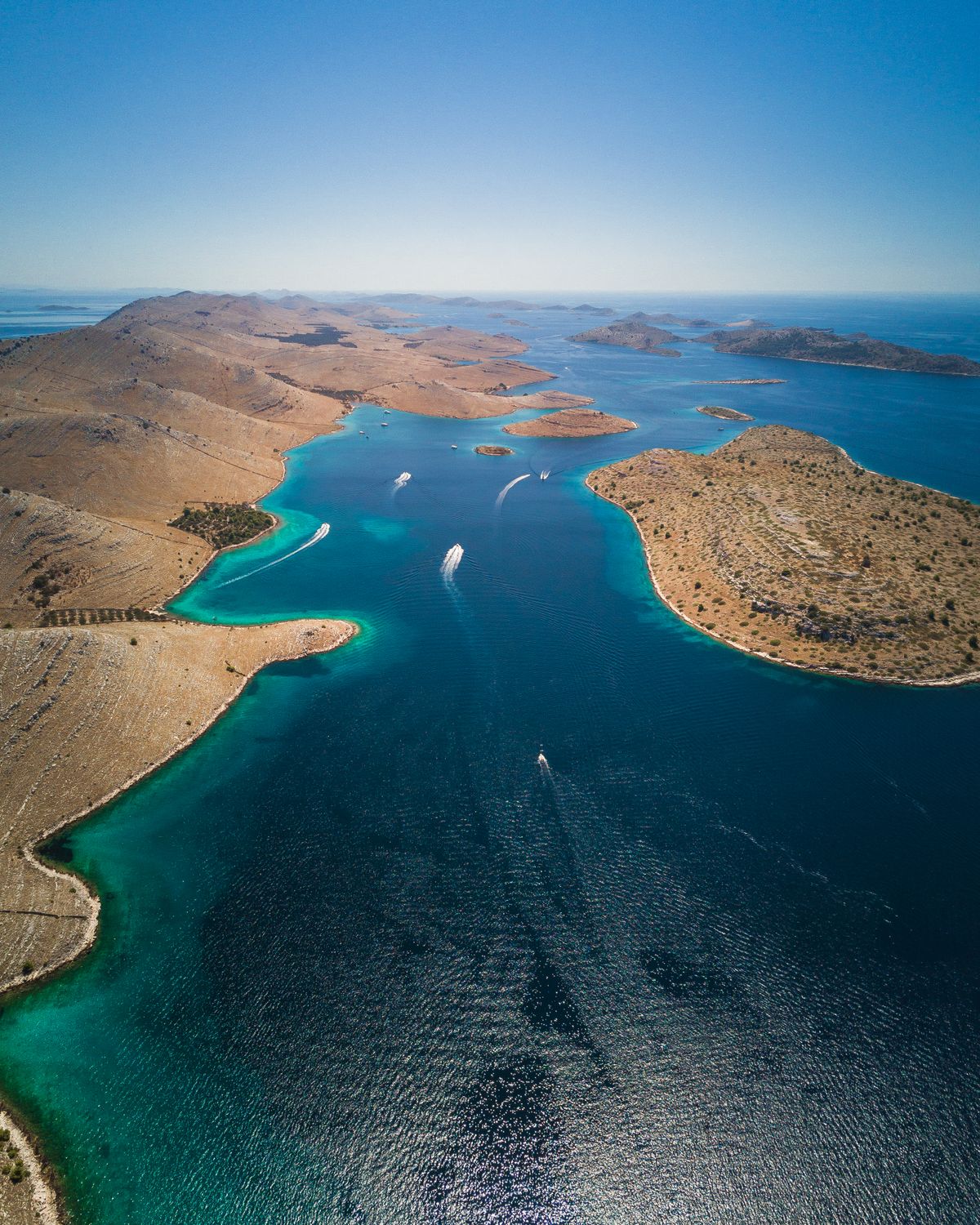
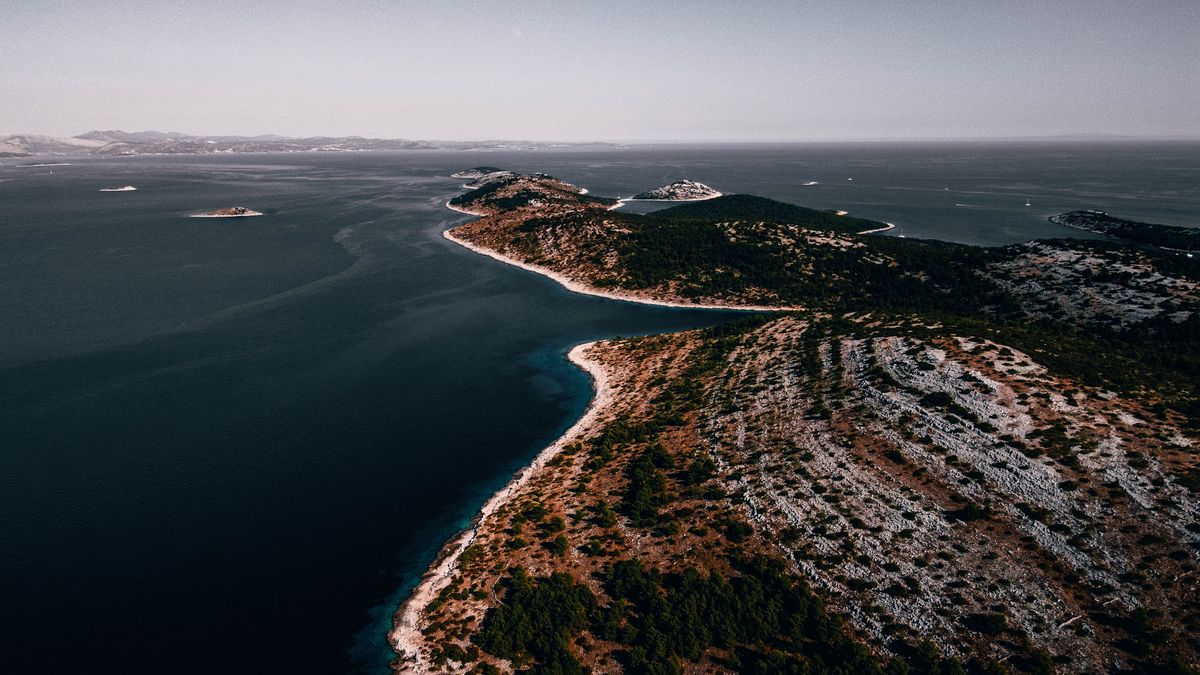
The bare islands of the Kornati archipelago
The Kornati
Zadar · North Dalmatia
Look closer
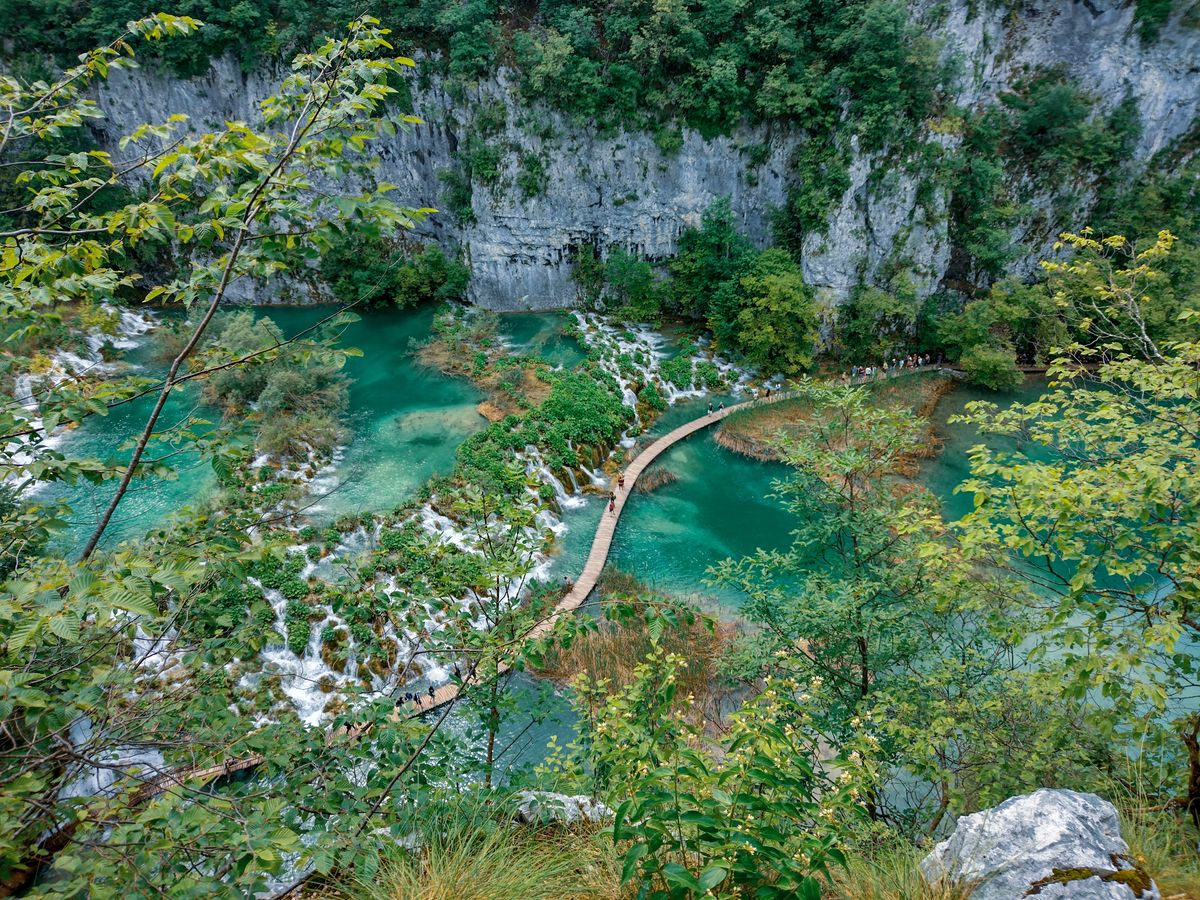
The turquoise waterfalls of Plitvice Lakes
Plitvice & the Interior
Lakes · Zagreb
Look closer
A Croatian island cove in the Adriatic
The Islands
Hvar · Vis · Mljet
Look closer

And more between  — Kvarner's Habsburg promenades at Opatija, the Elaphiti islands off Dubrovnik, the eastern wine country the foreign visitor never reaches. We build the journey around the ones that call to you.
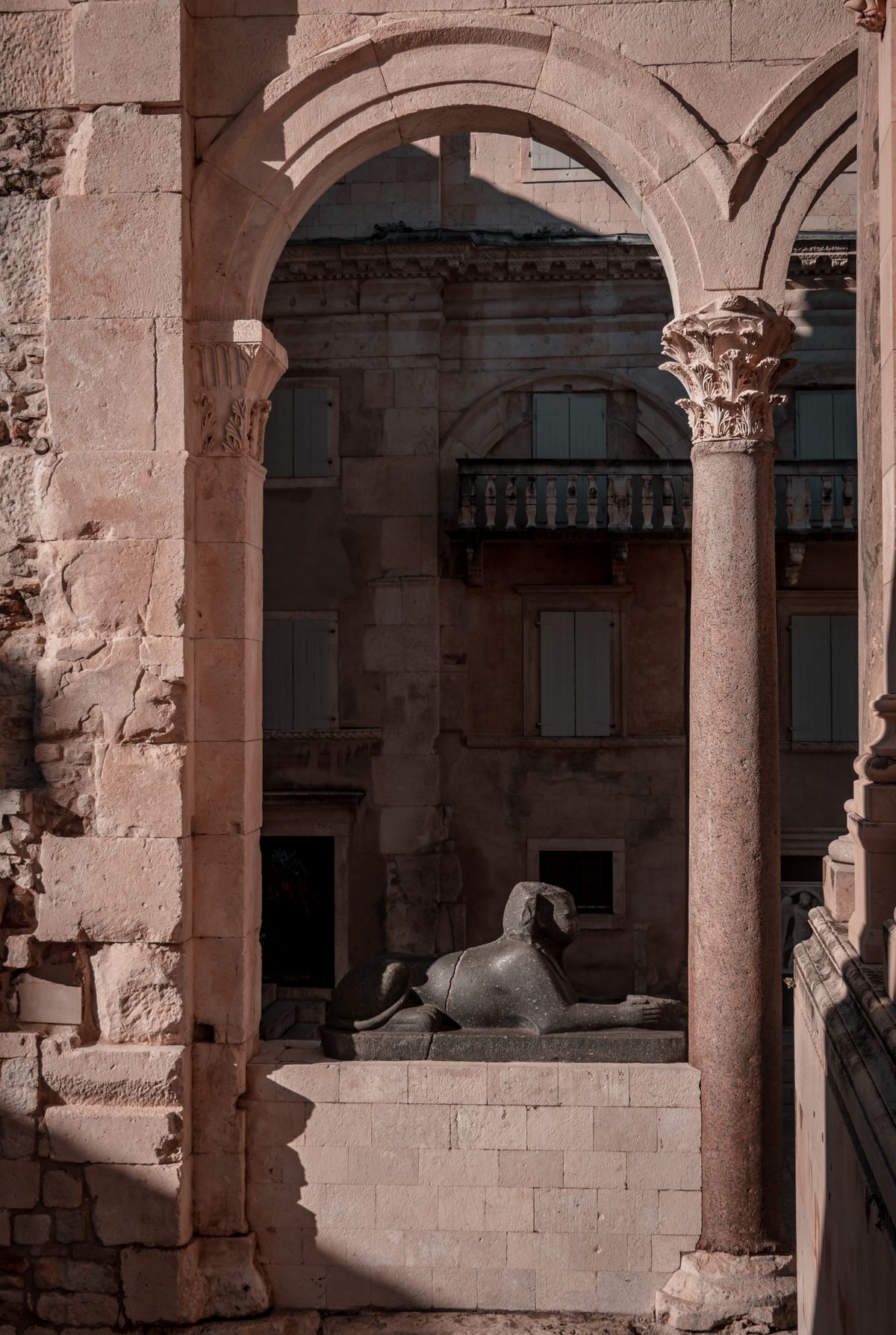
The Roman peristyle of Diocletian's Palace in Split
Layers that stay in use

No empire cleared the last. They simply accumulated.

In Split the old city is not beside Diocletian's Palace — it is built inside it. Houses were raised into the Roman walls; the emperor's mausoleum became the cathedral; the cellars became a market and still are. In Dubrovnik, the walled republic paid tribute to sultans and popes alike, abolished slavery in 1416, and carved above its fort the line it lived by: liberty is not well sold for all the gold in the world. History in Croatia is rarely behind glass. It stays in use — inhabited, argued over, still cooking dinner in rooms seventeen centuries old.
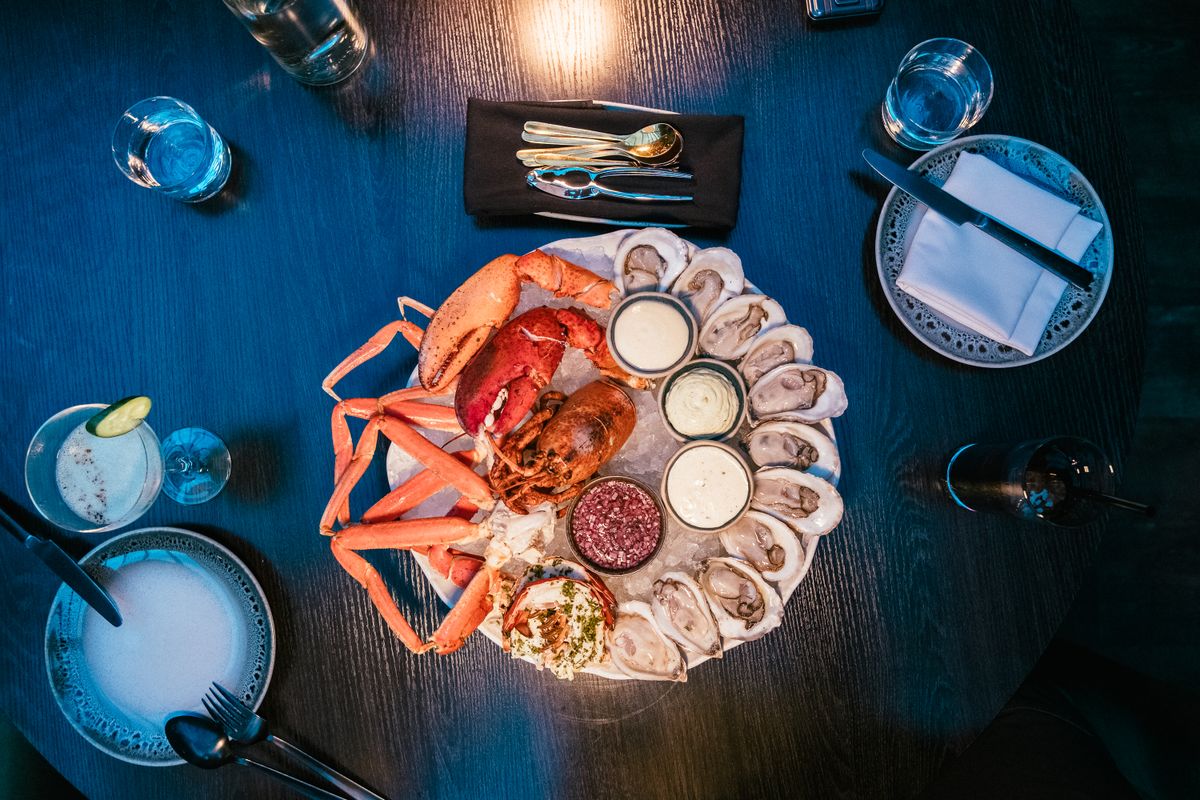
A Croatian table of oysters, seafood and wine
There is no Croatian cuisine. There are seven.

The Croatian table.

Seven regions, seven kitchens with little in common — bound only by what came in that morning, and two thousand years of doing it the same way.
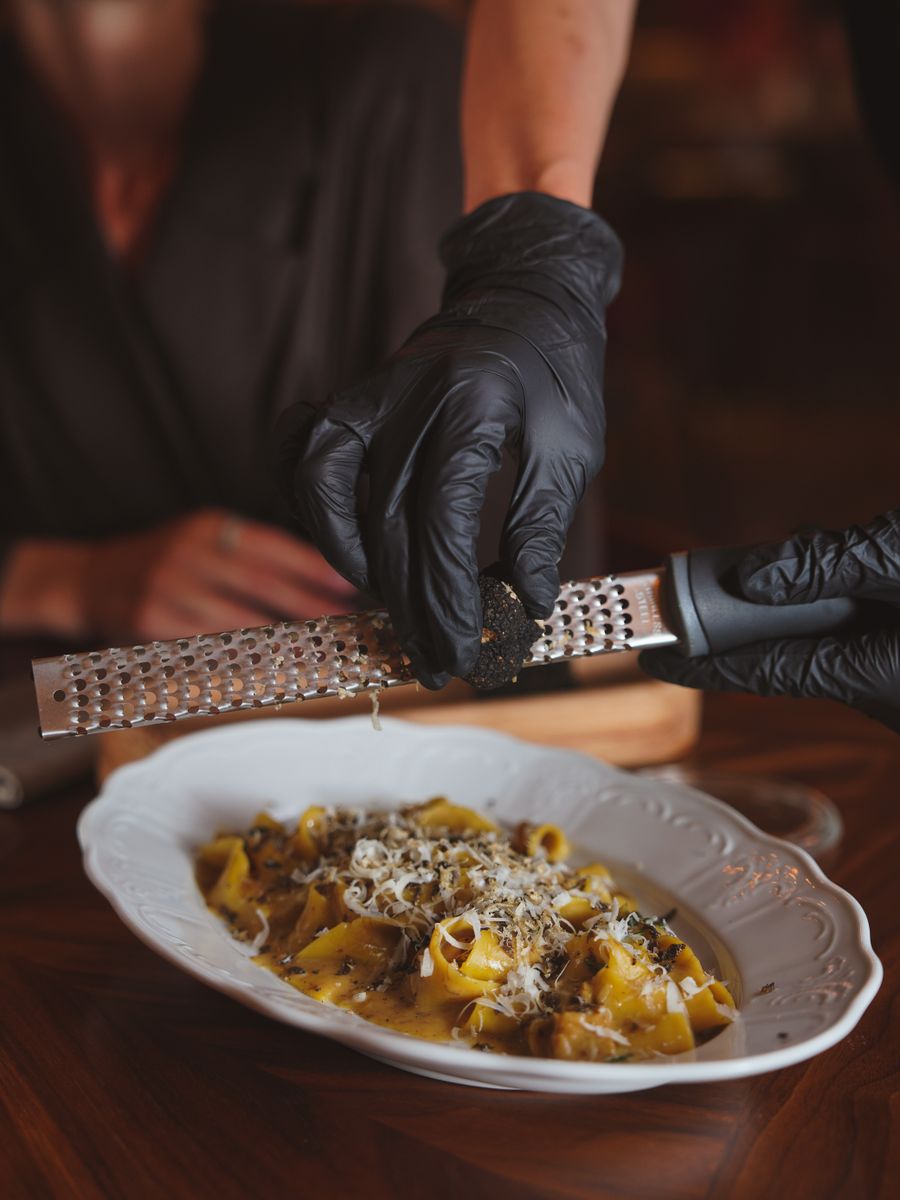
White truffle shaved over hand-cut pasta

Shaved over hand-cut pasta

Istrian truffles
The Motovun forest gives white truffles from September to December, black year-round — the world record, 1.31 kg, was found there in 1999.
Oil pressed last week
Peppery and green — nine world titles running, and better now than Tuscany's by every serious measure.
Boškarin
The indigenous Istrian ox, near-extinct in 1990, back at the table now.
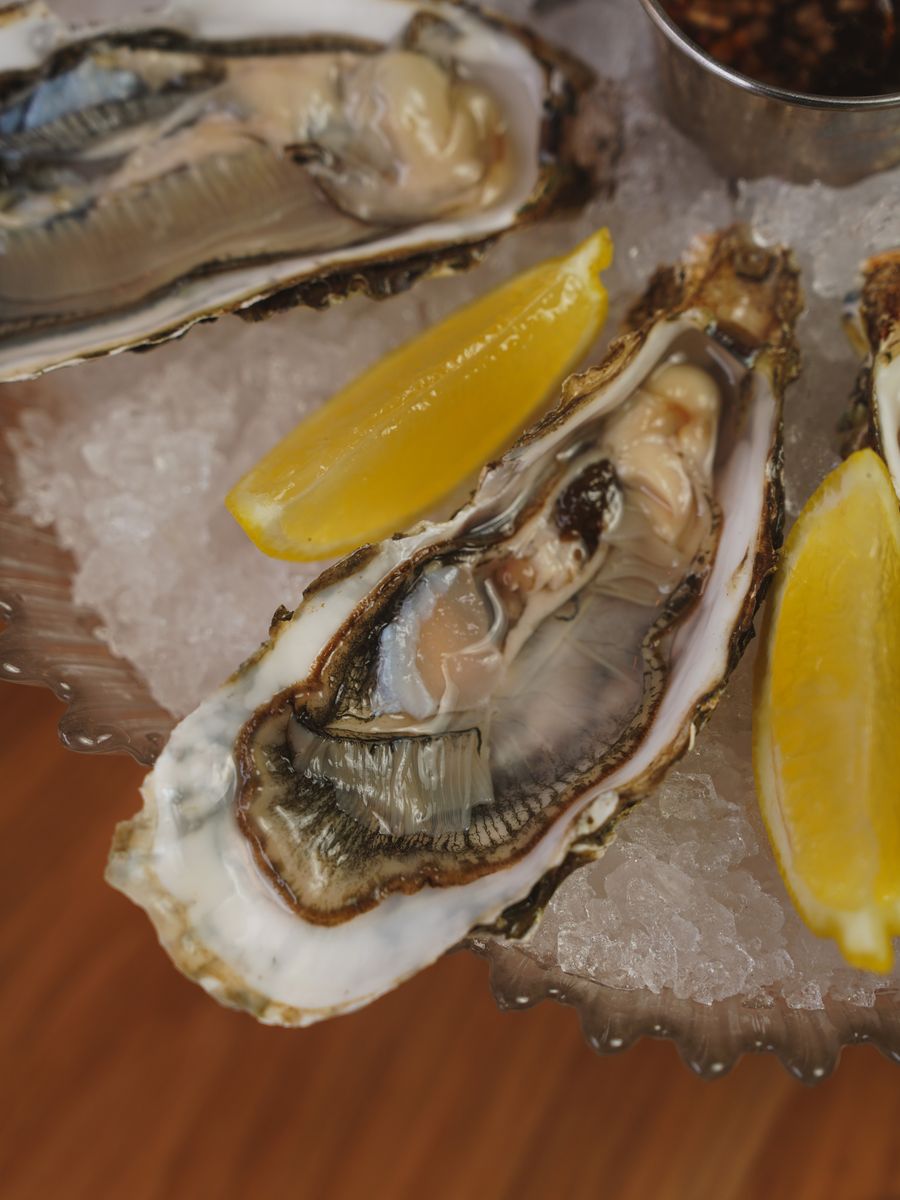
Fresh Adriatic oysters

Pulled from a Roman bay

Ostrea edulis
The European flat oyster, cultivated in Mali Ston Bay since Roman times, where karst freshwater meets Adriatic salt.
The same methods
Ropes hung from wooden frames, a handful of families doing nearly all of it.
Eaten at the water
Shucked on the pier, minutes from the bay.
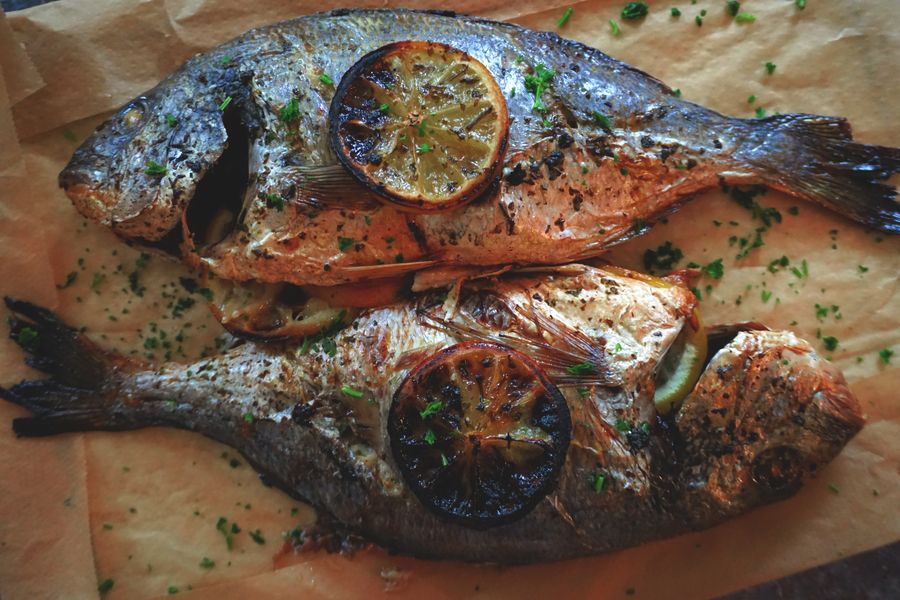
Grilled Adriatic fish

Older than the country

Peka
Lamb or octopus in a cast-iron pan under a domed lid, buried in coals for three hours. The lid gives the technique its name.
Grilled fish
Zubatac, lubin, orada — olive oil, salt, lemon, nothing else. Two thousand years of the same.
The konoba
The Dalmatian tavern where both are cooked slowly, for those who wait.
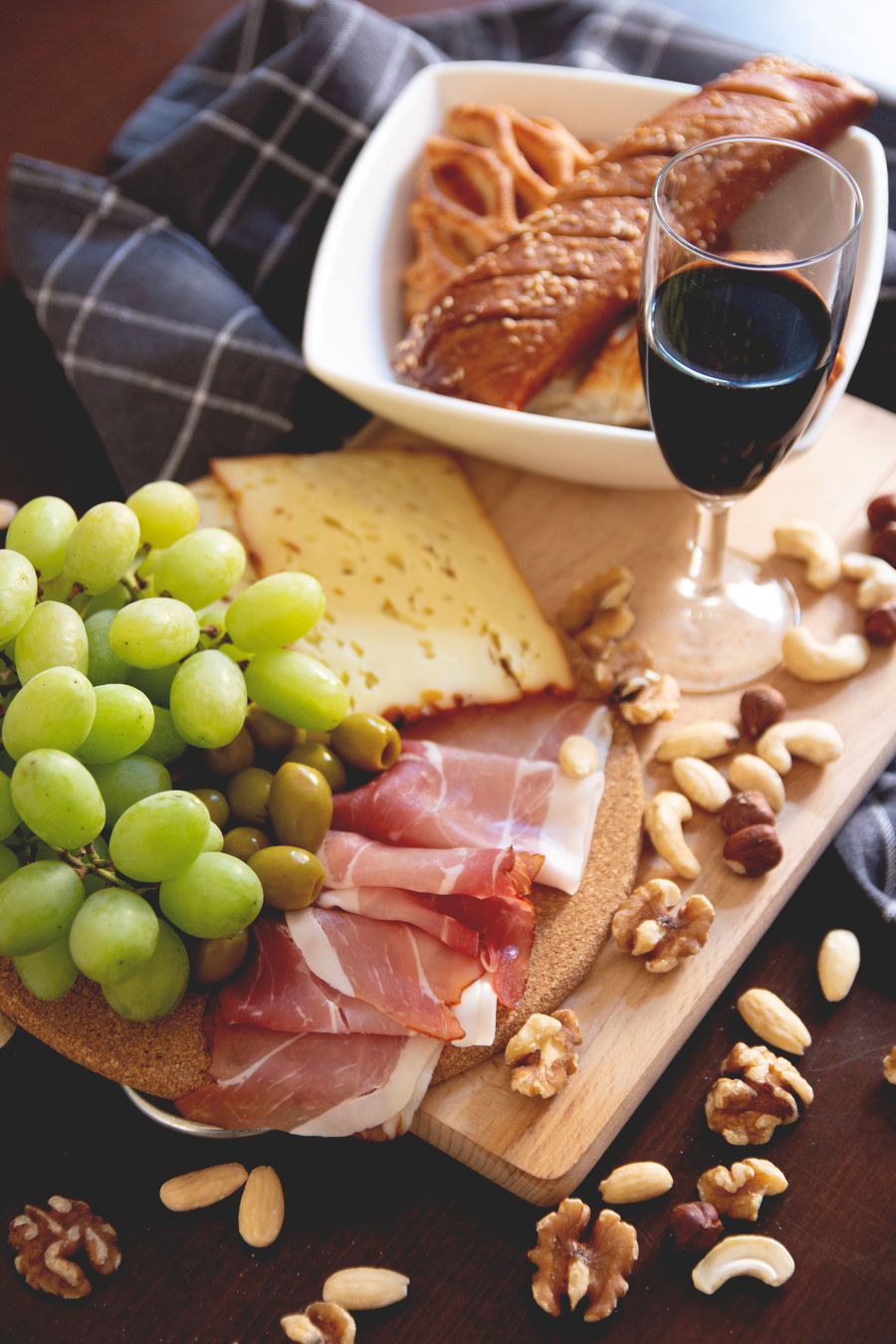
A board of pršut and cheese

The geography, tasted

Paški sir
From Pag, where sheep graze a lunar plain scoured by the bura wind and salted by sea-spray — nothing in Europe quite matches it.
Pršut
Air-cured over a year in the same dry wind.
Šolta honey
The one Dalmatian producers measure their own against.
The Adriatic islands at golden hour
Every Croatia we design is different

No two of our journeys are the same. Tell us yours.

Speak to Marie
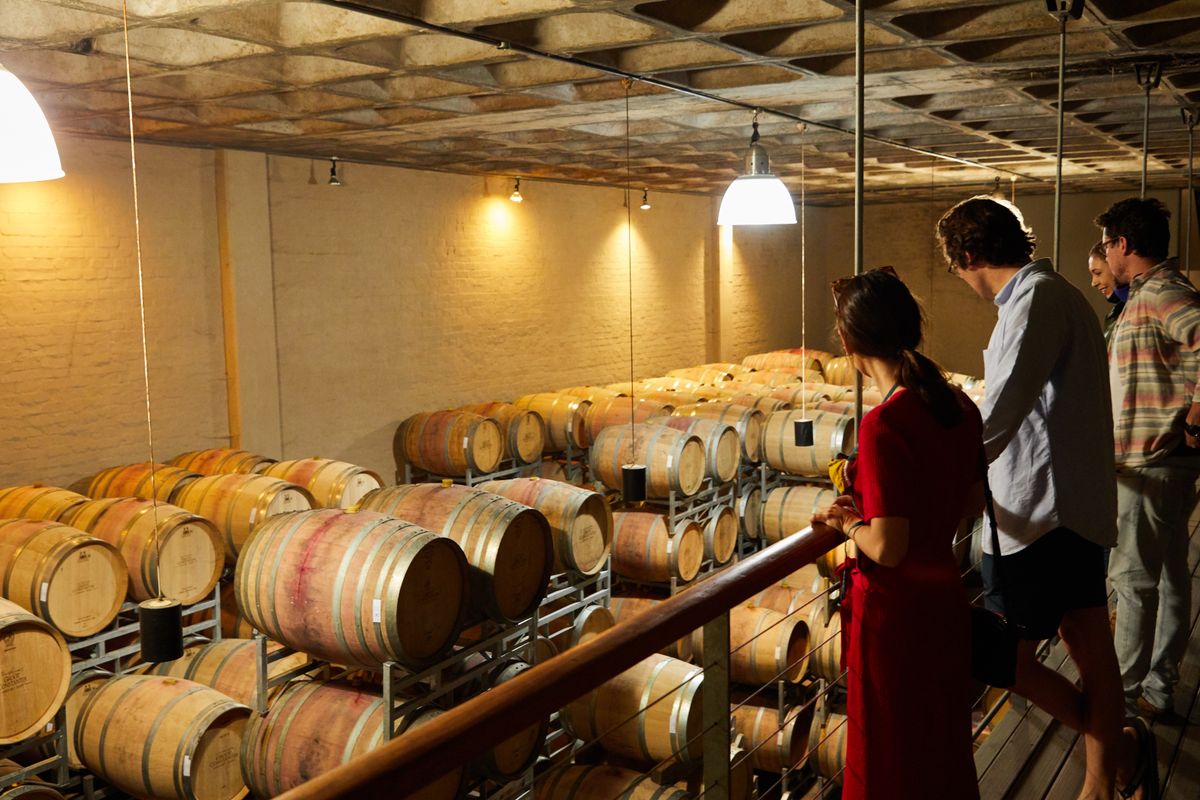
Oak barrels of Plavac Mali ageing in a Pelješac cellar
The wine that came back

Zinfandel, it turns out, was Croatian all along.

The signature red, Plavac Mali, grows on the steep south-facing slopes of the Pelješac peninsula — and it turns out to be the child of an older grape, Crljenak Kaštelanski, which UC Davis proved in 2001 to be genetically identical to California Zinfandel. The answer to where Zinfandel came from was here the whole time. The whites are stranger still: Pošip from Korčula, Grk from the sands of Lumbarda with fewer than fifty hectares planted anywhere on earth. The cellars are family-run, the volumes modest, and the conversation at the table always outlasts the tasting.
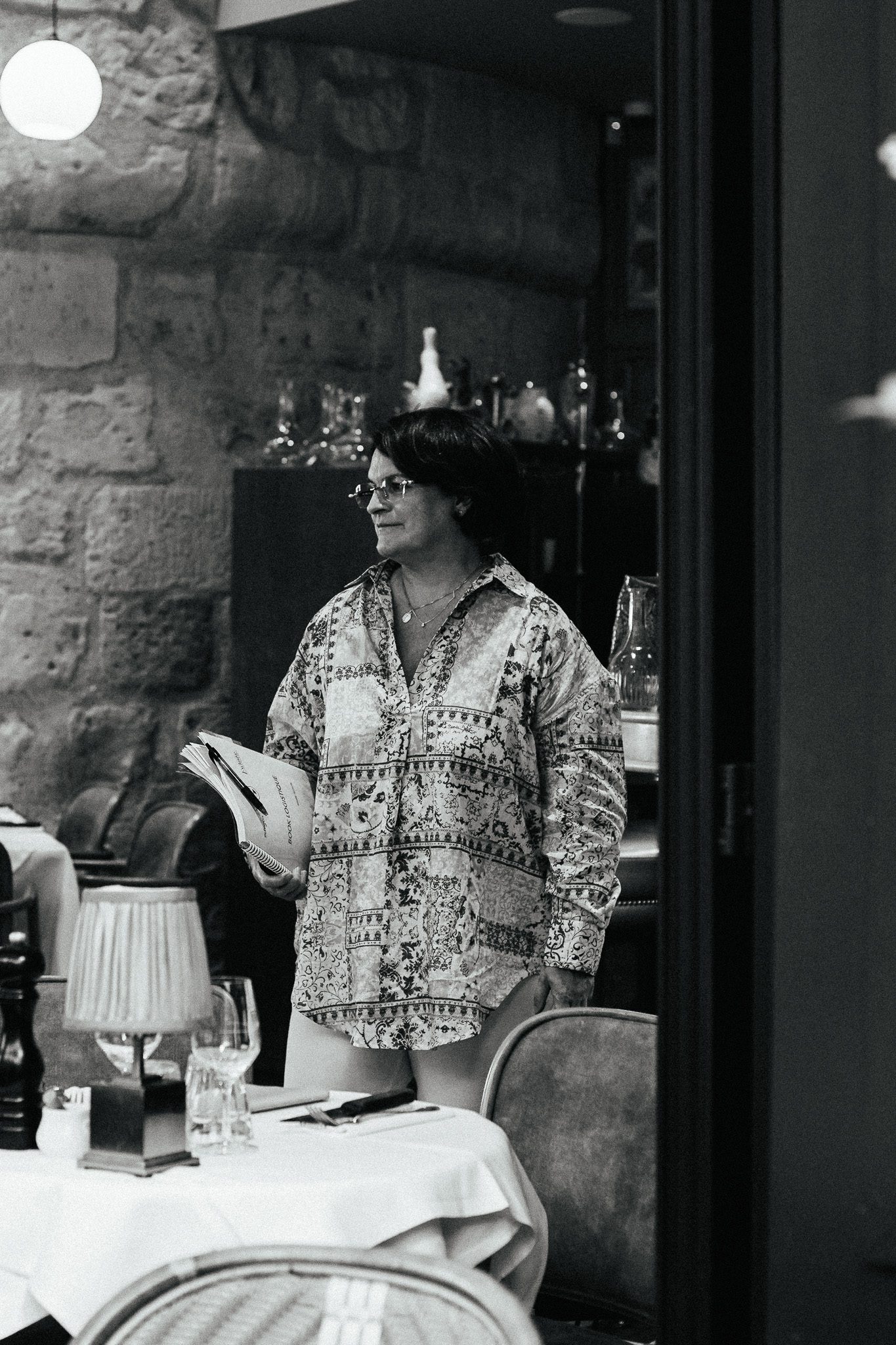
Marie Tesson, founder
A travel house — not a tour operator

Why us.

Croatia offers depth, not spectacle — and neither do we. We hand you to the people who are the country — the truffle hunter and his dog, the oyster family in the bay the Romans farmed, the winemaker whose grape turned out to be Zinfandel, the chef who trained abroad and came home. The layers the guidebooks skip, opened by the people who live inside them.

iTwenty-five years of real relationshipsNot suppliers on a commission — friends who open their own doors.
iiAround fifty journeys a year, never off-the-shelfEach built from nothing. We turn most inquiries away.
iiiMarie reads every inquiry herselfA real conversation, and a reply within two days — or nothing at all.
Start a conversation
Begin here

Tell us the Croatia the postcards never showed you.

A truffle forest at dawn, a bay full of oysters, a cellar that turns into lunch, an island only the water reaches.

Marie reads every inquiry herself and writes back within two days.

No itinerary · No brochure · A real conversation
Write to Marie