

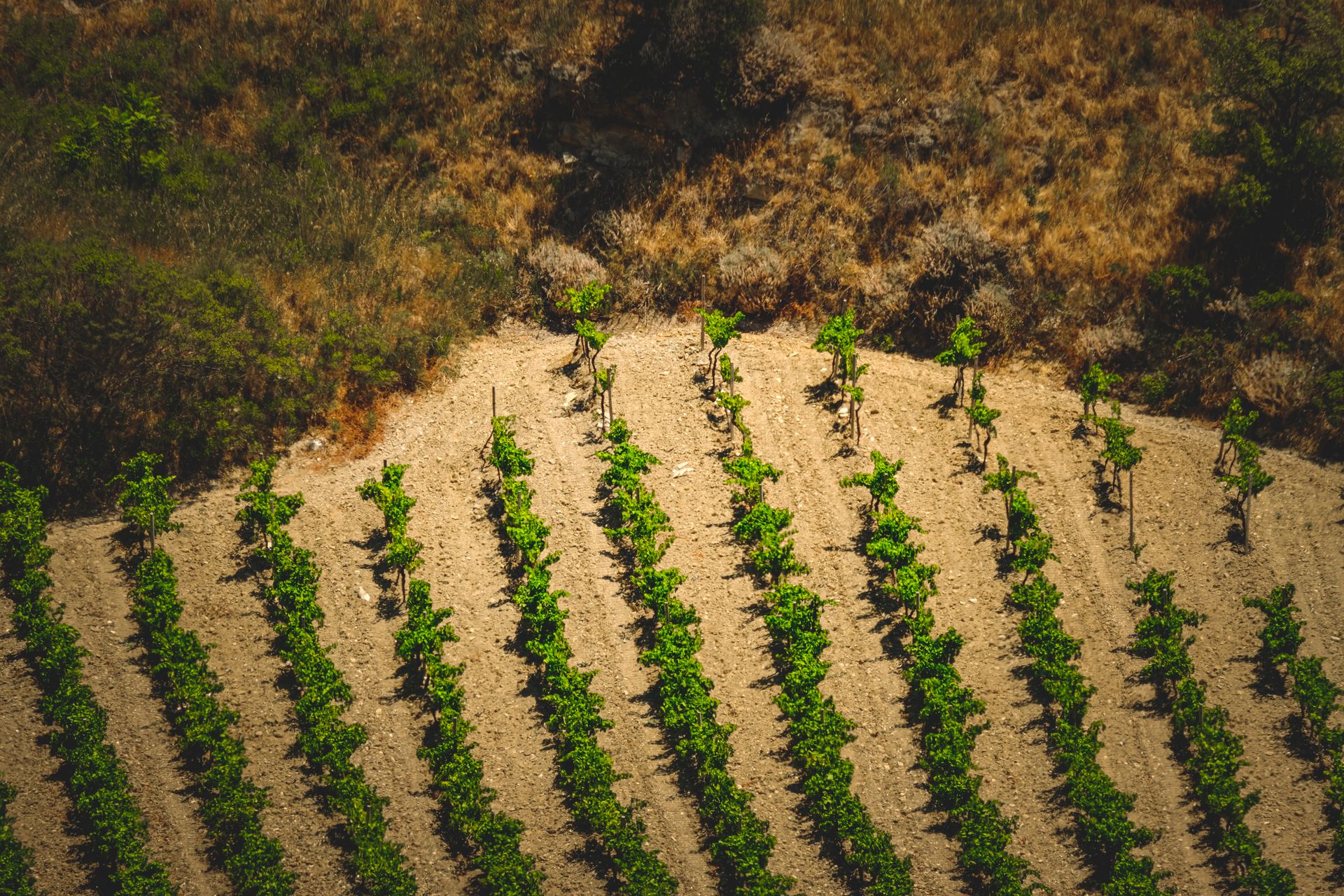
If Burgundy is the opera of French wine—dramatic, sophisticated, occasionally temperamental—the Rhône Valley is jazz: improvisational yet precise, daring yet soulful. This is a land where mistral winds sculpt landscapes, popes left their legacy in vineyards, and modern winemakers marry centuries-old practices with cutting-edge sustainability.
Today, the Rhône stands at the crossroads of prestige, accessibility, and reinvention. Its wines climb auction charts, its terroirs win critical praise, and its culinary traditions seduce Michelin-starred chefs. For collectors, travelers, and epicureans alike, the Rhône offers more than bottles. It offers stories worth uncorking.
Rhône Valley Wines as Investment Opportunities – Prestige Meets Profit
For decades, Burgundy and Bordeaux dominated collectors’ cellars. But as Burgundy prices spiral skyward and Bordeaux battles market fatigue, the Rhône emerges as the third pillar of fine wine investment — still accessible, yet increasingly prestigious.
- The Liv-ex Rhône 100 Index dipped only 2.1% in 2023, while Burgundy fell 17.4%.
- At iDealwine, a bottle of Hermitage Ermitage Cuvée Cathelin 2009 by Jean-Louis Chave sold for €6,260, signaling strong collector demand.
- Château de Beaucastel’s Hommage à Jacques Perrin has seen auction prices rise 20–30% over the past decade, with rare vintages now exceeding $9,000 per lot.
Three factors explain this momentum:
- Scarcity: Hermitage covers just 136 hectares; by contrast, Bordeaux’s Château Lafite alone owns nearly 100 hectares.
- Resilience: Even during the 2022 heatwave, parcels in Cornas and Hermitage produced structured, age-worthy wines while other regions faltered.
- Innovation: Estates like Michel Chapoutier lead France’s organic and biodynamic movement, while critics such as Robert Parker Jr. have long championed Rhône wines as “the world’s most underrated great wines.”
For collectors, the Rhône today is Burgundy twenty years ago: prestige before the price explosion.
The Rhône Valley’s Unique Terroirs
If the Northern Rhône is a soloist’s aria, the Southern Rhône is a symphony, blending multiple grapes and soils into wines of remarkable complexity.
In the North, Syrah reigns supreme on Côte-Rôtie’s granite terraces and Hermitage’s storied slopes. Paul Jaboulet Aîné’s 1961 Hermitage La Chapelle still trades above $15,000 a bottle, while modern vintages from Jean-Louis Chave routinely hit 100 points.
The South, by contrast, thrives on Grenache-led blends. Châteauneuf-du-Pape, with its iconic galets roulés (heat-retaining stones), set the standard, but neighboring Gigondas and Vacqueyras bring freshness and structure at more approachable prices.
And then there are the hidden gems:
- Vinsobres, with its cooler microclimate, praised by critic Matt Walls as “the thinking person’s Rhône appellation.”
- Saint-Péray, reviving its 19th-century reputation for sparkling wines served at royal courts.
- Tavel, producing serious, structured rosés far removed from the “summer sipping” stereotype.
All of this rests on the Rhône River’s geological legacy. Over millennia, it deposited granite in the North, limestone in Gigondas, and those famous Châteauneuf stones, creating terroirs of dazzling diversity. As critic Andrew Jefford notes: “The Rhône River is the spine of the valley’s identity — connecting soils, stories, and centuries.”
The Art of Winemaking in the Rhône
If terroir sets the stage, winemaking writes the script. And here, tradition and innovation converse fluently.
The Mistral wind, blasting at 60–90 km/h, reduces humidity by 25–30%, cutting disease pressure so effectively that 2022’s rain-soaked vineyards saw healthy, concentrated fruit. “The Mistral is the best vineyard manager we never had to pay,” quips Cornas pioneer Jean-Luc Colombo.
Sustainability drives much of the region’s prestige today. Michel Chapoutier converted all holdings to biodynamics in the 1990s, producing multiple 100-point wines like Ermitage Le Pavillon. Estates such as Domaine Gramenon and Xavier Vignon push natural wine boundaries while earning critical acclaim.
Innovation here honors history rather than erasing it. Stéphane Ogier ages Syrah in amphorae, reviving Roman methods for modern palates. Nicolas Bria uses drones to map vineyard microclimates, guiding precision harvests. Domaine de la Janasse combines hand-picking with temperature-controlled fermentations, marrying heritage and technology.
As Andrew Jefford observes: “The Rhône tells its story in both ancient dialects and modern idioms.”
The Culinary Journey – Perfect Pairings and Iconic Produce
Here the Rhône becomes a feast for the senses. Beyond vineyards, the region seduces with truffles, cheeses, chocolates, and daring food-and-wine pairings shaped by centuries of gastronomic tradition.
- Black truffles from Richerenches, celebrated each January at the Truffle Mass, find perfect partners in Ventoux Syrah or aged Châteauneuf-du-Pape. After the blessing at Saint-Antoine’s church, visitors savor fresh truffle pasta under winter skies, glasses of local red in hand.
- Saint-Marcellin cheese, nutty and luscious, achieves greatness with Condrieu’s Viognier. Its apricot and floral notes cut through the cheese’s creaminess, a pairing Andrew Jefford calls “a dialogue of texture and terroir.”
- Valrhona chocolate from Tain-l’Hermitage meets Northern Rhône Syrah in Michelin-starred kitchens across Valence and Lyon. Chefs like Anne-Sophie Pic serve cocoa-glazed duck with Cornas reductions, proof that Rhône wines embrace innovation as readily on the plate as in the vineyard.
- Summer brings Rhone river picnics with rosés from Tavel, autumn sees harvest dinners in Gigondas, and winter nights in Hermitage feature wine-and-chocolate tastings led by local sommeliers.
As Olivier Poussier, World’s Best Sommelier 2000, remarks: “In the Rhône, food and wine don’t just pair — they dance.”
For travelers and collectors alike, the region offers not only bottles for the cellar but memories for the senses: truffle hunts, vineyard picnics, Michelin menus, and seasonal festivals where every sip and bite tells a story of place.
Conclusion: A Region on the Rise
The Rhône Valley offers what few regions can: history without heaviness, prestige without pretension, innovation without erasure. From Hermitage’s granite austerity to Châteauneuf’s sun-baked blends, from truffle markets to amphora-aged Syrahs, this is a region rewriting its story — one collector, one traveler, one bottle at a time.
Because in the Rhône, you’re not just drinking wine.
You’re drinking centuries of daring, devotion, and deliciousness before the rest of the world catches on.