
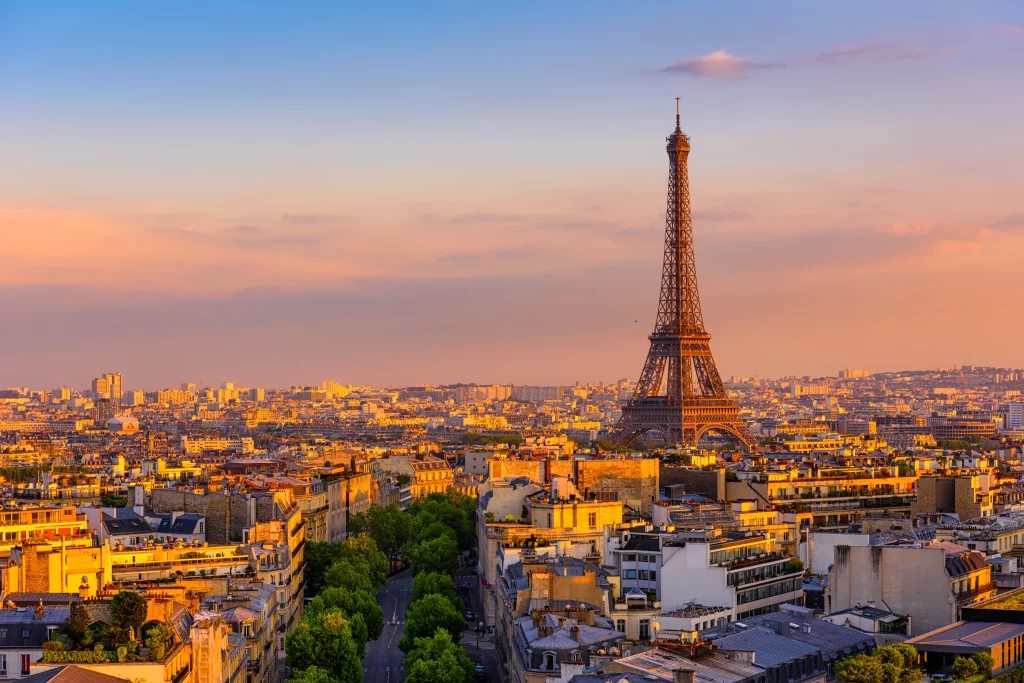
Paris is best left, occasionally. Fifteen destinations within two hours of the capital — for the days when the city should be observed from outside it.
Time to exploreBeyond the périphérique, another France begins.
Paris fills quickly between May and September. Restaurants take three weeks to book, the Louvre fills its 15,000 daily slots by early morning, and the river embankments become a different city. The fifteen destinations below are the ones we travel to when central Paris has been done — or when the city should be observed from outside it.
Marie has visited each one in person, in every season, often many times. The recommendations below assume a private driver-guide, advance booking of restricted sites, and the kind of access that comes from fifteen years of relationships with the people who hold the keys. Distances and travel times assume departure from central Paris by car or rail. For the full private travel programs in France, our team handles transport, entry, guides, lunch, and the precise sequencing that determines how the day actually unfolds.
At a glance Fifteen days out, by reach. Sort by distance Close
Tap any name to jump to its entry.
On the doorstep Under 30 minutes Boulogne-BillancourtDesign & gardens Saint-DenisRoyal tombs Vitry-sur-SeineStreet art Montreuil & VincennesTwo Paris in a day VersaillesRoyal grandeur Parc de SceauxLe Nôtre, untouristed Within the hour 45 minutes – 1 hour Champagne RegionWine Domaine de ChantillyOld Masters & horses GivernyMonet & gardens Auvers-sur-OiseVan Gogh ChartresGothic & stained glass FontainebleauRoyal, lived-in A full day out 2 hours and beyond Loire ValleyRenaissance châteaux NormandyD-Day history LondonBy EurostarLoire Valley
The Loire concentrates more Renaissance architecture along a single river than anywhere in Europe — over 300 châteaux across a 280-kilometer stretch of valley, classified as a UNESCO World Heritage site. A day from Paris allows two, properly.
We typically pair Chambord — François I's hunting estate and the largest of the royal châteaux, with the spiral staircase often attributed to Leonardo — with Chenonceau, the bridge-château known as the Château des Dames for the women who shaped it. Lunch is taken in a vineyard near Vouvray or Montlouis, where the Chenin Blanc producers Marie has worked with for years set the table on their terrace. For visitors who want to add Villandry's gardens or Cheverny's hunting pack, the second day is best taken at a château hotel.
Distance200 km SW Travel time2 hrs by car Best forCastle lovers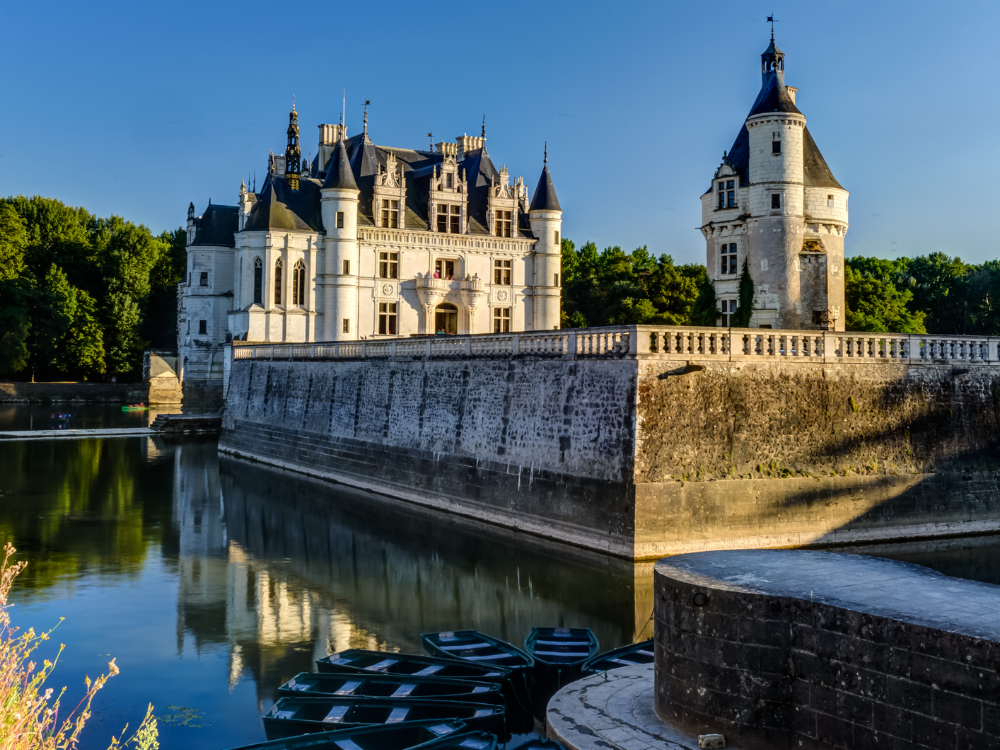 02.
Monet's Garden
02.
Monet's Garden
Giverny
Monet's house and water garden open from late March through October. The grounds receive 600,000 visitors annually, most of them between 11 and 3 in summer. We arrange private early access at 8 a.m., before public opening, with a Monet specialist who walks through what each composition was framing — the Japanese bridge, the wisteria arch, the bamboo grove around the pond.
Lunch follows at the Hôtel Baudy, where the American Impressionist colony lived in the 1890s, or at one of the private residences in the village that occasionally open to our guests. The Musée des Impressionnismes, directly opposite the gardens, holds rotating exhibitions on the Giverny circle; we add it for those who want context beyond the gardens. Half a day at most — easily combined with Vernon or extended toward Rouen.
Distance75 km NW Travel time1 hr by car Best forMonet & gardens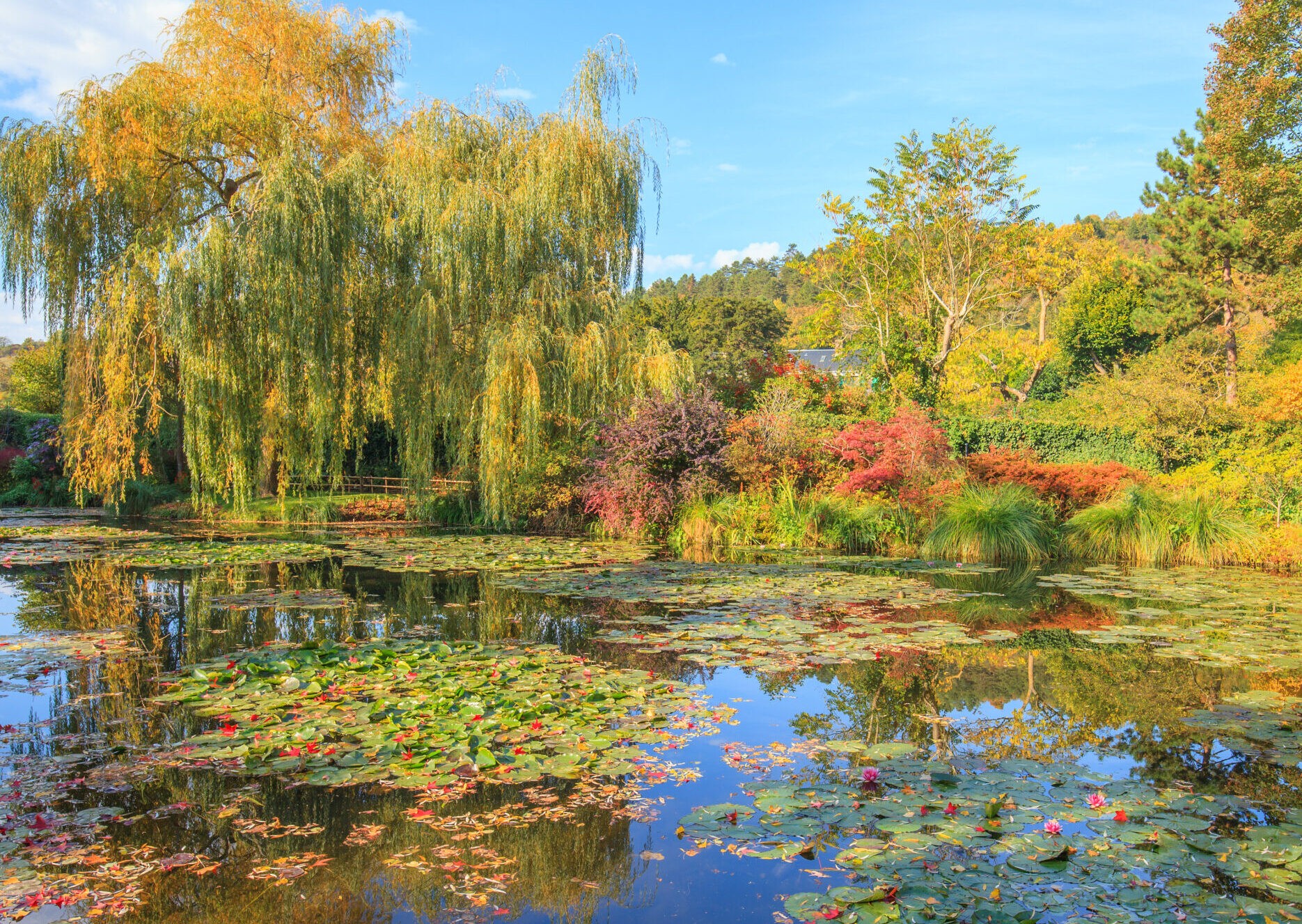 03.
The Sparkling Region
03.
The Sparkling Region
Champagne Region
Two cities, two registers. Reims holds the grandes maisons — Ruinart, Krug, Bollinger, Veuve Clicquot — whose chalk crayères, classified as UNESCO World Heritage in 2015, run kilometers below the city. Épernay and the surrounding villages hold the récoltant-manipulants, the small grower-producers who farm their own fruit and operate on a different scale.
Tastings at the grandes maisons require advance arrangement, sometimes months ahead. The smaller producers we work with — most refuse direct tourism but receive us by name — are where the unexpected pours happen. A complete day combines one grande maison in the morning, a cellar lunch in Hautvillers (the village where Dom Pérignon worked), and one récoltant in the afternoon. The TGV from Gare de l'Est reaches Reims in 45 minutes; we often drive the return so guests can stop at producers along the way.
Distance145 km NE Travel time45 min by TGV Best forWine lovers who go deeper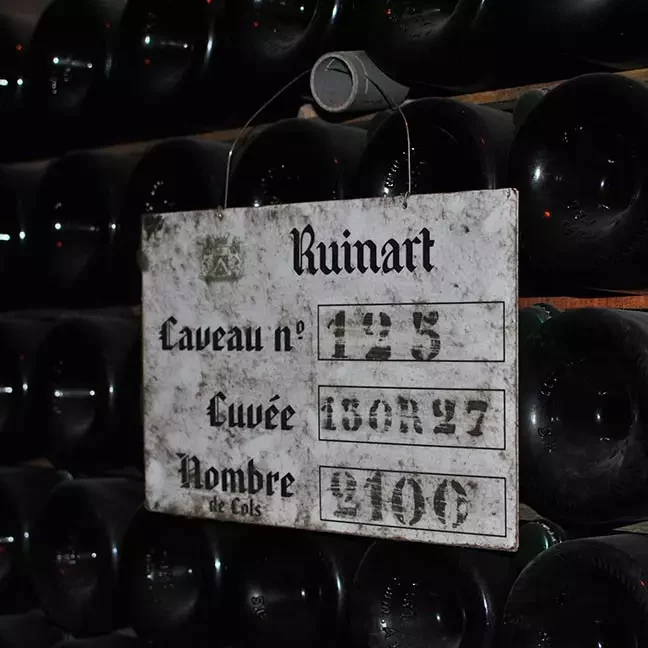 04.
Western Suburb
04.
Western Suburb
Boulogne-Billancourt
A western suburb that holds two cultural anchors. The Albert-Kahn Museum and Gardens preserve Kahn's early 20th-century landscape experiment — four garden styles (French formal, English, Vosges forest, Japanese village) arranged around a Japanese pavilion, alongside the photographic archive that the banker funded to document the world before the First World War.
The Musée des Années Trente holds an underappreciated collection of 1930s French sculpture and painting, in the building that was the city's former chamber of commerce. Both can be done in a morning. We pair the visit with lunch in the Bois de Boulogne — the Pré Catelan if the day calls for it, La Grande Cascade for a more restrained option. A useful choice when central Paris is full or when the day calls for less time on the road.
Distance10 km W Travel time20 min by Metro Best forDesign & gardens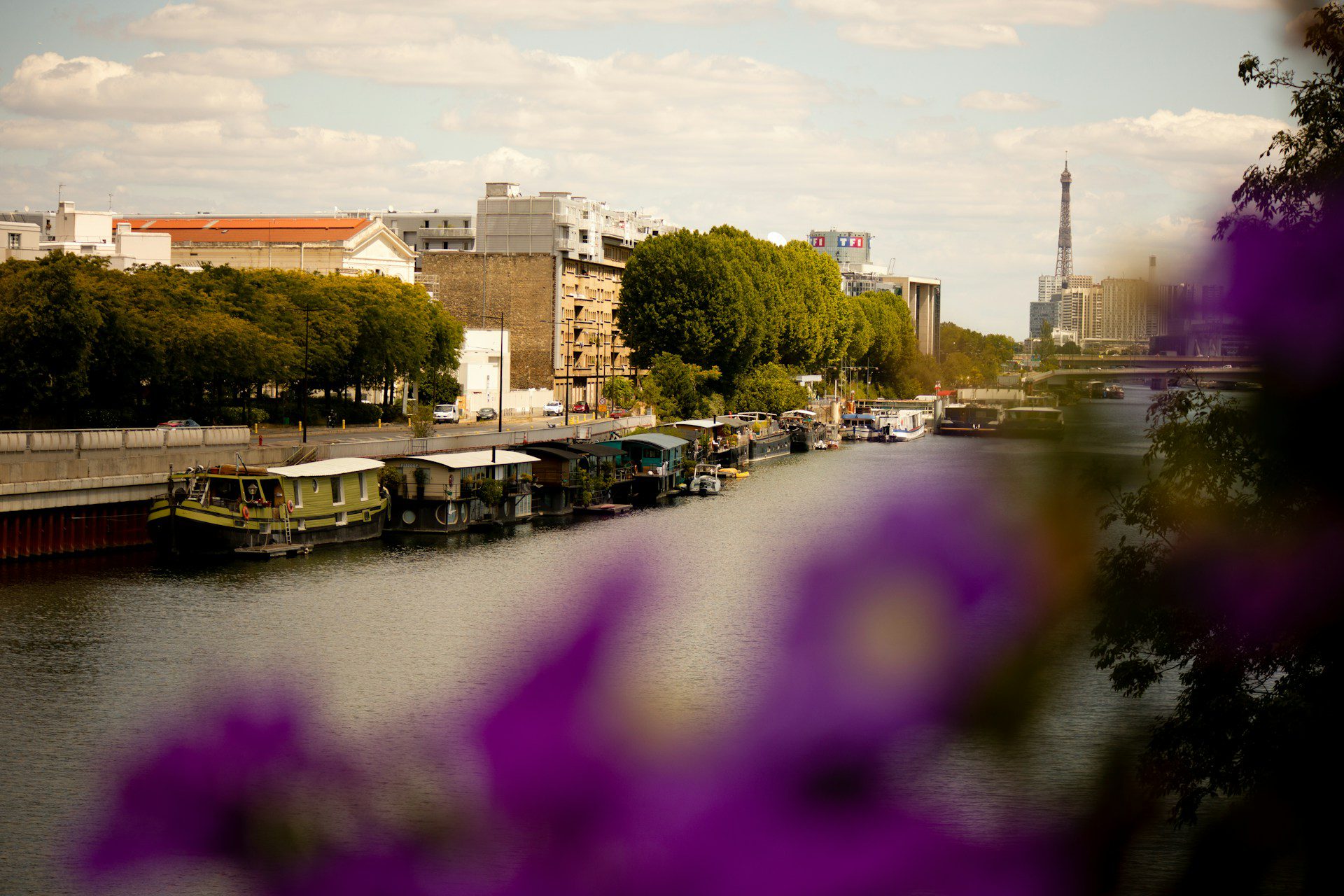 05.
Van Gogh's Final Village
05.
Van Gogh's Final Village
Auvers-sur-Oise
Van Gogh's last seventy days. He arrived in May 1890 from Saint-Rémy, painted seventy canvases in ten weeks, and shot himself in a wheatfield outside town. The Auberge Ravoux, where he rented his attic room, is preserved as he left it; the small cemetery a kilometer up the hill holds his grave next to Theo's.
The Daubigny Museum, the church Van Gogh painted on a sloping street, and the wheatfield where the gunshot was fired are all within walking distance. The town is quiet on weekdays and overwhelmed on summer Sundays — we arrange visits Tuesday through Thursday, often with a Van Gogh historian who has worked the site for two decades. Lunch at the Auberge, in the dining room where Van Gogh ate his last meal, is the appropriate closing of a 6-hour day.
Distance35 km NW Travel time1 hr by train Best forVan Gogh's last days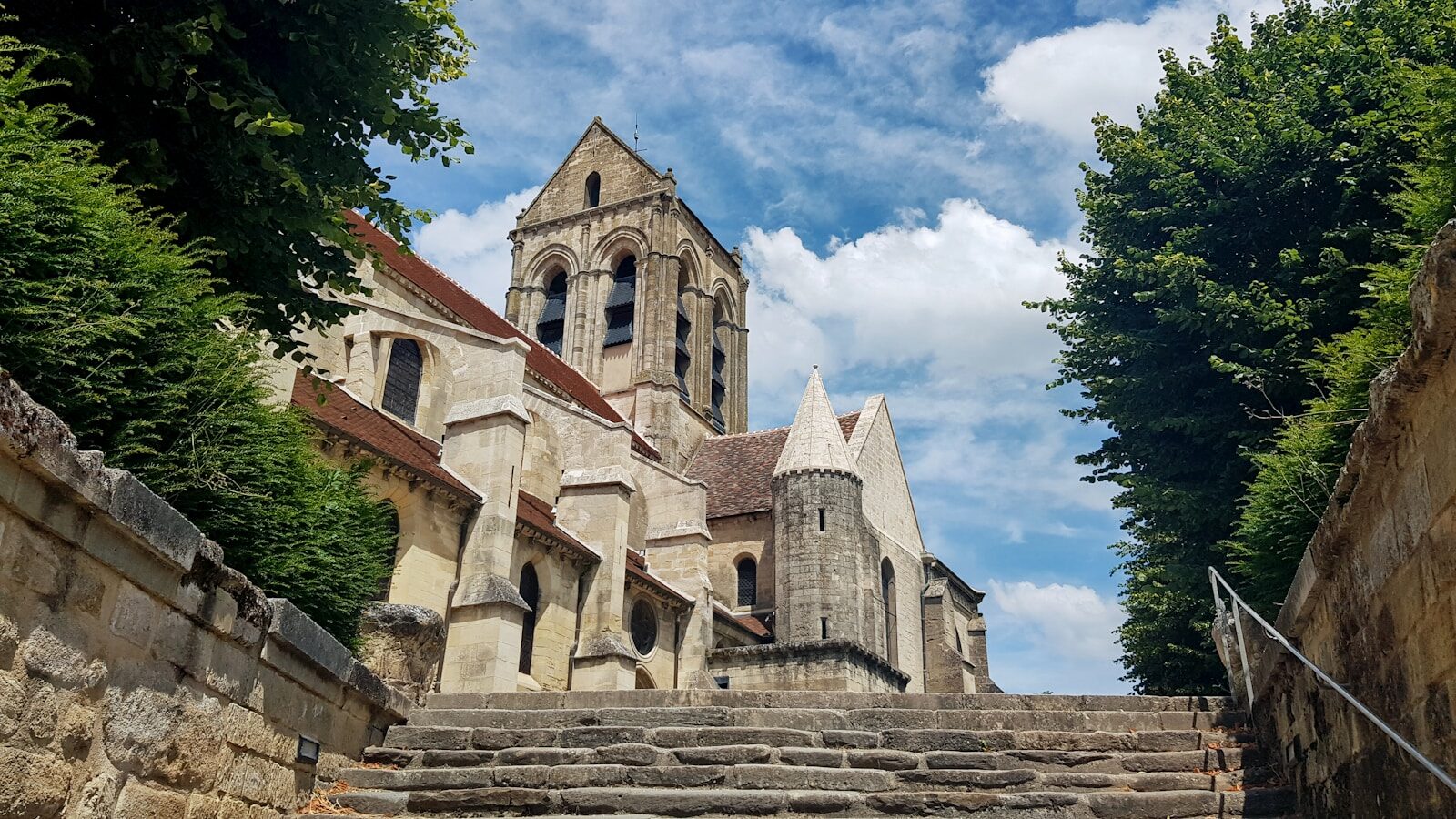
The gardens before they open, a cellar lit just for you, the road home as the light turns gold — some days are worth leaving Paris for.
Plan your day out 06. The Sun King's PalaceVersailles
Most visitors do Versailles badly. They arrive at 11, queue an hour to reach the Hall of Mirrors with 5,000 other people, and leave by 4 having seen the central rooms and the front of the gardens. The version we arrange uses private early-morning access before public opening, with a curator who walks through the King's Apartments and the Hall of Mirrors empty.
Lunch is taken in the Trianon estate — at the small private restaurants that serve the museum staff, or at La Petite Venise on the Grand Canal. The afternoon belongs to the Petit Trianon and the Hameau, Marie-Antoinette's retreat from the court she did not understand. Best done outside July and August, when the gardens are crowded but the fountains are running.
Distance20 km SW Travel time30 min by car Best forRoyal grandeur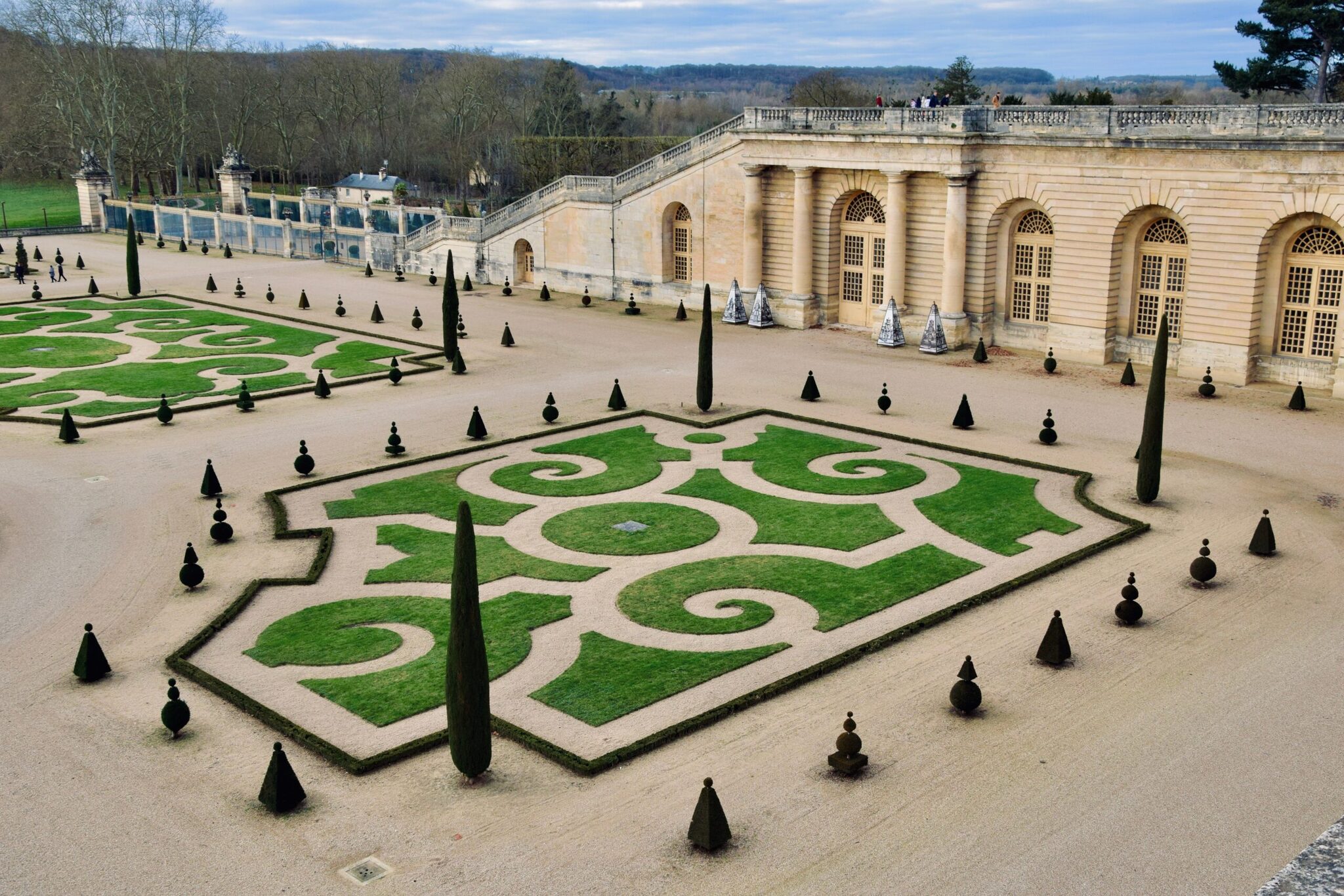 07.
Street Art Capital
07.
Street Art Capital
Vitry-sur-Seine
Considered the largest open-air street-art collection in greater Paris. The municipality backed the C215 project in the 2000s — the French stencil artist Christian Guémy painted 200+ portraits across the town on walls, doors, and infrastructure — and Vitry became a destination for what had been an underground form.
The MAC VAL, the Val-de-Marne's contemporary art museum, sits at the center of town with one of the strongest collections of post-1950 French art outside Paris itself. We arrange walking tours with a guide who has documented the murals as they were painted; the route covers 4-5 kilometers in 3 hours and includes works by Invader, JR's collaborators, and several artists who began in Vitry before showing internationally. A different register entirely from the Marais gallery circuit.
Distance10 km SE Travel time25 min by RER Best forContemporary art 08.
The Gothic Cathedral
08.
The Gothic Cathedral
Chartres
The most complete Gothic cathedral in France. Built between 1194 and 1220 after the previous church burned, with 152 of its original 176 stained-glass windows still in place — the largest surviving 13th-century glass cycle in the world. The labyrinth on the nave floor was uncovered in the 20th century after centuries of being covered by chairs. The cathedral is a UNESCO World Heritage site.
We arrange tours with the team that succeeded Malcolm Miller, the British scholar who explained the windows to four generations of visitors before his retirement. The medieval Bishop's Palace next to the cathedral now houses the Musée des Beaux-Arts, with a collection that includes Holbein and Zurbarán. The lower town, with its watermills along the Eure and the medieval houses on the rue des Écuyers, is worth two hours on its own. The TER from Montparnasse reaches Chartres in 65 minutes.
Distance90 km SW Travel time1 hr by train Best forGothic & stained glass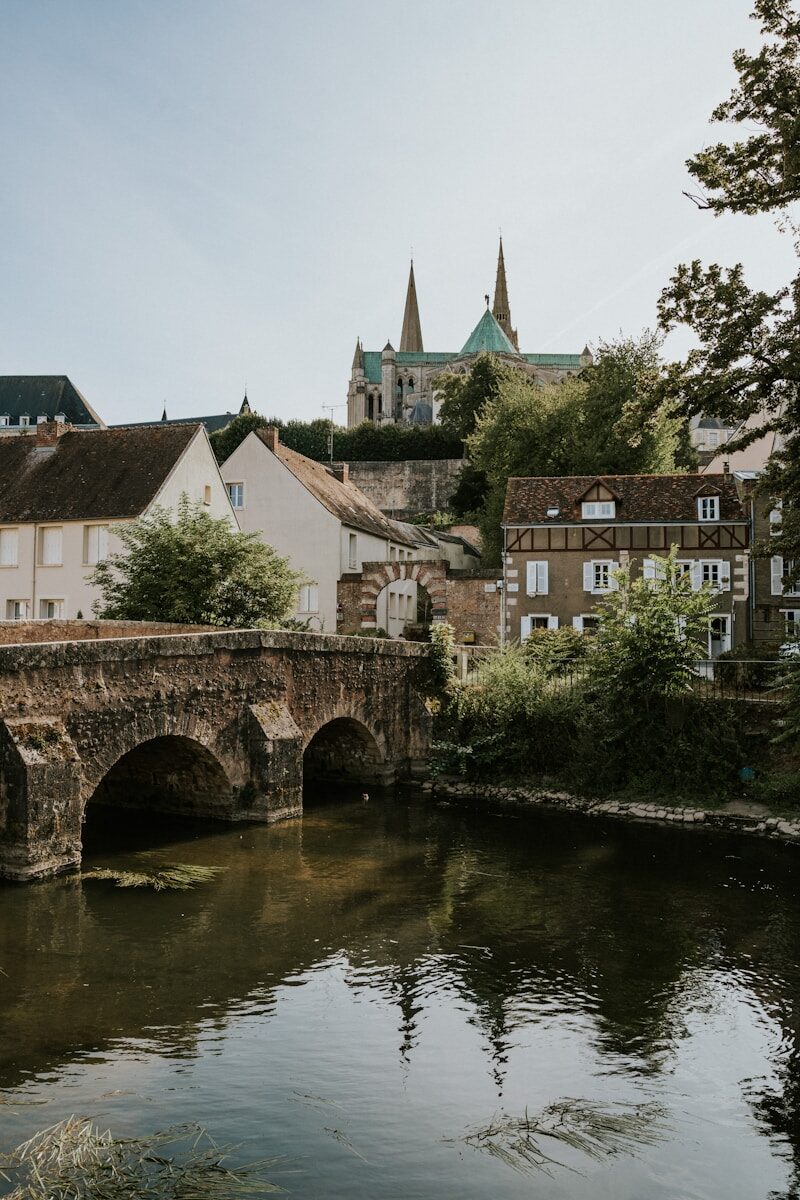 09.
D-Day Beaches & Beyond
09.
D-Day Beaches & Beyond
Normandy
A long day, but the most-requested. The American Cemetery at Colleville-sur-Mer overlooks Omaha Beach and holds 9,388 graves — the men who came ashore on June 6, 1944. Pointe du Hoc, still scarred with naval-bombardment craters, is where the U.S. Rangers scaled the 30-meter cliffs with grappling hooks.
The Caen Memorial provides the strategic context that the beaches do not. We work with two historians — one French, one American — who tailor the day's focus to the visitor's interest. The full Normandy day runs 12 hours door-to-door from Paris. A return via Honfleur (the harbor Boudin and Jongkind painted before they painted Monet) or Étretat (the cliffs Monet returned to throughout his career) allows a Channel-coast lunch on the way back.
Distance240 km NW Travel time2 hr 30 min by car Best forD-Day history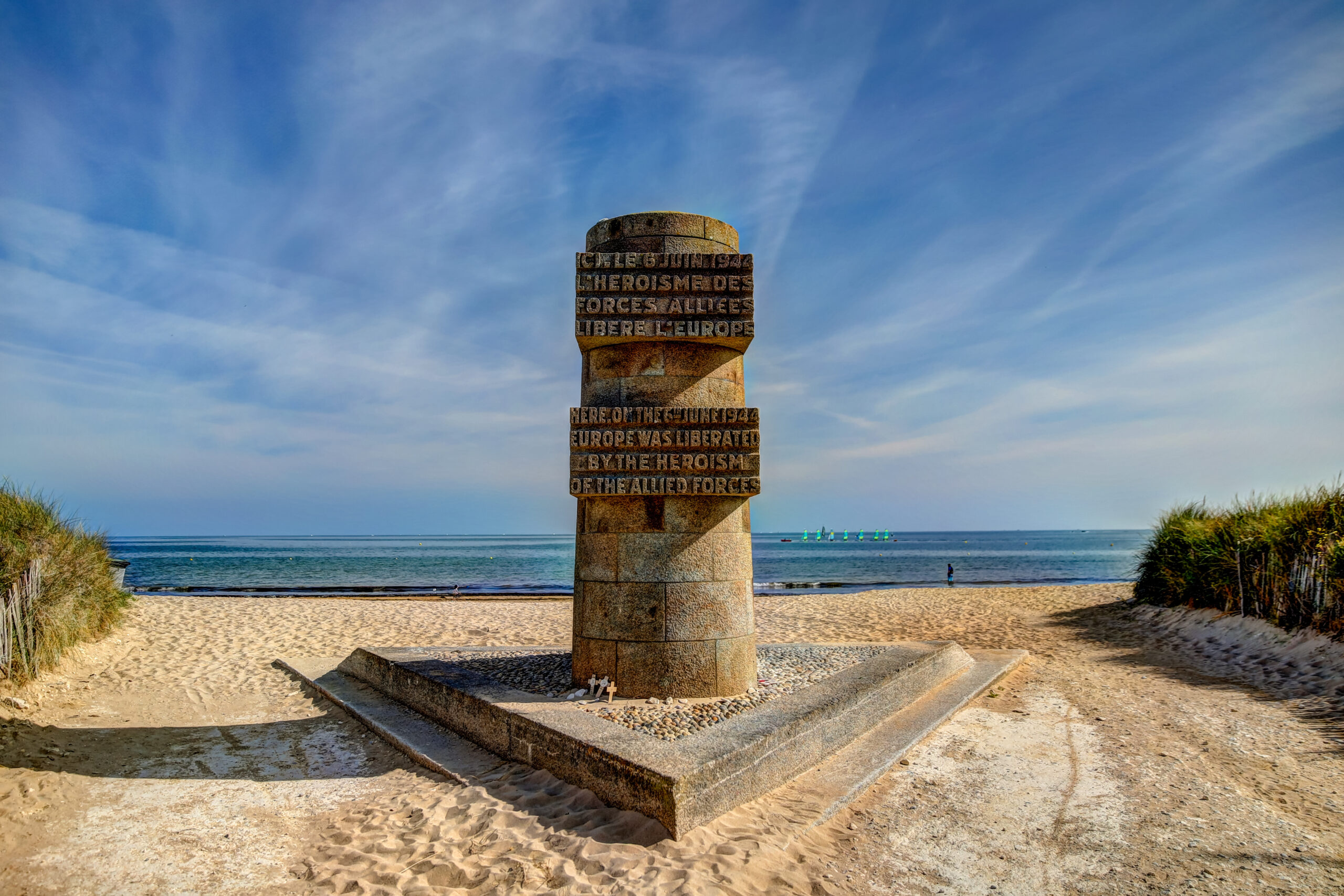 10.
The Royal Forest
10.
The Royal Forest
Fontainebleau
The château housed every French monarch from François I to Napoleon III — eight centuries of continuous royal residence, longer than Versailles by far. The 1,500 rooms include the Galerie François I (the first true French Renaissance interior), the throne room where Napoleon abdicated, and Marie-Antoinette's Turkish Boudoir.
The surrounding 17,000-hectare forest holds the bouldering circuits that put Fontainebleau on the international climbing map in the 1950s, and the equestrian tradition that still runs through the town — we arrange private rides with stables that have served the Garde Républicaine. The château receives a fraction of Versailles' visitors and feels lived-in in a way that Versailles never quite does. A complete day combines a morning at the château, lunch in Barbizon (the painters' village 10 km away), and an afternoon in the forest. The TER from Gare de Lyon takes 40 minutes.
Distance65 km SE Travel time1 hr by car Best forRoyal France, lived-in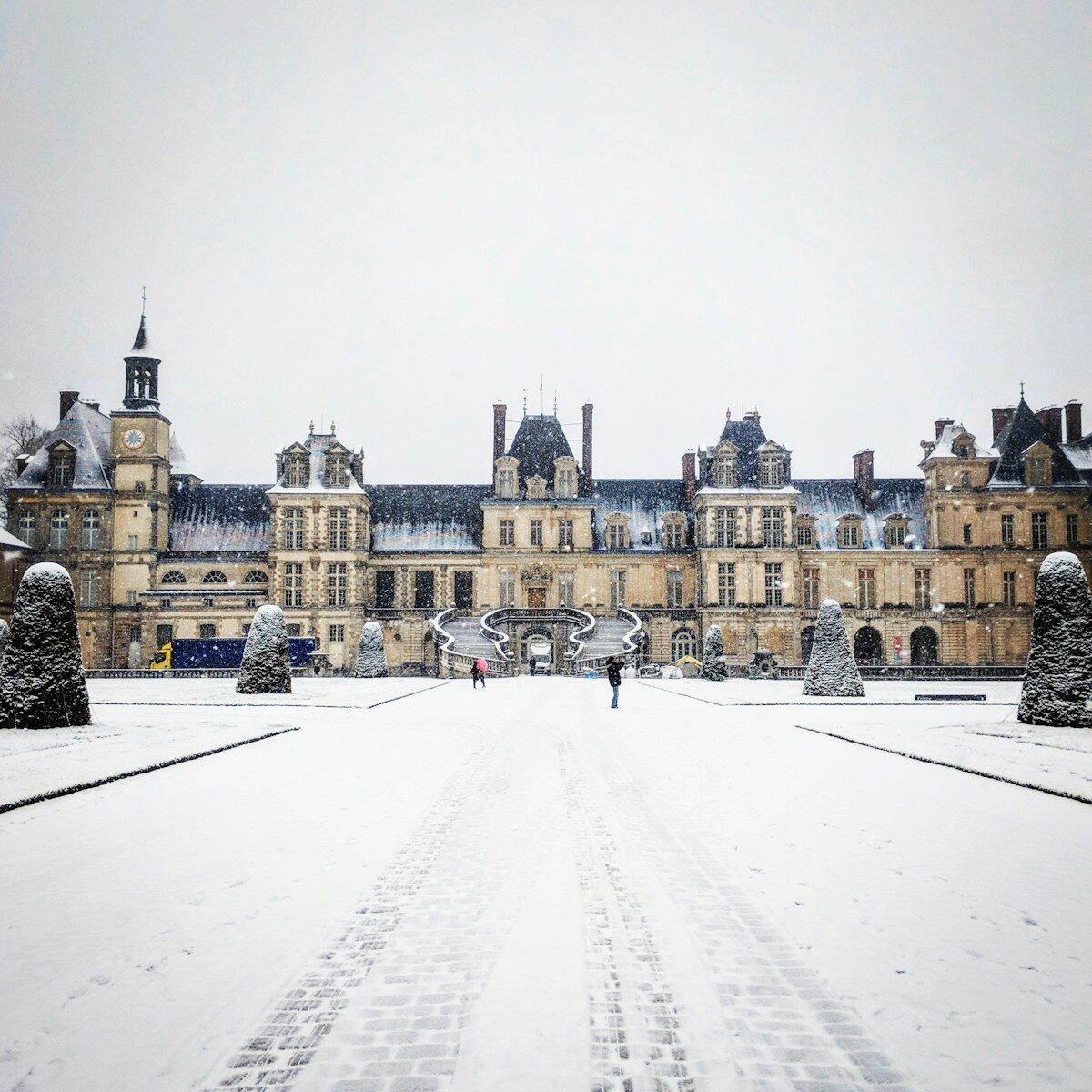
The early hours, the closed doors, the table held in your name — that's the part you can't book online.
Plan your day with Marie 11. The Royal NecropolisSaint-Denis
The royal necropolis of France — 42 kings, 32 queens, and 63 princes and princesses, from Dagobert I in the 7th century to Louis XVIII in 1824. The basilica is also the birthplace of Gothic architecture: Abbot Suger's choir, completed in 1144, was the first building in Europe to use the pointed arches and ribbed vaults that would define cathedral construction for the next four centuries.
We arrange visits with the historian who oversees the royal tomb restoration program — particular detail on the recumbent tombs of Louis XII, Anne of Brittany, and Catherine de Medici. The morning visit pairs with the adjacent Marché Saint-Denis, the largest open market in greater Paris, where regional Sub-Saharan and Maghreb produce sits next to French staples. A 20-minute Metro from central Paris.
Distance10 km N Travel time20 min by Metro Best forRoyal tombs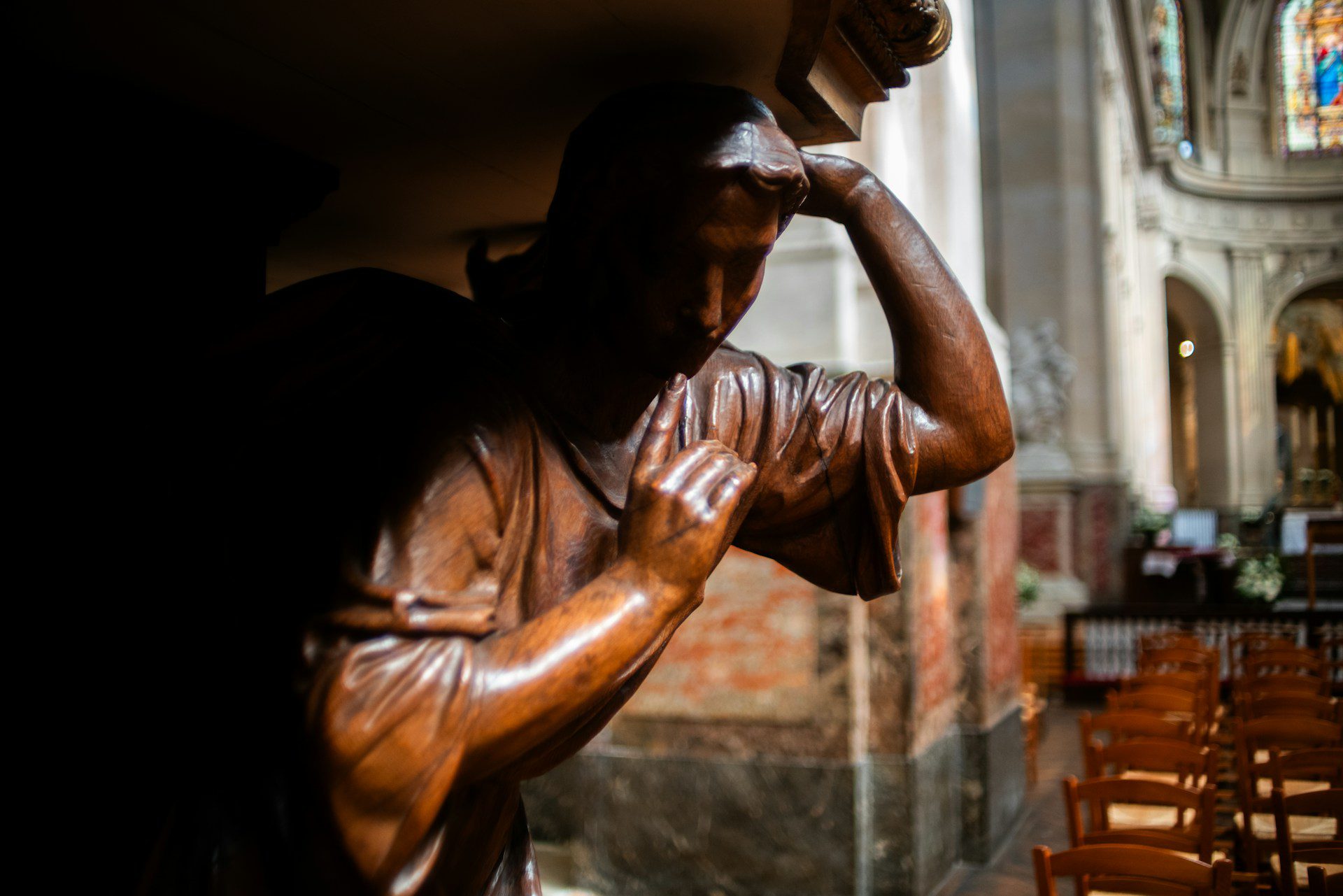 12.
Château, Art, Horses
12.
Château, Art, Horses
Domaine de Chantilly
The duke of Aumale's bequest to the Institut de France in 1886 — the château, the gardens, the stables, and a collection of pre-1850 French paintings second only to the Louvre. The picture galleries hold Raphael's Three Graces, Filippo Lippi's Esther and Ahasuerus, and the only intact Limbourg Brothers manuscript: the Très Riches Heures, kept in a controlled vault and only visible by special arrangement.
The Grandes Écuries — the largest princely stables ever built — were constructed in the 1720s by a prince who believed he would be reincarnated as a horse and wanted to be properly housed. Daily equestrian demonstrations under the rotunda. We arrange private access to the duke's apartments and a tour of the Le Nôtre gardens with the team that maintains the parterres. Lunch at the Capitainerie, in the château kitchens. The 45-minute drive from Paris allows a generous full day.
Distance50 km N Travel time45 min by car Best forOld Masters & horses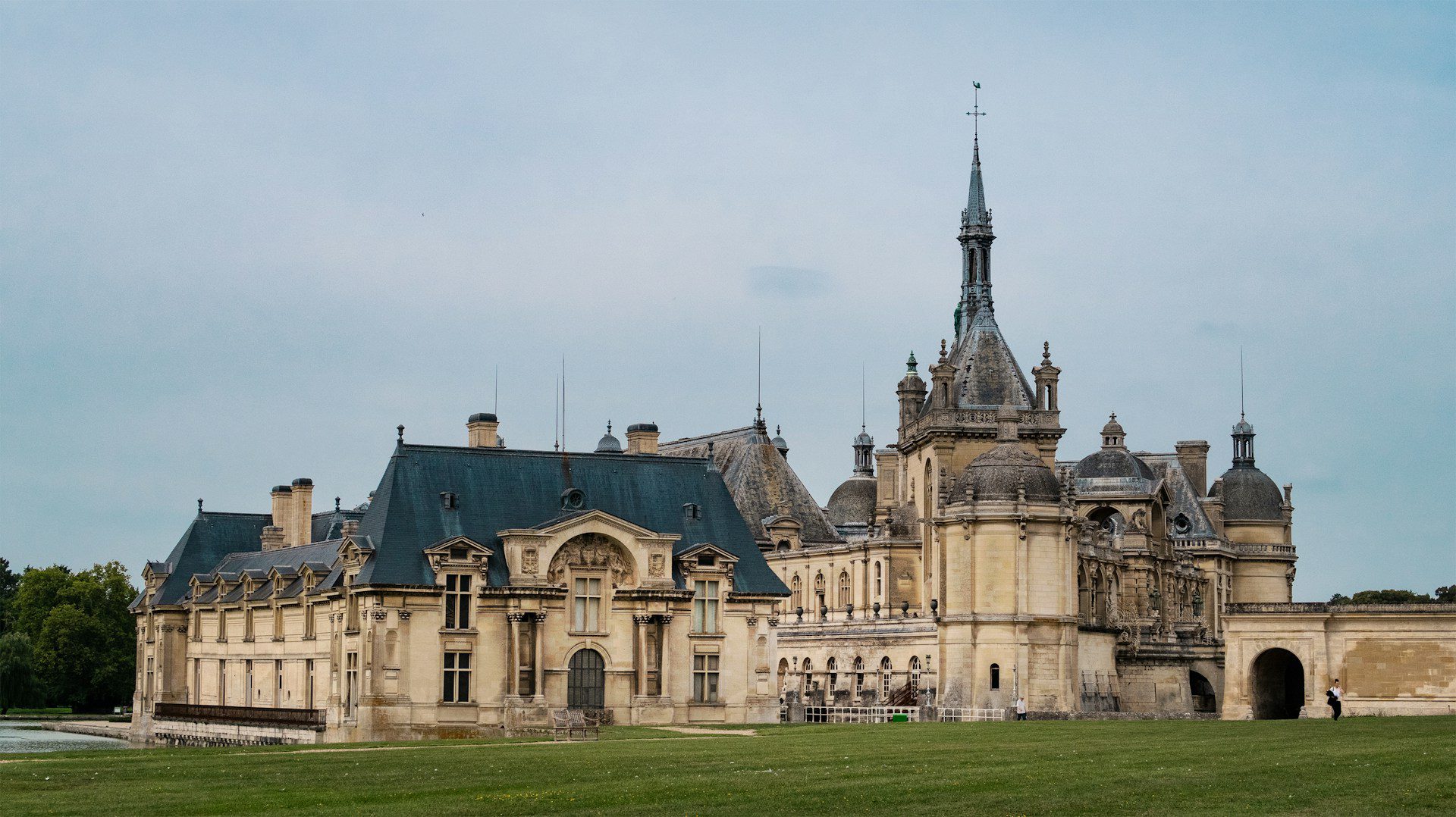 13.
Eastern Edges
13.
Eastern Edges
Montreuil & Vincennes
Two adjacent eastern suburbs, two different reasons to visit. Vincennes holds the medieval royal fortress whose 52-meter keep (the tallest in Europe at its completion in 1370) housed every French king from Charles V to Louis XIV — three centuries before Versailles. The Sainte-Chapelle inside the walls is a reduced version of the Sainte-Chapelle on the Île de la Cité.
Montreuil has become, over the last decade, where the younger Parisian artistic class moved after the Marais became too expensive — the Puces du Lilas (a Sunday market for vintage and design), the Cinéma Méliès, and a high concentration of restaurants run by chefs who left central Paris addresses. We typically program Vincennes in the morning and Montreuil for lunch and the afternoon. A 25-minute Metro from the Marais.
Distance8 km E Travel time25 min by Metro Best forTwo Paris in a day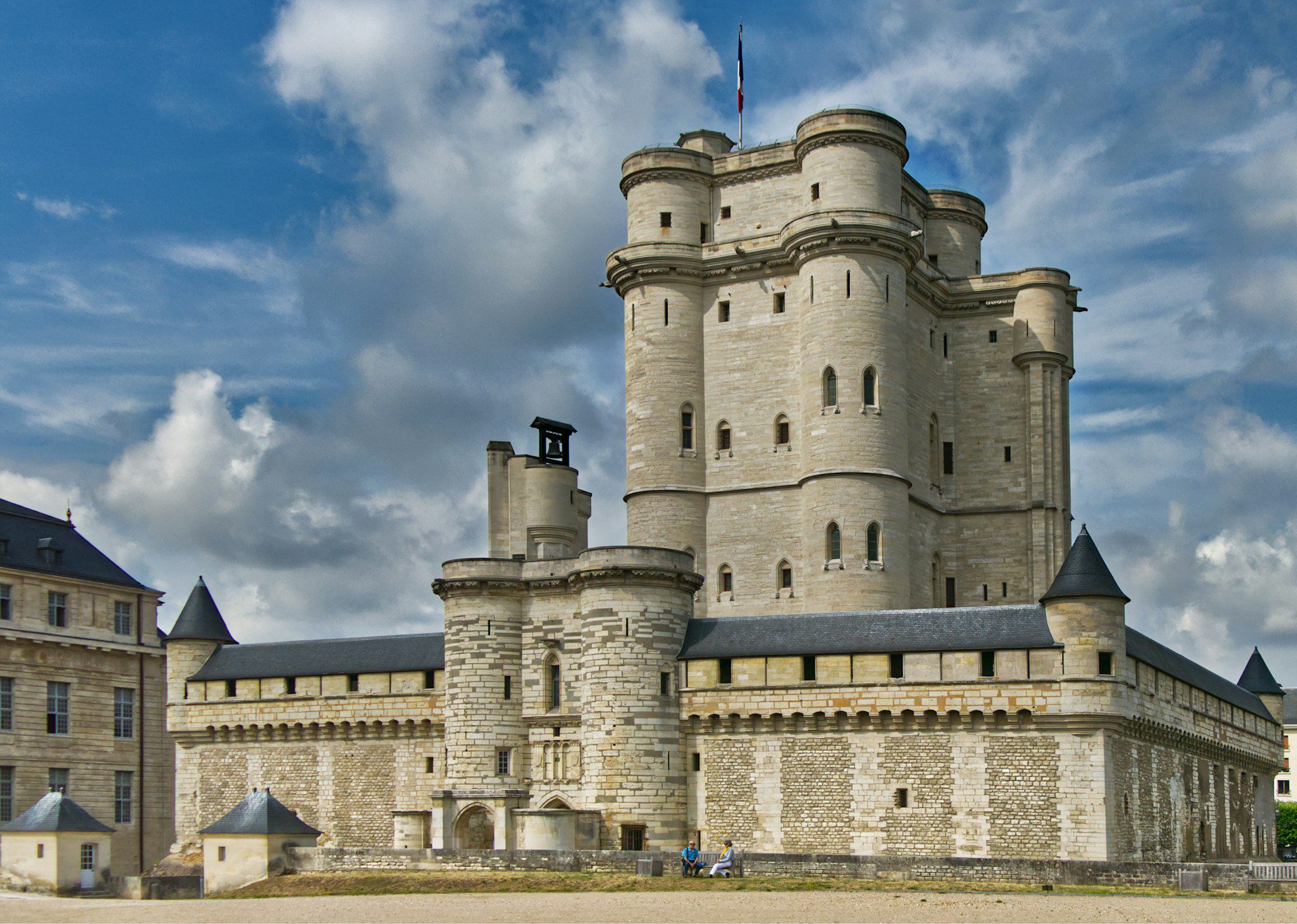 14.
A French Garden, Untouristed
14.
A French Garden, Untouristed
Parc de Sceaux
Le Nôtre's southern garden, designed in 1670 for Colbert before Versailles fully absorbed his time. The 180 hectares are organized around two perpendicular axes, two long water mirrors, and the orangery (used for concerts in summer). Less famous than Versailles, less crowded, and — in late March and early April — host to a cherry blossom orchard near the orangery that equals the displays in Kyoto's Shinjuku Gyoen.
The Musée du Domaine, inside the small replacement château built in 1856 after the revolution destroyed the original, holds a permanent collection on the Île-de-France's aristocratic estate history. We arrange private picnics in the gardens — the Pavillon de Hanovre is reservable for groups. A genuine quiet alternative for clients who have done Versailles.
Distance10 km S Travel time30 min by RER Best forLe Nôtre, untouristed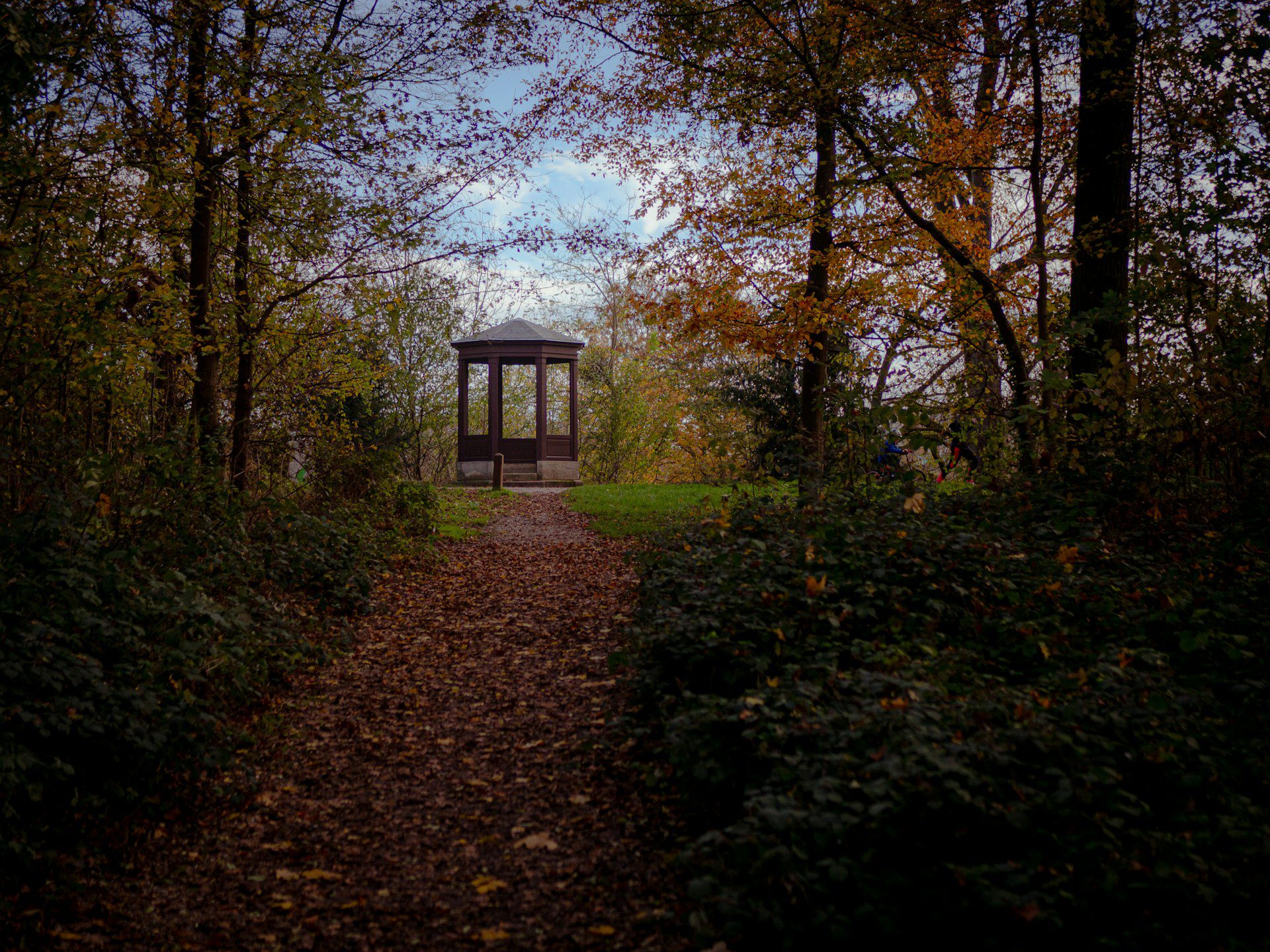 15.
By Eurostar
15.
By Eurostar
London
Two hours twenty minutes from Gare du Nord to St Pancras International via Eurostar. A 7 a.m. departure puts you in central London by 9:30, with a full working day before the 8 p.m. return.
We typically structure: breakfast at Borough Market or Fortnum's, a morning exhibition at the Royal Academy or Tate Modern, lunch in Mayfair (Wilton's, Scott's, or 45 Jermyn Street), an afternoon walk through St James's, and a return train. For visitors with specific interests — auction previews at Sotheby's or Christie's, the Wallace Collection, the Sir John Soane's Museum — we shape the day accordingly through our London partners. The Eurostar journey itself, with the time saved versus flying, makes London more accessible than half the destinations earlier in this list.
Distance340 km NW Travel time2 hr 20 min by train Best forAmbitious day-trippers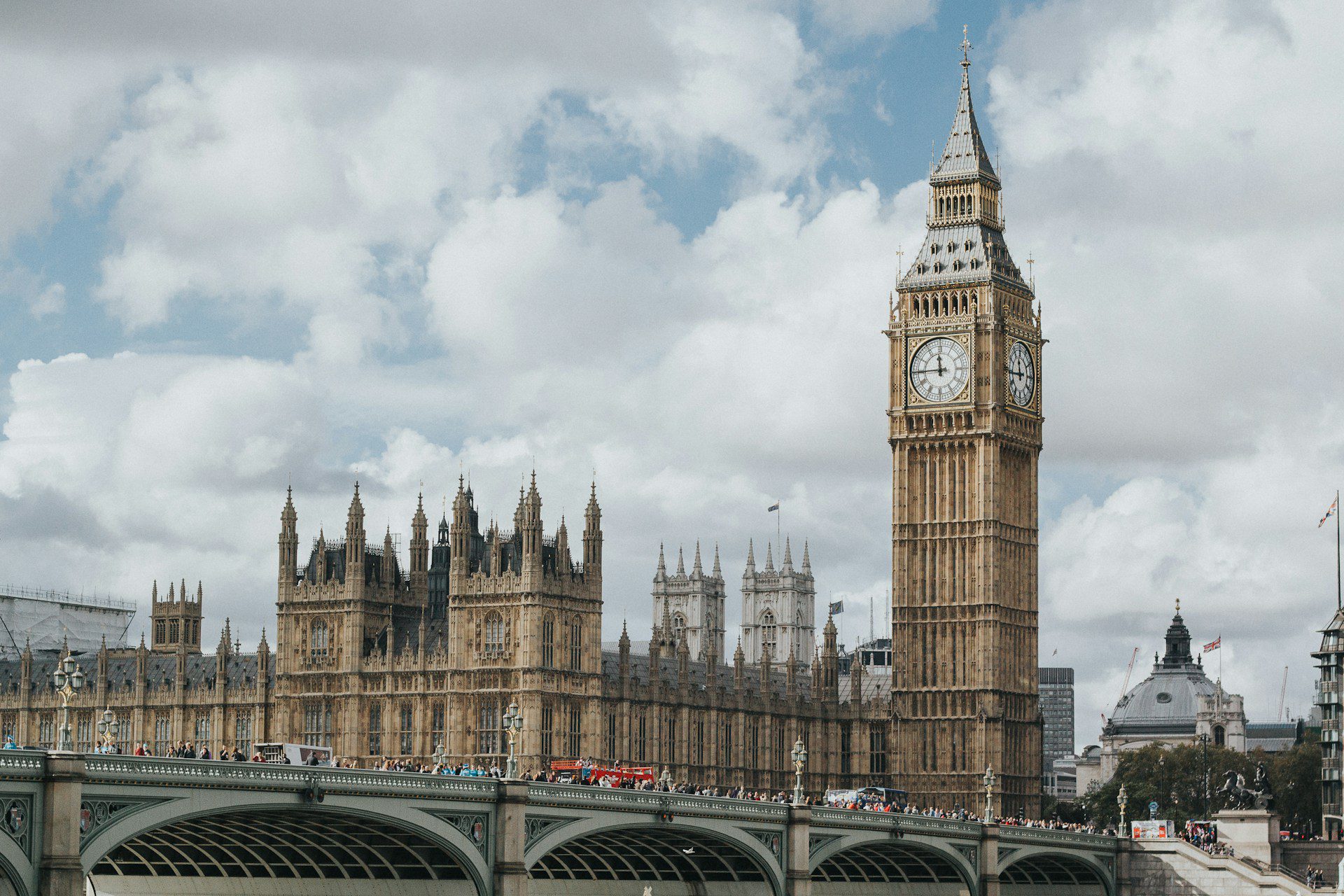 §
Good to know
§
Good to know
Day trips from Paris, answered.
What is the best day trip from Paris?
For most first-time visitors, Versailles and Giverny are the classic choices — both under an hour from central Paris. For wine, the Champagne region (Reims is 45 minutes by TGV); for châteaux, the Loire Valley; for history, the Normandy D-Day beaches. The right one depends on your interests and the season, which is exactly what our private day plans are built around.
Which day trips from Paris can you do by train?
Several. Reims (Champagne) is 45 minutes by TGV from Gare de l'Est, Chartres about 65 minutes from Montparnasse, Fontainebleau 40 minutes from Gare de Lyon, Versailles and Auvers-sur-Oise under an hour, and London 2h20 by Eurostar from Gare du Nord. The Loire Valley and Normandy are better done by car for the flexibility to reach multiple sites in a day.
Can you visit Mont-Saint-Michel as a day trip from Paris?
It is possible but long — roughly 3.5 to 4 hours each way, making for a 13–14 hour day with limited time on site. We generally recommend Mont-Saint-Michel as an overnight, often paired with the Normandy coast or a Loire detour, so you arrive early or stay for the evening once the day crowds have left. If a single day is the only option, we arrange a private driver and timed access to make it work.
Do you need a car for day trips from Paris?
Not always. City and rail-served destinations like Versailles, Reims, Chartres and Fontainebleau are easy by train. But for regions with several stops — the Loire châteaux, the Normandy beaches, the Champagne villages — a private driver-guide lets you combine sites, time entries around the crowds, and stop for lunch with the producers and hosts we work with.
When is the best time of year for day trips from Paris?
Late spring (May–June) and early autumn (September–October) offer the best balance of open sites, running fountains at Versailles, and manageable crowds. July and August are busiest; many gardens (Giverny, Monet's) close from November to late March. We plan visits on weekdays and at private early-access hours to avoid the peak flow.
Begin HereFifteen options. One conversation to choose the right one.
Each destination above is best with the right access, the right guide, and the right timing. Marie designs the entire day — transport, entry, lunch, the precise hours that turn a tourist's visit into a private one. Each day fits naturally inside a longer journey through France, or as the opening of a wider European arc. Marie reads every inquiry herself.
Write to Marie Prefer to browse first? See our private France journeys Written by Marie Tesson Founder · Journeys of a Lifetime Write to Marie