

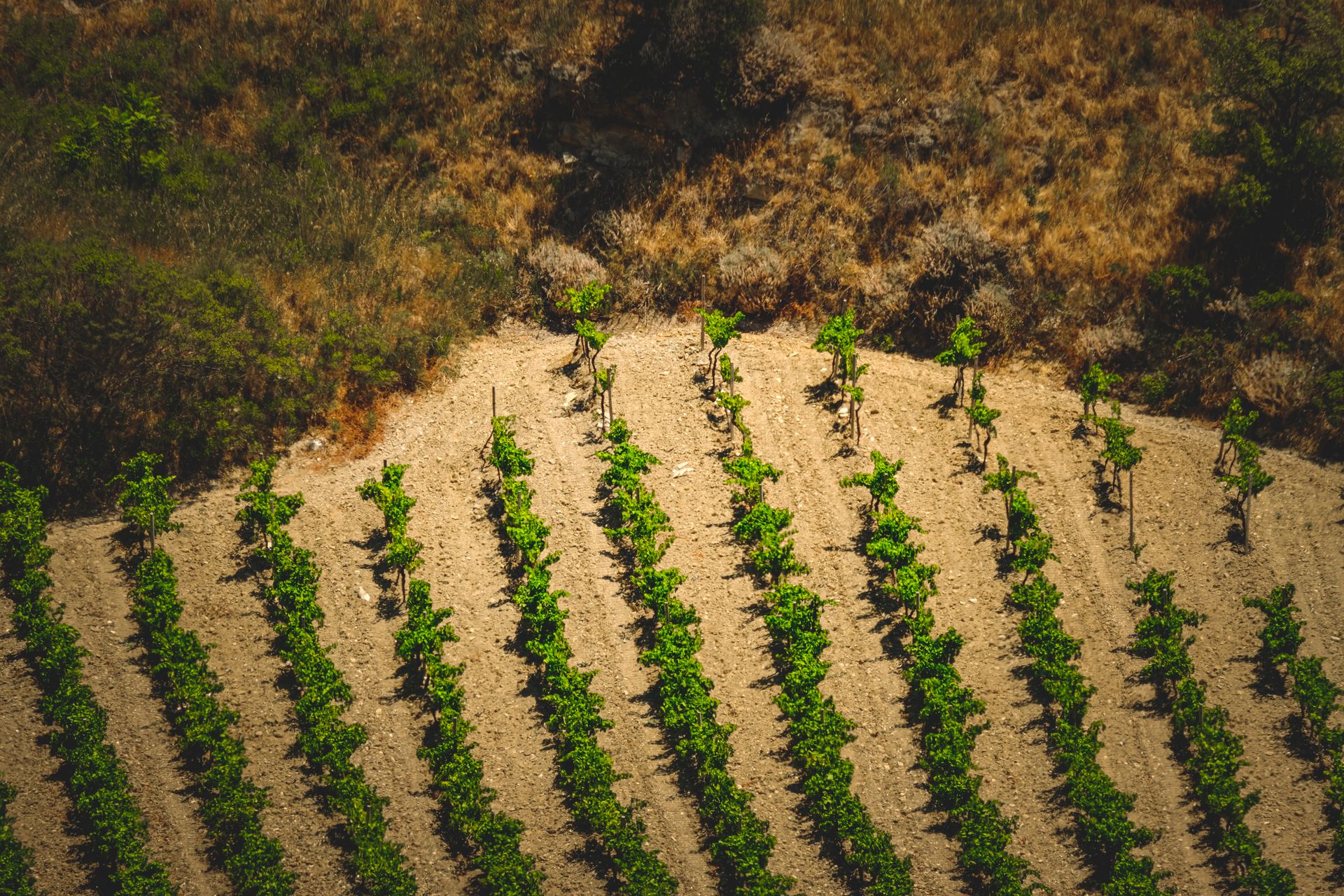
If the Northern Rhône is a solo performance of Syrah, the Southern Rhône is a symphony—a dynamic interplay of grape varieties, terroirs, and winemaking traditions. Here, Grenache takes center stage, supported by Syrah, Mourvèdre, and a dozen other varietals, each contributing its unique note. But the beauty of the Southern Rhône lies not only in its grapes but also in the diversity of its soils and microclimates, each shaping the final blend into a story of balance and expression.
To uncover the true depth of this region, we’ll go beyond the surface of its most famous appellations—Châteauneuf-du-Pape, Gigondas, and Vacqueyras—and delve into the hidden details and human ingenuity that make the Southern Rhône’s wines exceptional.
Châteauneuf-du-Pape: The King of Blends
A Mosaic of Terroirs
While the galets roulés (rounded stones) often dominate conversations about Châteauneuf-du-Pape, they’re only one piece of the puzzle. The appellation’s terroir is incredibly diverse, with vineyards planted on sandy soils, limestone terraces, and red clay mixed with gravel, each contributing something unique to the blends.
- Galets Roulés: Found mainly in the La Crau area, these stones absorb heat during the day and release it at night, helping Grenache reach full ripeness while retaining balance. They also improve drainage, protecting the vines from excessive water during heavy rains.
- Sandy Soils: In areas like Pignan, the wines tend to show more finesse, with brighter red fruit and floral aromas.
- Clay and Limestone: These soils, particularly in cooler zones, add structure and minerality, perfect for Syrah and Mourvèdre.
Each of these terroirs can be vinified and blended separately, allowing winemakers to create nuanced wines that capture the full spectrum of Châteauneuf-du-Pape’s potential. Beyond the physical landscape, the human element has also shaped the region. During the devastating frost of 1956, which wiped out olive trees across the Rhône, many farmers turned to Grenache vines as a replacement. This adaptation not only saved livelihoods but also established Grenache as the backbone of Châteauneuf blends, solidifying its role in defining the appellation’s signature style.
Precision in Blending: Tradition Meets Science
Châteauneuf-du-Pape has long been celebrated for its art of blending, a tradition that not only showcases the diversity of its 13 permitted grape varieties but also reflects the adaptability of the Rhône Valley. This approach contrasts sharply with the mono-varietal wines of regions like Burgundy or the stricter rules in Bordeaux, where blending typically focuses on just a few key varietals such as Cabernet Sauvignon, Merlot, and occasionally Petit Verdot.
Rhône blends, especially in Châteauneuf-du-Pape, rely on the interplay between Grenache’s fruit-forward character, Syrah’s spice and structure, and Mourvèdre’s earthy depth. Other varieties like Counoise and Cinsault add nuance, from floral notes to a vibrant acidity. By including a broad range of grapes, winemakers can achieve exceptional complexity and balance, tailoring blends to reflect vintage conditions or stylistic goals.
Modern winemakers are elevating this traditional art with hyper-specific terroir mapping and plot-by-plot vinification. These methods allow for greater precision, ensuring that the character of each soil type, elevation, and microclimate is expressed. For example:
- Sandy soils might yield a delicate, aromatic Grenache that adds finesse to the blend.
- Limestone terraces could enhance the minerality of Mourvèdre, lending structure and elegance.
- Red clay contributes richness and depth, perfect for anchoring Syrah’s bold profile.
This granular approach enables winemakers to craft blends that transcend the sum of their parts, making each bottle not just a wine but a symphony of the region’s diversity. For instance, Clos des Papes emphasizes purity and elegance in its wines, focusing on capturing the essence of Châteauneuf-du-Pape rather than following fleeting trends. This philosophy underscores the region’s commitment to crafting blends that are not only balanced but also reflective of the winemaker’s vision and the land’s legacy.
Gigondas: Elegance in the Limestone Hills
Terroir at Altitude
Tucked beneath the jagged Dentelles de Montmirail, Gigondas is defined by its higher altitude and limestone-rich soils. This combination creates wines with vibrant acidity, fine tannins, and a freshness that sets them apart from other Southern Rhône appellations.
Gigondas vineyards often see dramatic temperature swings between day and night, a phenomenon that preserves acidity and allows Grenache and Syrah to ripen slowly. This slow ripening builds flavor complexity without sacrificing structure, resulting in wines that are powerful yet refined.
- Spotlight Producer: Domaine Santa Duc, led by Yves Gras, is widely regarded as a benchmark for Gigondas. Their Les Hautes Garrigues cuvée showcases the appellation’s potential for age-worthy wines that balance power and finesse. Their recent embrace of biodynamics has only enhanced the clarity and energy of their wines.
Limestone’s Role in Resilience
In hot vintages, like the historic 2003 heatwave, Gigondas’ limestone soils proved their worth by reflecting sunlight and retaining moisture deep underground. This natural cooling effect helped preserve the wines’ hallmark freshness, even as temperatures soared.
Story Spotlight: The 2022 vintage saw a similar phenomenon, with Gigondas emerging as one of the Rhône’s shining stars despite challenging heat conditions. Producers like Domaine du Cayron noted that their higher-altitude vineyards gave their Grenache a lift that many lower-lying appellations couldn’t achieve.
Vacqueyras: The Underdog with Depth
A Terroir of Contrast
While often overlooked, Vacqueyras offers some of the most intriguing wines in the Southern Rhône. Its terroir combines the ruggedness of its stony hillsides with the elegance of its clay and limestone soils, producing wines that are bold yet balanced.
Grenache is still the dominant player here, but Syrah and Mourvèdre take on a more prominent role, contributing darker fruit flavors, peppery spice, and a muscular structure that distinguishes Vacqueyras from its neighbors.
AOC Status and Experimentation
Vacqueyras was only elevated to AOC status in 1990, a relatively recent recognition that has allowed for greater experimentation. Freed from the constraints of long-established traditions, winemakers have embraced creative approaches, from extended maceration to innovative aging techniques.
- Spotlight Producer: Montirius, one of Vacqueyras’ most respected biodynamic estates, crafts wines with incredible purity. Their Le Clos cuvée, made from old-vine Grenache and Syrah, offers a perfect example of the depth and elegance that Vacqueyras can achieve.
A Tale of Terroirs: Complexity in Every Bottle
The Southern Rhône thrives on its diversity—of soils, microclimates, and winemaking philosophies. From the heat-retaining galets roulés of Châteauneuf-du-Pape to the limestone elegance of Gigondas and the rugged hillsides of Vacqueyras, each appellation contributes a distinct voice to the region’s symphony of blends.
“The Southern Rhône is the canvas,” says Jancis Robinson, “and its winemakers are the artists. The diversity of terroirs gives them an infinite palette to work with, creating wines that are as individual as they are expressive.”
Each bottle from this region is a story waiting to be told—a story of resilience, creativity, and the unshakable bond between land and people. To drink a Southern Rhône blend is to taste not just wine, but the soul of the Rhône Valley.