

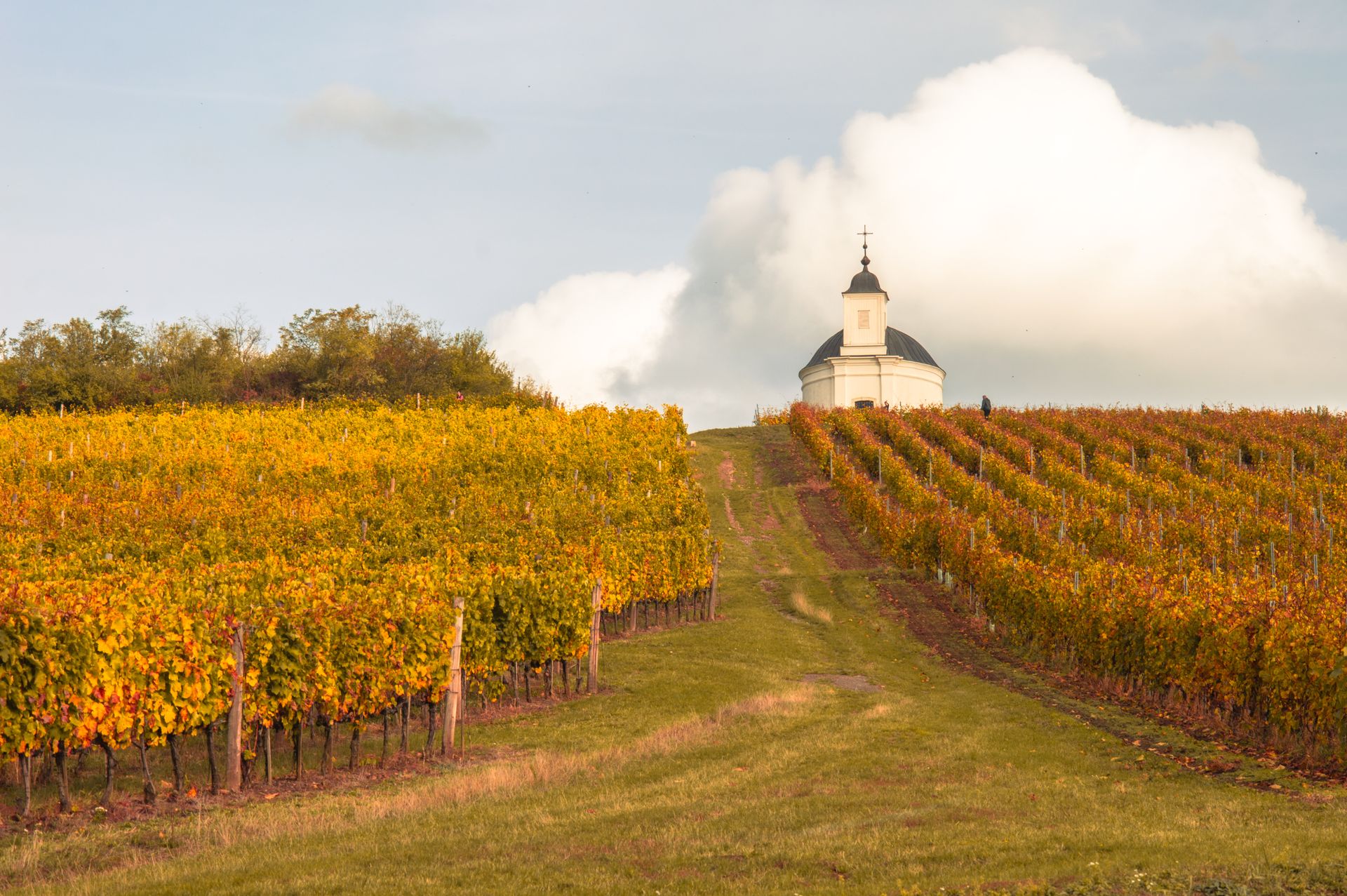
The Mistral, more than a meteorological phenomenon, is the Rhône’s invisible winemaking ally.
The Mistral’s Effects
The Mistral, a powerful wind sweeping through the Rhône Valley, is far more than a meteorological curiosity. This fierce, dry wind shapes not only the landscape but also the health and quality of the region’s vineyards. Its effects are profound, providing both challenges and unique advantages that Rhône winemakers have harnessed for centuries.
Vineyard Health: A Natural Defense Mechanism
The Mistral plays a critical role in maintaining vineyard health, acting as nature’s own fungicide. By rapidly drying vines after rainfall, it prevents the buildup of moisture that fosters rot and mildew, two significant threats in viticulture.
Reduction in Chemical Dependency:For organic and biodynamic winemakers, the Mistral is a vital ally. It minimizes the need for chemical fungicides, allowing them to adhere to sustainable farming practices while maintaining vine health.
Example: In 2022, the Rhône faced an unusually wet spring, with rain falling at critical stages of vine growth. While neighboring regions like Languedoc struggled with widespread mildew, winemakers in Châteauneuf-du-Pape reported a 30% reduction in fungal diseases compared to untreated vineyards, crediting the drying power of the Mistral.
Preserving Fruit Integrity:The Mistral’s drying effect extends beyond disease prevention. By maintaining clean, dry clusters, the wind ensures that grapes reach harvest without contamination, preserving the purity of their flavors.
A Shield Against Frost:While less common, frost is a threat in early spring. The Mistral’s strong air currents help moderate temperatures by preventing cold air from settling in low-lying vineyards, offering additional protection during critical budding periods.
Flavor Concentration: Enhancing Acidity and Complexity
The Mistral’s influence doesn’t stop at protecting the vines—it also contributes significantly to the sensory qualities of Rhône wines.
Regulating Ripening:By cooling the vineyards, especially during warm summer days, the Mistral slows grape ripening. This extended growing period allows flavors to develop more fully, leading to wines with greater depth and complexity.
Enhanced Acidity: The cooling effect preserves acidity in the grapes, a crucial component for balance, particularly in Rhône whites like Viognier and Grenache Blanc, as well as reds like Syrah.
Thickening Skins:Constant exposure to the wind encourages the grapes to develop thicker skins as a protective measure. Thicker skins mean higher concentrations of tannins, anthocyanins (color compounds), and phenolics, which translate into wines with richer color, structure, and age-worthiness.
Illustration: The tannic backbone of Côte-Rôtie Syrahs or the vibrant hues of Châteauneuf-du-Pape Grenache are often attributed, in part, to the Mistral’s influence.
A Balancing Force in a Changing Climate
As global temperatures rise, the Mistral’s cooling influence becomes increasingly valuable.
Combating Heat Stress:In recent years, extreme heat waves have posed challenges for winemakers, causing accelerated ripening and potential imbalances in sugar and acidity levels. The Mistral’s cooling effect mitigates these risks, ensuring that grapes ripen at an optimal pace.
2020 Example: During a summer heatwave, vineyards exposed to consistent Mistral winds maintained acidity levels 15% higher than those in more sheltered areas, as reported by Inter Rhône.
Consistency Across Vintages:The Mistral’s presence contributes to a sense of stability, providing a counterbalance to the Rhône’s diverse and sometimes unpredictable weather patterns. For winemakers and collectors alike, this consistency enhances the reliability of Rhône vintages.
The Science Behind the Wind
The Mistral originates from a pressure difference between the Bay of Biscay and the Mediterranean, funneling cool air down the Rhône Valley at speeds often exceeding 100 kilometers per hour.
These powerful gusts have a drying effect on both air and soil, reducing humidity levels significantly and creating an environment less hospitable to vineyard pests and diseases.
The Mistral as a Tool for Sustainability
By naturally addressing some of the most persistent challenges in viticulture—disease, ripening imbalance, and heat stress—the Mistral supports the Rhône’s growing movement toward organic and biodynamic practices.
Environmental Impact:Reduced chemical use translates into healthier soils, cleaner ecosystems, and lower carbon footprints for winemakers embracing sustainable methods.
Economic Benefits:By minimizing disease-related losses, the Mistral ensures higher yields of healthy fruit, reducing financial risks for growers, particularly in challenging vintages.
The Mistral is not just a wind—it’s a cornerstone of Rhône winemaking, offering a unique combination of protection and enhancement. By safeguarding vineyard health and elevating the sensory qualities of the wine, it exemplifies how nature and tradition intertwine to shape the Rhône’s extraordinary legacy.
The Mistral in History
The Mistral’s storied presence in the Rhône Valley is deeply woven into the region’s history and culture. This powerful wind, with its cleansing and transformative qualities, has been revered for centuries, not just as a meteorological phenomenon but as a near-mythical force shaping the lives of those who live and farm in its path.
The Romans and the Divine Protector
The ancient Romans, who planted some of the earliest vineyards in the Rhône Valley, recognized the Mistral’s profound impact on agriculture. To them, this wind was more than a natural occurrence—it was a gift from the gods.
The Name and Mythology:The name “Mistral” comes from the Latin word magistralis, meaning “masterly” or “majestic,” underscoring the wind’s dominance in the region. Romans believed the Mistral had divine origins, a protective force that safeguarded their crops from disease and ensured bountiful harvests.
Cultural Practices: Romans often performed rituals to honor the wind, leaving offerings to appease what they saw as a temperamental yet benevolent deity.
Vineyards Under Roman Influence:The Romans were among the first to recognize the Rhône’s potential as a wine-producing region, and they relied on the Mistral to maintain the health of their vineyards. Their advanced irrigation and drainage systems were designed with the wind’s effects in mind, ensuring that rainwater was effectively managed while the drying wind kept rot and mildew at bay.
A Legacy of Resilience:Roman engineering and agricultural practices, influenced by the Mistral, laid the foundation for the Rhône’s enduring reputation as a region of robust, high-quality wines.
Medieval Lore: The Wind’s Mystical Power
During the Middle Ages, the Mistral’s influence extended beyond agriculture into folklore and superstition. Medieval inhabitants of the Rhône Valley saw the wind as a powerful force capable of driving away not just disease but also malevolent spirits.
Spiritual Cleansing:The Mistral’s arrival after periods of stagnation and humidity was often viewed as a sign of renewal. Farmers believed it carried away bad omens, clearing the air both literally and metaphorically.
Seasonal Marker:The wind was also used as a natural calendar, with its seasonal patterns guiding planting and harvesting schedules. Monks tending vineyards in abbeys like those in Châteauneuf-du-Pape recorded the Mistral’s movements meticulously, using its cycles to determine the best times for key vineyard tasks.
A Symbol of Regional Identity
As winemaking in the Rhône matured, the Mistral became a defining element of the region’s identity, celebrated in literature, art, and daily life.
In Provençal Culture:In the Provençal language, the Mistral is referred to as lou mistrau. Poems and songs often personify the wind, portraying it as a wild yet nurturing spirit that shapes the land and its people.
Example: Frédéric Mistral, the Nobel Prize-winning poet named after the wind, wrote extensively about its role in Provençal life, highlighting its impact on everything from agriculture to folklore.
A Force of Unity:For centuries, the Mistral has been a shared experience for those in the Rhône Valley, creating a sense of community among farmers and winemakers who rely on it to sustain their livelihoods.
The Modern Perspective: Partner in Winemaking
Today, the Mistral is celebrated as a winemaker’s partner, a natural ally in crafting wines that reflect the Rhône’s unique terroir.
Sustainability and Innovation:Modern winemakers, inspired by the historical relationship between the Mistral and the land, have embraced the wind as a cornerstone of their sustainable practices. Its ability to dry vineyards reduces the need for synthetic treatments, aligning with the organic and biodynamic principles that are gaining prominence in the Rhône.
A Selling Point for Collectors:The Mistral’s role in shaping Rhône wines is often highlighted in marketing to collectors and connoisseurs. Its influence is positioned as a unique factor that enhances the wines’ balance, structure, and aging potential.
Cultural Continuity
From the vineyards of ancient Rome to the biodynamic estates of today, the Mistral remains a constant presence in the Rhône Valley’s winemaking story. Its dual role as a historical symbol and a practical asset underscores its enduring significance.
In the words of a local saying: “Quand le mistral souffle, la vigne chante”—“When the Mistral blows, the vine sings.” This poetic sentiment captures the wind’s transformative power, a force that has shaped the Rhône’s vineyards and culture for millennia.
Voices of the Rhône
The Mistral is more than just a natural phenomenon—it’s a defining force that has shaped the Rhône Valley’s viticulture and terroir. Over centuries, winemakers have developed a profound respect for this relentless wind, which both challenges and benefits their craft. Among those who celebrate the Mistral’s role in the vineyard is Jean-Luc Colombo, a modernist winemaker based in Cornas. His perspective, along with others in the Rhône, offers a unique insight into how this wind influences winemaking and elevates the region's wines.
Jean-Luc Colombo: A Champion of Modern Rhône Winemaking
Jean-Luc Colombo, often referred to as the "modernist of Cornas," is renowned for his innovative approach to Syrah. Known for crafting sleek, elegant wines that stand out in a traditionally rustic region, Colombo is deeply attuned to the Mistral's impact on his vineyards and wines.
“The Rhône’s Air Conditioning”:Colombo affectionately describes the Mistral as “the Rhône’s air conditioning,” a nod to its cooling influence during the hot growing season. This metaphor captures the wind’s critical role in moderating vineyard temperatures, ensuring Syrah maintains its hallmark freshness and vibrancy.
Preserving Elegance in Syrah:The Mistral’s cooling effect slows the ripening of grapes, allowing them to develop complex flavors without losing acidity. For Colombo, this balance is essential in creating wines that are refined and age-worthy.
Example: Colombo’s flagship wine, Les Ruchets, a single-vineyard Cornas Syrah, exemplifies the harmony of ripe fruit and bright acidity made possible by the Mistral’s influence.
Innovation in Harmony with Tradition:As a modernist, Colombo embraces technological advancements in winemaking but attributes much of his success to working in harmony with natural forces like the Mistral. His vineyards are strategically planted in areas exposed to the wind, maximizing its benefits for vine health and fruit quality.
Other Voices: A Regional Chorus
While Colombo’s admiration for the Mistral is perhaps the most vocal, he is not alone in celebrating its virtues. Winemakers across the Rhône Valley share a collective appreciation for this unique wind and its multifaceted benefits.
Michel Chapoutier (Hermitage):Chapoutier credits the Mistral with contributing to the longevity and structure of his Syrahs from Hermitage, noting that the wind’s drying effect reduces disease pressure and enhances the purity of the fruit.
François Villard (Northern Rhône):In the steep terraces of Condrieu, Villard relies on the Mistral to maintain Viognier’s balance, ensuring it retains sufficient acidity to counteract the variety’s natural tendency toward opulence.
Laurence Féraud (Southern Rhône):In Châteauneuf-du-Pape, Féraud of Domaine du Pegau highlights the Mistral’s role in maintaining the health of Grenache vines, which are particularly vulnerable to mildew. “Without the Mistral,” she says, “our Grenache would not thrive the way it does.”
The Science Behind the Admiration
Winemakers’ respect for the Mistral isn’t just anecdotal—it’s supported by tangible benefits that have been observed and measured over time:
Enhanced Aromatics:By slowing ripening and preserving acidity, the Mistral contributes to the development of vibrant aromatics in Rhône wines. In Syrah, this means heightened notes of blackberry, violet, and pepper; in Grenache, it enhances red fruit and herbal undertones.
Greater Age-Ability:Wines from regions with strong Mistral exposure, such as Cornas and Châteauneuf-du-Pape, tend to have higher natural acidity and structural integrity, key components for aging potential.
A Modern Appreciation for an Ancient Force
For Jean-Luc Colombo and his peers, the Mistral is not merely a natural phenomenon—it’s an active participant in the art of winemaking. Colombo’s playful description of the wind as “air conditioning” belies a deeper reverence for its role in crafting wines that are both vibrant and enduring.
As the Rhône Valley faces the challenges of climate change, winemakers’ ability to adapt to and harness the Mistral will continue to define the character and quality of the region’s wines. Voices like Colombo’s remind us of the delicate interplay between nature and craftsmanship that makes the Rhône so exceptional.
A Vintage Saved by Wind
The 2022 vintage in the Rhône Valley stands as a testament to the Mistral’s vital role in protecting and enhancing vineyards. Marked by unusually heavy spring rains, the growing season presented significant challenges for winemakers across France. Yet, while neighboring regions like Languedoc suffered from widespread mildew and crop loss, the Rhône thrived, thanks to the Mistral’s decisive intervention. This case study highlights how the wind served as a natural safeguard, preserving both vineyard health and wine quality during a perilous year.
The Challenges of 2022: A Rain-Soaked Spring
The growing season began with heavy rainfall across much of southern France, a phenomenon that created ideal conditions for fungal diseases like mildew to flourish. By late April, Languedoc and other regions reported alarming levels of mildew infestation, threatening yields and compromising fruit quality.
High Stakes for Rhône Vineyards:For Rhône winemakers, the rains came during critical early growth stages, when vines are particularly vulnerable to disease. Left unchecked, mildew could have significantly reduced yields and lowered the quality of the fruit, impacting the entire vintage.
The Mistral to the Rescue
As the rains receded, the Mistral swept through the Rhône Valley, drying the vineyards and transforming what could have been a disastrous season into a manageable challenge.
Rapid Drying of Vineyards:The Mistral’s strong, dry winds removed excess moisture from the vines, halting the spread of mildew. This drying effect was especially crucial in biodynamic and organic vineyards, where chemical interventions are limited or avoided entirely.
Data Point: In Châteauneuf-du-Pape, winemakers reported a 30% reduction in fungal diseases compared to untreated vineyards in neighboring Languedoc.
Preservation of Fruit Integrity:The wind’s intervention ensured that the fruit remained clean and healthy, preserving the purity and vibrancy of the grapes. This not only safeguarded yields but also set the stage for a vintage of exceptional quality.
A Tale of Two Regions: Rhône vs. Languedoc
The difference between the Rhône and neighboring Languedoc in 2022 underscores the Mistral’s pivotal role:
Languedoc’s Struggles:With little to no mitigating wind, many Languedoc vineyards experienced widespread mildew outbreaks, leading to significant crop losses. Producers resorted to emergency chemical treatments, which, while somewhat effective, added costs and diminished the appeal of organic and biodynamic wines.
Rhône’s Resilience:Thanks to the Mistral, Rhône vineyards emerged largely unscathed. The wind’s consistent presence created a drier microclimate, allowing winemakers to maintain their sustainable practices while achieving optimal fruit quality.
Example: At Domaine Saint Préfert in Châteauneuf-du-Pape, winemaker Isabel Ferrando noted that the Mistral “saved the vintage,” allowing her Grenache vines to produce fruit with excellent concentration and balance.
Results in the Bottle: A Memorable Vintage
The wines of the 2022 vintage tell the story of a region that thrived against the odds.
Red Wines:
Syrahs from the Northern Rhône, particularly in Cornas and Côte-Rôtie, exhibited exceptional aromatics and structure, with notes of blackberry, violet, and black pepper.
Southern Rhône Grenache blends, including those from Châteauneuf-du-Pape, showcased ripe red fruit, balanced by a freshness that belied the year’s early challenges.
White Wines:
Viogniers and Marsannes benefited from preserved acidity, delivering vibrant, aromatic profiles with flavors of peach, apricot, and citrus.
Critical Acclaim:Critics praised the vintage as one of surprising elegance and consistency. Neal Martin of Vinous described it as “a testament to the Rhône’s resilience and the enduring partnership between its winemakers and the Mistral.”
Lessons from 2022: The Power of Natural Allies
The 2022 vintage serves as a case study in how natural forces like the Mistral can mitigate the effects of an increasingly unpredictable climate. For Rhône winemakers, this year reinforced the importance of working in harmony with nature to protect their vineyards and produce exceptional wines.
A Model for Sustainability:The Mistral’s ability to reduce disease pressure highlights the value of maintaining ecosystems that support natural solutions over chemical interventions. This aligns with the growing trend of organic and biodynamic winemaking in the Rhône.
Preparation for the Future:As climate change continues to bring challenges, winemakers are likely to rely even more heavily on the Mistral and similar natural phenomena to safeguard their craft.
A Testament to Resilience
The 2022 vintage is a shining example of how the Rhône’s unique conditions, shaped in large part by the Mistral, allow the region to thrive where others falter. In the words of one winemaker: “The Mistral is not just a wind—it’s a guardian. Without it, 2022 could have been a disaster. Instead, it became a triumph.”