

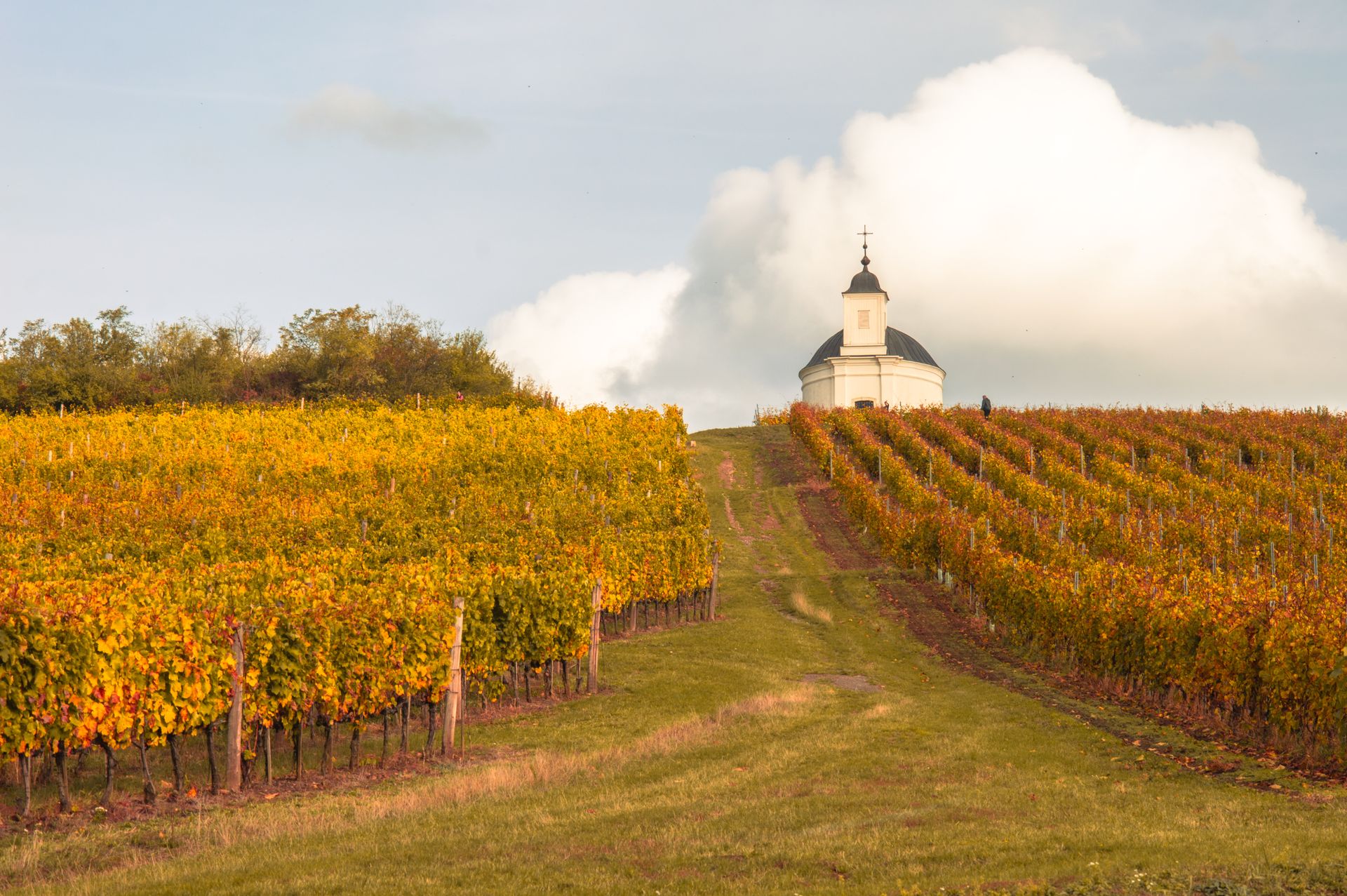
The Rhône’s winemaking ethos is a dance between ancient techniques and cutting-edge innovation.
The Amphora Revival
In the Rhône Valley, where tradition runs deep, some winemakers are looking to the past to shape the future. Stéphane Ogier, a rising star in Côte-Rôtie, has reintroduced amphora-aging—a practice that dates back to Roman times. By reviving this ancient technique, Ogier is crafting wines that offer a new perspective on Rhône’s terroir, highlighting purity, balance, and texture in a way that modern methods cannot replicate.
The Return of Amphorae: A Nod to Antiquity
Amphorae—large clay vessels used by the ancient Romans and Greeks—were once the cornerstone of winemaking. Their porous structure allowed for gentle oxygenation, enhancing wine maturation without adding external flavors. As oak barrels became the norm in the modern era, amphorae faded into obscurity. But for Stéphane Ogier, their potential to revolutionize wine aging was too intriguing to ignore.
Why It Works:Amphorae allow controlled micro-oxygenation, a process critical to the development of a wine’s complexity and structure. Unlike oak barrels, which impart tannins and woody flavors, amphorae preserve the wine’s intrinsic characteristics. The result is a purer expression of the grape and terroir.
Scientific Insight: Studies from wine research institutes in France show that amphora-aging enhances phenolic stability and promotes the retention of primary fruit flavors, making wines more vibrant and approachable in their youth.
Stéphane Ogier’s Vision: Reinventing Côte-Rôtie
Ogier’s adoption of amphora-aging is both a tribute to Rhône’s winemaking heritage and a forward-looking innovation.
The Process:Ogier ferments and ages his Syrah in amphorae crafted from specially selected clay, ensuring minimal interference with the wine’s natural profile. The vessels are sourced from potters who use ancient techniques to replicate the amphorae of antiquity.
The Results in the Bottle:
Signature Wine: Ogier’s amphora-aged Syrah has become a benchmark for this technique. Praised by Jancis Robinson for its “otherworldly texture,” the wine is celebrated for its ethereal balance of power and finesse.
Tasting Notes: The wine exhibits vibrant blackberry and plum aromas, interwoven with subtle floral and mineral nuances. The palate is silky, with fine-grained tannins and a long, seamless finish.
Recognition:Critics and collectors alike have embraced Ogier’s amphora-aged wines, with bottles commanding premium prices in international markets. The technique has also inspired other Rhône winemakers to explore amphorae, cementing Ogier’s role as a pioneer in the region.
Amphorae and Terroir: Unlocking New Dimensions
Ogier’s use of amphorae is not just about innovation—it’s about amplifying the voice of Côte-Rôtie’s unique terroir.
Highlighting the Grape:
Amphora-aging allows Syrah’s signature characteristics—dark fruit, peppery spice, and violet notes—to shine without the masking influence of oak.
Wines aged in amphorae are often described as “transparent,” offering a direct line to the soil and microclimate that shaped the fruit.
Minerality in Focus:The granite and schist soils of Côte-Rôtie are renowned for imparting a distinct mineral quality to wines. Amphora-aging enhances this attribute, creating a purity and clarity that is difficult to achieve with other methods.
A Broader Revival: Beyond Côte-Rôtie
Ogier’s success has sparked renewed interest in amphora-aging throughout the Rhône and beyond.
Inspiring the Next Generation:Young winemakers in regions like Crozes-Hermitage and Châteauneuf-du-Pape are experimenting with amphorae, exploring their potential to redefine Rhône’s classic styles.
A Global Trend:Amphora-aging has gained traction in other wine regions, from Italy to California, where producers are drawn to its ability to create wines with a sense of place.
Environmental Benefits:Compared to oak barrels, amphorae are more sustainable, offering a lower-carbon alternative that aligns with the Rhône’s growing emphasis on eco-conscious practices.
The Future of Amphorae in the Rhône
The resurgence of amphora-aging represents a perfect union of tradition and technology—a reminder that sometimes the best innovations are rediscoveries. For Stéphane Ogier and his peers, these clay vessels are more than tools; they are conduits for storytelling, bridging the ancient and the modern in every glass.
Ogier’s Perspective:“Amphorae allow us to respect the grape and the soil in a way that feels timeless,” says Ogier. “They remind us that innovation doesn’t always mean looking forward—it can mean looking back.”
By embracing this ancient art, the Rhône Valley is not only preserving its history but also pushing the boundaries of what its wines can achieve in the modern era. With Stéphane Ogier leading the charge, the amphora revival is poised to become a defining chapter in the Rhône’s ongoing story.
Precision Viticulture
In the Rhône Valley, where tradition and terroir are sacrosanct, a quiet technological revolution is underway. Precision viticulture is redefining how winemakers interact with their land, combining ancient respect for the soil with cutting-edge tools to maximize quality and sustainability. Nicolas Bria, a leading advocate of precision farming in the Rhône, exemplifies how technology can enhance terroir expression while addressing modern challenges like climate change and environmental impact.
Tech Meets Terroir: A New Frontier in Winemaking
Nicolas Bria, a vigneron based in the Southern Rhône, is at the forefront of this transformative movement. With a background in agronomy and viticulture, Bria has embraced advanced technology to fine-tune vineyard management, creating wines that reflect both tradition and innovation.
The Role of Technology:Bria employs drones, satellite imagery, and AI-driven analytics to map his vineyards with extraordinary precision. These tools allow him to identify subtle variations in soil composition, vine vigor, and microclimate conditions that would be impossible to detect with the naked eye.
Example: During the 2021 growing season, Bria’s drone surveys revealed pockets of water stress in a Grenache vineyard. Armed with this information, he adjusted irrigation schedules, preventing vine damage and ensuring even ripening.
Optimizing Vineyard Management:By leveraging these technologies, Bria can tailor interventions—such as irrigation, canopy management, and fertilization—to the specific needs of each parcel. This ensures healthier vines, better fruit quality, and a lower environmental footprint.
The Outcomes: Sustainability and Quality in Harmony
Precision viticulture has delivered remarkable results in Bria’s vineyards, showcasing the potential of technology to enhance both environmental stewardship and winemaking excellence.
Reduced Environmental Impact:
Targeted Treatments: Precise mapping allows Bria to minimize the use of water, fertilizers, and pesticides, applying them only where necessary. This reduces runoff and soil degradation, aligning with sustainable farming practices.
Energy Efficiency: Advanced monitoring systems reduce the need for labor-intensive tasks, cutting down on fuel consumption and overall carbon emissions.
Improved Grape Quality:
Bria’s targeted approach ensures that grapes ripen evenly, resulting in wines with greater balance, concentration, and aromatic complexity.
Stat: Vineyards utilizing precision farming, like Bria’s, have reported a 15% increase in yield quality compared to conventional methods.
Precision Viticulture in Action: The 2022 Vintage
The extreme weather conditions of 2022, marked by heavy spring rains and a scorching summer, provided a litmus test for precision viticulture.
Mitigating Challenges:Bria’s real-time data analytics allowed him to monitor soil moisture levels and adjust irrigation systems dynamically, mitigating the effects of drought stress on his Syrah vines.
Outcome:The resulting wines, particularly his Grenache-Syrah blends, displayed a remarkable balance of ripeness and acidity, earning praise from critics for their finesse and complexity.
Tasting Note: Bria’s 2022 cuvée featured vibrant red and black fruit aromas, a hallmark of optimal ripening achieved through precision farming.
Broader Impacts: A Model for the Rhône and Beyond
While Nicolas Bria is a standout example, precision viticulture is gaining traction throughout the Rhône Valley as winemakers seek to adapt to changing climatic and market conditions.
Climate Adaptation:With rising temperatures and unpredictable weather patterns, the Rhône’s winemakers are turning to precision tools to make informed decisions about irrigation, pruning, and harvesting.
Example: In the Northern Rhône, growers in Crozes-Hermitage are using soil sensors and weather data to predict frost events, enabling timely interventions that protect budding vines.
Economic Benefits:Precision farming not only improves grape quality but also reduces costs associated with water, labor, and inputs, making it an economically viable solution for wineries of all sizes.
The Human Touch: Bridging Tradition and Technology
Despite the high-tech nature of precision viticulture, Nicolas Bria emphasizes that these tools are not a replacement for human expertise but a complement to it.
A Winemaker’s Intuition:“Technology gives us information, but it’s up to us to interpret it,” Bria says. “The connection between a winemaker and their vineyard remains at the heart of great wine.”
Respect for Terroir:Bria ensures that the technological interventions align with the natural rhythms of his vineyards, preserving the character and authenticity of the wines.
The Future of Precision Viticulture
As technology continues to evolve, the potential for precision viticulture is limitless. In the Rhône, where respect for tradition is paramount, tools like drones and AI are becoming allies in preserving terroir while meeting the demands of a changing world.
Blockchain Integration:Some Rhône producers are experimenting with blockchain technology to track and verify vineyard practices, ensuring transparency and building trust with consumers, especially collectors in markets like the U.S..
Sustainability Goals:By reducing waste and optimizing resource use, precision farming is helping the Rhône move toward its goal of becoming a leader in sustainable winemaking.
Precision viticulture is more than a technological advancement—it’s a philosophy that harmonizes innovation with respect for the land. For Nicolas Bria and his peers, it represents the future of Rhône winemaking, where tradition and technology come together to create wines of unparalleled quality and authenticity.
High-Tech Fermentation
In the Rhône Valley, where the artistry of winemaking has been honed over centuries, cutting-edge fermentation technology is becoming an essential tool for producing wines of exceptional quality. At Domaine de la Janasse, a leading estate in Châteauneuf-du-Pape, high-tech fermenters are at the heart of a winemaking process that preserves tradition while embracing innovation.
Domaine de la Janasse: Where Tradition Meets Technology
Founded in 1976, Domaine de la Janasse has earned a reputation for crafting wines that reflect the essence of Châteauneuf-du-Pape. Under the leadership of Christophe Sabon, the estate has seamlessly integrated state-of-the-art fermentation techniques into its traditional practices, elevating its wines to new heights.
Temperature-Controlled Fermentation:At Janasse, fermentation tanks equipped with precise temperature controls allow winemakers to carefully regulate the fermentation process. This innovation ensures that delicate aromatics are preserved while minimizing the risk of oxidation.
Why It Matters:
Maintaining optimal temperatures during fermentation helps retain volatile compounds responsible for a wine’s aromatic complexity, such as floral and fruit notes.
Controlling oxidation protects freshness, allowing the wine’s inherent flavors to shine without the need for excessive sulfur additions.
Example: During the 2022 harvest, Janasse used temperature-controlled fermenters to manage a heat-affected vintage, ensuring balanced wines despite the season’s challenges.
The Result: The Vieilles Vignes Cuvée
One of Domaine de la Janasse’s standout wines, the Vieilles Vignes cuvée, is a testament to the benefits of high-tech fermentation.
The Wine:
Made from a blend of Grenache, Syrah, and Mourvèdre sourced from 100-year-old vines, Vieilles Vignes is celebrated for its depth, intensity, and elegance.
The use of temperature-controlled fermentation preserves the rich aromatics of Grenache while enhancing the structure provided by Syrah and Mourvèdre.
Critical Acclaim:
Critics have lauded the cuvée for its balance of power and finesse. Robert Parker’s Wine Advocate has consistently awarded it scores above 95 points, praising its “seamless integration of fruit, tannins, and acidity.”
Tasting Notes: Blackberry, plum, and kirsch dominate the nose, complemented by hints of spice, licorice, and garrigue. The palate is velvety, with firm yet refined tannins leading to a long, vibrant finish.
Technology Beyond Fermentation: Ensuring Provenance with Blockchain
As Rhône wines become increasingly sought after in global markets, especially among U.S. collectors, issues of provenance and authenticity are taking center stage. To address these concerns, some producers are experimenting with blockchain technology—a digital ledger system that ensures transparency and trust.
How It Works:Blockchain technology tracks a wine’s journey from vineyard to bottle, recording every step of production, aging, and distribution. This data is immutable, providing collectors with a verified history of the wine.
The Appeal for Collectors:
In the U.S., where fine wine is often viewed as both a luxury item and an investment, blockchain-backed provenance offers peace of mind.
This innovation has the potential to eliminate fraud in the secondary market, making Rhône wines even more desirable.
Pioneers: A handful of Rhône producers, including forward-thinking estates like Domaine Ogier and Xavier Vignon, have begun pilot programs to integrate blockchain into their distribution networks.
The Broader Benefits of High-Tech Fermentation
While Domaine de la Janasse is a leading example, high-tech fermentation techniques are becoming more widespread in the Rhône, enabling winemakers to achieve new levels of precision and consistency.
Enhancing Traditional Practices:
Small-batch fermenters and closed-loop systems allow producers to experiment with micro-fermentations, isolating specific plots or varietals for tailored vinification.
These techniques are particularly valuable for Rhône’s diverse terroirs, where each parcel contributes distinct characteristics to the final blend.
Sustainability Through Efficiency:
Automated systems reduce energy consumption during fermentation, aligning with the Rhône’s push toward sustainable winemaking.
By minimizing wine loss through oxidation, these technologies also contribute to economic and environmental sustainability.
The Future of Fermentation in the Rhône
The adoption of high-tech fermentation reflects a broader trend in Rhône winemaking: the seamless integration of innovation to enhance, rather than replace, traditional practices.
A Model for the Industry:Domaine de la Janasse and other leading estates are demonstrating that technology can coexist with the artistry of winemaking, resulting in wines that are both authentic and avant-garde.
Expanding Horizons:As tools like blockchain and temperature-controlled fermenters become more accessible, their adoption is likely to grow across the Rhône, setting a new standard for quality and transparency.
In the Rhône Valley, high-tech fermentation is more than a tool—it’s a philosophy that respects tradition while embracing the future. At estates like Domaine de la Janasse, this approach is redefining what Rhône wines can achieve, ensuring that each bottle carries the legacy of its terroir while meeting the demands of a modern, discerning audience.
Conclusion: The Rhône’s Timeless Appeal
As the Mistral whispers through biodynamic vineyards and amphorae cradle wines destined for greatness, the Rhône’s story unfolds with each bottle—a narrative of tradition, innovation, and sustainability.
Quote to Close:“The Rhône doesn’t just make wine,” says Andrew Jefford. “It tells a story—a story as ancient as its river, as vibrant as its terroir, and as timeless as the people who call it home.”
Call to Action:Discover the Rhône’s treasures for yourself—whether it’s the bold elegance of a Côte-Rôtie, the Grenache-forward charm of Châteauneuf-du-Pape, or the natural purity of a Domaine Gramenon cuvée. Let the Rhône become a part of your story.