

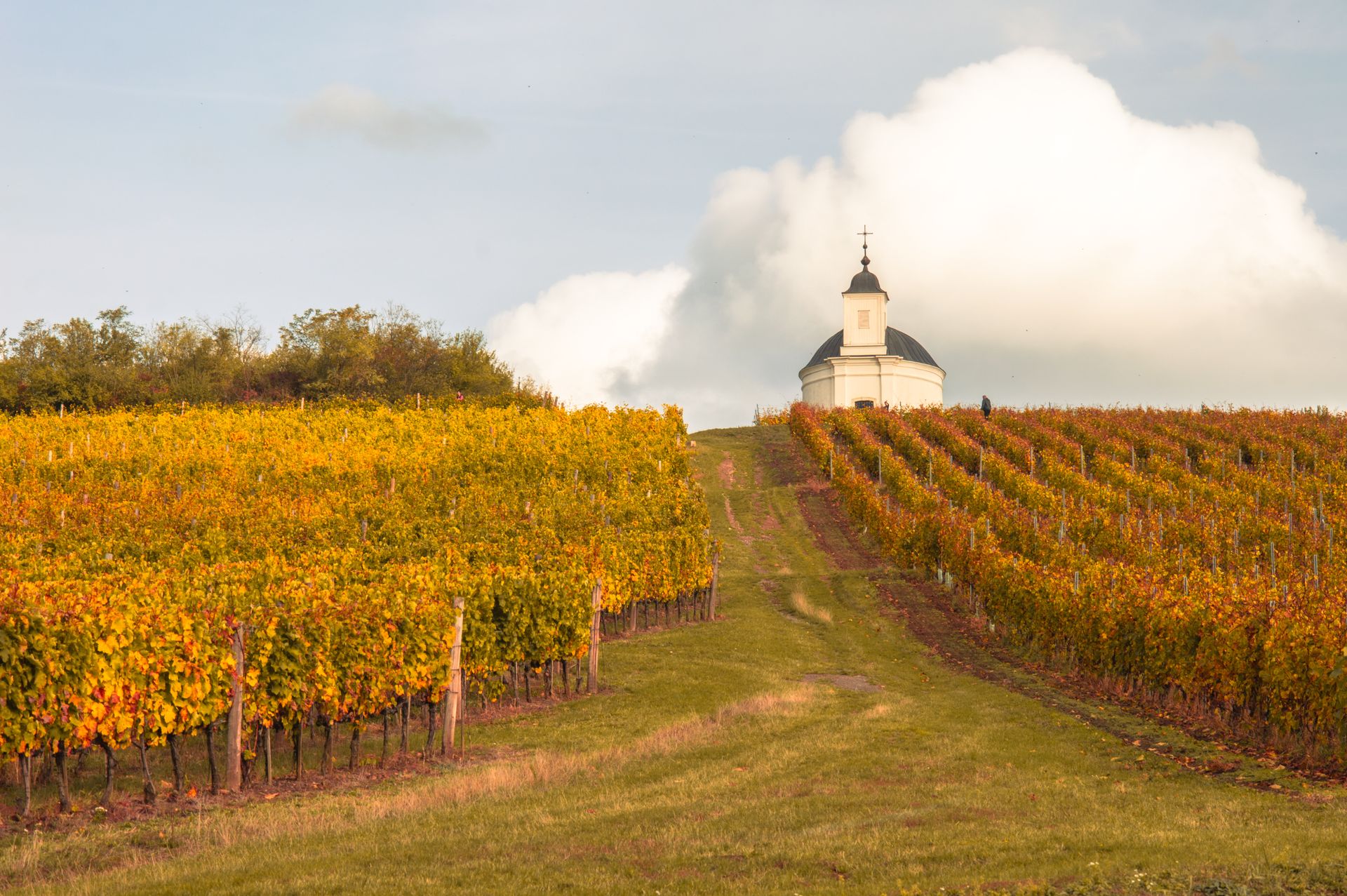
In the Rhône, sustainability isn’t a trend; it’s a philosophy deeply rooted in respect for the land.
Michel Chapoutier: The Visionary of Biodynamic Winemaking
Michel Chapoutier stands as a towering figure in the world of wine, not just for the prestige of his wines but for his transformative influence on viticulture. Since taking the reins of his family’s historic estate in the late 1980s, Chapoutier has redefined winemaking in the Rhône Valley through his steadfast commitment to biodynamic principles. His journey is one of courage, innovation, and a profound respect for the land.
A Legacy Reimagined
The Chapoutier family has cultivated vineyards in the Rhône since 1808, but it was Michel Chapoutier’s bold vision that propelled the estate into the global spotlight. When he assumed control, the estate’s reputation was respectable but unremarkable. Michel sought not only to elevate the wines but to revolutionize the philosophy behind their creation.
A Revolutionary Turn: In 1990, Michel made the controversial decision to convert the estate’s 135 hectares to biodynamic farming. At the time, biodynamics was viewed with skepticism, even derision, by many in the wine industry. But for Michel, the choice was clear: “The soil is a living entity, and we must treat it with the same respect we would a friend or family member.”
Philosophy in Practice: Biodynamic farming eschews synthetic chemicals, focusing instead on holistic soil health, biodiversity, and cosmic rhythms. Chapoutier was among the first in the Rhône to adopt these practices on such a large scale, and his approach has inspired a movement among Rhône producers.
The Impact of Biodynamics on Terroir Expression
One of Michel’s core beliefs is that biodynamics allows the terroir—the unique combination of soil, climate, and vineyard aspect—to fully express itself in the wine. Chapoutier’s Ermitage Le Pavillon, crafted from a small parcel of 100-year-old Syrah vines, is an embodiment of this philosophy.
Notable Milestone: Le Pavillon and Its Perfect Scores
Ermitage Le Pavillon is not just a wine; it is a testament to the unparalleled synergy between biodynamic farming and Rhône’s terroir. Its accolades, including multiple perfect 100-point scores from Robert Parker, serve as tangible proof of Chapoutier's vision.
Historical Significance of Scores:Robert Parker's first perfect score for Le Pavillon was in the 1990 vintage, a watershed moment for biodynamic wines in the Rhône. This validation was pivotal in convincing skeptics of the efficacy of biodynamics, particularly in producing wines of exceptional purity and complexity.
Consistency in Excellence:Across decades, Le Pavillon has maintained a standard of excellence. The 2009, 2010, and 2015 vintages each achieved perfect scores. Critics consistently cite its powerful black fruit, layered minerality, and seamless tannins as hallmarks of greatness.
Example: Parker described the 2010 vintage as “a monumental wine that defies both gravity and description.”
Market Impact:These accolades have made Le Pavillon one of the most sought-after wines from the Rhône, commanding prices upwards of $400 per bottle for recent vintages, with older vintages reaching significantly higher values in secondary markets.
Unique Viticultural Practices: Chapoutier’s biodynamic approach includes unconventional methods
Use of composted manure and herbal sprays to enrich the soil naturally.
Biodiversity corridors to encourage beneficial insects and birds, creating a balanced vineyard ecosystem.
Planting according to lunar cycles, a biodynamic hallmark believed to enhance vine vitality.
Science Meets Intuition: Lunar Cycles in Viticulture
Michel Chapoutier's use of lunar cycles in vineyard management is a defining aspect of his biodynamic philosophy. While this practice is rooted in biodynamics, Chapoutier’s approach is uniquely informed by both ancient traditions and modern science.
The Role of the Moon:Biodynamic calendars divide tasks into phases aligned with lunar rhythms—planting during a waxing moon for vigor, harvesting during a waning moon for balance. Chapoutier argues that these cycles influence sap flow in vines, akin to their effect on tides.
Scientific Corroboration:Research from agricultural institutes, including the Julius Kühn-Institut in Germany, supports the notion that lunar phases can subtly affect plant growth and water absorption. Chapoutier has referenced these studies to bridge the gap between tradition and empirical evidence.
Practical Outcomes in the Vineyard
Enhanced Grape Quality: Chapoutier attributes the concentrated flavors and heightened aromatic profiles in his wines to meticulous timing of vineyard tasks.
Resilience to Climate Stress: During the extreme heat of 2003, Chapoutier credits lunar-guided canopy management with mitigating vine stress and preserving acidity in the grapes—a critical factor in the exceptional quality of that year’s Le Méal Ermitage.
Cultural Resonance:Chapoutier connects these practices to Rhône’s ancient winemaking traditions, particularly those of the Romans, who also worked in harmony with celestial patterns. This narrative enriches the historical depth of his wines, resonating with collectors and enthusiasts who appreciate the philosophical underpinnings of his craft.
A Broader Influence on the Rhône
Michel Chapoutier’s influence extends far beyond his own vineyards. His advocacy for sustainable practices has inspired a wave of Rhône winemakers to follow suit.
Catalyst for Change: By 2023, 15% of Rhône vineyards were certified organic or biodynamic, a dramatic increase from less than 5% in 2000. Many attribute this shift to Chapoutier’s pioneering efforts.
Case Study: Inspired by Chapoutier, Xavier Vignon began experimenting with biodynamics in his vineyards. Today, Vignon’s wines, such as the Arcane Series, are celebrated for their balance and depth.
Leadership in the Industry: Michel has also served as a mentor to emerging winemakers, sharing his knowledge and experience. His influence has helped elevate the Rhône Valley’s reputation as a leader in sustainable viticulture.
Beyond the Rhône: A Global Vision
Chapoutier’s commitment to biodynamics extends to his international ventures. In addition to his Rhône holdings, he has applied the same principles to estates in Australia, Alsace, and beyond.
Domaine Tournon in Australia: Chapoutier’s Australian project in the Pyrenees region produces Syrah that rivals the Rhône’s best. Biodynamic practices there have adapted to the unique challenges of the Australian climate, showcasing Michel’s ability to innovate globally.
Alsace’s Delicate Balance: In Alsace, Michel works with delicate white varieties like Riesling and Gewürztraminer, applying biodynamics to highlight their floral and mineral qualities.
Scientific Validation and Recognition
While biodynamics was once dismissed as pseudoscience, Chapoutier’s success has prompted a deeper scientific investigation into its benefits.
Soil Health and Biodiversity: Studies on Chapoutier’s vineyards reveal higher levels of microbial diversity and organic matter compared to conventionally farmed plots.
Insight: These findings suggest that biodynamics may indeed enhance soil vitality, leading to healthier vines and more expressive wines.
Critical Acclaim: Chapoutier’s wines consistently achieve top scores, underscoring the tangible benefits of his approach. The estate has been named “Winery of the Year” multiple times by leading wine publications.
Facing Challenges: The Cost of Commitment
Biodynamics is not without its challenges. The practices are labor-intensive and costly, requiring a level of dedication that few producers are willing to commit to.
Financial Commitment: The cost of converting a vineyard to biodynamics can be up to 30% higher than conventional methods. Yet Chapoutier views this as an investment in the future.
Quote: “Wine is not just a product; it’s a reflection of the earth. Cutting corners today robs future generations of what makes wine special.”
Environmental Challenges: In 2021, unprecedented frost decimated Rhône vineyards. Chapoutier credits biodynamics with helping his vines recover faster than those on conventionally farmed estates.
A Vision for the Future
Michel Chapoutier’s journey is far from over. He continues to push the boundaries of what is possible in winemaking, experimenting with new techniques and advocating for global adoption of sustainable practices.
A Call to Action: Chapoutier frequently speaks at international conferences, urging winemakers to consider the long-term health of their vineyards. His message resonates particularly with younger generations of winemakers who view sustainability as essential.
Michel Chapoutier’s legacy is not just in the bottles he produces but in the profound impact he has had on the global wine industry. He has shown that respect for the earth and a commitment to quality are not mutually exclusive but are, in fact, inseparable. For collectors, sommeliers, and wine lovers, his wines offer more than taste—they offer a glimpse into the future of viticulture.
Domaine Gramenon: Purity in a Glass
Nestled in the Southern Rhône, Domaine Gramenon is a paragon of minimal intervention winemaking. Founded in 1978 by Philippe and Michèle Aubéry-Laurent, the estate has since become synonymous with the pursuit of Grenache’s purest expressions. Today, under the stewardship of Michèle and her son Maxime François Laurent, Domaine Gramenon continues to craft wines that are as much a reflection of their philosophy as they are of their terroir.
A Philosophy Rooted in Nature
Domaine Gramenon’s approach is uncompromising: organic farming, hand-harvested fruit, and vinification with minimal or no added sulfur. This ethos stems from a deep respect for nature and a belief in allowing the vines to speak for themselves.
Organic Farming and Beyond:Certified organic since 2010, the estate’s vineyards are cultivated without synthetic chemicals or herbicides. Instead, they rely on natural composts, cover crops, and manual weeding to maintain vine health and soil vitality.
Quote from Michèle Laurent: “The less we intervene, the more the wine reveals the soul of the vineyard.”
Minimal Intervention in the Cellar:Gramenon employs wild yeast fermentations and avoids filtration to preserve the wine’s natural texture and flavor. Sulfur use is minimal, limited to trace amounts for stability in certain cuvées.
Signature Wines: Icons of Natural Winemaking
Domaine Gramenon’s portfolio is a testament to the versatility and elegance of Grenache, the Southern Rhône’s flagship varietal.
La Sagesse:Produced from old-vine Grenache planted on limestone soils, La Sagesse is a wine of remarkable depth and complexity. Its vibrant red fruit notes are underscored by hints of licorice and garrigue, with silky tannins providing an elegant structure.
Poignée de Raisins:This youthful, fruit-forward wine captures Grenache’s exuberant side. Bursting with flavors of raspberry, cherry, and a touch of spice, it is vinified entirely without sulfur, making it a favorite among natural wine enthusiasts.
A Legacy of Excellence
Domaine Gramenon has earned widespread acclaim for its commitment to quality and authenticity.
Recognition:La Revue du Vin de France has lauded the estate as a “standard-bearer of Rhône natural wines,” a title that reflects its influence in the natural wine movement.
Critical Acclaim:Influential critics like Andrew Jefford and Jancis Robinson have praised Gramenon’s wines for their energy, purity, and ability to convey a sense of place. Robinson once described La Sagesse as “a masterclass in how Grenache can balance power with finesse.”
Sustainability at Its Core:Gramenon’s low-impact methods have not only preserved the health of its vineyards but have also inspired neighboring estates to adopt more sustainable practices.
The Human Element: Michèle Laurent and Maxime François Laurent
Behind every great wine is a great story, and Domaine Gramenon’s is one of resilience and reinvention.
Continuing the Vision:After Philippe Aubéry-Laurent’s untimely death in 1999, Michèle took over the estate, determined to honor his vision. Her son Maxime soon joined her, bringing a fresh perspective while respecting the traditions that define Gramenon.
A Generational Dialogue:Maxime has introduced innovative techniques, such as experimenting with carbonic maceration to enhance freshness and expressiveness in certain wines. This collaborative approach between mother and son has ensured that Gramenon remains at the forefront of the natural wine movement.
A Model for the Future of Rhône Wines
Domaine Gramenon exemplifies the balance of tradition and innovation that defines the modern Rhône Valley. As natural wines gain prominence in global markets, the estate has positioned itself as a leader in this growing segment.
Consumer Appeal:The estate’s wines have found a devoted following among eco-conscious consumers and collectors alike. In the U.S., importers report a 40% increase in demand for Gramenon’s wines over the past five years, driven by their authenticity and accessibility.
Cultural Impact:Gramenon’s success underscores a broader shift in the wine world, where minimal intervention and sustainability are becoming the benchmarks of quality.
In their own words, Domaine Gramenon’s team often reminds wine lovers: “Our wines are not made; they are born.” This philosophy, paired with the meticulous care of their craft, ensures that each bottle tells a story of place, passion, and purity—a reflection of the Southern Rhône’s enduring magic.
A Growing Movement: The Rise of Sustainable Winemaking in the Rhône
As the Rhône Valley embraces sustainability, a new wave of winemakers is advancing the biodynamic and organic principles championed by pioneers like Michel Chapoutier. Their commitment to eco-conscious practices reflects environmental stewardship and a drive to redefine luxury in winemaking.
Xavier Vignon: Precision Meets Biodynamics
Xavier Vignon, a highly respected consultant winemaker turned producer, exemplifies the fusion of biodynamic philosophy with modern technology. With over 20 years of experience advising estates across the Rhône, Vignon has leveraged his expertise to craft wines that marry ecological responsibility with exceptional quality.
The Arcane Series:The Arcane Series is a bold experiment in terroir-driven winemaking, showcasing the Rhône’s diverse microclimates. Biodynamic methods are at the heart of the series, which includes wines like Le Soleil and L’Étoile, each named for celestial symbols reflecting the interconnectedness of the earth and the cosmos.
Le Soleil (The Sun): A Grenache-dominant blend that captures the heat and intensity of the Southern Rhône, balanced by a freshness derived from meticulous biodynamic vineyard management.
L’Étoile (The Star): A white wine crafted from rare Rhône varieties like Clairette and Grenache Blanc, praised for its luminous acidity and floral complexity.
Precision Biodynamics in Action:Vignon employs advanced tools like soil mapping, drone imagery, and infrared spectroscopy to fine-tune vineyard management. These technologies complement biodynamic practices, ensuring the healthiest vines and the highest quality fruit.
Sustainability Impact: Through targeted interventions, Vignon has reduced water use by 15% and fertilizer applications by 30%, further enhancing his vineyards’ ecological balance.
Critical Acclaim:The Arcane Series has garnered praise from critics and consumers alike, with Wine Advocate lauding its “remarkable complexity and harmony.” Vignon’s innovative approach has also made the series a favorite among American collectors seeking eco-conscious luxury wines.
Expanding the Circle: Other Biodynamic Champions
The Rhône’s embrace of biodynamic and organic principles extends beyond the big names, with smaller producers making significant strides.
Domaine Julien Cecillon (Northern Rhône):This artisanal estate focuses on small parcels in St. Joseph and Crozes-Hermitage, working organically to craft wines that express their terroir’s authenticity. Signature bottlings like St. Joseph Les Marguerites showcase the elegance of Syrah when nurtured by sustainable practices.
Domaine Roche-Audran (Southern Rhône):Certified biodynamic since 2006, Roche-Audran is known for its meticulous attention to soil health and biodiversity. Their Cuvée César, a Grenache-Syrah blend, epitomizes the potential of Southern Rhône varieties grown with respect for the land.
Consumer Demand Driving Change
The Rhône’s commitment to sustainability is resonating with consumers worldwide, particularly in the U.S., where organic and biodynamic wines are gaining popularity among affluent, eco-conscious buyers.
Data Point:Inter Rhône reports that consumer demand for organic Rhône wines has surged by 20% since 2018, a trend fueled by increased awareness of environmental issues and a desire for wines that reflect authentic terroir.
Global Appeal:Major export markets like the U.S. and Scandinavia are driving this growth, with importers noting a rise in sales of certified organic wines from both Northern and Southern Rhône estates.
Story Spotlight: Chapoutier’s Resilience in the 2022 Heatwave
The power of biodynamic farming was put to the test in 2022 when a punishing heatwave swept across Europe, threatening harvests. While many conventional vineyards reported significant yield losses, Chapoutier’s biodynamically farmed plots stood resilient.
Healthy Soils, Healthy Vines:Chapoutier attributes this success to the robust soil health cultivated through biodynamic practices. By fostering a thriving ecosystem of microorganisms, his vineyards were better equipped to retain moisture and resist stress during the extreme heat.
Results in the Bottle:The 2022 vintage from Chapoutier’s vineyards, particularly his Hermitage and Crozes-Hermitage cuvées, displayed remarkable balance and freshness despite the challenging conditions. Critics praised the wines as “a triumph of sustainability under adversity.”
The Broader Movement: A New Standard for the Rhône
The examples of Xavier Vignon, Michel Chapoutier, and Domaine Gramenon are emblematic of a broader transformation in the Rhône Valley.
Organic Certification on the Rise:By 2023, more than 15% of Rhône vineyards were certified organic or in conversion, a figure that continues to grow as winemakers respond to consumer demand and climate challenges.
Sustainability as a Selling Point:For high-end buyers, sustainability is increasingly seen as synonymous with quality. Rhône producers are leveraging this shift to position their wines as both luxurious and responsible, appealing to a new generation of collectors.
A Movement with Momentum
The growing adoption of biodynamic and organic practices in the Rhône signals a paradigm shift in the wine world. As winemakers like Xavier Vignon innovate with precision biodynamics, and pioneers like Chapoutier demonstrate the resilience of healthy soils, the Rhône Valley cements its role as a leader in sustainable luxury.
For today’s collectors and connoisseurs, these wines represent not just extraordinary craftsmanship but also a commitment to the planet—a legacy that transcends the bottle.