

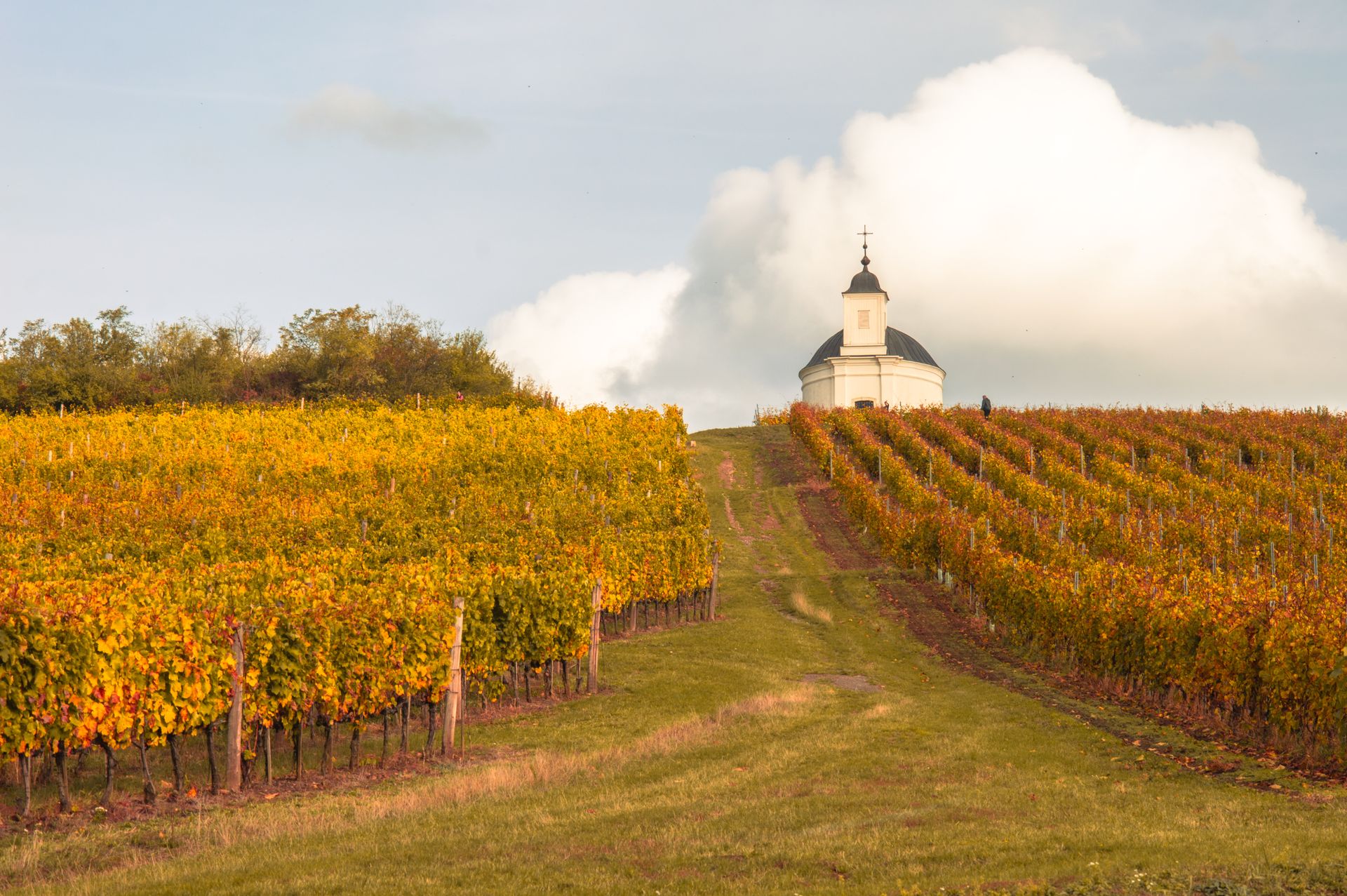
The Rhône’s legacy is written into every vine, bottle, and cellar. From ancient trade routes to modern fine wine auctions, the region has long been a global beacon of excellence.
Roman Beginnings:– The Foundation of the Rhône’s Legacy
The Rhône Valley’s winemaking journey began over two millennia ago, shaped by the vision and ingenuity of Roman settlers. These pioneers of viticulture recognized the region’s potential and laid the groundwork for a tradition that endures to this day. The Romans weren’t just planting vines; they were crafting a legacy of excellence that would ripple across centuries, shaping the Rhône into a global beacon for fine wine.
A Land Perfectly Suited for Viticulture
When the Romans arrived in southern Gaul in the 1st century BCE, they encountered a landscape that seemed destined for viticulture. The Rhône River carved a fertile corridor through the rugged terrain, its gentle slopes and diverse soils offering ideal conditions for growing vines.
Geological Advantage:
The Romans quickly identified the granite soils of Vienne, now part of the northern Rhône, as perfect for producing structured, long-lived wines.
In the southern Rhône, the river’s alluvial deposits provided fertile ground for Grenache and other Mediterranean varietals that thrive in warm, dry climates.
A Climate Built for Greatness:The Rhône’s hot summers and cooling Mistral winds created a natural balance, allowing grapes to ripen fully while retaining acidity—a hallmark of the region’s wines then and now.
The Role of the Rhône River: A Highway for Trade
The Rhône River was not just a geographical feature; it was the lifeblood of the region’s burgeoning wine trade. Roman settlers used the river as a highway to transport their wines, ensuring that the Rhône’s reputation extended far beyond its borders.
Marseille as a Wine Hub:
Amphorae filled with wine from the northern Rhône were shipped to the bustling docks of Marseille, a critical Mediterranean port.
From there, the wines traveled to Rome, where they graced the tables of emperors and the elite.
Roman historian Pliny the Elder noted the wines of Gaul (which includes the Rhône) were prized for their “strength and longevity,” often traded for amphorae of olive oil and silks at Mediterranean ports. This observation reinforces the high value Romans placed on Rhône wines, a legacy reflected today in the region’s sought-after vintages.
Expanding Influence:As trade routes developed, Rhône wines reached every corner of the Roman Empire, from Spain to North Africa. This early exposure laid the foundation for the region’s global reputation as a source of bold, structured wines.
Early Branding: Hermitage and Vienne
Even in Roman times, the Rhône’s wines were celebrated for their distinct character, tied closely to their terroir—a concept the Romans intuitively understood.
Hermitage’s Granite Soils:Wines from the slopes of what is now Hermitage stood out for their complexity and structure. The Romans noted how the granite soils imbued the wines with a robust minerality, setting them apart from other regions.
Andrew Jefford captures this vividly: “Imagine the bustling docks of Marseille, where Roman traders carried amphorae filled with wines from Hermitage’s granite soils. Even then, the Rhône’s reputation for bold and structured wines was growing.”
Vienne’s Cultural Crossroads:The Roman settlement of Vienne became a key center for viticulture, blending local traditions with Roman innovation. The wines of Vienne were so esteemed that they were referenced in Roman texts as among the finest produced in Gaul.
Roman Innovations in Rhône Winemaking
The Romans brought with them not only a passion for wine but also advanced techniques that elevated Rhône viticulture to new heights.
Terracing the Slopes:
To maximize vineyard potential on the steep hillsides of the northern Rhône, the Romans introduced terracing, a labor-intensive but highly effective method for cultivating vines on challenging terrain.
These terraces remain a defining feature of regions like Côte-Rôtie, connecting today’s wines to their ancient roots.
Winemaking Advancements:
Roman amphorae were not merely storage vessels; their porous clay allowed for gentle oxygenation, enhancing the wines’ complexity.
Early fermentation techniques, including the use of wild yeasts, reflected the Romans’ deep understanding of the natural processes involved in winemaking.
Echoes of the Roman Legacy in Modern Rhône Wines
The Roman influence on Rhône winemaking is not just historical—it continues to shape the region’s identity and success in today’s global market.
Terroir as a Selling Point:
Modern winemakers often highlight the ancient origins of their vineyards, using the Rhône’s Roman heritage as a marketing tool. This narrative resonates particularly with collectors who value wines with a sense of place and history.
Example: Wines from Hermitage, with its storied granite soils, often reference the region’s Roman past to emphasize their connection to a timeless tradition.
Global Reach:
Just as Roman traders spread Rhône wines across the empire, modern winemakers export their bottles to collectors and connoisseurs worldwide.
In 2022, Rhône wines accounted for a significant share of France’s €16 billion wine export market, with regions like Côte-Rôtie and Châteauneuf-du-Pape leading the way.
A Timeless Legacy
The Romans may have left the Rhône nearly two millennia ago, but their impact remains etched into its vineyards and culture. Each bottle of Rhône wine is a tribute to their pioneering spirit—a connection between past and present that enriches every sip.
As you raise a glass of Côte-Rôtie or Hermitage, you’re not just tasting wine; you’re experiencing history. You’re drinking from vines nurtured by the Rhône River, tended by hands inspired by Roman innovation, and shaped by a terroir that has been celebrated for centuries. That’s the true magic of the Rhône Valley.
The Papal Court of Avignon:- – Elevating Rhône Wines to Prestige
The 14th century marked a pivotal chapter in the Rhône Valley’s history, as the Avignon papacy transformed the region into a center of vinous excellence. With the papal court’s arrival in Avignon, Rhône wines gained an unparalleled platform, intertwining religion, politics, and viticulture in a way that would shape the region’s legacy forever.
The Papacy Comes to Avignon: A Game-Changer for Rhône Wines
When Pope Clement V moved the papal seat to Avignon in 1309, he brought with him a deep appreciation for fine wine. The Rhône Valley, conveniently close to the papal residence, became a natural source for the court’s wine supply.
Papal Plantings and Influence:
Clement V established vineyards around Avignon and further south in Châteauneuf, recognizing the region’s potential for producing robust, structured wines suited to the grandeur of papal feasts.
His successors expanded these vineyards, with Pope John XXII, in particular, commissioning the construction of the château that would become a symbol of Châteauneuf-du-Pape.
Châteauneuf-du-Pape: Birth of a Style:
The wines produced here gained a distinct identity, characterized by Grenache’s ripe fruit and the region’s hallmark terroir—its galets roulés (rounded stones) that retain heat and promote even ripening.
Over time, the name “Châteauneuf-du-Pape,” or “The Pope’s New Castle,” became synonymous with wines of exceptional quality, a reputation that endures today.
Papal Prestige: Elevating the Rhône’s Reputation
The papacy’s preference for Rhône wines gave them a status that extended far beyond the region.
From Local to International Acclaim:
Wines served at the papal court were often gifted to visiting dignitaries, spreading the Rhône’s reputation across Europe.
Historical records indicate that these wines became highly sought after in noble courts, with Châteauneuf-du-Pape emerging as a symbol of opulence and refinement.
At a grand banquet in the 14th century, Pope John XXII reportedly insisted that only wines from Châteauneuf’s vineyards be served to visiting dignitaries. This was more than a culinary preference—it was a bold statement of pride in the local terroir, highlighting the Rhône’s significance in the papal court. Such occasions cemented the wines’ reputation as symbols of prestige and sophistication, elevating their standing in noble circles across Europe.
A Lasting Mark on Châteauneuf-du-Pape:
The papal influence is immortalized in the wine region’s coat of arms, featuring the papal tiara and crossed keys of Saint Peter.
This visual connection reinforces the legacy of the papacy in shaping the region’s identity and appeal.
Modern Echoes: The Papal Legacy in Today’s Wine Market
The Rhône wines favored by the Avignon papacy remain some of the most collectible and celebrated wines in the world.
A Ripple Effect on Neighboring Appellations
The papal court’s focus on Rhône wines indirectly benefited nearby regions like Gigondas and Vacqueyras, whose vineyards often supplied Châteauneuf-du-Pape’s blends. Over time, these appellations developed their own reputations for excellence, inspired by the papal legacy.
Today, Gigondas is renowned for its bold Grenache blends, while Vacqueyras offers rich yet approachable wines that echo the Rhône’s papal-influenced heritage. Both are now recognized as standout appellations within the Rhône hierarchy.
A Collector’s Dream:
Estates like Château de Beaucastel and Domaine du Vieux Télégraphe in Châteauneuf-du-Pape continue to craft wines that capture the region’s history and prestige.
Rare vintages from these estates regularly fetch high prices at international auctions, with some bottles exceeding $1,000 due to their historical significance and aging potential.
Papal Names in Wine Culture:
Beyond Châteauneuf-du-Pape, other Rhône appellations have benefited from the papal association. For example, wines labeled “Côtes du Rhône Villages” often include Châteauneuf grapes in their blends, enhancing their appeal.
Experience the Papal Legacy: A Journey for Visitors
For modern wine lovers, the story of the Avignon papacy offers a fascinating entry point into exploring the Rhône.
The Château’s Ruins:
The remains of the papal castle in Châteauneuf-du-Pape, perched atop a hill with panoramic views, serve as a tangible link to this storied history. Visitors can walk among the ruins and imagine the grandeur of papal banquets where Rhône wines flowed freely.
Estate Visits:
Many nearby wineries offer tastings of wines that trace their lineage back to the papal vineyards. For instance:
Domaine du Pegau offers an intimate glimpse into traditional Châteauneuf winemaking methods.
Clos des Papes invites visitors to taste its iconic Grenache-led blends while exploring cellars that date back to the region’s papal heyday.
Cultural Reflections: The Power of a Name
The papal association is more than a historical footnote—it remains a powerful brand identity for Châteauneuf-du-Pape. From its evocative name to its enduring prestige, the influence of the Avignon papacy continues to resonate, ensuring that this corner of the Rhône remains a beacon of excellence in the world of wine.
In the words of wine historian John Livingstone-Learmonth:
“The papal legacy is not just history—it’s a living, breathing part of every bottle of Châteauneuf-du-Pape, connecting today’s drinkers to a story of faith, power, and the timeless allure of great wine.”
By delving into the wines of Châteauneuf-du-Pape, enthusiasts are not just tasting a blend of Grenache, Syrah, and Mourvèdre; they’re sipping a piece of history, a tribute to the vision of popes who saw not only the spiritual but also the earthly pleasures of the Rhône.
A Living History for Collectors
In the Rhône Valley, history is not confined to dusty archives or ancient ruins—it thrives in the vineyards and cellars, shaping the wines that collectors cherish today. From the storied slopes of Hermitage to the sun-drenched terroirs of Châteauneuf-du-Pape, every bottle carries a legacy steeped in time. For collectors, these wines represent more than exceptional craftsmanship; they are tangible connections to centuries-old traditions and milestones that continue to influence the global wine market.
La Chapelle: Hermitage’s Sacred Legacy
Perched atop the granite-rich slopes of Hermitage, the iconic vineyard of La Chapelle is a beacon of Rhône winemaking heritage. Named after the 13th-century knight Gaspard de Stérimberg, who built a small chapel on the hill as a hermitage, the vineyard is both a spiritual and oenological landmark.
A Collector’s Jewel:
Wines from La Chapelle, particularly the legendary vintages produced by Maison Paul Jaboulet Aîné, are among the most sought-after in the Rhône.
The 1961 La Chapelle, hailed as one of the greatest wines ever made, regularly fetches prices exceeding $15,000 per bottle at auction, reflecting its historical and sensory significance.
Tasting History:
With each sip of La Chapelle, collectors experience the essence of Hermitage’s granite terroir, expressed through Syrah’s unparalleled depth and complexity. Critics often describe these wines as “timeless,” capable of aging gracefully for decades.
“La Chapelle is not just a vineyard—it’s a monument to the Rhône’s winemaking history,” notes wine critic Jancis Robinson. “Every bottle tells a story of dedication, terroir, and mastery.”
The Papal Legacy: Châteauneuf-du-Pape’s Collectible Prestige
Châteauneuf-du-Pape owes much of its allure to its connection with the Avignon papacy, a history that collectors find irresistible. The papal influence established the region as a symbol of prestige, and this reputation has only grown stronger over centuries.
From Papal Cellars to Global Auctions:
The historical association with the Avignon papacy continues to bolster the appeal of Châteauneuf-du-Pape among collectors. The papal tiara and keys featured on the region’s coat of arms are reminders of this legacy, enhancing the wines’ mystique.
Estates like Clos des Papes and Château Rayas have capitalized on this historical prestige, with their rare vintages commanding top prices in global wine markets.
A Market-Driven Legacy:
The historical cachet of Châteauneuf-du-Pape drives demand for both classic vintages and limited-edition releases. At Sotheby’s and Christie’s wine auctions, Châteauneuf wines frequently outperform other Rhône appellations in terms of price and desirability.
Modern-Day Collectors and the Appeal of History
The intersection of history and terroir creates an irresistible allure for collectors, who view Rhône wines as investments in both culture and quality.
Historic Vineyards as Icons:
Vineyards like La Chapelle, Clos des Papes, and Château de Beaucastel have become icons not just for their exceptional wines but for the stories they represent.
Collectors often gravitate toward wines with deep historical roots, seeing them as tangible pieces of the Rhône’s enduring narrative.
Emerging Markets and Historical Appeal:
In markets like the U.S. and Asia, where wine collecting is burgeoning, Rhône wines with historical significance are particularly appealing. Collectors appreciate the connection between the wines’ origins and their modern-day reputation.
The Role of Provenance in Today’s Market
Provenance is paramount for collectors, especially when it comes to Rhône wines with storied pasts. Ensuring that wines come from reputable sources with documented histories adds to their value and appeal.
Blockchain for Provenance:
Some Rhône producers are leveraging blockchain technology to document the history and journey of their wines from vineyard to collector, ensuring authenticity.
For high-value wines like La Chapelle or Château Rayas, this added layer of transparency has become a significant draw for U.S. and global investors.
A Legacy that Lives On
The Rhône Valley’s living history is not just a relic of the past—it’s an active force shaping today’s wine market. For collectors, these wines are more than investments; they are gateways to a rich cultural and historical experience, bottles that carry the weight of centuries.
As wine critic Andrew Jefford eloquently puts it:
“A great Rhône wine is a sip of history—a dialogue between the past and the present, the land and its stewards, the story and the storyteller.”
Whether it’s the chapel-crowned hill of Hermitage or the papal legacy of Châteauneuf-du-Pape, the Rhône continues to inspire collectors, connecting them to a timeless journey that began centuries ago.