

[[hermitage - l’expression des grands vins du rhône]]
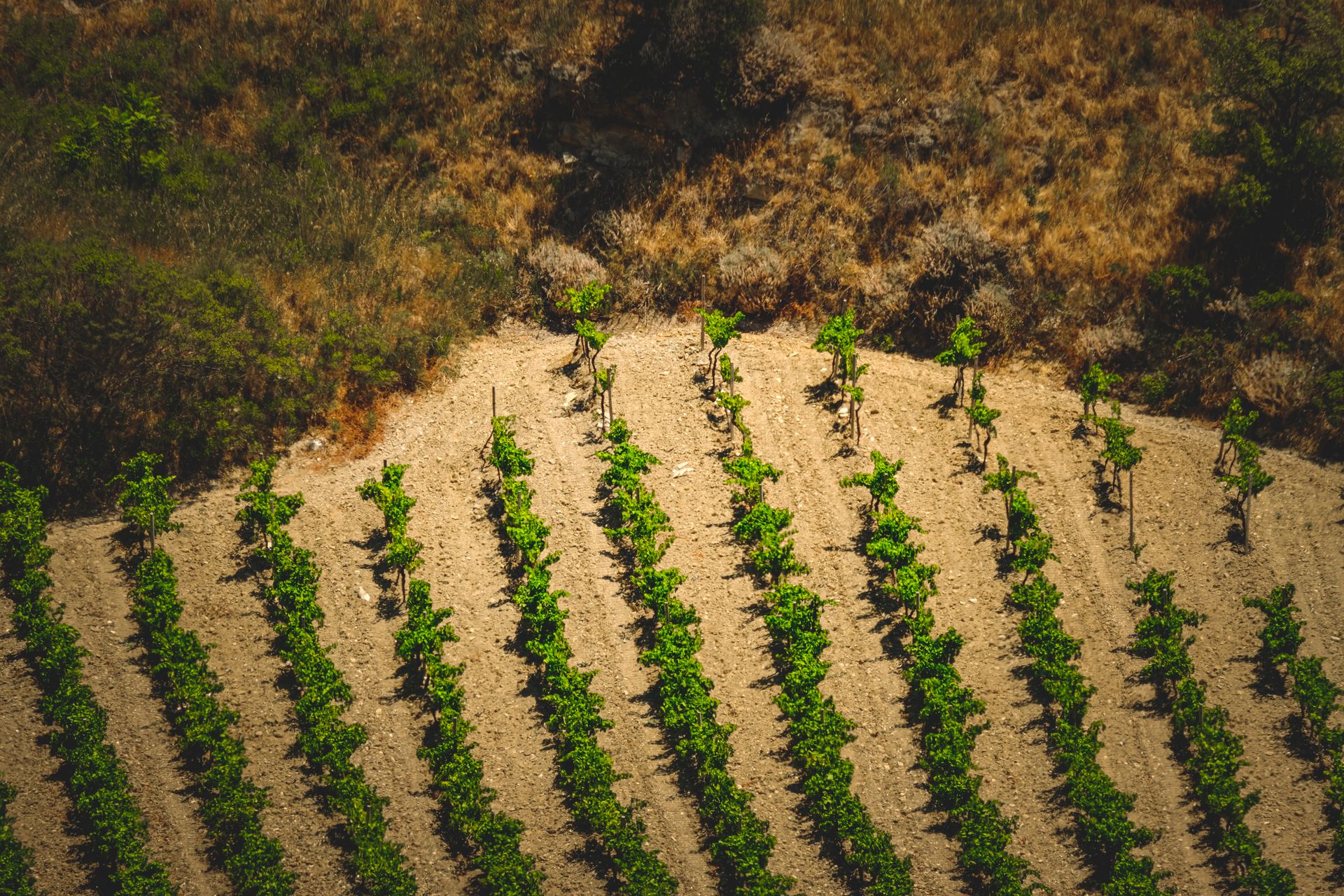
Hermitage, one of the most celebrated appellations in the Northern Rhône, is a true testament to the power of terroir. This small yet mighty hill, overlooking the Rhône River, produces some of the world’s most sought-after wines, known for their intensity, complexity, and remarkable aging potential. The secret to Hermitage’s success lies in its unique combination of soil, sun exposure, and microclimate, each element working in harmony to create wines that are as distinctive as the landscape itself. For the wine connoisseur, understanding Hermitage’s terroir is key to appreciating the unparalleled character of this iconic region.
diverse soils: a mosaic of flavors
The hill of Hermitage is a geological marvel, offering a rich diversity of soil types that contribute to the complexity of its wines. These soils are integral to the Syrah, Marsanne, and Roussanne grapes that thrive here, each parcel lending its own influence to the final blend.
- granite and mica: The upper slopes of Hermitage are dominated by granite and mica-rich soils, which impart structure and minerality to the wines. Syrah planted here produces wines with intense aromas of black fruit, graphite, and a signature peppery note, reflecting the stony resilience of the soil. The steepness of these slopes also forces the vines to develop deep root systems, enhancing the concentration and complexity of the wines.
- alluvial and clay-limestone: Moving down the hill, the soils transition to a mix of alluvial deposits and clay-limestone. These areas are ideal for Marsanne and Roussanne, the two white varietals that define Hermitage Blanc. The clay-limestone adds weight and richness to the wines, resulting in whites with a full-bodied texture, notes of honeyed stone fruit, and a subtle salinity that reflects the terroir’s mineral depth.
- silica and loess: In certain areas, silica and loess soils contribute to a lighter, more refined expression of Syrah. These soils help produce wines with elevated aromatics and a silky mouthfeel, showcasing a more elegant side of Hermitage. The diversity of these soils allows winemakers to craft blends that are both powerful and nuanced, with each parcel offering a unique dimension to the wine.
optimal sun exposure: a southern suntrap
Hermitage’s southern exposure is a defining feature of its terroir, giving the vines full access to the sun’s warmth throughout the growing season. This exposure plays a crucial role in the ripening process, especially for Syrah, which benefits from the intense sunlight to develop its characteristic flavors and tannic structure.
- maximizing ripeness: The southern orientation ensures that the grapes receive ample sunlight, leading to full phenolic ripeness and a concentration of sugars and flavors. This is particularly important for Syrah, which develops deep, rich notes of blackberry, plum, and spice under the intense sun. The result is wines with remarkable depth and a power that speaks to the strength of the sun-drenched slopes.
- evening cool-down: While the days can be hot, Hermitage’s elevated position allows for significant temperature drops at night. This diurnal variation preserves the grapes’ natural acidity, providing a balance to the wine’s richness. The cool nights also contribute to the freshness and aging potential of Hermitage wines, giving them a refined structure and a vibrant energy that endures over time.
the mistral wind and microclimate: nature’s balancing act
Hermitage enjoys a unique microclimate, influenced by the cooling effects of the Mistral wind, which sweeps down from the Alps and moderates the intense heat of the Rhône Valley. This interplay between warmth and wind creates an ideal environment for grape cultivation, where the elements work in concert to enhance the quality of the wines.
- the mistral’s cleansing power: The Mistral plays a vital role in keeping the vineyards dry, reducing the risk of rot and disease by sweeping away moisture and maintaining healthy, well-ventilated vines. This natural airflow enables organic and biodynamic practices, as it minimizes the need for chemical interventions, allowing the terroir to shine through with purity and authenticity.
- maintaining freshness: By tempering the heat, the Mistral helps preserve the grapes’ acidity, contributing to the balance and longevity of the wines. This is especially important for the white varietals, Marsanne and Roussanne, which rely on acidity to balance their rich, opulent profiles. The wind’s cooling effect also enhances the aromatic intensity of Syrah, bringing out floral and spicy notes that add complexity to Hermitage’s already layered profile.
an iconic terroir with timeless appeal
Hermitage’s unique terroir is a blend of geological diversity, optimal sun exposure, and a microclimate shaped by the Mistral. These elements converge to create wines of extraordinary power, elegance, and aging potential—wines that reflect the character of the land with every sip. For the affluent wine lover, Hermitage offers more than just exceptional flavors; it offers a connection to the timeless forces of nature that have shaped this legendary hill for centuries.
Whether you’re savoring a robust Hermitage Rouge with notes of black fruit and spice, or a complex Hermitage Blanc with its honeyed, mineral undertones, each glass is an invitation to explore one of the Rhône Valley’s most celebrated terroirs. This is Hermitage: a place where the elements meet to create wines that are both a testament to tradition and a tribute to the enduring beauty of the natural world.