

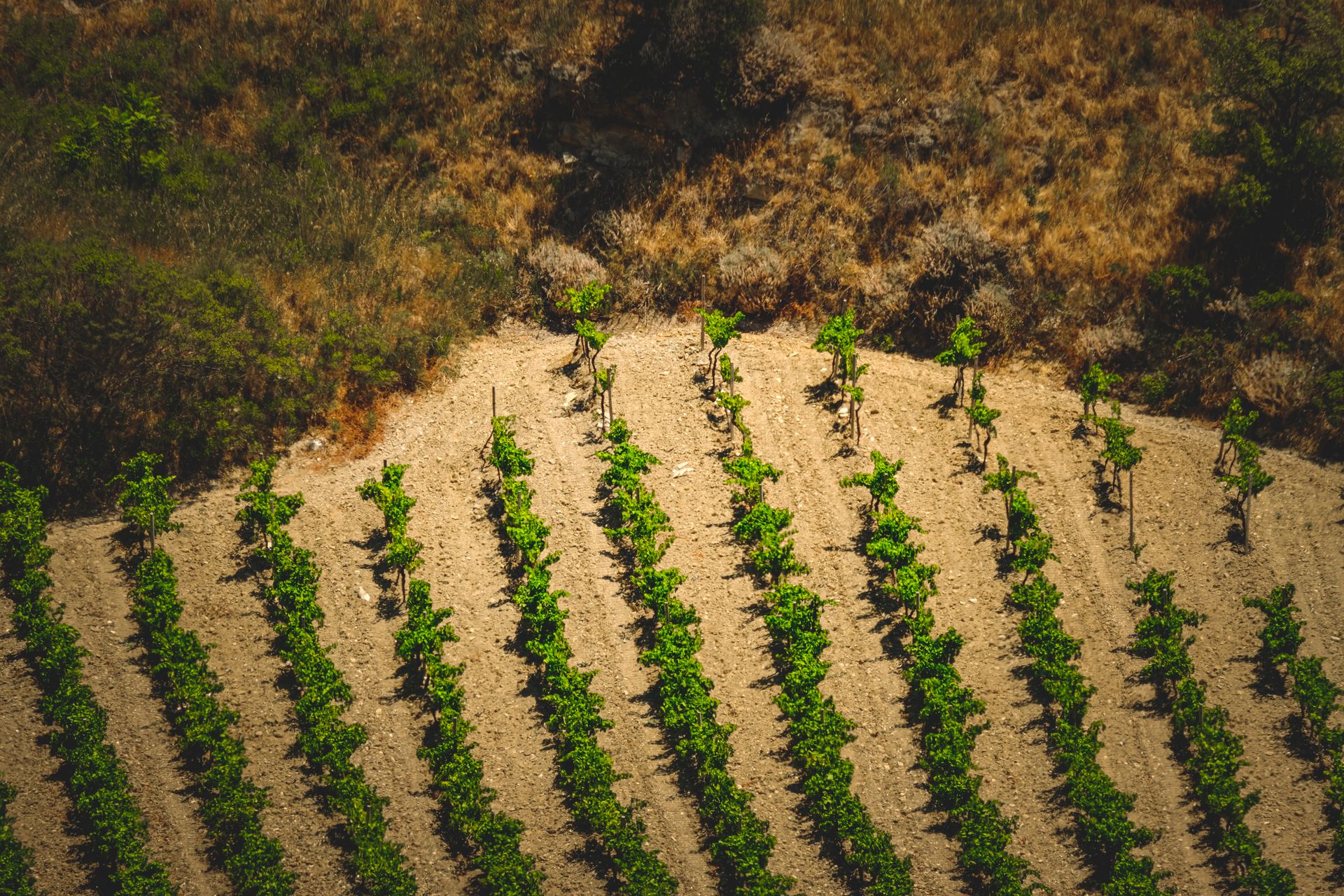
In the prestigious appellation of Hermitage, where terroir and tradition converge, old vines hold a revered place. These venerable vines, some of which are over 80 years old, contribute to wines of exceptional concentration, depth, and complexity. For wine experts and collectors, understanding the influence of old vines is key to appreciating the unique qualities that set Hermitage apart in the Rhône Valley and the broader world of fine wine.
The impact of old vines: why age matters
Old vines, or _vieilles vignes_, refer to grapevines that are typically 30 years or older. In Hermitage, many vines reach much greater ages, creating wines with an intensity and character that younger vines simply cannot match. This is due to several factors inherent to the aging process of the vine:
1. Lower yields, greater concentration: As vines age, their yield naturally decreases. While this means fewer grapes, the resulting fruit is more concentrated, with thicker skins and smaller berries that contain higher levels of phenolic compounds. This concentration translates into wines with richer color, more intense flavors, and greater aromatic complexity.
2. Deep root systems and terroir expression: Over decades, old vines develop extensive root systems that penetrate deep into the soil. This allows them to access water and nutrients from lower layers of the earth, which younger vines cannot reach. In Hermitage, where the soils are rich in granite, clay, and schist, these roots draw up unique minerals, imparting a distinct sense of place to the wine. The result is a wine that reflects the terroir with remarkable precision, delivering flavors that are both complex and finely tuned.
3. Resilience and vintage consistency: Old vines are typically more resilient to environmental stresses, such as drought, heat, and disease. Their established root systems help them survive challenging conditions, which is increasingly important as climate change introduces greater variability. In Hermitage, this resilience translates to wines that maintain a high level of quality and character across vintages, offering collectors a reliable reflection of the terroir year after year.
How old vines influence Hermitage wines
The presence of old vines is felt in every aspect of Hermitage wines, from their structure to their aging potential. Here are some key ways old vines shape these renowned wines:
- Enhanced flavor concentration and complexity: The low yields of old vines result in wines with concentrated flavors of black fruits, such as blackberry, cassis, and plum, along with earthy notes of truffle, leather, and graphite. These wines often display layers of flavor that unfold over time, offering a multifaceted tasting experience that evolves in the glass.
- Tannic structure and age-worthiness: Hermitage wines from old vines possess a robust tannic structure, making them ideal candidates for long-term aging. These wines have a firm backbone that allows them to develop secondary and tertiary aromas over decades, revealing subtle nuances of spice, forest floor, and dried herbs. This structure, combined with the depth of flavor, makes old vine Hermitage wines some of the most rewarding for collectors with the patience to cellar them.
- Terroir-driven minerality and balance: The deep root systems of old vines imbue the wines with a pronounced minerality, often described as a stony or saline quality that reflects Hermitage’s unique soils. This minerality adds complexity and balance, counteracting the richness of the fruit and ensuring that the wines remain vibrant and fresh, even as they age.
Notable parcels and old vines in Hermitage
In Hermitage, certain parcels are particularly known for their old vines, which contribute to the appellation’s most iconic wines. Here are some notable examples:
- Le Méal: Many vines in Le Méal are over 50 years old, producing Syrah with remarkable power and concentration. These old vines enhance the warmth and depth typical of Le Méal, resulting in wines with lush textures and a profound, layered complexity.
- L’Ermite: Known for its austere and mineral-driven profile, L’Ermite’s old vines yield some of the longest-lived wines in Hermitage. The ancient vines here amplify the granite-derived minerality and provide a structured, tannic backbone that allows the wines to evolve gracefully over decades.
- Les Bessards: Home to some of the oldest vines in Hermitage, Les Bessards produces wines that are both complex and balanced. The deep-rooted vines here contribute to a distinct iron-rich minerality, with notes of dark fruit, herbs, and an underlying earthiness that reflects the character of the schist and clay soils.
The art of working with old vines
Working with old vines requires skill and patience, as these venerable plants need special care to thrive. Winemakers often adopt sustainable and biodynamic practices to support vine health and longevity, ensuring that these vines can continue to produce for decades to come. The yields may be low, but the rewards are immense, resulting in wines that capture the essence of Hermitage in its purest and most profound form.
Why old vines matter to collectors and connoisseurs
For collectors and enthusiasts, Hermitage wines from old vines offer an unparalleled tasting experience. These wines encapsulate the history and heritage of the appellation, with a concentration, depth, and sense of place that is impossible to replicate. They are a testament to the resilience of the vines and the dedication of the winemakers who honor their legacy.
Old vines in Hermitage are more than just a testament to time; they are a living link to the terroir, offering wines of extraordinary complexity and character. For those who seek wines with depth, age-worthiness, and an authentic expression of place, Hermitage’s old vines stand as one of the region’s greatest treasures.