

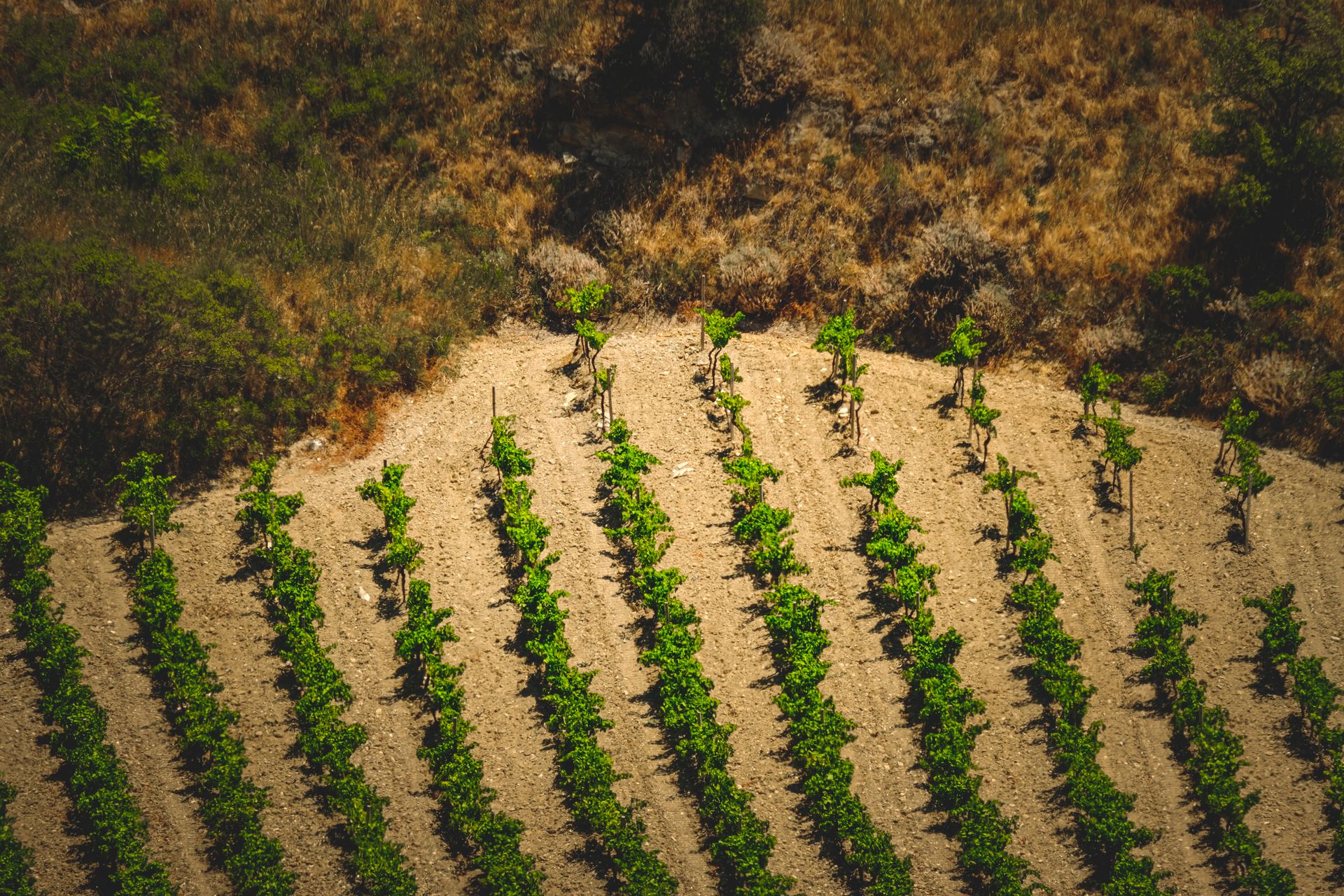
Hermitage, with its iconic hill dominating the northern Rhône landscape, is an appellation of immense complexity and diversity. The wines produced here owe their character not only to the Syrah, Marsanne, and Roussanne grapes but also to the intricate tapestry of micro-terroirs that make up this legendary region. Each of these micro-terroirs—Le Méal, L’Ermite, Les Bessards, Les Greffieux, and more—offers unique soil compositions, exposures, and elevations, resulting in wines with distinct profiles. For wine experts, understanding these micro-terroirs provides insight into the subtle nuances that define Hermitage’s extraordinary wines.
Le Méal: sun-soaked richness
Situated on the southern side of the hill, Le Méal is one of Hermitage’s warmest micro-terroirs. This parcel is defined by gentle slopes and soils of large, heat-retaining galets roulés (rounded stones) mixed with clay.
- Soil and microclimate: The galets absorb sunlight during the day and radiate heat during the night, extending the ripening period and concentrating the grapes’ flavors. This warmth is perfect for Syrah, producing wines with deep fruit flavors, while the clay provides ample moisture retention, which supports steady vine growth even in drier conditions.
- Wine profile: Wines from Le Méal are typically lush, full-bodied, and expressive, with flavors of ripe blackberries, licorice, and violets. They have a rounded, velvety mouthfeel and a powerful, sunny character that makes them more approachable in their youth but with the structure to age gracefully.
L’Ermite: granite purity and power
L’Ermite, perched at the summit of the Hermitage hill, is known for its high elevation and poor, rocky soils composed mainly of granite. This exposure to the elements and the thin, stony soil yield some of the most structured and mineral-driven wines in the appellation.
- Soil and conditions: The granite soils at L’Ermite force the vines to dig deep for nutrients, leading to low yields of intensely concentrated grapes. The high altitude and exposure to wind create a cooler microclimate, which slows ripening and preserves acidity, allowing for a longer growing season.
- Wine profile: Wines from L’Ermite are often intense and structured, with a firm tannic backbone and vibrant acidity. The granite soil imparts a strong minerality, with flavors of black fruit, cassis, and a distinctive graphite note. These wines require time to develop but reward patience with complex, evolving aromas of smoke, leather, and truffle.
Les Bessards: complexity from diverse soils
Les Bessards is located on the western slope of the Hermitage hill, where the soils are a complex mix of granite, clay, and iron-rich schist. This diversity within the parcel contributes to wines with a remarkable balance of power, elegance, and aromatic complexity.
- Soil diversity: The combination of granite and clay allows for both drainage and moisture retention, creating a stable environment for the vines. The iron-rich schist adds depth to the wines, bringing a unique earthy and savory element to the flavor profile.
- Wine profile: Les Bessards produces wines that are intense yet refined, with flavors of dark berries, plum, and hints of wild herbs and spices. The tannins are robust but finely grained, and there is a characteristic iron note that gives these wines a distinctive, almost ferrous minerality. With time, the wines from Les Bessards develop layers of complexity, showing notes of dried herbs, black olive, and an earthy richness.
Les Greffieux: elegance from the lower slopes
Les Greffieux is located on the lower slopes near the Rhône River, with fertile alluvial soils that provide an ideal environment for both Syrah and the white varietals Marsanne and Roussanne.
- Soil composition and climate: The soils in Les Greffieux are a mix of gravel, clay, and silt, which contribute to vigorous vine growth and generous yields. This area benefits from a milder microclimate, moderated by the proximity to the river, which helps maintain the freshness of the grapes.
- Wine profile: Wines from Les Greffieux are known for their elegance and finesse, often displaying softer tannins and a more supple texture compared to the wines from higher slopes. The Syrah here exhibits red fruit flavors, such as raspberry and cherry, with subtle floral notes and a touch of spice. These wines are approachable earlier than those from other micro-terroirs but also have the capacity to age and evolve beautifully.
Maison Blanche: the birthplace of white Hermitage
Maison Blanche, situated at the eastern edge of the hill, is renowned for producing some of the finest white Hermitage wines. The limestone-rich soils and cooler exposure are ideal for Marsanne and Roussanne, resulting in wines of remarkable clarity and complexity.
- Soil and varietal influence: The limestone in Maison Blanche’s soils contributes to the crisp acidity and minerality that define Hermitage’s white wines. This terroir allows Marsanne and Roussanne to develop delicate aromatics and layered flavors, with a freshness that enhances their aging potential.
- Wine profile: The white wines from Maison Blanche are rich and textured, with notes of pear, honey, and toasted almond. They possess a refined minerality and a vibrant acidity that allows them to age for decades, during which they gain complexity, evolving into flavors of dried apricot, beeswax, and truffle.
The synergy of Hermitage’s micro-terroirs
In Hermitage, the diversity of micro-terroirs allows winemakers to craft wines that embody the complexity of the region. Some producers choose to highlight individual terroirs through single-parcel bottlings, offering a pure expression of each unique site. Others blend grapes from multiple micro-terroirs to create a harmonious and layered wine that captures the essence of Hermitage as a whole.
Understanding these micro-terroirs provides insight into the nuanced character of Hermitage wines. From the sunny richness of Le Méal to the structured power of L’Ermite and the elegance of Les Bessards, each parcel contributes its own signature to the tapestry of flavors that make Hermitage one of the most revered appellations in the Rhône Valley. For the wine expert, exploring these terroirs offers a journey into the heart of Hermitage, where tradition, terroir, and technique converge to create wines of unparalleled depth and complexity.