

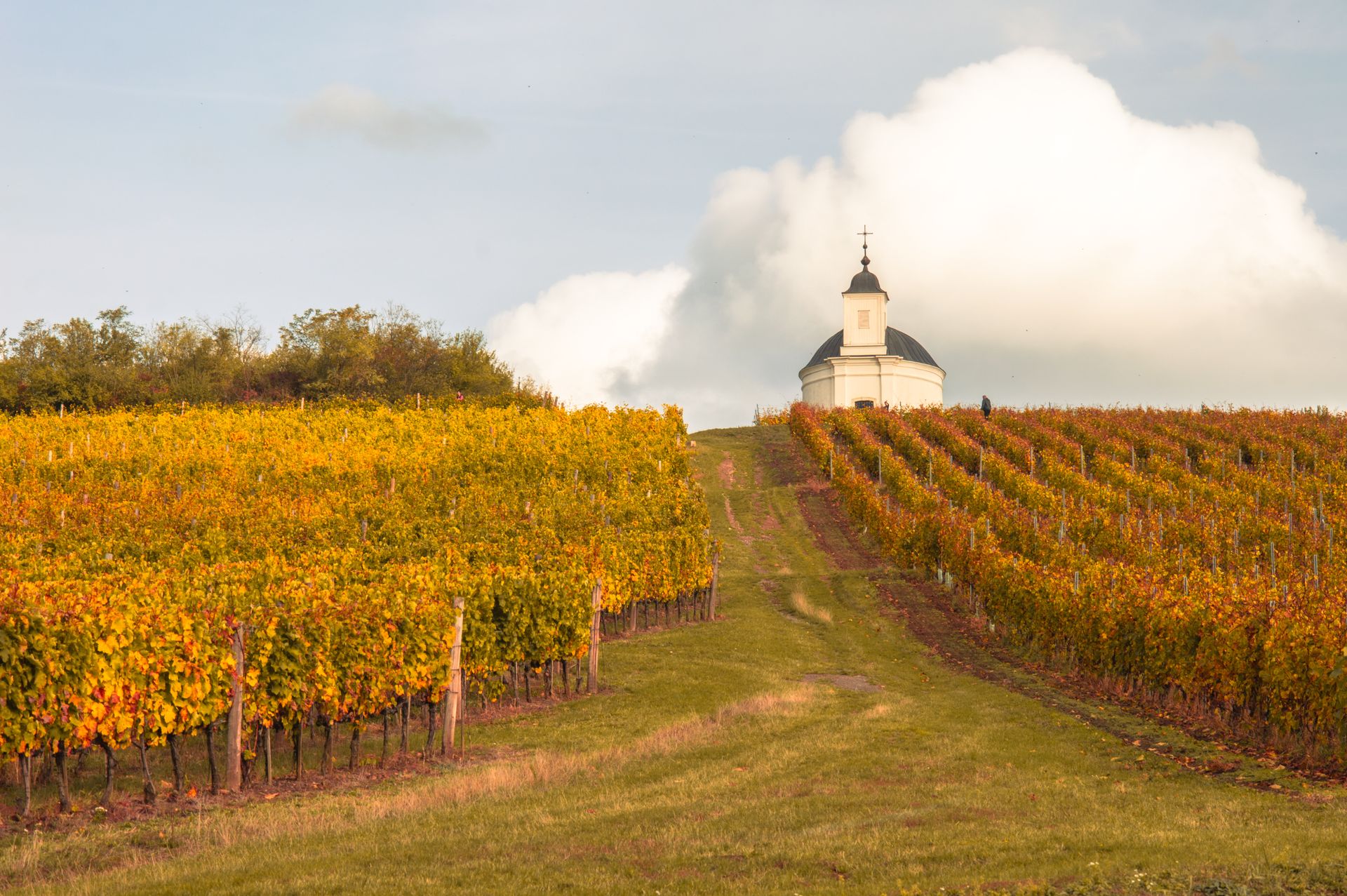
Grenache is the cornerstone of Côte du Rhône Villages wines, bringing warmth, richness, and versatility to the blends that define this diverse appellation. As the leading grape, Grenache thrives across a range of terroirs, adapting its profile to the specific soil, climate, and elevation of each village. For experts, understanding the role of Grenache offers insights into how this grape shapes the character, structure, and aging potential of Côte du Rhône Villages wines.
Grenache: the adaptable powerhouse
Grenache is prized for its ability to thrive in warm climates, and the Rhône Valley’s sunny, Mediterranean conditions are ideal for this grape. Its resilience to drought and wind makes it well-suited to the region’s often rugged terroirs, and its natural ripeness brings both power and approachability to the wines.
- Drought and heat tolerance: Grenache’s thick skin and ability to withstand dry conditions allow it to flourish in the hot summers of the Rhône. The grape’s resistance to drought is crucial in the increasingly warm and dry vintages, as it ensures consistency in both quality and yield, even in challenging years.
- Adaptability across terroirs: Grenache’s adaptability means that it can take on different expressions depending on the specific terroir. On sandy soils, it produces lighter, more perfumed wines with red fruit and floral notes. In contrast, Grenache grown on limestone or clay exhibits a fuller body and darker fruit profile, with earthy undertones. This flexibility allows winemakers to craft wines that reflect the unique character of each village within the Côte du Rhône Villages designation.
Flavor profiles: a spectrum of red fruit, spice, and herb
Grenache’s hallmark flavors are rich and expressive, with a range that includes bright red fruit, warm spices, and a touch of savory herbs. This spectrum of flavors is influenced by the grape’s ripeness at harvest, the terroir, and the winemaking techniques employed.
- Red fruit dominance: Grenache is known for its vibrant red fruit notes, such as cherry, raspberry, and strawberry. These flavors are typically bright and juicy in young wines, providing an immediate appeal and a sense of freshness. With age, these fruit notes evolve, becoming more concentrated and taking on a dried fruit quality, often reminiscent of fig or plum.
- Warm spices and earthy notes: The warm climate of the Rhône accentuates Grenache’s natural spice profile, with flavors of cinnamon, black pepper, and sometimes a hint of cocoa. On clay and limestone soils, Grenache can develop an earthy complexity, with subtle notes of garrigue, a mix of wild herbs like thyme, rosemary, and lavender, that is characteristic of the southern Rhône landscape.
- Herbal and floral undertones: In certain terroirs, particularly those with sandier soils or higher elevations, Grenache can also display delicate floral aromas, such as violet or rose, alongside herbaceous notes. These subtle layers add complexity to the wine, enhancing its aromatic appeal and creating a more refined profile.
Grenache’s role in structure and blend
In Côte du Rhône Villages wines, Grenache forms the backbone of the blend, typically complemented by Syrah, Mourvèdre, and sometimes other Rhône varieties. Each of these grapes adds its own qualities, but Grenache remains the foundation that provides warmth, body, and fruit-forward intensity.
- Balancing power with elegance: Grenache’s natural warmth and moderate acidity provide a round, velvety texture that fills out the mid-palate. When blended with Syrah, which brings structure and darker fruit flavors, or Mourvèdre, which adds tannin and earthy complexity, Grenache helps create a harmonious wine with both depth and balance. The flexibility of Grenache makes it a perfect partner for these grapes, allowing for blends that can range from approachable and easy-drinking to complex and age-worthy.
- Tannin and aging potential: While Grenache generally has softer tannins compared to Syrah and Mourvèdre, it still contributes structure to the blend. In warmer vintages or when yields are reduced, Grenache can exhibit more pronounced tannins, which enhance the wine’s ability to age. In Côte du Rhône Villages, wines with a higher proportion of Grenache often showcase a plush, silky mouthfeel, with tannins that mellow with time, allowing the wine to develop complex tertiary notes like leather, tobacco, and dried herbs.
Grenache’s versatility across Côte du Rhône Villages
Grenache’s adaptability allows it to reflect the unique characteristics of each named village within the Côte du Rhône Villages designation, contributing to the individuality and diversity of the wines produced here.
- Cairanne: In Cairanne, Grenache produces wines with bold fruit flavors, firm tannins, and a rich, full-bodied structure. The clay-limestone soils bring out Grenache’s deeper, darker fruit qualities, with a balance of spice and earthiness that lends itself to extended aging.
- Rasteau: Known for its robust and often brooding wines, Rasteau’s Grenache is particularly intense, with ripe, concentrated flavors of blackberry, fig, and spice. The wines from Rasteau have a higher alcohol content, adding to their warmth and power, and are often noted for their long aging potential.
- Séguret: In Séguret, Grenache expresses a lighter, more aromatic profile, with bright red fruit, floral notes, and a touch of minerality. The wines are typically more elegant, with a fine tannic structure and a fresh, lifted finish, making them accessible in their youth but capable of developing further complexity over time.
The future of Grenache in Côte du Rhône Villages
As climate change affects growing conditions across the Rhône Valley, Grenache’s resilience and adaptability ensure that it will continue to play a central role in Côte du Rhône Villages wines. Many winemakers are exploring lower-intervention techniques and sustainable practices to further enhance Grenache’s ability to reflect terroir, while others are experimenting with varying proportions of Grenache in blends to bring out different facets of this versatile grape.
For wine experts, Grenache’s role in Côte du Rhône Villages is a testament to the grape’s power, warmth, and adaptability. Its capacity to thrive across diverse terroirs, combined with its rich flavor profile and structural versatility, ensures that Grenache remains at the heart of this appellation’s character. As winemakers continue to push the boundaries of quality and expression, Côte du Rhône Villages wines promise to showcase even more of what makes Grenache such a cherished grape in the world of Rhône wines.