

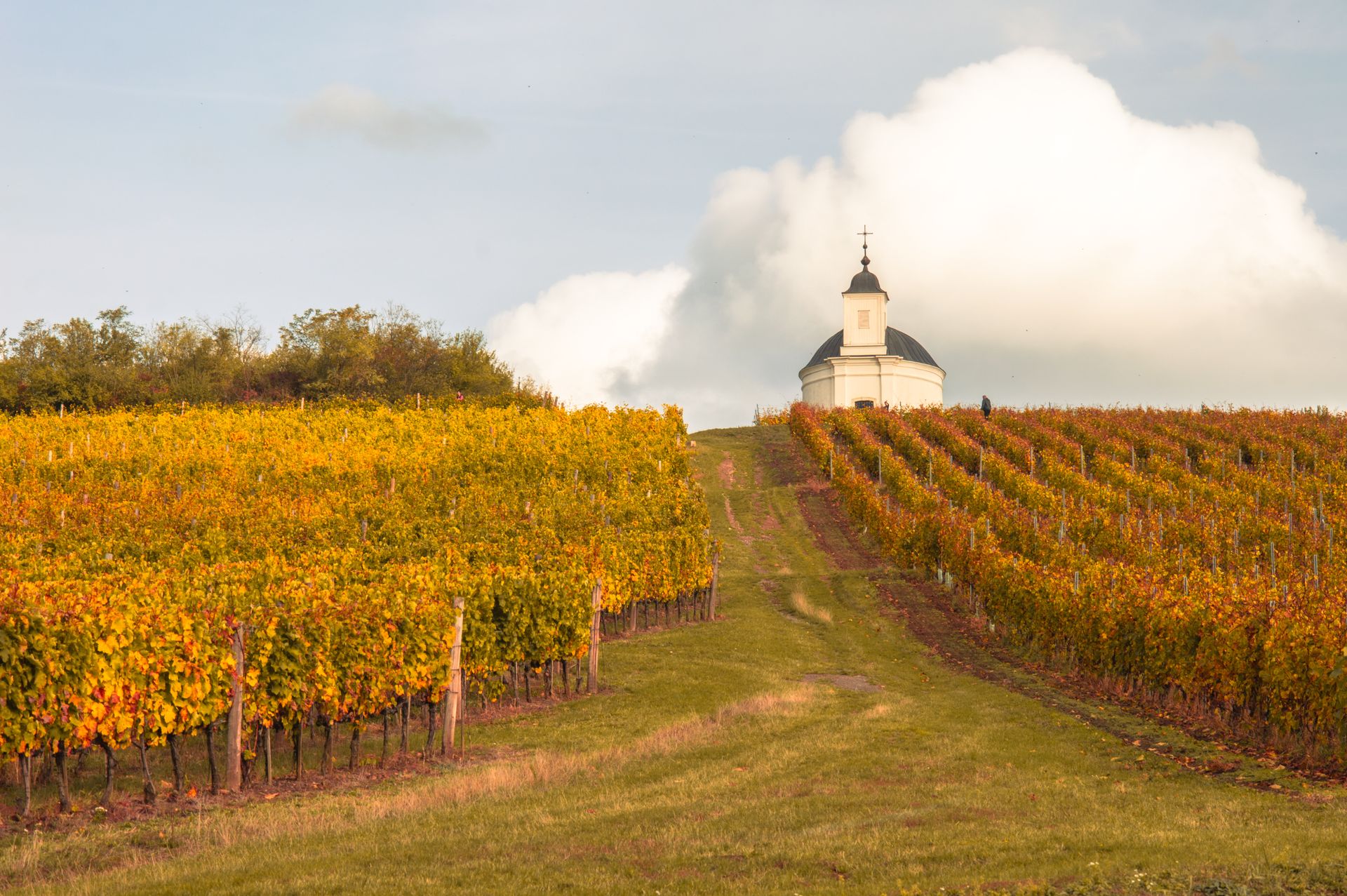
Côte du Rhône Villages, a dynamic appellation known for its diversity and terroir-driven wines, is home to some of the Rhône Valley's most expressive yet accessible wines. While regulations set minimum quality standards for this classification, it’s the winemakers’ dedication to advanced vineyard management and yield control that truly elevates the wines from this region. For experts seeking a deeper understanding of what makes Côte du Rhône Villages unique, a closer look at these practices reveals how they contribute to the quality and character of the wines.
Understanding the role of yield control
One of the primary tools that Côte du Rhône Villages winemakers use to improve quality is strict yield control. Yield refers to the amount of fruit harvested per hectare, and lower yields generally result in higher-quality grapes due to the concentration of flavors and phenolic compounds.
- AOC yield limits: The appellation regulations for Côte du Rhône Villages set maximum yield limits of 41 hectoliters per hectare for red wines. However, many quality-focused producers voluntarily restrict their yields further to concentrate the flavors and enhance the wine’s structure. Lower yields mean that the vine's energy is directed towards fewer grape clusters, resulting in berries with greater intensity and complexity.
- Concentration of flavors and phenolics: By limiting yields, winemakers increase the concentration of sugars, acids, and tannins in the grapes. This results in wines with more pronounced fruit flavors, firmer tannins, and a well-balanced structure that supports both immediate enjoyment and longer aging. Grenache, the dominant grape in the appellation, benefits particularly well from yield control, as it achieves a richer profile with more complex notes of dark fruit, herbs, and spices.
Canopy management: maximizing sun exposure and airflow
Effective canopy management is another critical factor in producing high-quality Côte du Rhône Villages wines. By carefully managing the vine’s foliage, winemakers can influence ripening, prevent disease, and improve grape quality.
- Balancing sun exposure: In the warm Rhône Valley climate, it’s essential to balance sun exposure to avoid over-ripening, which can lead to excessive alcohol levels and a loss of acidity. Canopy management techniques, such as leaf thinning and strategic vine training, ensure that grape clusters receive adequate sunlight while protecting them from extreme heat. This helps maintain the grape’s natural acidity, which is crucial for achieving balance and freshness in the final wine.
- Improving airflow and disease prevention: The dense canopies of Grenache and other Rhône varieties can trap moisture, increasing the risk of fungal diseases such as powdery mildew. By managing canopy density, winemakers improve airflow through the vines, reducing humidity and minimizing the need for chemical interventions. This not only contributes to healthier grapes but also supports sustainable viticultural practices, as many winemakers in Côte du Rhône Villages are moving towards organic and biodynamic farming.
Soil management: nurturing the foundation of quality
The diverse soils of Côte du Rhône Villages, ranging from limestone and clay to alluvial sand and gravel, offer a wide array of terroirs. Proper soil management ensures that each vine draws the essential nutrients it needs to produce high-quality grapes, reflecting the unique character of the soil in the wine.
- Cover cropping and soil health: Many winemakers practice cover cropping, planting grasses or legumes between the rows of vines. This not only prevents erosion on the often-sloping vineyards but also improves soil health by adding organic matter and enhancing nutrient availability. Healthy soil promotes robust vine growth and resilience, allowing vines to thrive even in challenging conditions.
- Minimizing water stress and promoting deep roots: In the Rhône Valley’s hot climate, water management is key. Many quality-focused producers avoid irrigation to encourage vines to develop deep root systems. These deep roots help vines access underground water reserves and essential minerals, resulting in grapes that reflect the unique minerality of their terroir. The depth and complexity of flavors in Côte du Rhône Villages wines are often attributed to this practice, as it leads to wines that are both terroir-driven and well-structured.
Advanced harvesting strategies: timing for optimal ripeness
Harvest timing plays a crucial role in determining the quality and style of Côte du Rhône Villages wines. The decision to harvest early or late depends on a combination of grape variety, vintage conditions, and the winemaker’s stylistic goals.
- Selective harvesting: In Côte du Rhône Villages, many producers implement selective harvesting, hand-picking only the ripest grapes. This practice ensures that only high-quality fruit makes it to the winery, free from underripe or diseased berries that could compromise the wine’s quality. Selective harvesting also allows winemakers to maintain better control over ripeness levels, achieving a balanced sugar-to-acid ratio and optimal tannin ripeness.
- Staggered harvesting for optimal blending: Grenache, Syrah, and Mourvèdre—key components of Côte du Rhône Villages blends—ripen at different rates. By harvesting these varieties at different times, winemakers can achieve the ideal balance of acidity, fruitiness, and tannic structure. This approach enhances the complexity of the final blend, with each grape variety contributing its best characteristics to the wine.
The future of vineyard management in Côte du Rhône Villages
As Côte du Rhône Villages producers continue to elevate their wines, vineyard management and yield control remain central to their efforts. An increasing number of winemakers are adopting organic and biodynamic practices, emphasizing soil health and sustainable viticulture to ensure the longevity of their vineyards and the integrity of their wines.
For wine experts and collectors, understanding these vineyard practices provides insight into the care and precision that go into each bottle of Côte du Rhône Villages wine. The commitment to quality through yield control, canopy management, soil health, and selective harvesting translates to wines that are expressive, balanced, and reflective of the diverse terroirs within the appellation. These practices are what make Côte du Rhône Villages wines not only accessible and enjoyable but also worthy of recognition on the global stage.