

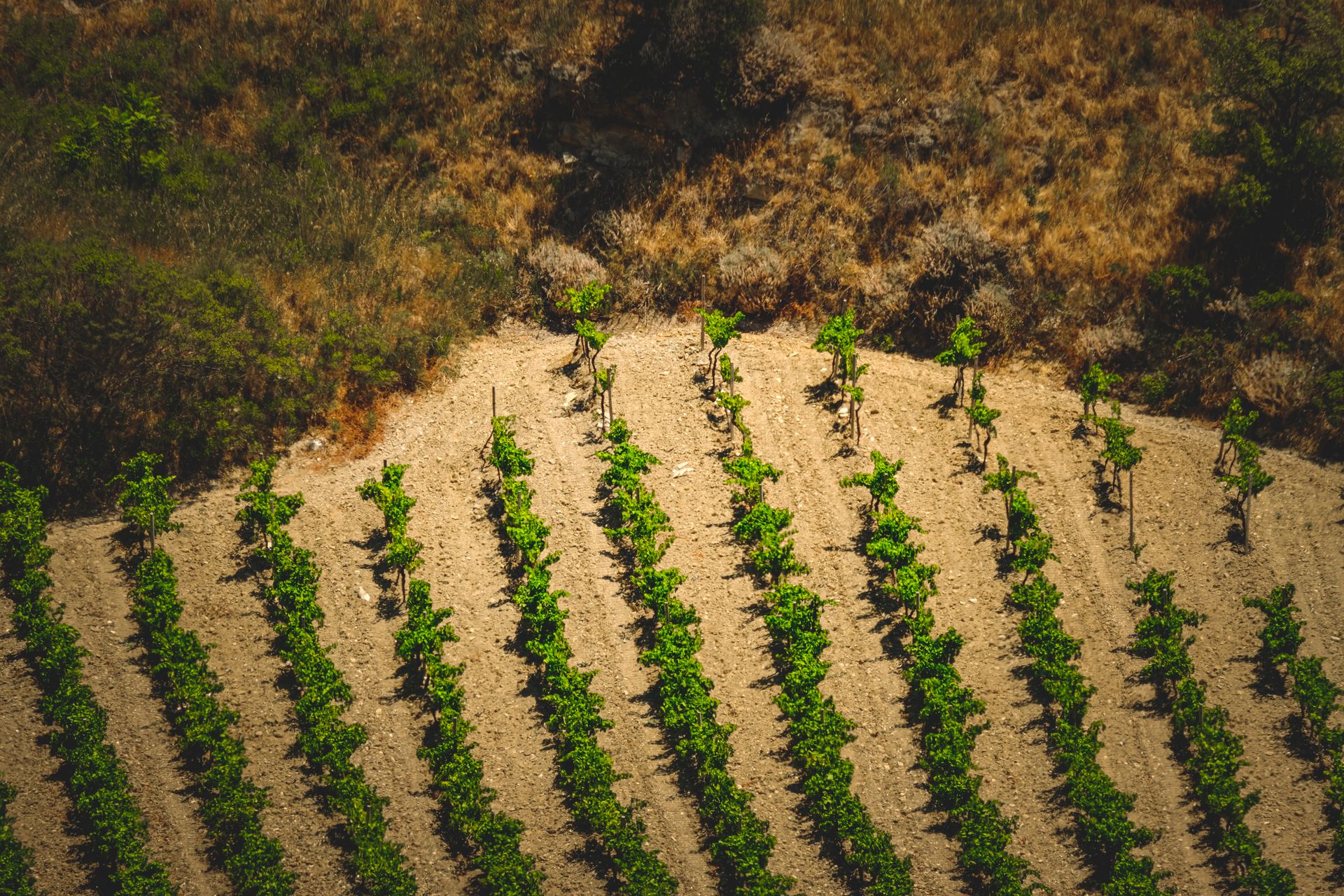
Exploring Côte-Rôtie’s Micro-Terroirs - A Deep Dive into the Nuances of Les Grandes Places, La Landonne, La Mouline, and Le Champin
For the wine expert, Côte-Rôtie is not just about the big names of Côte Brune and Côte Blonde—it’s about the smaller, individual plots, or micro-terroirs, that add layers of complexity and character to the wines. These distinctive parcels each contribute something unique, influenced by minute variations in soil composition, slope, and sunlight exposure. Understanding the specific traits of key micro-terroirs like Les Grandes Places, La Landonne, La Mouline, and Le Champin brings the artistry and precision of Côte-Rôtie into sharper focus.
Les Grandes Places: rugged intensity with a mineral edge
Located on the steeper, rocky inclines of Côte Brune, Les Grandes Places is defined by its stony, schist-rich soils, which challenge the vines and result in low yields. This micro-terroir is characterized by:
- Extreme slope and soil composition: The schist soils here are incredibly poor in nutrients, which forces the roots to dig deep into the bedrock. This process results in vines that are naturally stressed, producing smaller berries with concentrated flavors and thick skins. The wines from Les Grandes Places are dense and highly structured, with notable minerality and an earthy character.
- Flavor profile and aging potential: Les Grandes Places is known for delivering Syrah with robust tannins, smoky minerality, and flavors that evolve with each sip. Expect blackcurrant, black olive, and hints of tobacco, complemented by an underlying wet stone quality. These wines are built for the cellar, often requiring at least 10-15 years to reveal their full spectrum of secondary and tertiary notes, which include truffle, leather, and a refined graphite edge.
La Landonne: full-bodied power with elegant depth
La Landonne is often considered the epitome of Côte-Rôtie’s potential, and for good reason. Situated within Côte Brune, this micro-terroir features a distinctive combination of clay and limestone soils that create bold, age-worthy wines:
- Soil and sun exposure: The clay-limestone composition in La Landonne holds moisture well, even during dry seasons, allowing for consistent ripening. The site’s relatively cooler microclimate and eastern exposure prolong the growing season, enabling Syrah to develop complex flavors over time.
- Flavor profile and tannic structure: La Landonne wines are deep, brooding, and powerful, with intense dark fruit flavors such as black cherry, plum, and blackberry, layered with notes of licorice, black pepper, and savory herbs. These wines exhibit a massive tannic structure that integrates over years, revealing smoky, earthy undertones and a hint of iron. Known for their incredible aging potential, La Landonne wines can develop beautifully over two or even three decades, with layers of spice, dried violets, and a touch of forest floor emerging as they mature.
La Mouline: aromatic opulence with a velvety texture
Nestled within the Côte Blonde sector, La Mouline stands out due to its high proportion of Viognier, which is often co-planted with Syrah. This micro-terroir brings a distinct floral elegance and approachability to Côte-Rôtie, setting it apart with a softer style:
- Soil composition and Viognier influence: The sandy-limestone soils of La Mouline promote good drainage, which, combined with the presence of Viognier, gives these wines an aromatic lift and a unique roundness. The Viognier typically constitutes around 10-20% of the blend, adding floral notes and a silky texture that beautifully complements the Syrah’s richness.
- Flavor profile and aging: La Mouline wines are some of the most fragrant in Côte-Rôtie, with expressive aromas of violet, rose petal, peach, and apricot alongside red and black fruit flavors. The wines have a velvety mouthfeel, with tannins that are polished and well-integrated, making them more accessible in their youth compared to other micro-terroirs. However, these wines can also age gracefully, developing honeyed and nutty nuances, as well as deeper notes of dried flowers and exotic spice over time. La Mouline exemplifies how Côte-Rôtie can balance power with grace.
Le Champin: a harmonious blend of structure and finesse
Le Champin sits at the intersection of Côte Brune and Côte Blonde, giving it a unique position that draws characteristics from both areas. With mixed soils of schist, clay, and limestone, Le Champin produces wines that offer a nuanced balance between the structured intensity of Côte Brune and the elegance of Côte Blonde:
- Soil diversity and balanced microclimate: The variation in soil types within Le Champin allows the Syrah here to take on both power and elegance. The clay content contributes to the wine’s body and structure, while the limestone and schist add finesse and mineral depth. Its location benefits from balanced sunlight exposure, allowing for even ripening and a well-rounded profile.
- Flavor profile and versatility: Le Champin wines display a complex array of flavors, ranging from dark berries and plum to red currant and wild herbs. The wines often feature floral accents, like lavender and thyme, along with a subtle, savory backbone. With a tannic structure that’s firm but not overpowering, Le Champin wines are versatile, showing well both in their youth and after aging. Over time, they reveal layers of leather, dried herbs, and a touch of mineral salinity, speaking to their origins straddling Côte-Rôtie’s two iconic slopes.
harnessing micro-terroirs for precision winemaking
In Côte-Rôtie, winemakers are acutely aware of the specific characteristics of each micro-terroir and use them to craft wines that reflect the land with remarkable precision. Some producers bottle wines from single micro-terroirs like Les Grandes Places or La Landonne, allowing the individual site characteristics to take center stage. Others blend parcels from different micro-terroirs, achieving a layered complexity that speaks to the region’s diversity.
This focus on micro-terroirs not only enhances Côte-Rôtie’s reputation for quality but also offers wine experts a way to explore the region’s wines on a more granular level. Each glass tells the story of its specific site, revealing the nuanced interplay between soil, climate, and varietal. As Côte-Rôtie’s winemakers continue to explore and honor these micro-terroirs, they are preserving a tradition of excellence while pushing the boundaries of what Syrah can express in this remarkable appellation.