

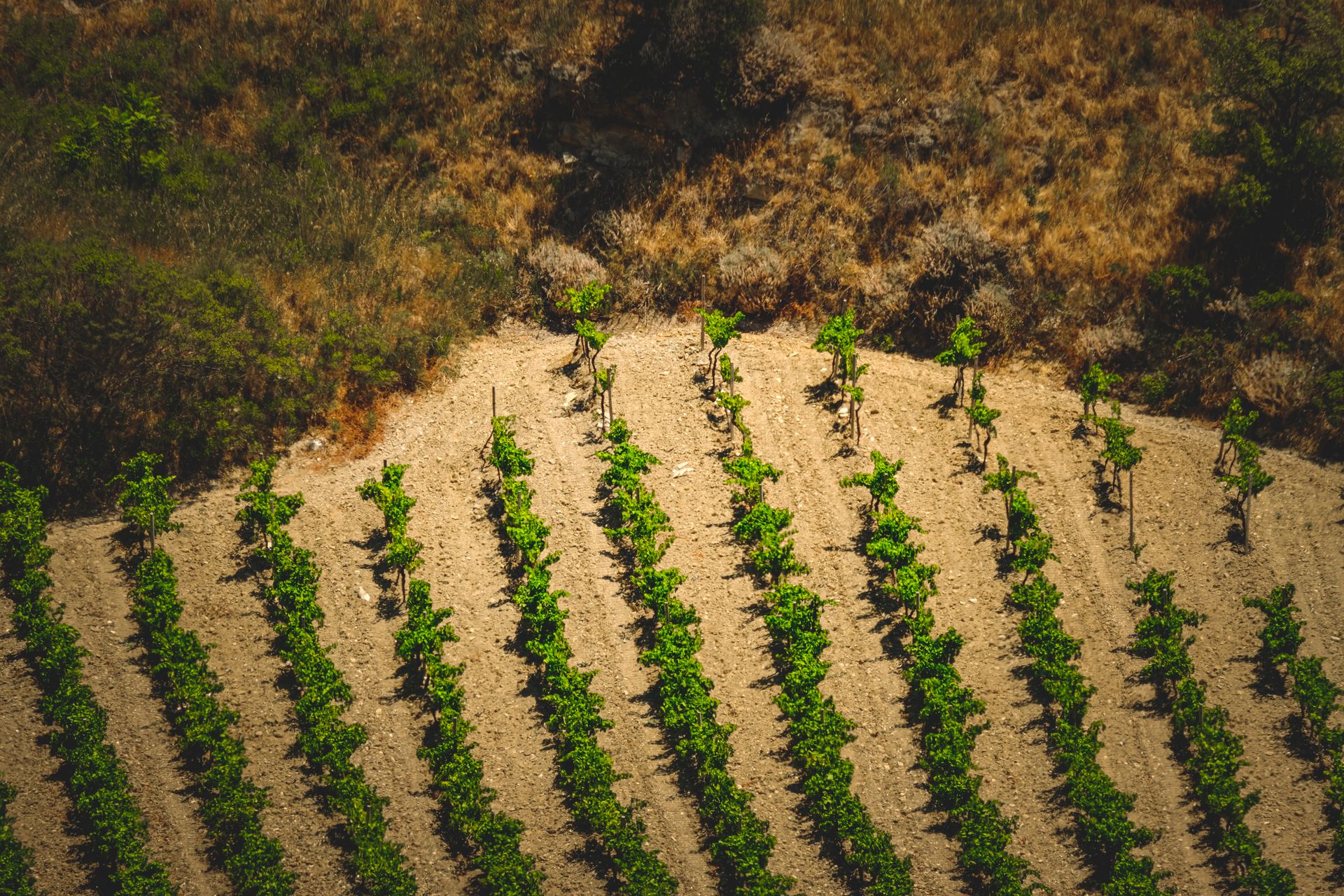
As one of the world’s most revered wine regions, Côte-Rôtie is known for its exceptional Syrah and its distinct terroir shaped by centuries of tradition. But as climate change transforms weather patterns, even Côte-Rôtie’s steep slopes and ancient soils are feeling the effects. Rising temperatures, altered rainfall, and shifting growing seasons are impacting grape ripening and the style of wines produced, pushing winemakers to adapt and innovate. This new reality poses challenges, but it also offers an opportunity for Côte-Rôtie to redefine itself in an era of change.
Rising temperatures and the ripple effect on Côte-Rôtie’s wines
Côte-Rôtie’s cool, continental climate has long played a critical role in defining the character of its wines, especially Syrah. But as temperatures rise, the balance is shifting:
1. Earlier ripening and bolder flavors: Warmer growing seasons are causing grapes to ripen faster, which often results in higher sugar levels and, subsequently, more alcohol in the finished wine. Côte-Rôtie’s Syrah is showing riper, more concentrated fruit flavors, sometimes at the expense of the savory, peppery notes that the region is known for. This could appeal to those who enjoy powerful wines, but it raises questions about Côte-Rôtie’s classic profile.
2. Lower acidity and its impact on aging: The region’s wines are prized for their structure and ability to age gracefully over decades. However, as acid levels decrease with rising temperatures, the wines’ long-term aging potential could be affected. Winemakers are concerned that Côte-Rôtie’s reputation for age-worthy wines might be challenged if these trends continue.
3. Altered harvest times and unpredictability: Rising temperatures mean earlier harvests, sometimes by several weeks. This brings a new level of unpredictability, as winemakers must carefully monitor ripeness to pick at the perfect moment. Early harvests can expose vines to late-spring frosts, making the window for optimal picking even tighter.
Adapting to climate change: Côte-Rôtie winemakers innovate
Côte-Rôtie winemakers are adapting to these changes with a range of techniques, all aimed at preserving the region’s unique style while responding to the challenges of a warmer climate:
1. Canopy management and shade techniques: Winemakers are adjusting how they manage vine canopies, using leaf cover to protect grapes from direct sunlight. By reducing sun exposure, they can slow ripening, allowing flavors to develop more gradually and retaining more acidity in the grapes.
2. Exploring cooler sites and higher altitudes: With the steep, terraced vineyards that already offer varied exposures, some winemakers are planting on higher slopes to benefit from cooler temperatures. This approach not only helps mitigate the effects of warming but also opens the door to discovering new facets of Côte-Rôtie’s terroir.
3. Selective irrigation and soil management: Although irrigation is heavily regulated, some producers are experimenting with techniques to retain soil moisture, like planting cover crops. These crops reduce evaporation and help maintain soil structure, allowing vines to better withstand both drought and extreme rain events.
4. Earlier harvests and precise timing: The challenge of earlier ripening has led to adjustments in harvest timing, with winemakers often picking earlier to retain acidity and control alcohol levels. Some are experimenting with cooling during fermentation, which helps preserve the freshness and complexity that define Côte-Rôtie’s wines.
5. Blending innovations and clonal selection: To counterbalance Syrah’s increased ripeness, some winemakers are incorporating more Viognier in co-fermentation, as its natural acidity helps offset the riper Syrah. Additionally, new Syrah clones that are more resilient to heat and drought are being explored, helping to preserve the classic profile even as conditions change.
Embracing the challenge: Côte-Rôtie’s evolving identity
While climate change presents undeniable challenges, it also pushes Côte-Rôtie’s winemakers to innovate in ways that keep the region at the cutting edge. Experts predict that as temperatures continue to rise, the region may see even more powerful wines with intense fruit flavors. Yet, thanks to careful vineyard management and winemaking techniques, Côte-Rôtie remains committed to preserving its distinctive style.
Côte-Rôtie’s adaptability in the face of climate change reflects the resilience of its winemakers and the enduring strength of its terroir. For collectors and enthusiasts, this evolution offers a chance to experience Côte-Rôtie in a new light—where tradition meets transformation, and where every bottle tells the story of a region redefining itself for a changing world.