

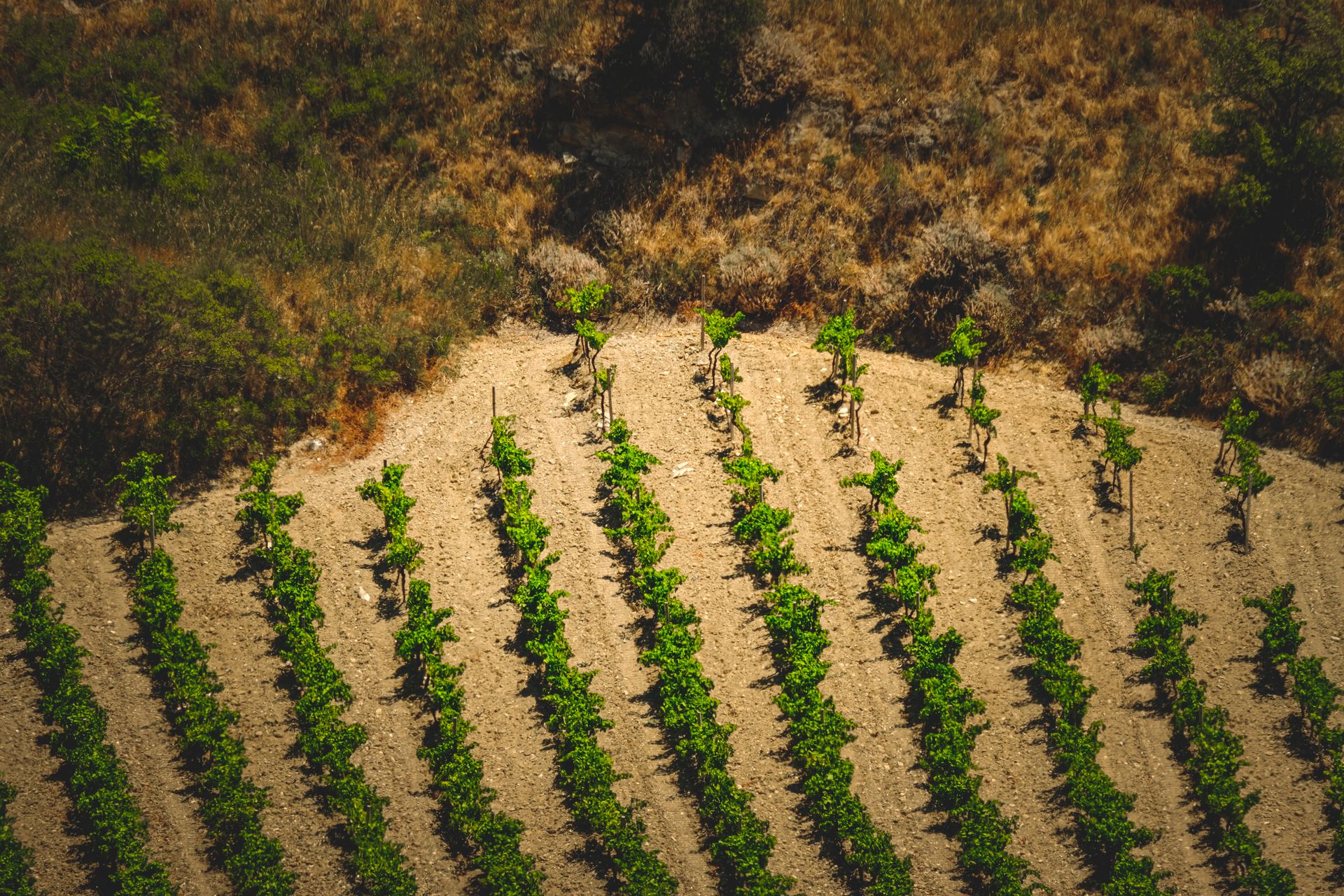
Côte-Rôtie, famed for its steep slopes and legendary Syrah, is undergoing an intriguing transformation. As more winemakers turn to organic and biodynamic practices, the region is not only safeguarding its heritage but also pushing the boundaries of terroir expression and sustainability. For wine experts, this shift means new layers of complexity and authenticity in Côte-Rôtie wines—an evolution as rooted in tradition as it is forward-thinking.
Embracing biodynamic and organic practices: what’s the difference?
Organic and biodynamic viticulture are becoming more prevalent in Côte-Rôtie, driven by a commitment to enhancing wine quality and environmental stewardship.
- Organic viticulture involves avoiding synthetic chemicals like pesticides, herbicides, and fertilizers. Instead, it uses natural alternatives, improving soil health and promoting biodiversity. Organic farming allows vines to connect more closely with the soil, giving rise to wines that are truly reflective of the land.
- Biodynamic viticulture, inspired by Rudolf Steiner’s philosophies, takes things a step further. This approach treats the vineyard as a self-sustaining ecosystem, utilizing compost preparations, herbal teas, and practices aligned with lunar cycles. Biodynamic methods enhance the vitality of the vines and the health of the vineyard, resulting in wines with a unique depth and energy.
Why Côte-Rôtie winemakers are shifting to sustainable practices
In a region as challenging as Côte-Rôtie—where steep terraced vineyards already require hands-on care—the move to organic and biodynamic methods represents both a philosophical shift and a practical one. Here’s why more winemakers are embracing this path:
1. Enhanced terroir expression: Organic and biodynamic practices allow wines to truly embody their origins. Free from synthetic chemicals, the vines draw directly from the soil’s unique minerals, leading to flavors that are purer and more reflective of Côte-Rôtie’s distinctive terroirs, like the Côte Brune and Côte Blonde.
2. Improved grape quality: Healthier soils mean healthier vines, which translates to superior grapes. Côte-Rôtie’s winemakers are finding that organic and biodynamic methods yield grapes with excellent concentration, resulting in more complex and balanced wines. For collectors and connoisseurs, this means a more authentic and terroir-driven tasting experience.
3. Sustainability and climate resilience: With climate change altering weather patterns, sustainable practices are becoming essential. Biodynamic and organic viticulture not only reduce the environmental footprint but also promote vineyard resilience. By encouraging biodiversity and improving soil structure, these methods help vineyards adapt to changing conditions, ensuring the long-term viability of Côte-Rôtie’s storied vines.
4. Long-term soil vitality: Biodynamic treatments, such as composts and herbal preparations, invigorate the soil by fostering microbial life and promoting natural nutrient cycles. This results in a robust ecosystem that supports vine health over decades, allowing winemakers to cultivate older vines that contribute to the rich character of Côte-Rôtie wines.
Challenges of going green on Côte-Rôtie’s rugged slopes
While the benefits are compelling, organic and biodynamic viticulture in Côte-Rôtie isn’t without its challenges. The steep hillsides already require manual labor, and sustainable practices can demand even more time and resources. Certification for organic and biodynamic status involves strict adherence to standards, which can be daunting for producers new to these methods. Despite these hurdles, many winemakers are undeterred, inspired by the results they see in their wines and the impact they’re having on the land.
Moreover, pioneers of these practices are sharing their knowledge, making it more feasible for others to adopt them. The result is a growing community of Côte-Rôtie producers who are working together to create a sustainable future for this historic appellation.
How biodynamic and organic practices are shaping côte-rôtie wines
For wine experts, the implications of this shift are fascinating. Organic and biodynamic Côte-Rôtie wines offer a sensory experience that speaks directly to the terroir, free from synthetic interference. Here’s what you can expect from these sustainably produced wines:
- A heightened sense of place: Wines crafted from organically and biodynamically grown grapes often show a clearer expression of terroir. Expect flavors that mirror the schist and granite soils of Côte-Rôtie, with minerality that’s both nuanced and compelling.
- Intricate aromas and flavors: With less chemical intervention, the grapes can ripen naturally, resulting in layers of flavor that unfold over time. From the floral elegance of Côte Blonde to the earthy depth of Côte Brune, these wines showcase a more nuanced profile that rewards careful tasting.
- Age-worthiness and balance: Biodynamic practices, in particular, tend to produce wines with a dynamic balance of acidity and tannin, enhancing their ability to age gracefully. For collectors, this means more opportunities to explore how Côte-Rôtie evolves over decades, revealing layers of complexity unique to each vintage.
A greener future for Côte-Rôtie
The move towards organic and biodynamic viticulture in Côte-Rôtie is more than just a trend—it’s a commitment to preserving the land and enhancing the authenticity of the wines. By embracing these practices, winemakers are safeguarding Côte-Rôtie’s legacy while innovating for the future. For those who value wines that embody both tradition and progressive thinking, these sustainably produced bottles offer a profound sense of connection to the land.
For collectors, enthusiasts, and experts alike, this new chapter in Côte-Rôtie represents an exciting evolution. As these wines reflect both the enduring strength of the terroir and the resilience of its winemakers, they invite you to experience Côte-Rôtie with a fresh perspective—one that honors the past while looking towards a vibrant, sustainable future.