

The Eiffel Tower : The beating heart of Paris
The Tower That Defines Paris
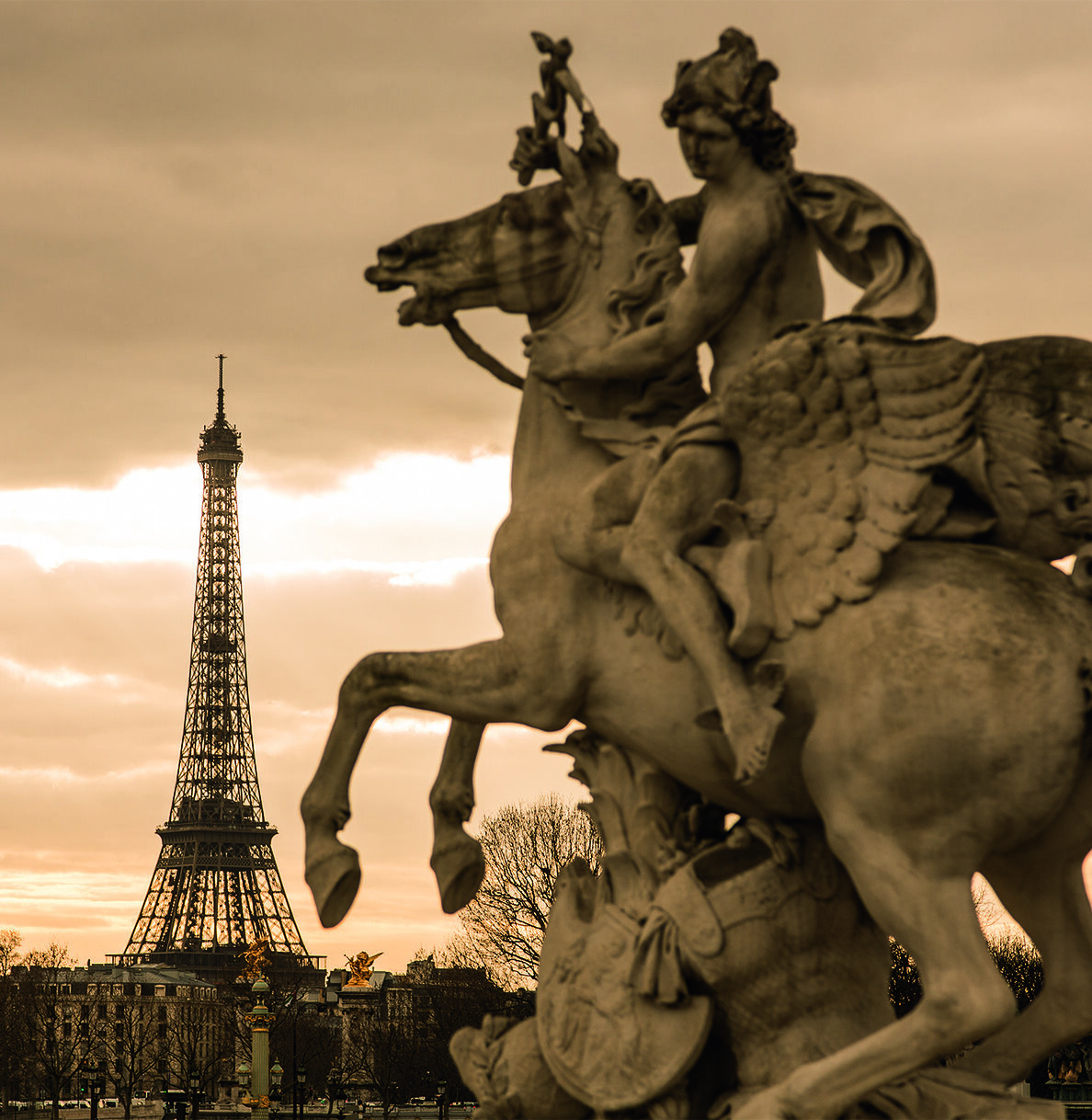
Some places are meant to be seen. Others are meant to be felt. The Eiffel Tower is both. It is the golden thread woven through Parisian nights, the quiet hum of history whispering through its iron lattice, the silent witness to stolen glances and grand gestures. It is the heartbeat of Paris—steady, luminous, and eternal. But how you experience it changes everything. A private Seine cruise at sunset, where its reflection dances like liquid gold on the water. A five-star suite in a Parisian palace, where morning light brushes against its silhouette, a privilege reserved for those who expect nothing less than perfection. A rooftop champagne toast, Dom Pérignon in hand, as the city’s lights flicker awake one by one.
For those who seek the extraordinary, the Eiffel Tower is not just a monument—it is an exclusive stage. A private gala beneath its glow, a Michelin-starred dinner with panoramic views, a VIP-access tour unveiling its hidden secrets before the crowds arrive. Whether it’s a luxury hotel with an Eiffel Tower view, a bespoke experience curated for a select few, or an unforgettable celebration in the city’s most iconic setting, this is where Paris offers its finest. Because in a city that defines luxury, the Eiffel Tower remains the ultimate symbol of prestige.
Dining Among the Clouds
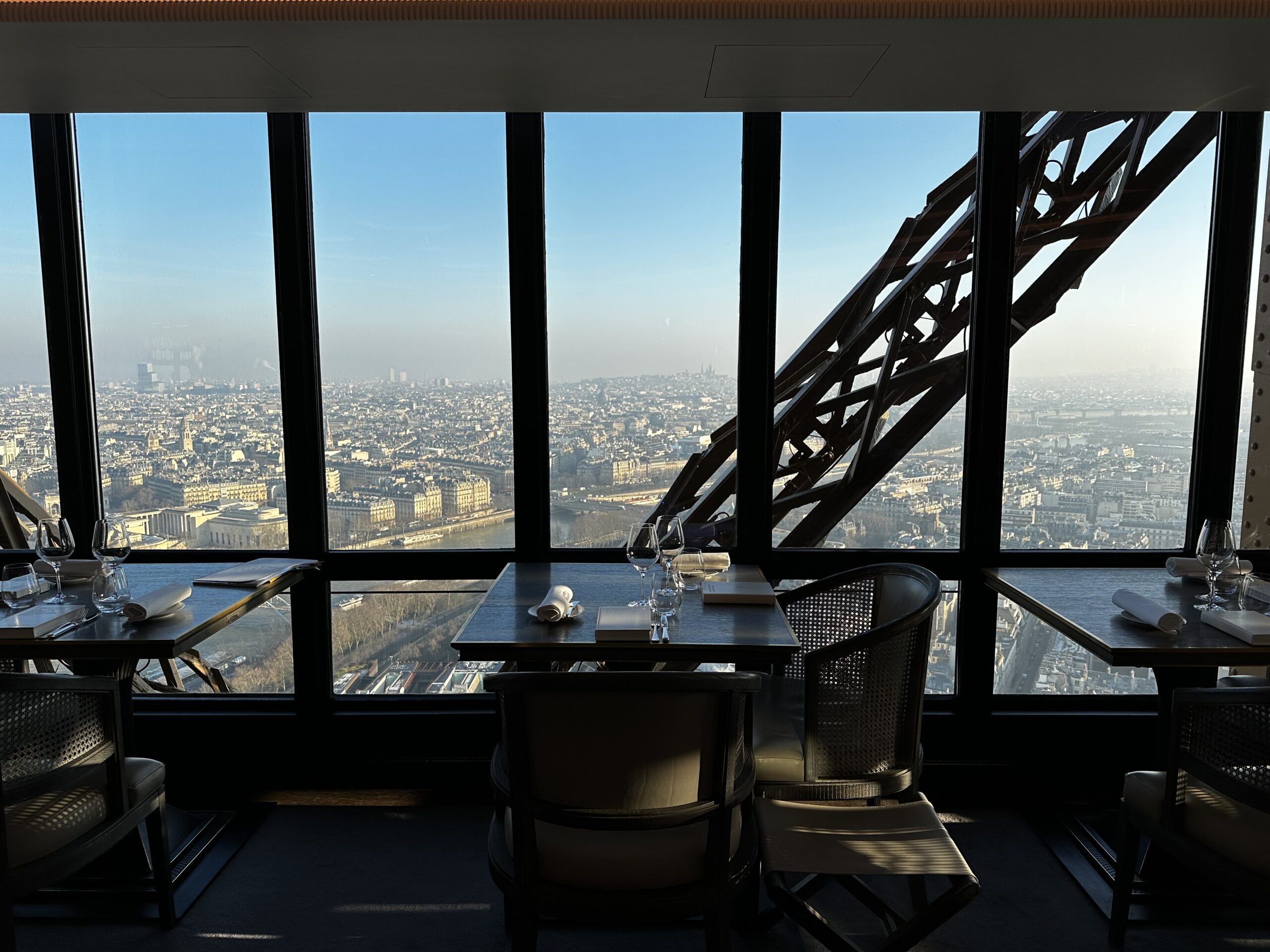
Paris is a feast for the senses, but some tables rise above the rest—literally. To dine within the Eiffel Tower is to step into a rarefied world, where the city itself becomes part of the experience. It is not just about the cuisine, nor the setting, but the sensation of being suspended between sky and skyline, where time slows and indulgence takes on new meaning.
From this vantage point, Paris reveals itself differently. By day, the Seine glistens like liquid silver, its bridges sketching elegant lines across the water. By night, the city is a constellation of golden lights, a spectacle that shifts with every glance. It is a setting where conversations linger, where each toast feels more significant, and where the moment itself becomes the most exquisite part of the evening.
For those who seek something beyond the ordinary, exclusivity takes on another dimension. A private tasting curated by one of France’s great chefs, a vertical flight of rare vintages, or a bespoke soirée where the tower is more than a setting—it is yours for the night. Some experiences are fleeting, unforgettable in their ephemerality. Others, like this, etch themselves into time.
Some see the Eiffel Tower. Others, for a fleeting moment, make it their own.
The Secrets Few Will Ever Know
The Eiffel Tower is admired, photographed, and celebrated—but how much of it is truly known? Beyond its iron lattice and dazzling lights, it guards secrets that most will never uncover. Hidden spaces, forgotten histories, details that whisper of a Paris only a few will ever glimpse.
A private apartment suspended above the city, once reserved for the most select of guests. A concealed chamber beneath its foundations, echoing with a purpose long left behind. Even its shimmering lights, a spectacle to the world, hold a rhythm only the keenest observers will ever notice. Some secrets are in plain sight, woven into the structure itself. Others remain locked away, revealed only to those who know where to look.
Because the Eiffel Tower is more than a monument—it is a threshold. A place where access defines the experience, where stepping beyond the ordinary turns admiration into something far more intimate. It is the quiet knowledge of standing in a space few will ever set foot in, the hush of an after-hours moment when the city below feels impossibly distant, the sensation of knowing that, just for an instant, the world-famous landmark is yours alone.
Some will only ever know the Eiffel Tower as a silhouette against the sky. Others will unlock its mysteries, step past the barriers, and see what lies beyond.
An Experience to Claim, Not Just to Admire
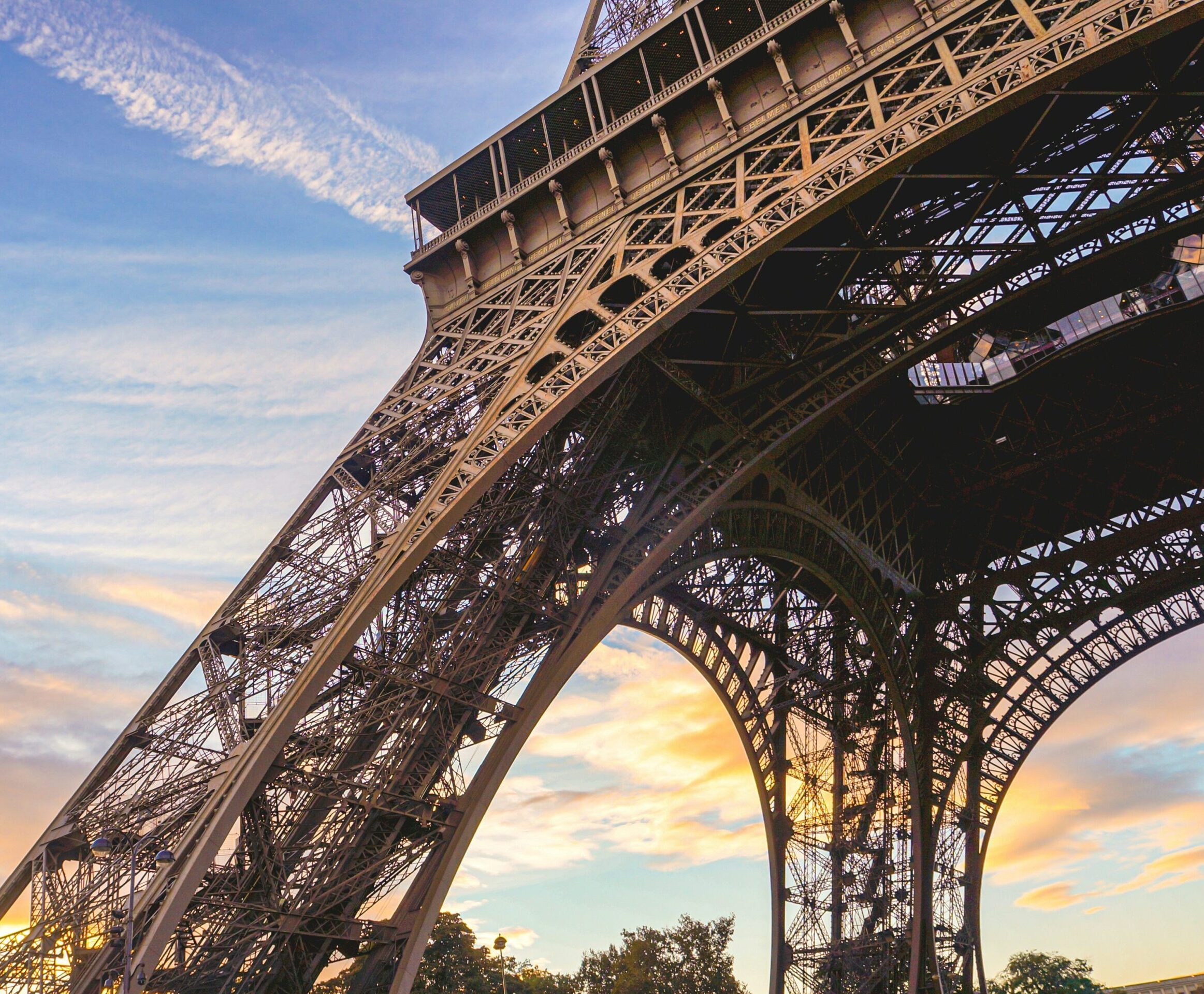
The Eiffel Tower is not something you check off a list. It’s something you claim. Some see it from afar, content with a glimpse. Others step into its glow, where the city bends to those who understand that true luxury is not about what is offered, but about what is taken.
Picture this: a private toast as midnight strikes, the tower’s golden lattice rising before you, flickering like a heartbeat in the night. A secret dinner under the stars, where the Iron Lady stands as your only witness. A yacht slipping beneath the Pont Alexandre III, the reflection of Paris’ most iconic silhouette shimmering on the water, yours to admire in complete serenity. Or perhaps, an intimate suite where its presence fills the room, reminding you that some views are meant to be owned, not borrowed.
This is not just a monument. It is Paris’ beating heart, standing at the center of every whispered promise, every grand indulgence, every story worth telling. It does not wait. It does not offer itself freely. It must be taken, pursued, experienced in ways that others will never touch.
The question is no longer whether you will see it. The question is: will you step inside its world?
A Tower That Has Seen It All
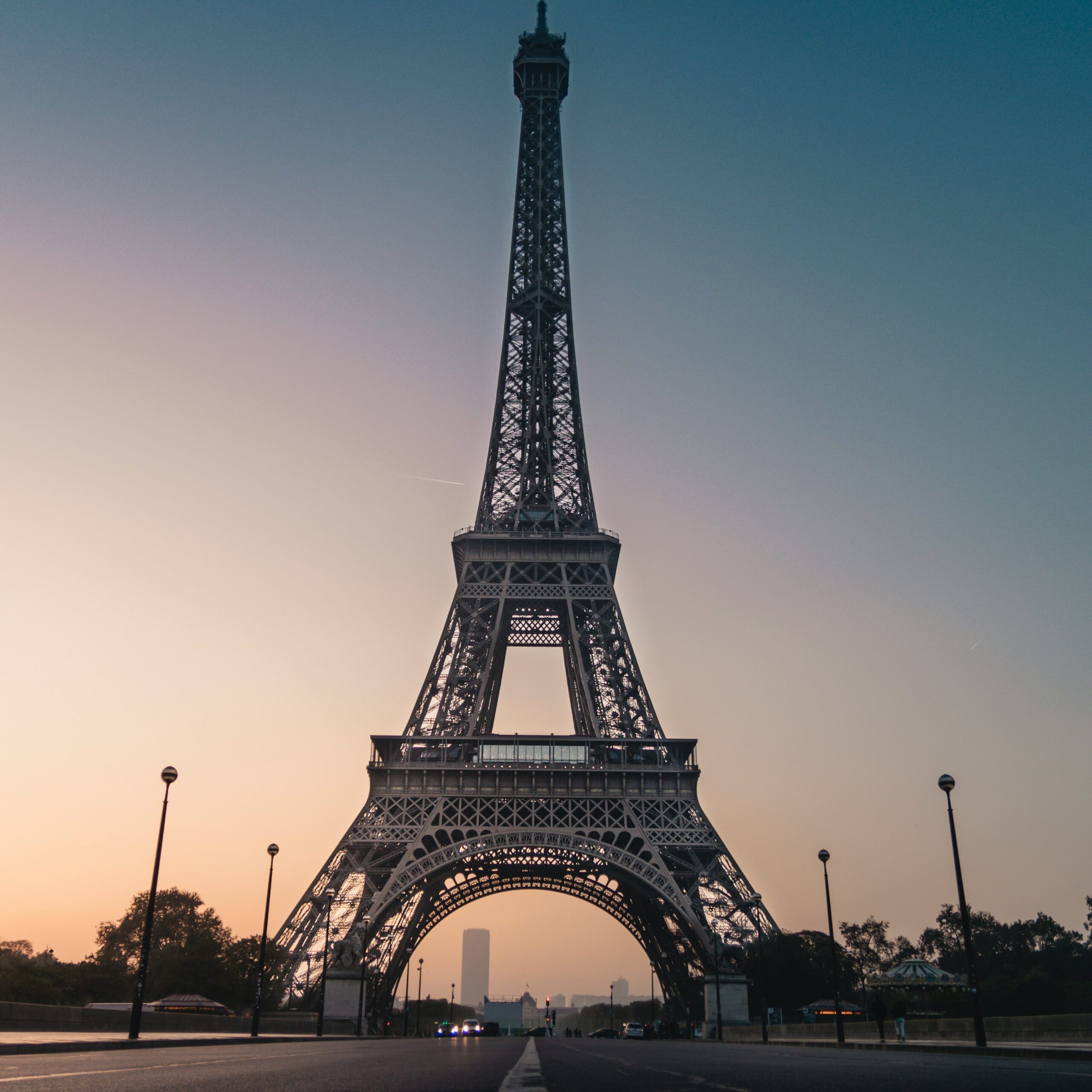
To the world, the Eiffel Tower is a monument. To Paris, it is a guardian, a silent witness to more than 130 years of history, standing tall as the city reinvented itself time and time again. When Gustave Eiffel unveiled his iron masterpiece in 1889, it was meant to be temporary—just another marvel of engineering for the Exposition Universelle. Yet Paris had other plans. The tower, once controversial, became its most beloved symbol, watching over world fairs, revolutions in art and fashion, two world wars, and the ever-changing skyline of the city it now defines.
For over a century, it has framed history’s most defining moments. It stood unshaken as Hemingway wandered its streets, as Chanel shaped the silhouette of the modern woman, as Picasso found muses in Montmartre, as Josephine Baker redefined performance. It has witnessed the city’s golden ages and its darkest hours, from the jubilant liberation of Paris in 1944 to the flickering celebrations of a new millennium on its iron beams.
And yet, beyond its grand role in history, the tower holds stories far more personal. A whispered proposal beneath its glow, echoing the countless lovers who have stood in that very spot. A toast from a rooftop terrace, where the light show shimmers just for you. A private moment on the Seine, where its golden reflection dances on the water as the city hums softly in the background.
But there are encounters that go beyond admiration. An intimate dinner in a suite where the tower isn’t just the view—it’s part of the experience, its glow setting the mood for an unforgettable evening. A behind-the-scenes look at the artisans who keep its ironwork pristine, an exclusive visit into the world of those who ensure its legacy lives on. A private gala where its silhouette looms just beyond the candlelit tables, as if Paris itself has been invited to the celebration.
The city’s most iconic symbol has stories to tell. Are you ready to be part of one?