
In Palermo, a grandmother stuffs peppers while the cathedral bells shriek like war sirens. In Marseille, the same peppers are slit open with a knife once used to gut fish in a port fight. In Athens, a tomato is carved hollow like a corpse prepared for burial, then filled—rice, mint, pine nuts—sealed, and left to sweat under a lid like a secret. This isn’t a Europe that smiles for the camera. It’s a Europe that cooks with sieges and migrations, where dishes travel faster than armies. And when you eat them, you aren’t just tasting “local specialties.” You’re tasting centuries of theft, pride, and survival.
But here, we’re not about to bore you with the usual Mediterranean clichés, sure, there are tomatoes, olive oil, lemons, an abundance of fresh herbs, and, yes, the ubiquitous tapas/mezzes. Instead, we’re here to show you how diverse cuisines have taken these familiar ingredients and, through struggle and ingenuity, transformed them into vastly different dishes.
Stuffed Vegetables: Rice, Herbs, and War Stories
Across the Mediterranean, the instinct to hollow and fill is almost primal, a way to stretch meager harvests into something worth gathering around.
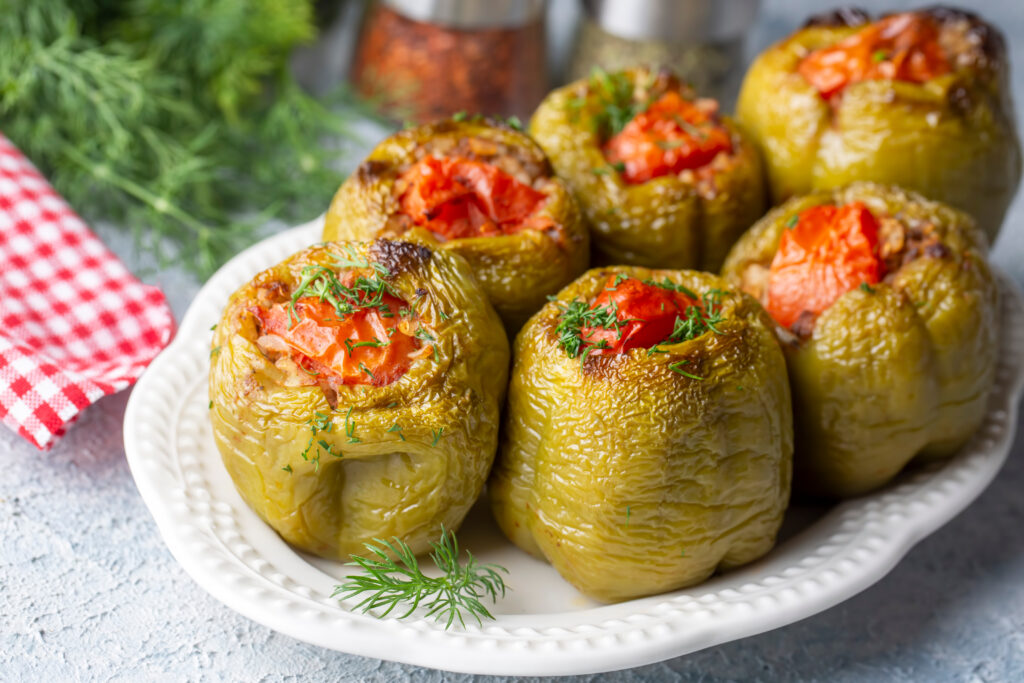
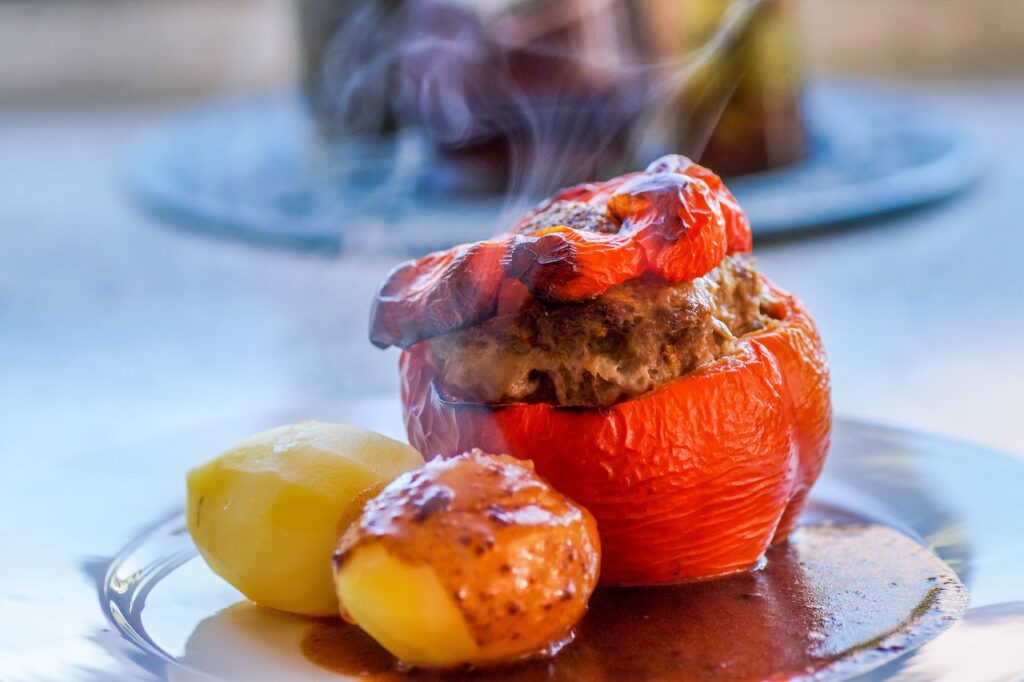
In Athens, gemista appear on summer tables: peppers and tomatoes carefully scooped by hand, stuffed with rice perfumed with dill, mint, and sometimes pine nuts saved for special days. They bake until their skins collapse and the oil pools at the bottom of the pan, a bright, herbal sweetness layered with the bitterness of olive leaves burned for fuel.
In Provence, farcis niçois transform zucchini, onions, even tiny eggplants into carriers for pork scraps, breadcrumbs, and thyme clipped from stony terraces. Their humble origins are worn proudly—these are dishes too honest to dress up. In Calabria, the peppers hold anchovies, wild fennel, and day‑old bread, then roast until their skins split, releasing a scent that clings to the kitchen walls. Different languages, different rulers, but the same legacy: take what you have, pack it tight, and turn survival into something glorious.
Wrapped Leaves and Ottoman Echoes
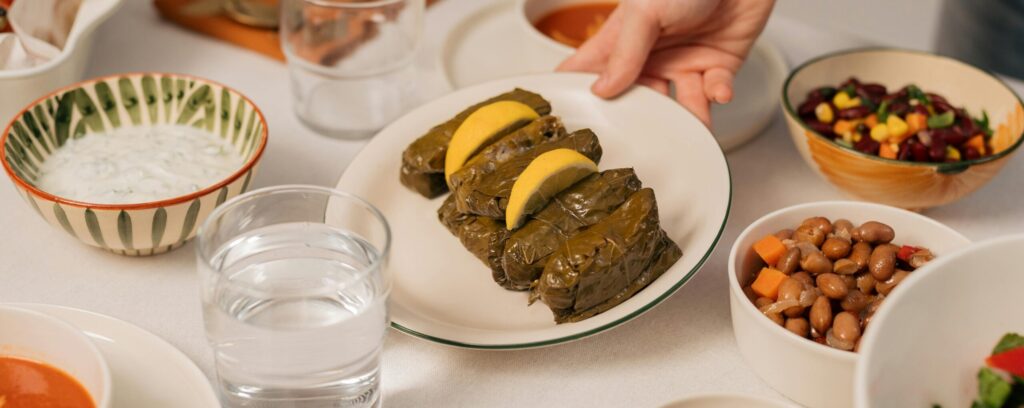
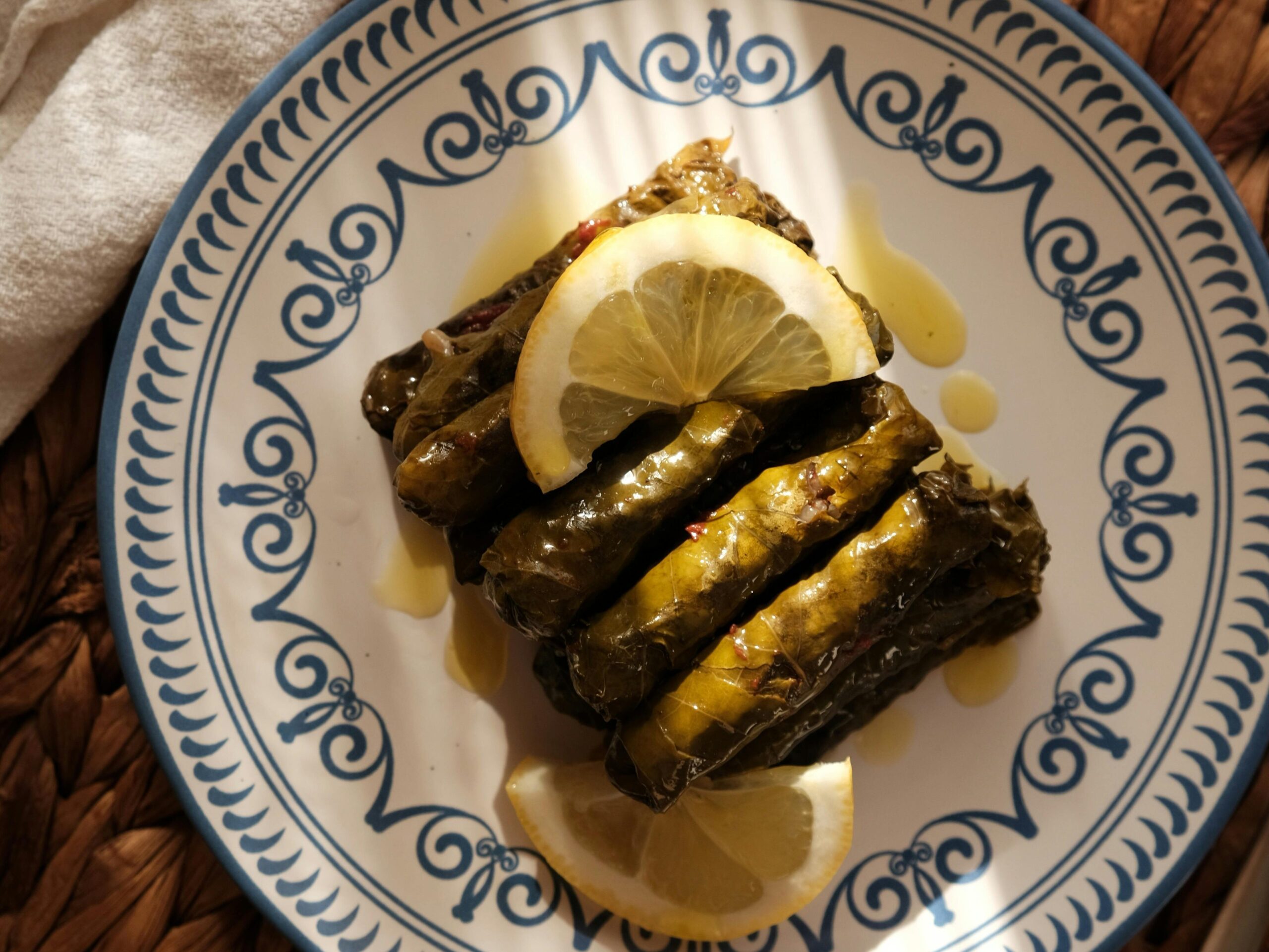
Further east, fields give way to leaves—thin, pliant shields for fragile fillings. In Greece, grape leaves are softened and rolled around lemony rice, forming neat green cigars called dolmadakia. Each one is rolled by hand, finger by finger, until the pot is lined like a soldier’s chest of medals. Travel into Turkey’s old provinces in the Balkans, and dolma swell with minced lamb, cinnamon, and pine nuts, a reminder of Ottoman markets where spices traveled faster than maps. They simmer in broth until the leaves go tender and dark, releasing aromas of lemon and fat.
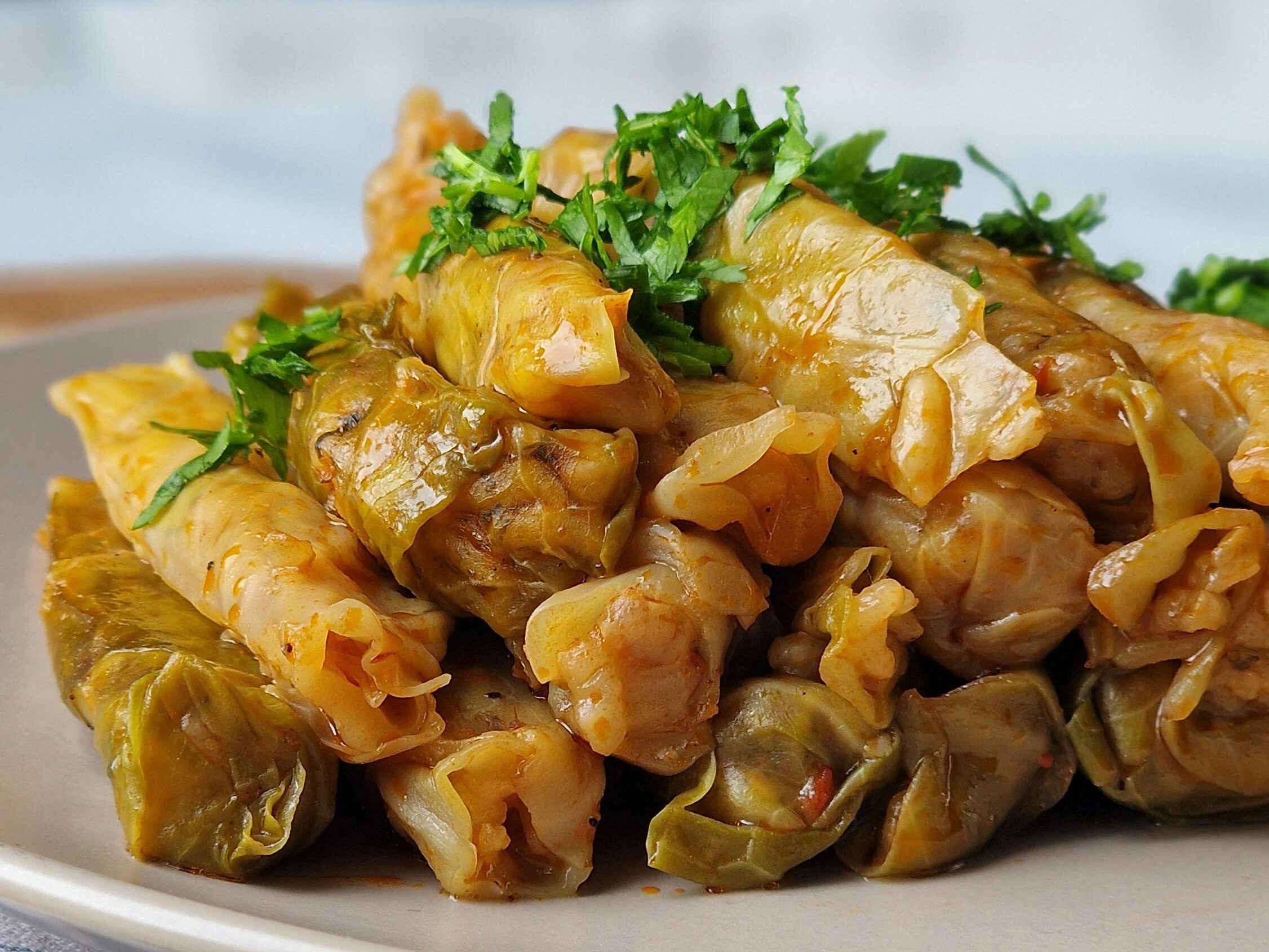
In Bosnia, cabbage leaves take over where grapevines won’t grow, brined through winter, wrapped around pork and rice, simmered slowly in paprika-stained stock until the filling turns to velvet. Each variation carries memory, conquest, and resistance, wrapped tight enough to survive another generation.
Bread Meets Egg: Leftovers Turned Gold
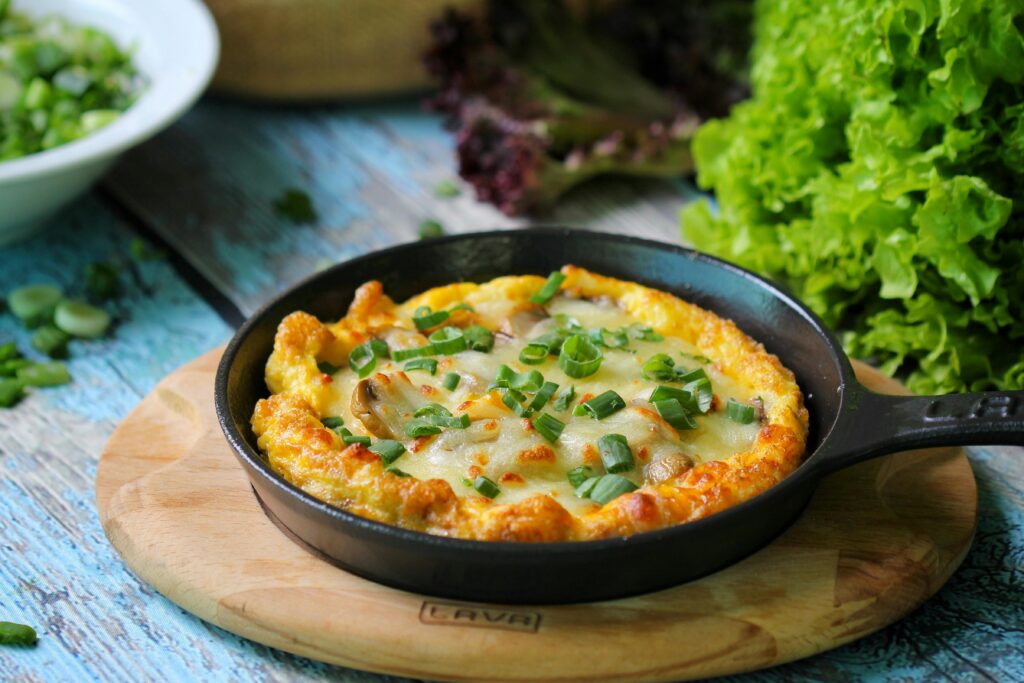
When the day ends and the food runs thin, ingenuity takes over. In Naples, no pasta is ever truly leftover. It becomes frittata di maccheroni, spaghetti beaten with eggs, pepper, and Pecorino, then fried until the edges shatter under your teeth and the center remains molten and rich. It’s the kind of dish eaten standing by a kitchen window, yet fit for royalty.
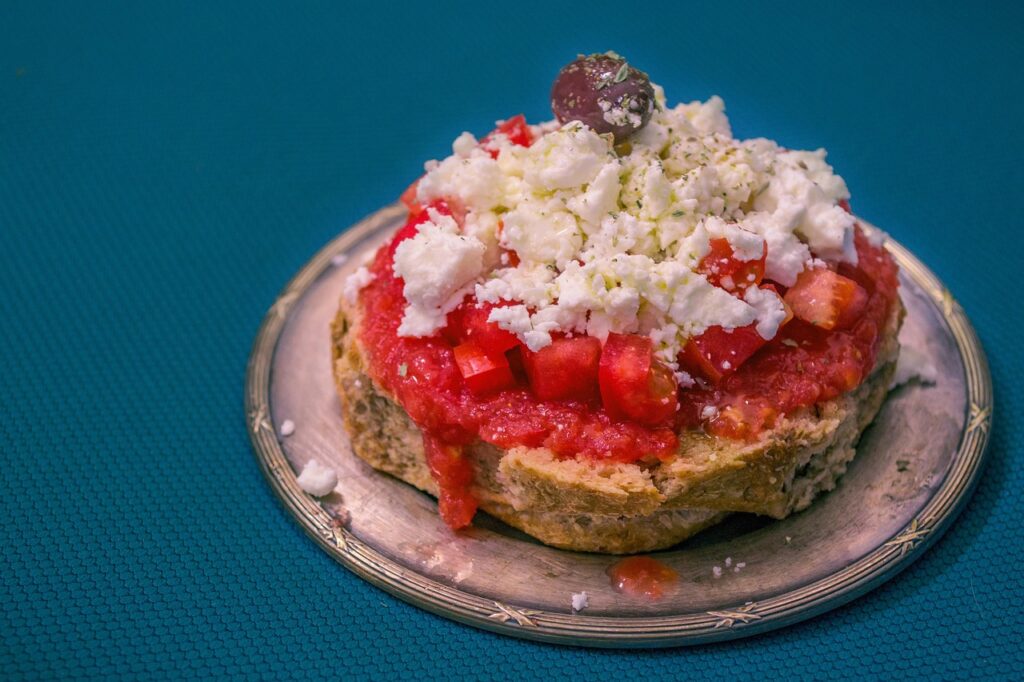
In Catalonia, shepherds created migas from stale bread, tearing it into crumbs, frying it with olive oil, garlic, and chorizo, sometimes crowned with a fried egg. It’s the taste of long journeys and salt‑sweat labor, transformed into something you can’t stop eating. In Crete, barley rusks left hard as stones soften under fresh tomato, oregano, and rivers of green olive oil, becoming dakos, a dish born from frugality that now feels like ritual. These aren’t clever chef inventions—they’re the region’s heartbeat, teaching you that waste is a luxury nobody could once afford.
Salted Fish Hidden in Peppers
Along the coastlines, the sea keeps infiltrating the land. In Basque Spain, pimientos rellenos de bacalao pair fire-roasted peppers with salt cod beaten into a silky paste with onions and garlic, laid to rest in tomato sauce thick enough to cling to bread. This is food you eat with your sleeves rolled up, oil dripping down your wrist.
In southern Italy, the same salt cod is tucked into zucchini flowers or peppers, mixed with breadcrumbs and herbs until the bitterness of the vegetable meets the brine of the fish in a bite that feels ancient. Even in Provence, farcis hide slivers of anchovy among pork and herbs, a sudden flash of the sea in what seems like a landlocked dish. Across these coasts, fish was wealth and preservation was survival, and the peppers remember it all.
A Final Bite
The Mediterranean table is not a collection of isolated recipes, it’s a network of echoes. A stuffed pepper in Greece answers to one in Calabria. A cabbage roll in Bosnia hums with the same tune as a grape leaf in Izmir. A crisp slab of Neapolitan pasta whispers to breadcrumbs sizzling in a Catalan pan. When you travel through these coasts, don’t ask for the dish of the village as if it stands alone.
Ask for the dishes that have crossed waters and wars, that taste of fields and harbors at once. Taste them side by side, and you’ll hear Europe telling you everything it has ever endured and everything it refuses to forget.