
Most people spend the European summer in the wrong place at the wrong hour. They queue at noon for the things that are best at dusk, they photograph the famous view and miss the famous sound, and they leave convinced they have seen a country when what they really saw was its waiting room. There is a better way to read a European summer, and it happens to come with a schedule.
From the first days of July, the festivals begin to open, one after another, down the lakes and across the Alps and along both coasts of the south. Each sets its music in a place that is half the reason to go: a cliff above the sea, a pine grove at the water’s edge, a lakeside hall, a baroque city, a walled town that turns its own stone into a stage. These are not concerts that happen to have a handsome backdrop. The setting is part of the performance, and in several cases it is the older of the two.
What follows are six, in the order they begin. No one attends them all in a single season; they overlap too much for that. The point is to see how the summer unfolds, and to find the week that belongs to you.
Montreux Jazz Festival, from 3 July
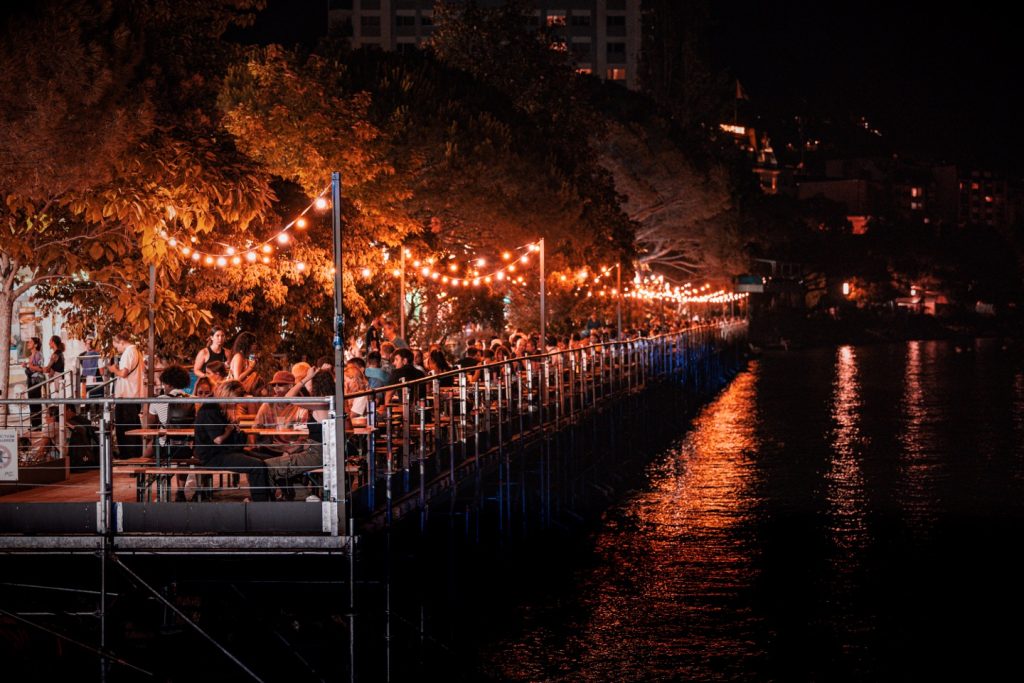
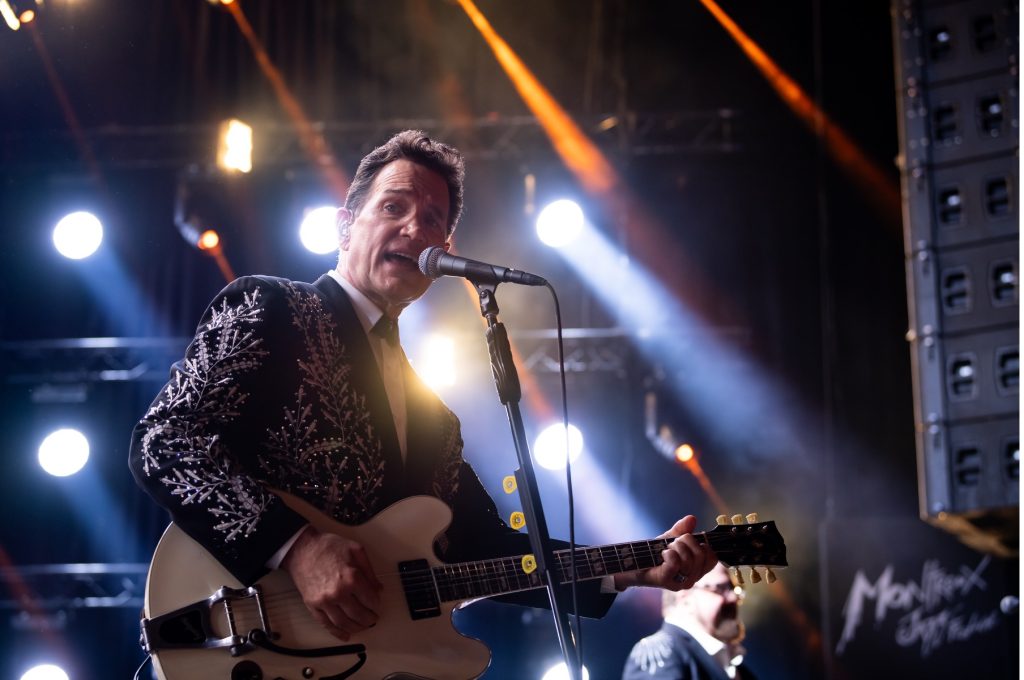
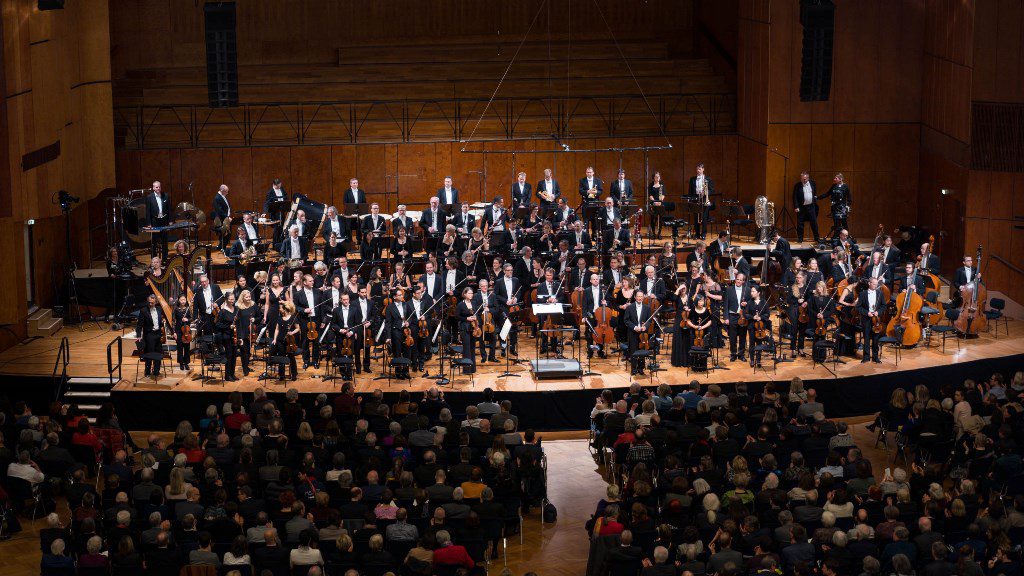
The season opens on the shore of Lake Geneva. The Montreux Jazz Festival turns sixty in 2026, and returns to its rebuilt Convention Centre after two years away, which gives the anniversary the feeling of a homecoming. The name says jazz, and that is how it started in 1967, but the festival outgrew the label almost at once. The list of people who have played and recorded here is, more or less, the second half of the twentieth century: Nina Simone, Miles Davis, Ella Fitzgerald, Prince, David Bowie. The live recordings made in Montreux grew into an archive significant enough that UNESCO entered it on its Memory of the World register. Very few festivals can claim to be a documentary record of an era. This one can.
The 2026 programme keeps the old range, the kind where a purist and a pop fan can each find their night: Sting, Van Morrison, John Legend, James Taylor, the Isley Brothers, the Roots, Raye. Around forty of the artists are playing their only Swiss concert of the year here. The two main rooms, the Auditorium Stravinski and the smaller, looser Montreux Jazz Lab, sit directly on the water, the Alps rising on the far shore. The town has gone so far as to line its lakefront promenade with statues of the musicians, which tells you how completely the festival and the place have grown into one another. It runs to 18 July.
Ravello Festival, from 4 July
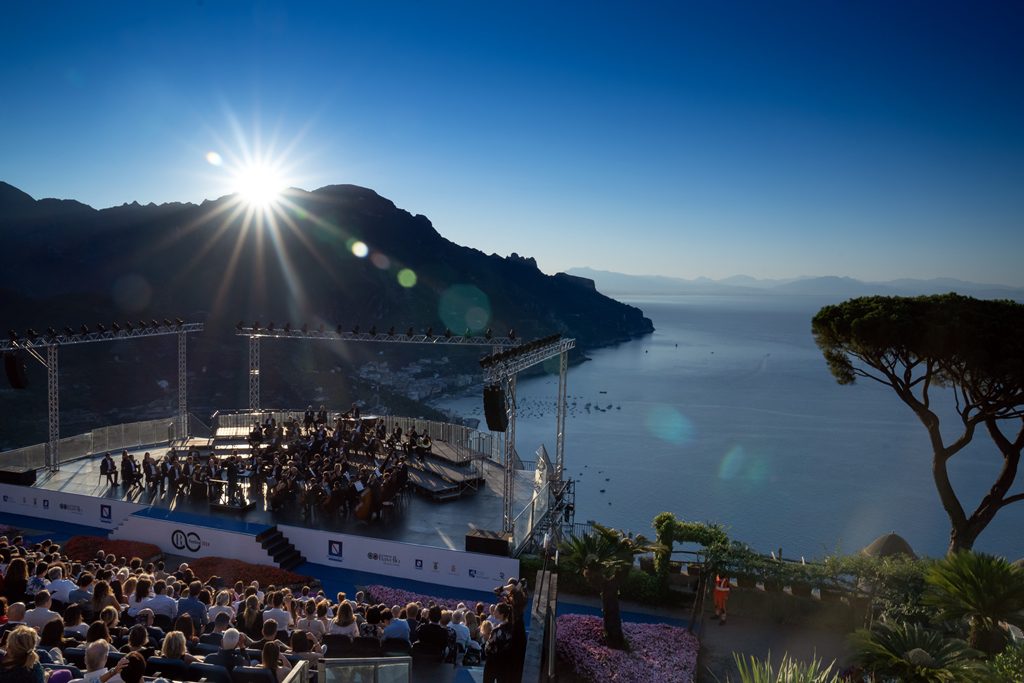
A day later and a sea away, Ravello opens on the Amalfi Coast, and it opens on the edge of a cliff. The Ravello Festival is in its seventy-fourth year, and its stage is a platform built straight out over the drop in the gardens of the Villa Rufolo, the orchestra playing with nothing behind it but air and the Tyrrhenian a few hundred feet below. It is one of the genuinely vertiginous places to hear music in Europe, and it exists because of a single besotted visitor. Wagner walked these gardens in 1880, recognised in them the enchanted garden of Klingsor he had been trying to imagine for Parsifal, his final opera, and wrote it into the score. The town has called itself the City of Music ever since, and built a festival to deserve the name.
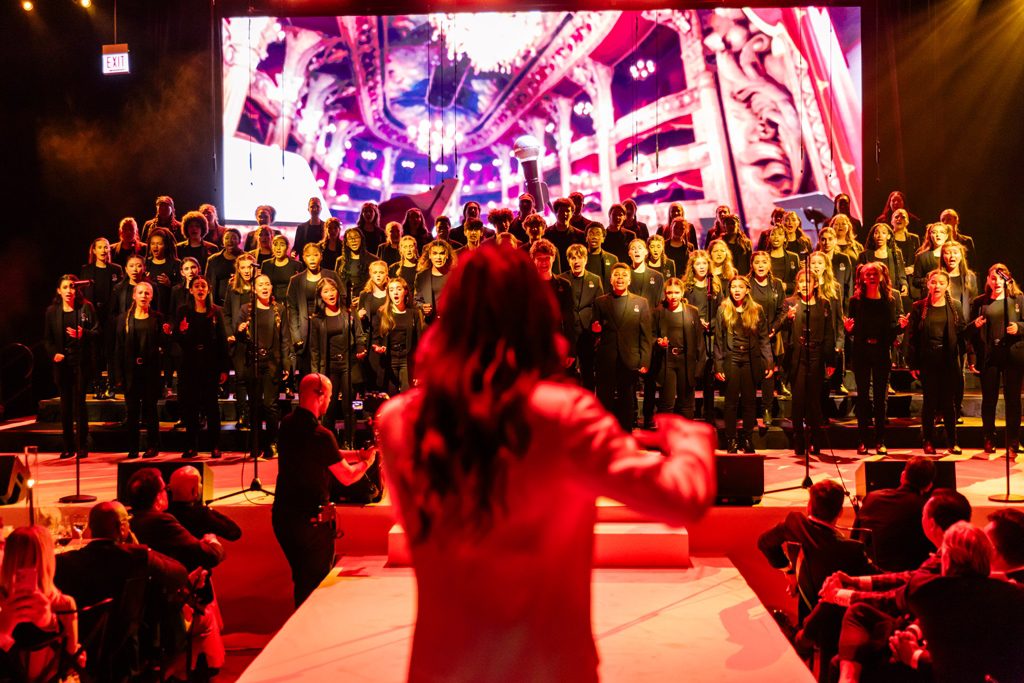
The programme runs deep into the late summer, classical at its core but reaching into jazz and dance. Its best-known night is the one almost no one manages to attend by accident: the dawn concert, held once each summer in August, when the audience climbs to the Villa Rufolo gardens in the dark and the music begins precisely as the sun comes up out of the sea. People plan entire trips around that single sunrise. The coast it overlooks is the subject of our guide to southern Italy.
Jazz à Juan, from 9 July
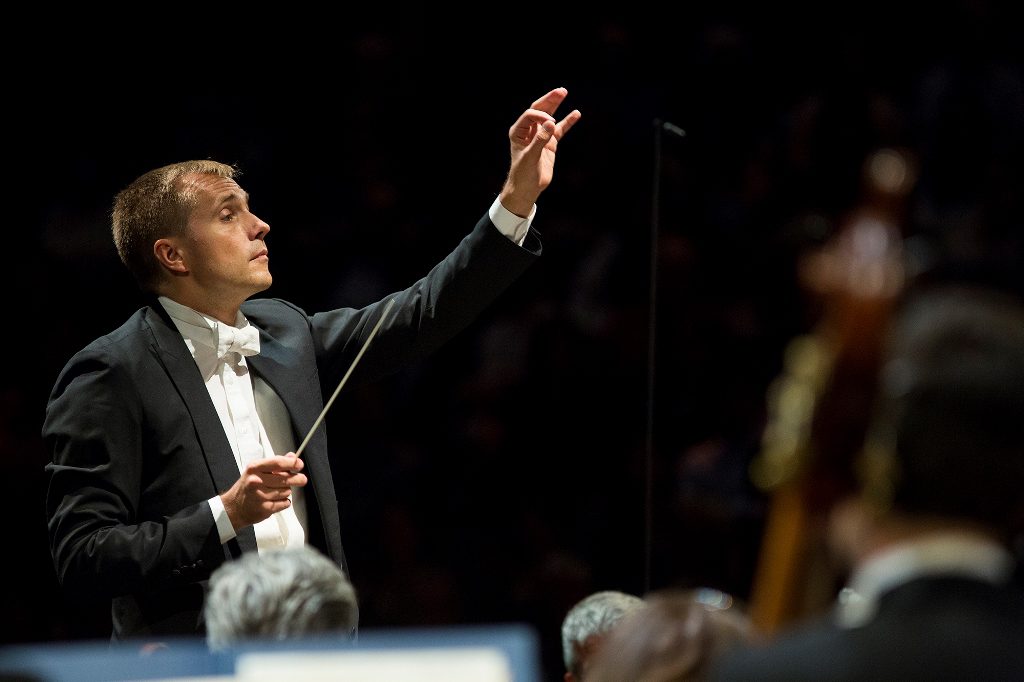
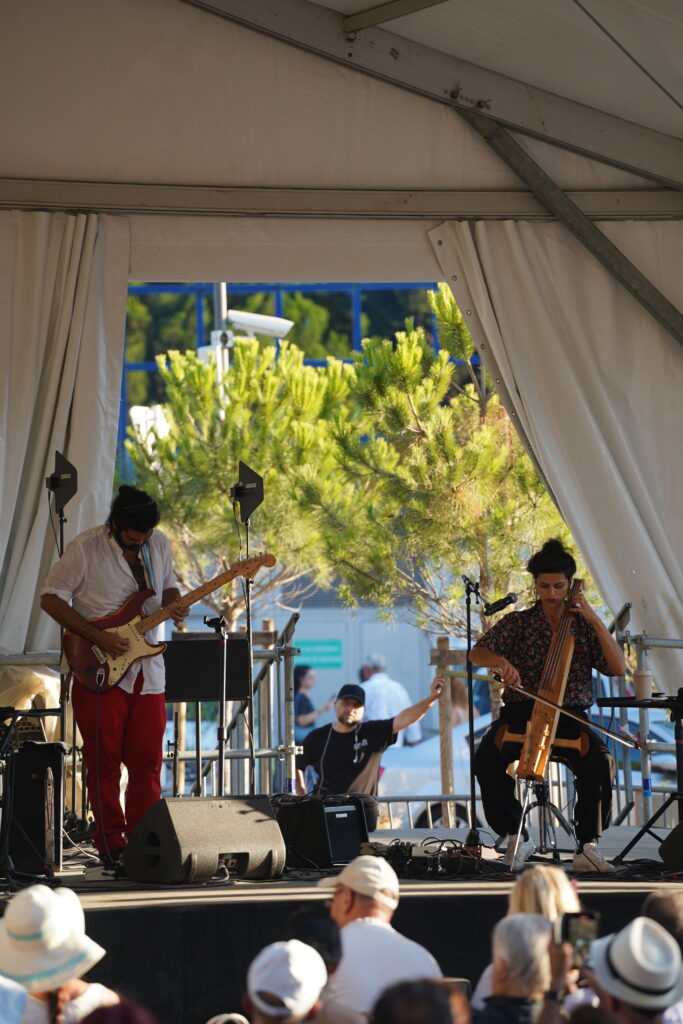
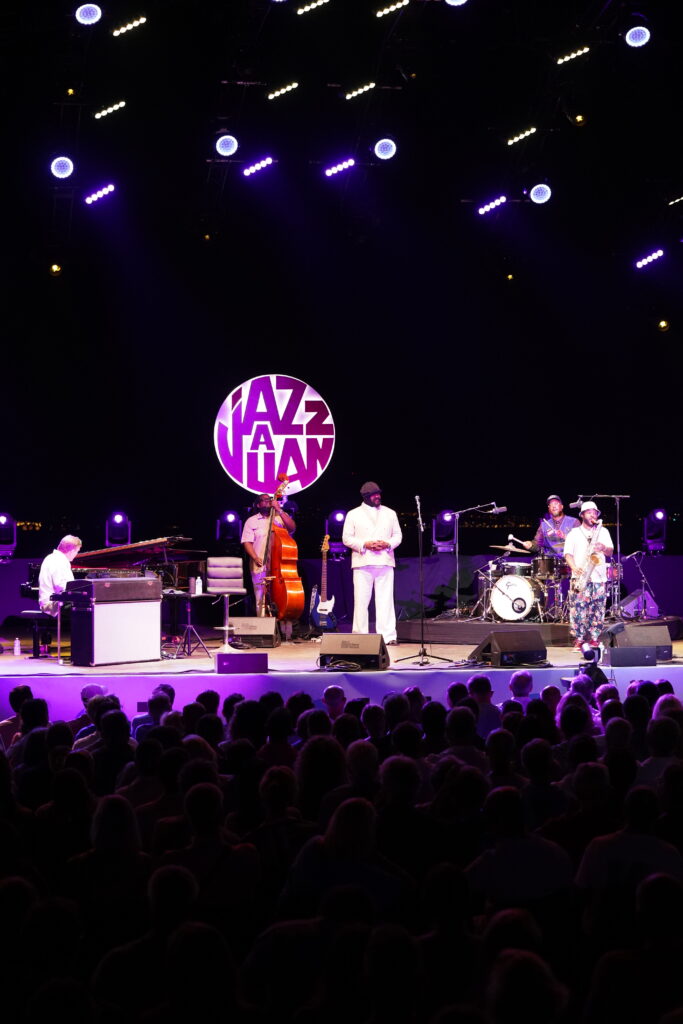
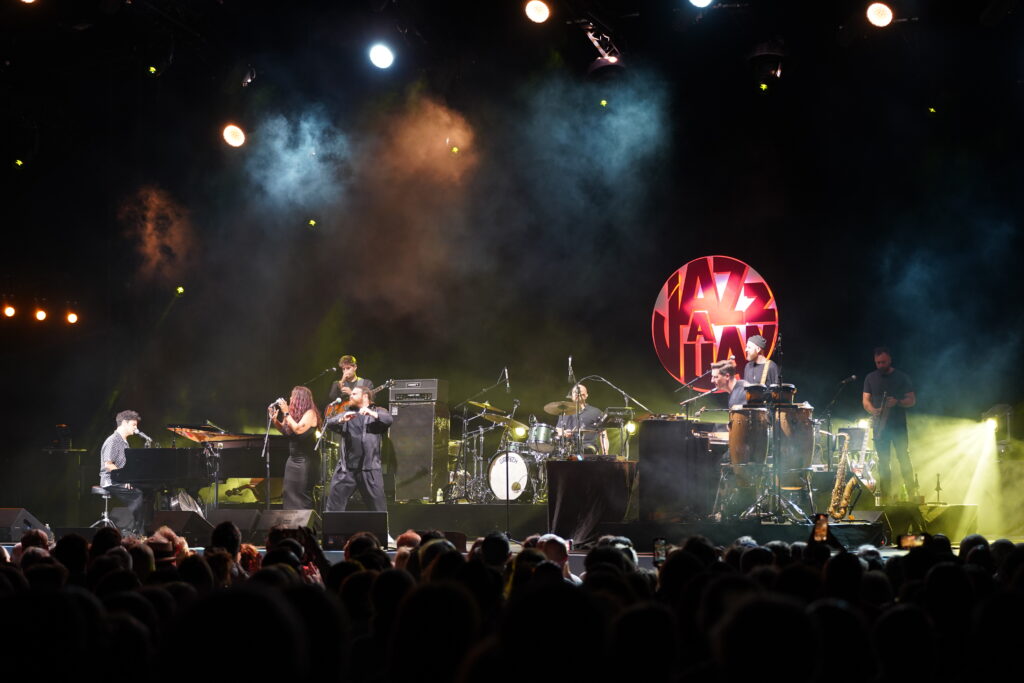
Back on the French side, the Côte d’Azur takes its turn, and it does so with the most history per square metre of any festival here. Jazz à Juan has been held since 1960, when it began as a tribute to Sidney Bechet, in the Pinède Gould, a stand of parasol pines that runs down almost to the water at Juan-les-Pins. Miles Davis played in this pine grove. So did Ella Fitzgerald, Ray Charles, Keith Jarrett. The stage sits among the trees, the Mediterranean a few steps beyond, and the concerts begin around half past eight, as the light drops through the pines and the heat finally lets go of the day.
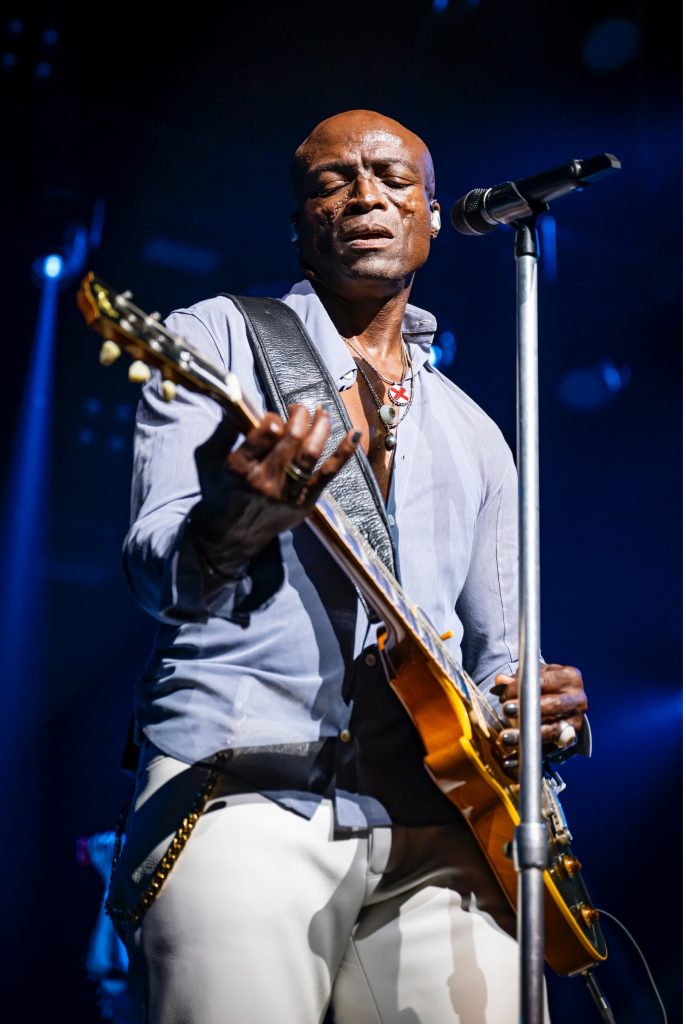
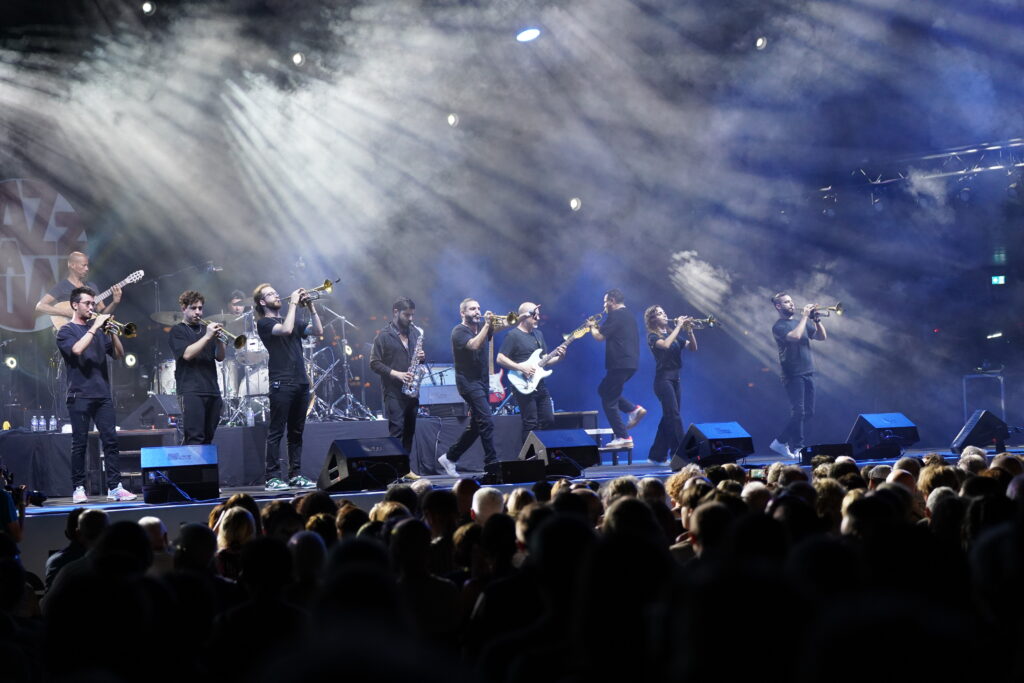
The 2026 edition, the sixty-fifth, brings Tom Jones and Seal, and one night that will matter to anyone who takes the music seriously: Marcus Miller bringing his We Want Miles project, the tour built to mark the centenary of Miles Davis’s birth, led by the bassist who helped shape Davis’s sound in the 1980s, on the stage where Davis himself once stood. Samara Joy, the young American singer collecting Grammy awards faster than seems reasonable, sings the same season, with Thomas Dutronc and Erik Truffaz alongside.
What sets Juan apart from the larger festivals is simply scale. The pine grove is small, it holds the sound close, and you are near enough to the stage to watch a musician think. It runs to 19 July.
Dubrovnik Summer Festival, from 10 July
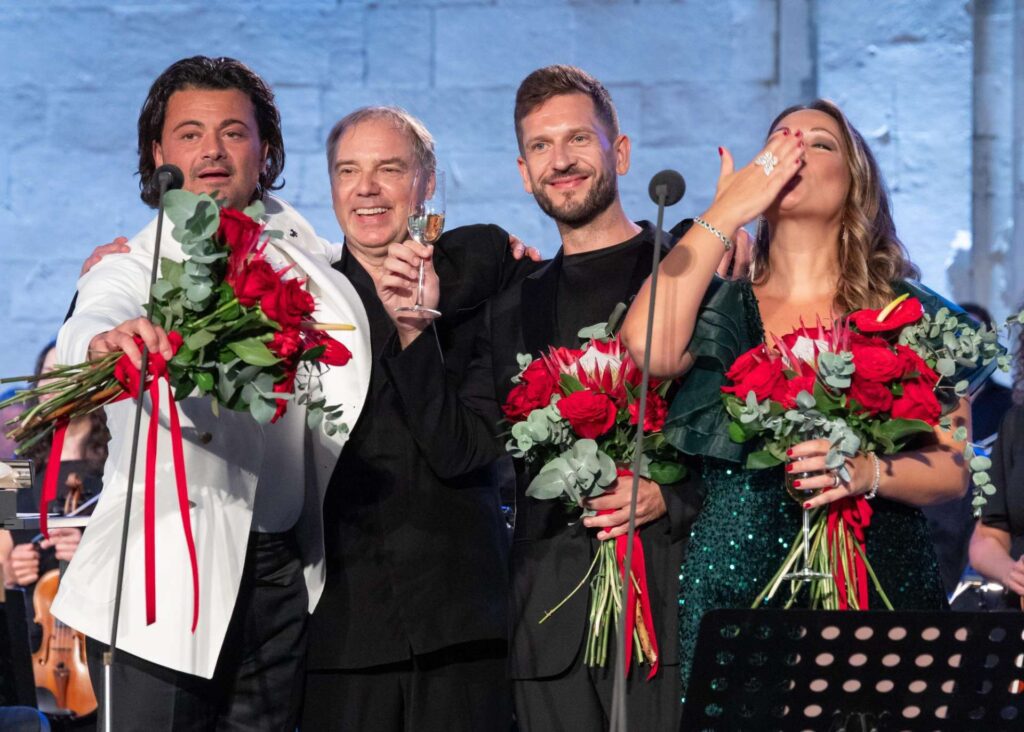
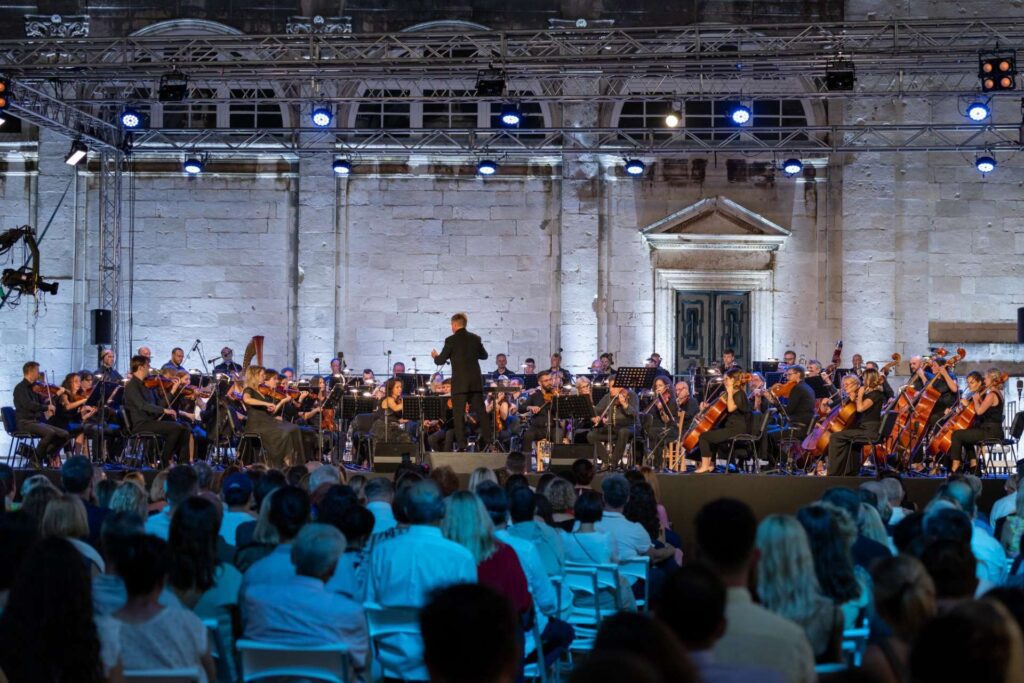
The next day the Adriatic opens, and the whole city becomes the venue. The Dubrovnik Summer Festival has run since 1950, and what sets it apart is a principle the organisers call site-specific, which here means something stricter than usual: the performances are not placed in the city’s historic spaces, they are made for them. A Shakespeare play is staged inside a sixteenth-century cliff fortress because the fortress is written into the staging. A concert fills the atrium of the Rector’s Palace because that fourteenth-century stone was built, among other things, to carry sound. The walled city is not a backdrop the festival borrows. It is the festival’s instrument.
The seventy-seventh edition opens on 10 July in the old tradition, with the raising of the Libertas flag in front of the Church of St Blaise, a gesture that reaches back to the centuries when Dubrovnik was an independent maritime republic that prized its freedom above almost everything. The music programme brings the violinist Joshua Bell with the Academy of St Martin in the Fields to the Rector’s Palace on the 14th, Renaud Capuçon with the Croatian pianist Martina Filjak, and the French pianist David Fray making his Croatian debut on the 25th. The drama programme stages premieres of Marin Držić, the city’s own Renaissance playwright, alongside Shakespeare, across the fortresses and squares of the Old Town.
At forty-seven days it is the longest of the six, and the most completely woven into the place it inhabits. The country around it is the subject of our guide to Croatia. It runs to 25 August.
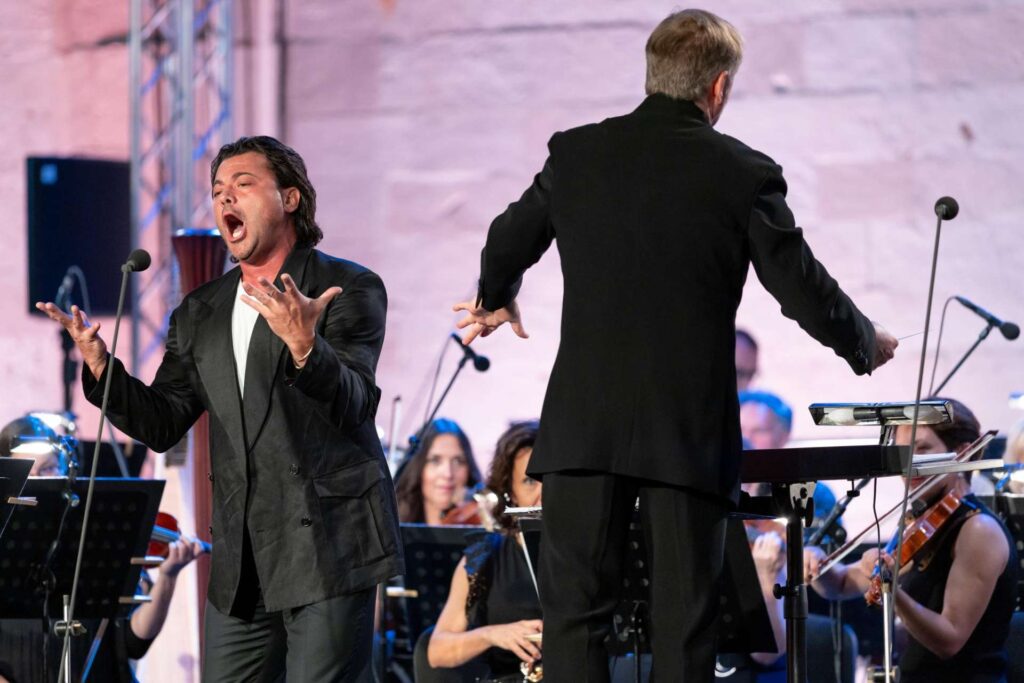
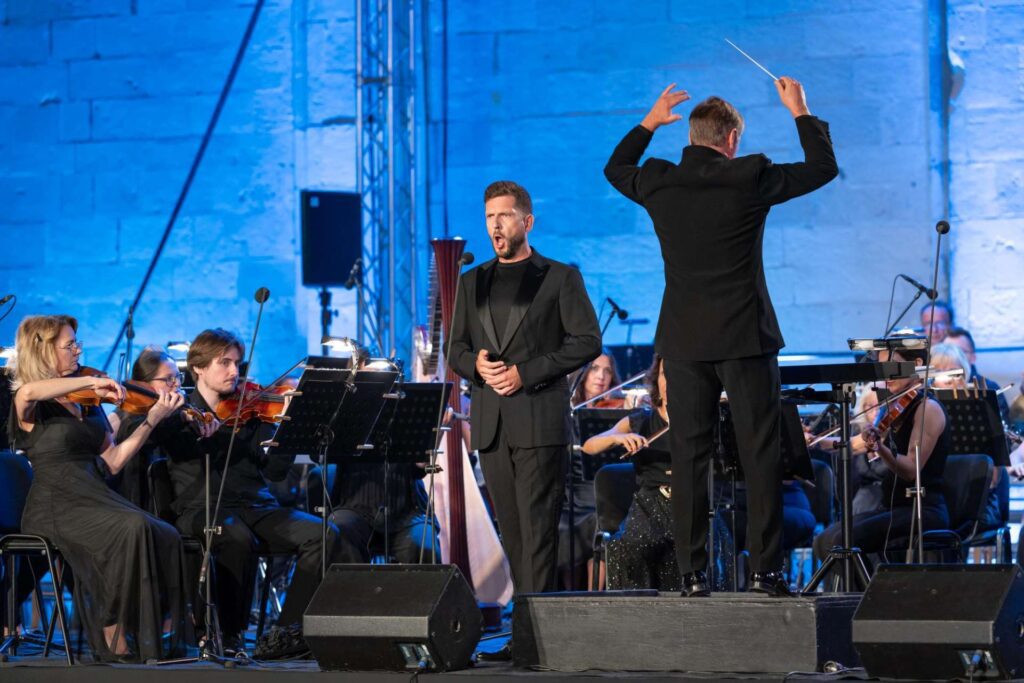
Salzburg Festival, from 17 July
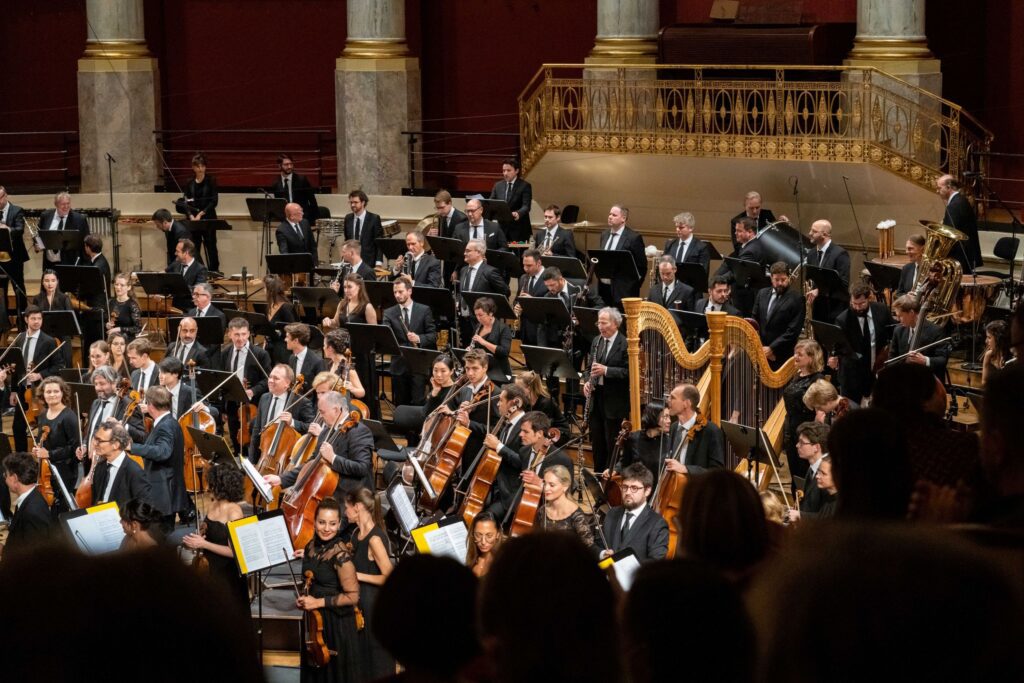
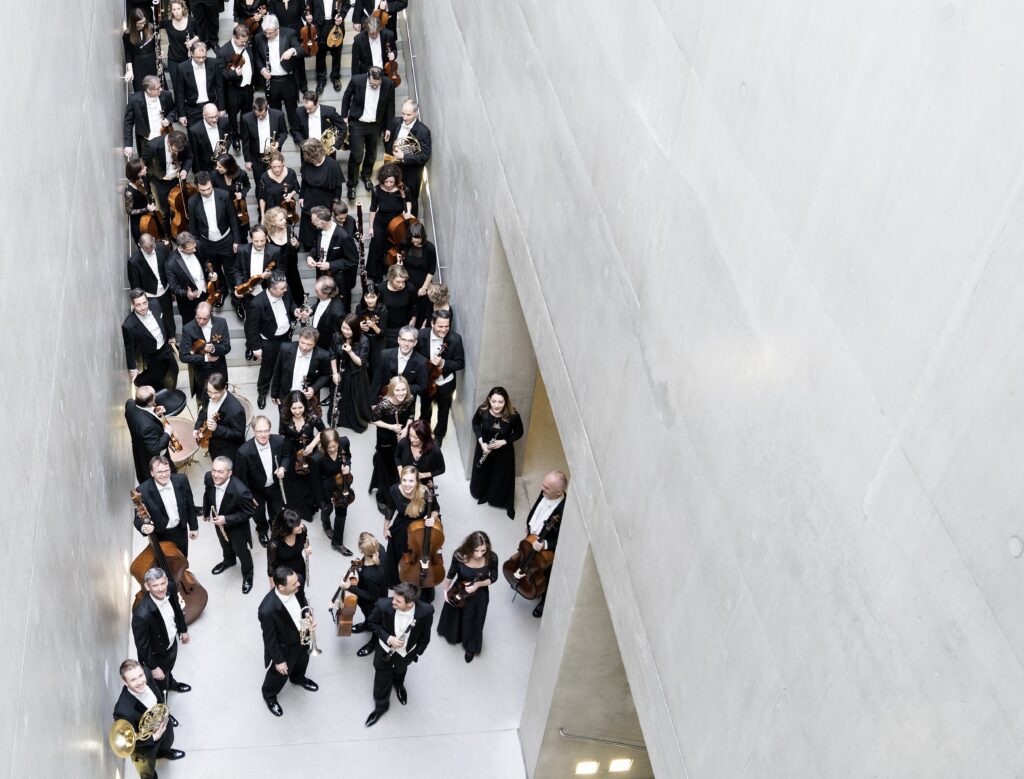
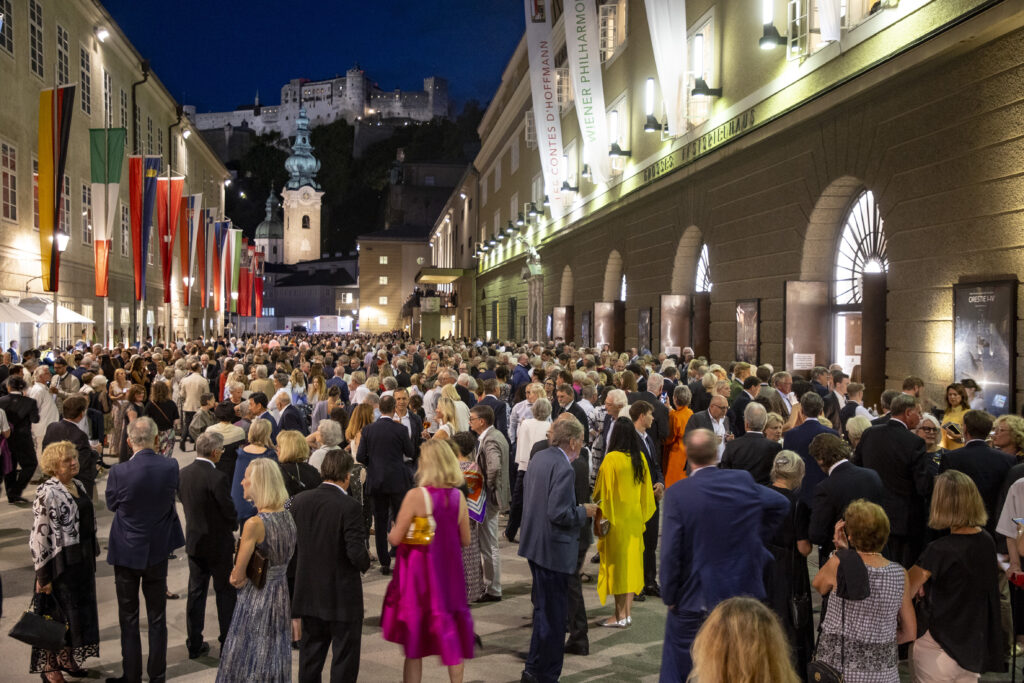
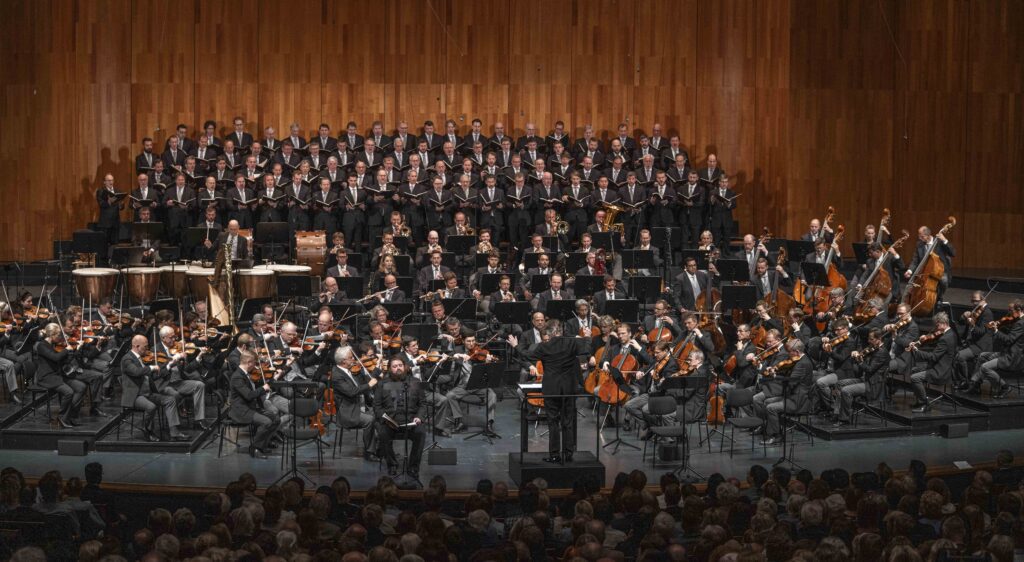
The following day the season’s giant opens. The Salzburg Festival has run since 1920, founded in the wreckage of the First World War by Hugo von Hofmannsthal, Max Reinhardt and Richard Strauss, who believed, more or less, that art might help hold a broken Europe together. A century later it remains the central event of the operatic year: six weeks of opera, drama and concerts threaded through the baroque city where Mozart was born. The 2026 edition runs to 208 performances under the theme Panorama of Love, which gives you a sense of the scale. This is not a festival you sample. It is one that takes over a city.
The opera centres on a new Carmen and Mozart’s Così fan tutte, with Strauss’s Ariadne auf Naxos returning in a new staging, a fitting nod in the city of one of the founders. But the image that defines Salzburg is older and simpler. Every summer since the very first, the festival opens with Jedermann, Hofmannsthal’s morality play about the death of a rich man, performed on the steps of the cathedral in the open air of the Domplatz. When the actors begin to call the name “Jedermann” and it echoes off the cathedral facade and the surrounding rooftops at dusk, you are hearing a tradition that has run, through depression, war and reconstruction, for over a hundred years. It runs to 30 August.
Planning the summer
The honest difficulty is the calendar. These festivals overlap heavily through July and August, which means a trip is a matter of choosing rather than collecting. Montreux and Verbier make a natural circuit of their own, the lake and the mountains above it a short drive apart, jazz one week and the great pianists the next. The two coasts of the south, Ravello and Dubrovnik, sit across the Adriatic from each other, close by sea or a short flight, and reward being paired: the same water, two cultures, two ways of setting music against stone. The French Riviera stands a little apart, early in the month, and pairs more naturally with the coast than the Alps.
What all six share is the thing that never appears in a programme. The musicianship is a given. But it is the setting that turns a concert into something you carry for years afterward: the pines at Juan, the cliff at Ravello, the cooled stone of Dubrovnik after dark, the cathedral square at Salzburg as the light goes. The festival is the public reason to come, and reason enough. What can be built around it, privately, in the quiet hours on either side of the performance, is a separate matter, and one we have written about in The Night Is the Stage.
If a particular week begins to take shape in your mind, the rest is a conversation.