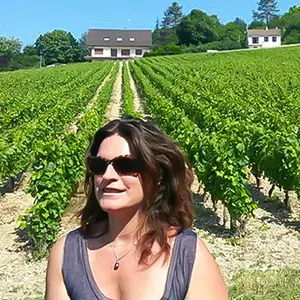

A luxury anniversary trip in Dordogne, for a couple and the friends who witnessed the beginning — built around deep time, shared laughter, and a few moments chosen to last.
Planning a luxury anniversary trip in Dordogne means starting not with the destination, but with the people. For Judith and her husband, that meant gathering sixteen close friends — the same friends who had stood with them twenty years earlier, when the marriage was still a promise rather than a life already lived. That changed everything. This was not only an anniversary trip. It was a return to the witnesses.
Twenty years. So much happens in twenty years. Children are born. Parents age. Friendships stretch across countries, careers, houses, losses, celebrations, ordinary Tuesdays, unexpected turns. The people who were once gathered around a wedding table have each become slightly different versions of themselves. And yet, here they are again, invited to pause, look around, and feel the quiet astonishment of still being part of one another’s story.
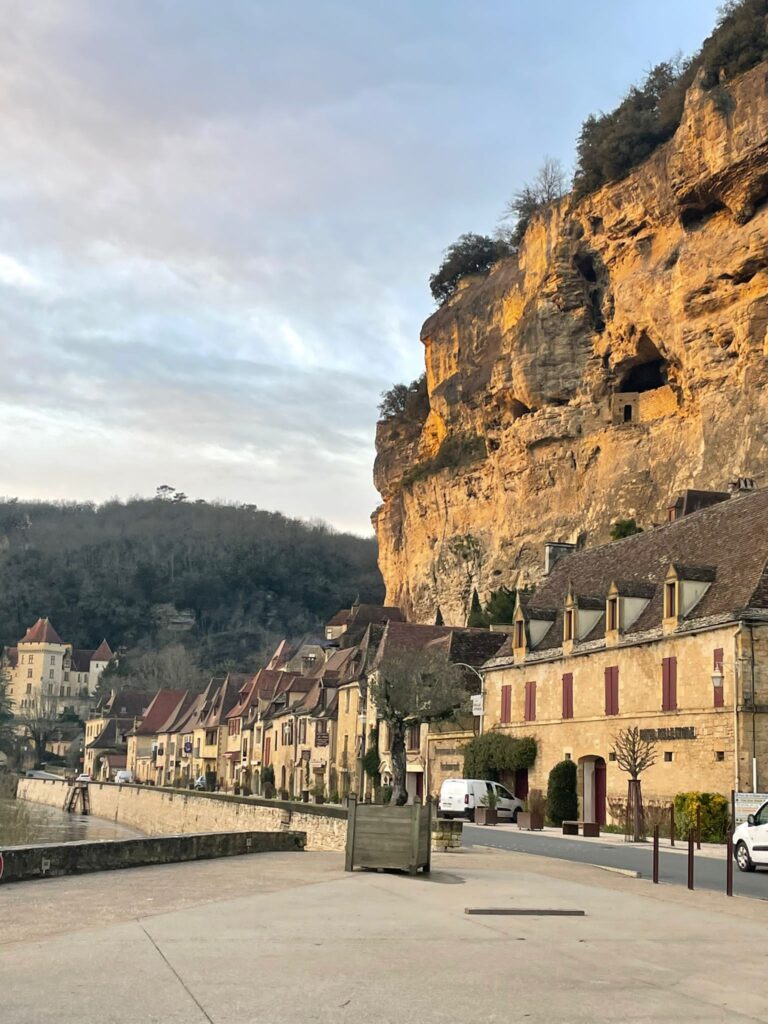
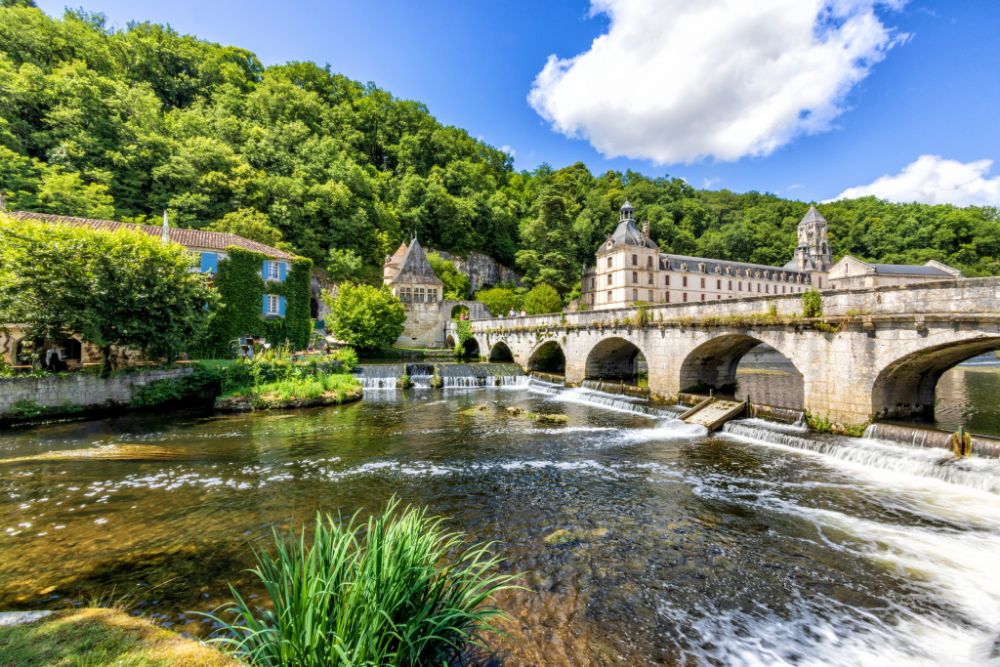
Dordogne made sense because it knows how to hold time. The region does not impress quickly. It works more slowly: cliffs above the river, honey-colored villages, walnut trees, markets, caves, old stone, long meals, the sound of paddles on water. Beauty here feels lived-in rather than displayed. It gives a group space to settle, laugh, walk, eat, remember, and let the celebration deepen without becoming solemn.
A Private Villa as the Anchor of the Week
That was the rhythm to protect. For eighteen people, the week could not become a race. It needed movement, but not pressure. Sport, but not performance. Food, but not excess for its own sake. Culture, but never a lecture. A few experiences had to be strong enough to mark the stay; everything around them had to remain soft enough for friendship to return naturally.
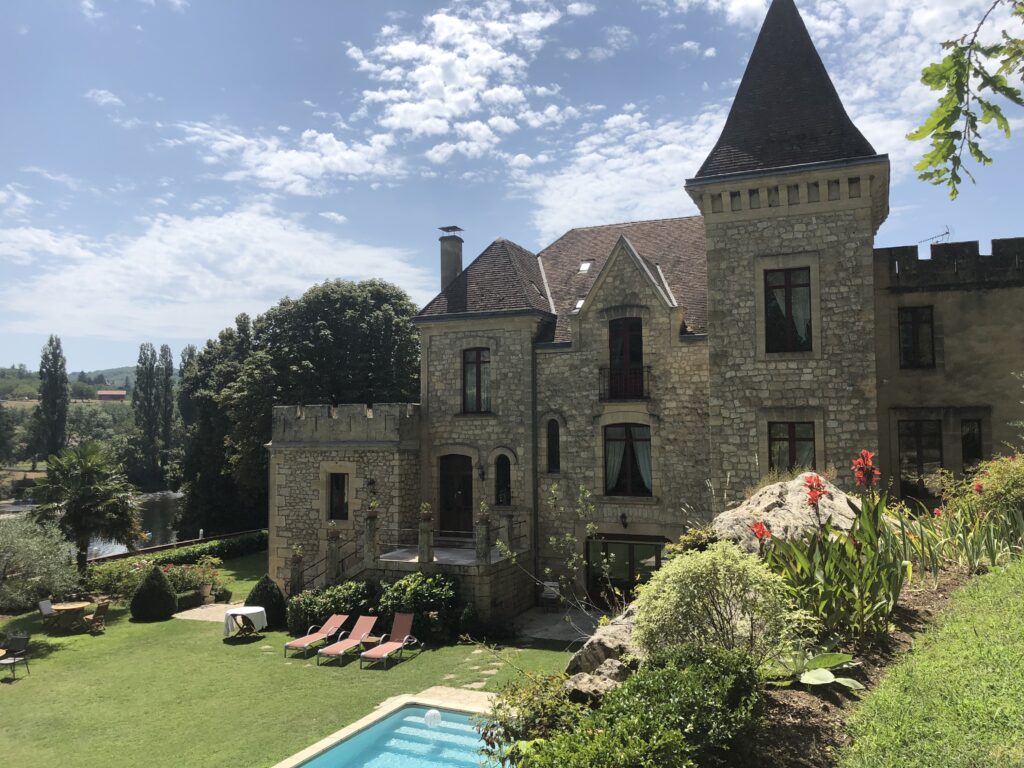
A house in the valley would become the group’s anchor. Mornings with coffee on the terrace. Someone already in the pool. Someone else still talking about the dinner before. Walking shoes by the door. Market fruit on the kitchen table. Bottles waiting for the evening. The small disorder of a group that has stopped behaving like guests and begun, quietly, to inhabit the place.
That matters in a celebration like this. The setting should not only host the memories. It should help create them.
Underground: A Private Visit to Lascaux
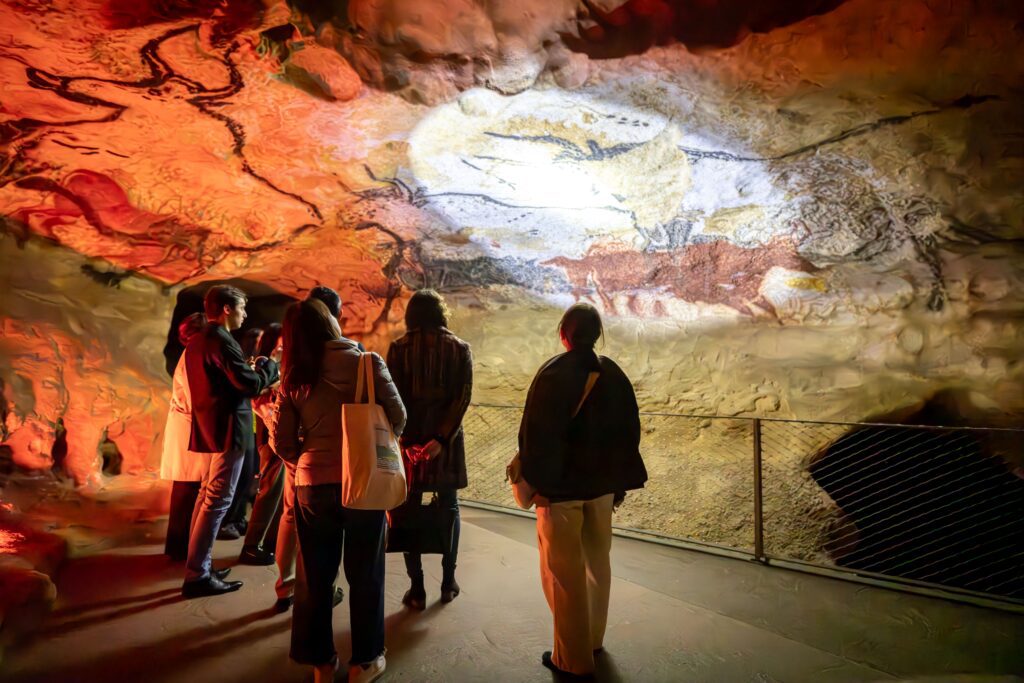
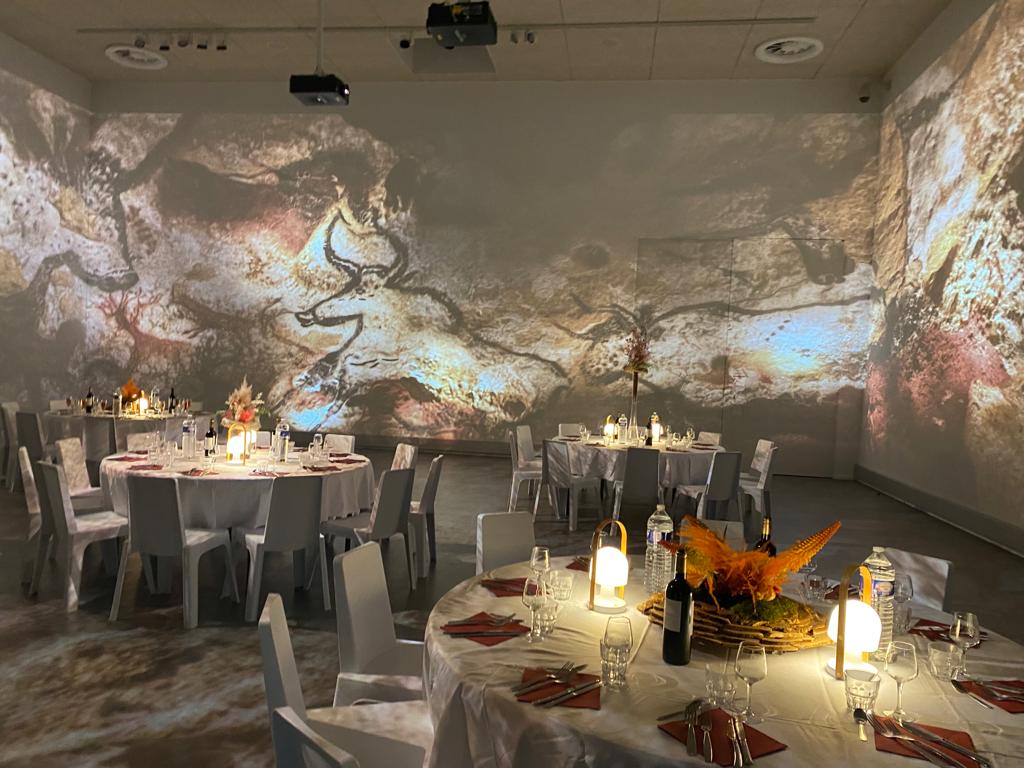
One of the strongest moments would begin underground. A private visit of Lascaux II with a prehistory expert could become far more than a cultural stop. In the right hands, the cave stops feeling like a reproduction and becomes a threshold. The walls darken. The animals return. One begins to imagine the first gestures, the breath, the light moving over stone, the intelligence of hands that painted something still capable of reaching us thousands of years later.
What Deep Time Does to Twenty Years
For a wedding anniversary, that matters. Standing before images from deep time in the UNESCO-listed Vézère Valley, twenty years suddenly becomes both enormous and brief. A marriage is long in a human life. It is a flicker beside the age of those walls. And somehow, that does not diminish it. It makes it more precious.
On the Water: Canoeing the Dordogne River
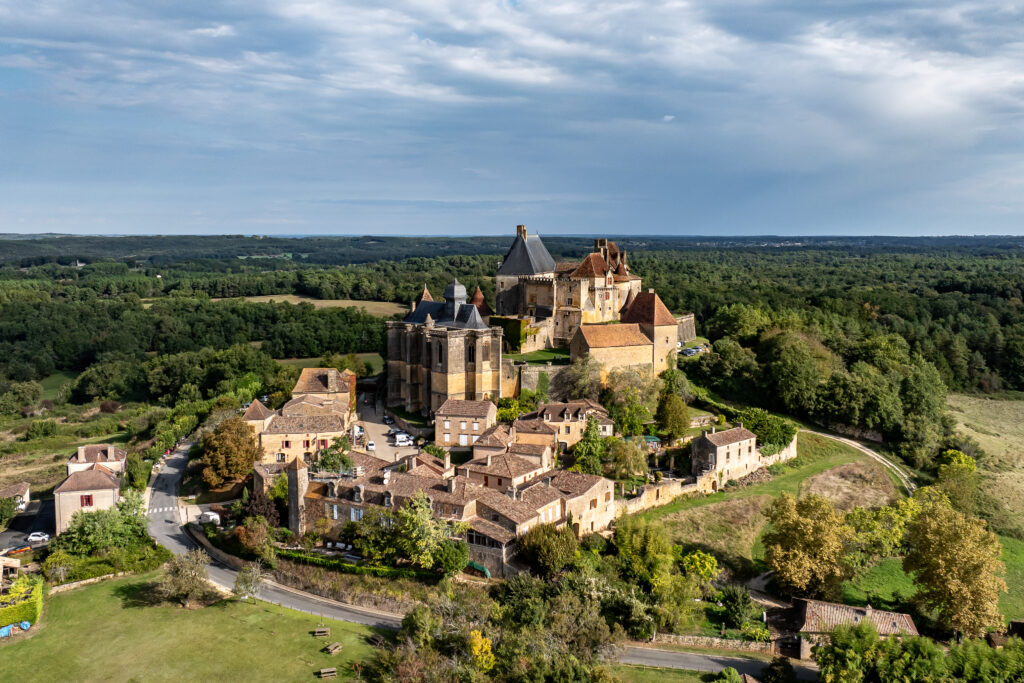
The river would bring the week back to laughter. Canoes on the Dordogne are never only canoes. They create pairings, jokes, mild competition, someone who splashes too much, someone who claims not to be sporty and then takes the lead, someone who drifts instead of paddling. The castles above, the cliffs, the villages, the slow bends of the water — all of it becomes background to the simple pleasure of moving together without needing to say anything important. That is often where friendship returns most easily. Not around a formal table. In motion.
The Taste of Périgord: Truffles, Clay, and Long Dinners
Meeting a Truffle Grower
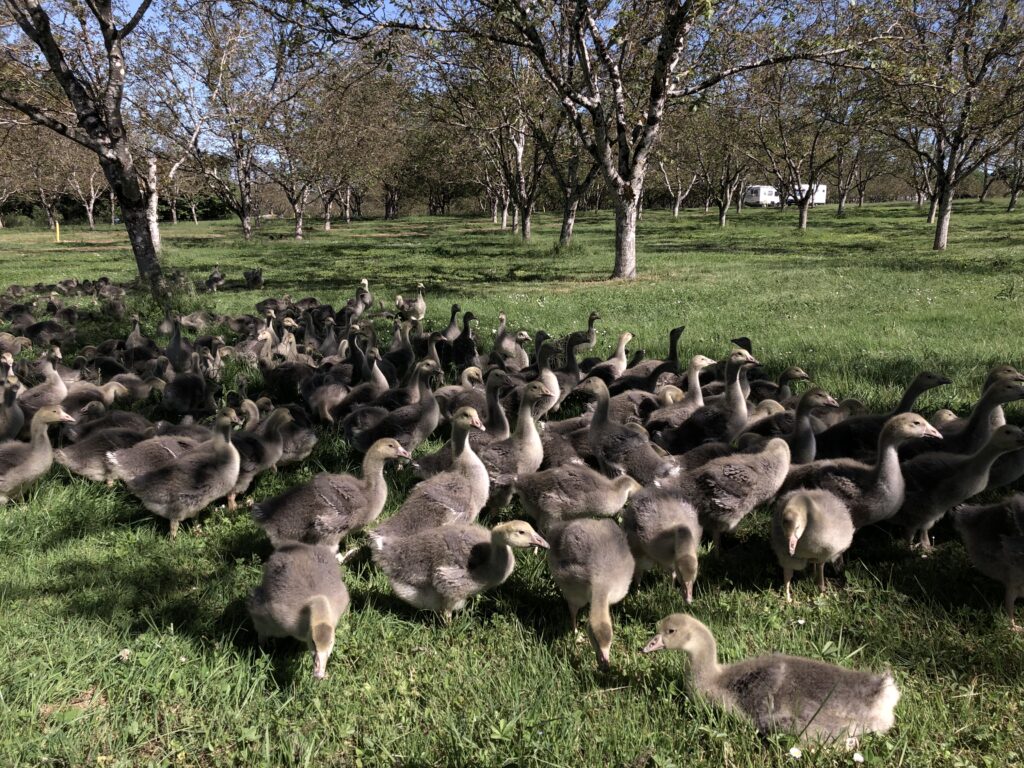
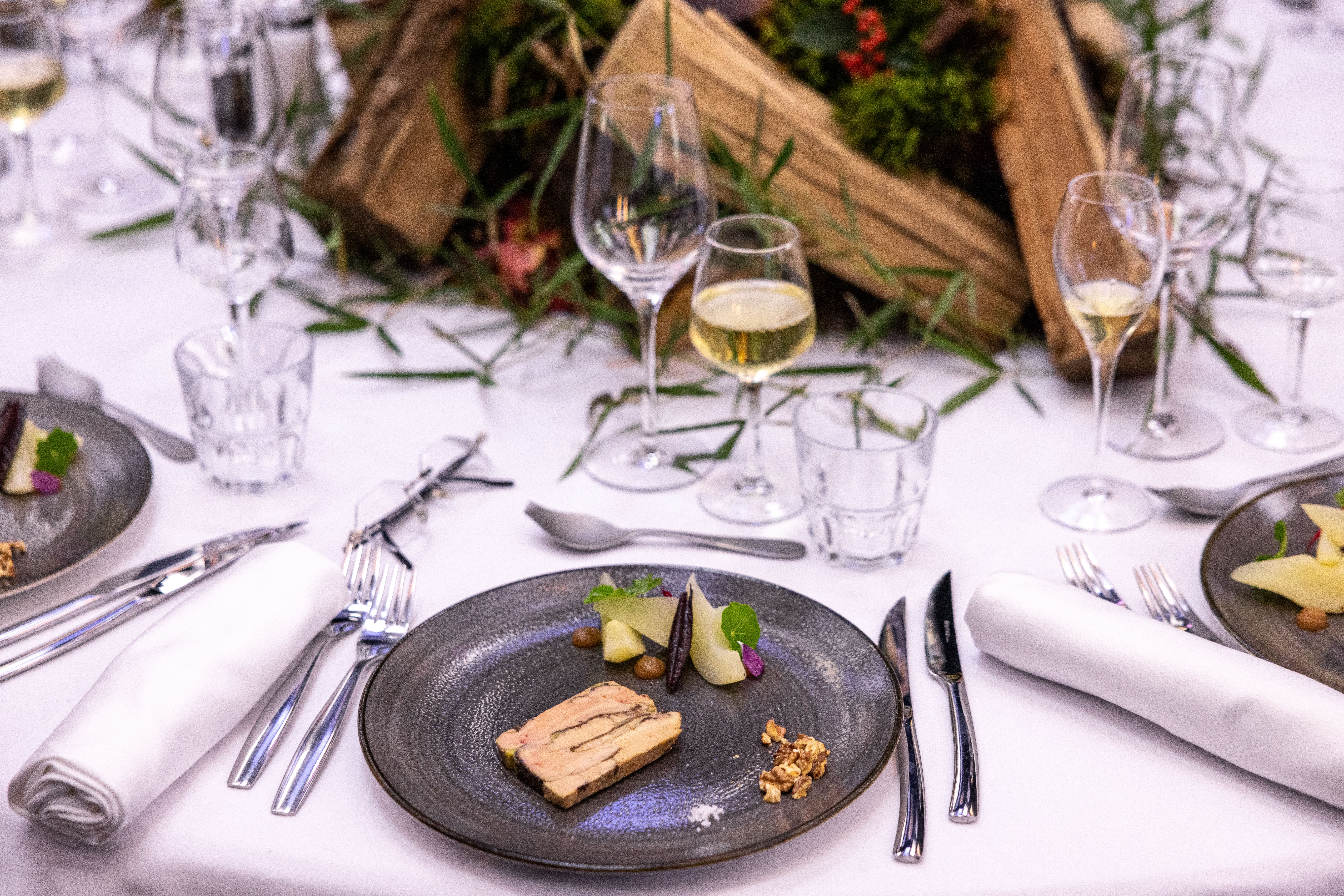
Food would give the celebration its warmth. A meeting with a truffle grower, not as a staged gourmet moment, but as a way of entering the soil of Périgord: the patience, the dog, the scent, the season, the almost secret knowledge of where richness hides underground. Duck, walnuts, markets, local wines, long dinners — not a checklist of specialties, but the taste of a region that understands appetite as part of hospitality.
A Ceramic Artist, Known Only to Locals
Then, a more intimate encounter. A ceramic artist, known mostly to locals and to a few chefs who care deeply about the objects that carry food to the table. Not a famous name placed there to impress. Something better: a hand, a kiln, a material, a form. The group would see how a plate can belong to a landscape, how clay becomes part of a meal before anything has been served on it. These are the details that make a celebration feel rooted. Not just beautiful. Belonging somewhere.
Above the Valley: Dinner in a Hot Air Balloon
And then, the sky.
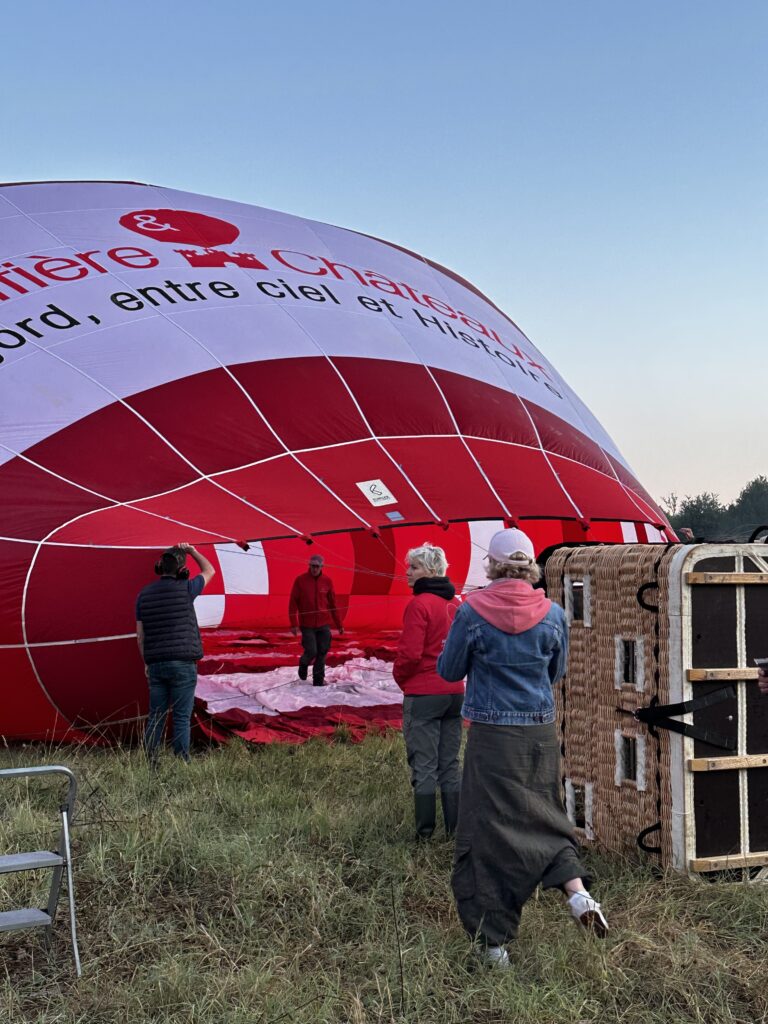
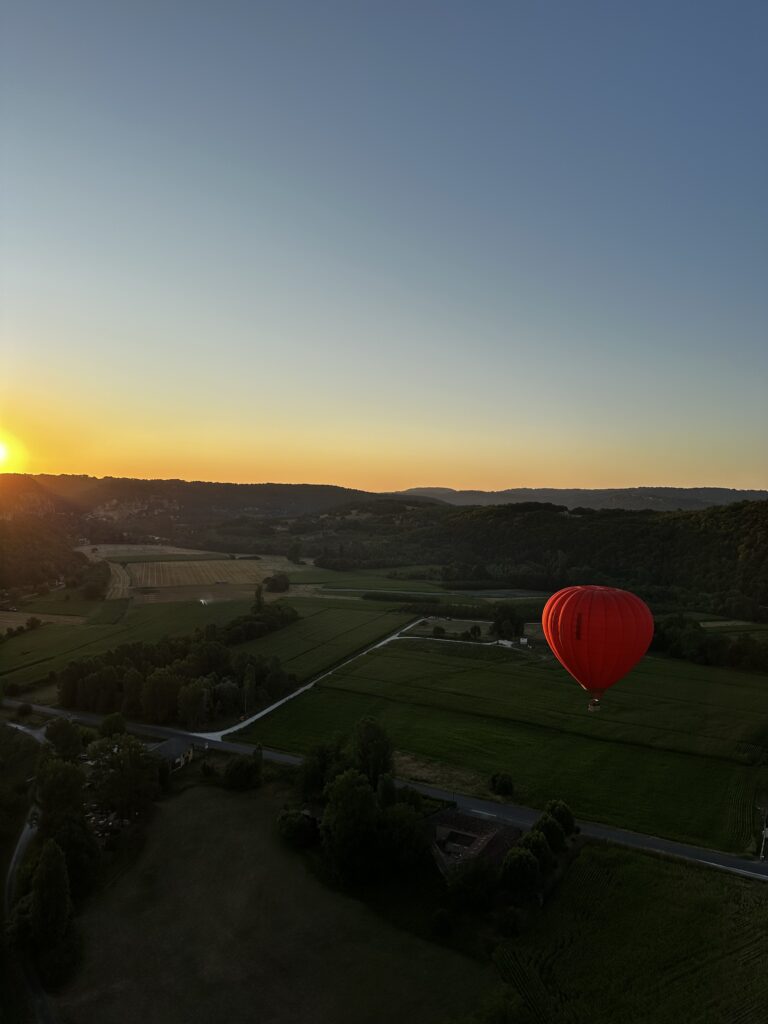
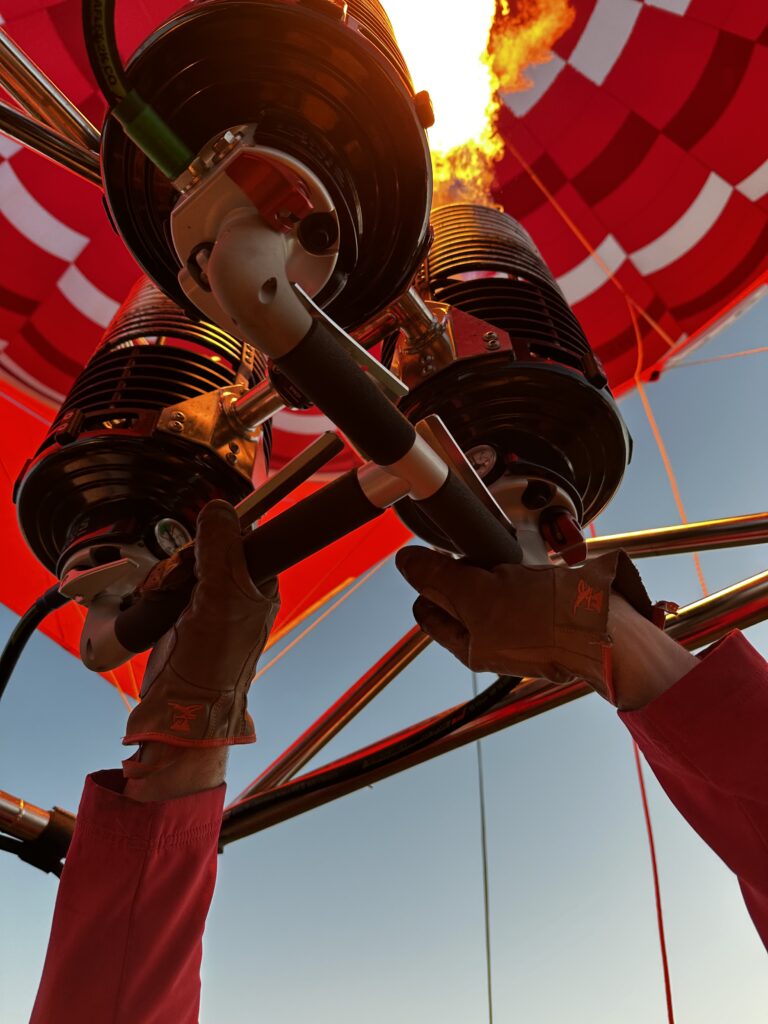
A sunset balloon flight over Dordogne could have been enough. The valley below, the light lowering over fields, woods, river, villages, roofs, castles, and the long shadow of evening. But for this anniversary, the moment should go further: dinner in the air, prepared by a Michelin-starred chef. Not a dinner designed to show off. A dinner designed to suspend time.
Eighteen people above the landscape, glasses raised, the world silent beneath them, the couple surrounded by the friends who had watched the marriage begin. No speeches needed too early. The scene would already be saying enough.
Only a few moments, but chosen with care. That restraint is important. A celebration like this does not become stronger by adding more. It becomes stronger when each experience has a reason to be there. The rest should remain unforced: walks through villages, long lunches, time at the house, a quiet morning, someone making coffee before the others wake, conversations that begin at dinner and continue outside because the night is warm and no one is quite ready to go in.
By the end, the anniversary would not be remembered as a list of extraordinary experiences. It would be remembered as a return. To the couple they once celebrated. To the friends they were twenty years ago. To the lives that had unfolded since. To the simple astonishment of still being gathered.
Some anniversaries look back. This one would look around. At the people who were there. At the time that passed. And at the rare happiness of being able to say: twenty years later, we are here again.