
There is a particular kind of guest who does not need to be impressed. They need to be moved.
They have already been to the great addresses. They know the names, the rooms, the bottles. They have sat at tables where the food was exceptional and the view was flawless, and come home quietly wondering if that was, in fact, everything. The question they carry, often without naming it, is not where to go next. It is how to feel something again.
France has a different answer for this. Not in its monuments, though the monuments are real. In its terrain. In the particular way a region, entered properly, can reach into a moment and change its nature entirely. A bay about to be swallowed by the tide. A cellar where decades collapse into a single glass. A dune at the edge of the ocean where formality quietly gives up. A fort in the middle of the water, opened for one evening by the man who spent his life restoring it.
The six celebrations below were built around real people, real briefs, and feelings that were sometimes impossible to articulate at the start. A Brazilian CEO whose dream of Bordeaux had waited years to be realized properly. Twin brothers whose party for sixteen became forty and took on a life of its own. Fourteen women who chose each other over grandeur. A ninety-one-year-old matriarch at a table with four generations gathered around her. None of these stories came from a catalog. Each of them found something that could only have been found, not assembled.
What they share is not a style, a region, or a level of luxury. What they share is this: something happened that no one had quite expected. And that was the point.
A Birthday That Became Its Own Riviera Legend
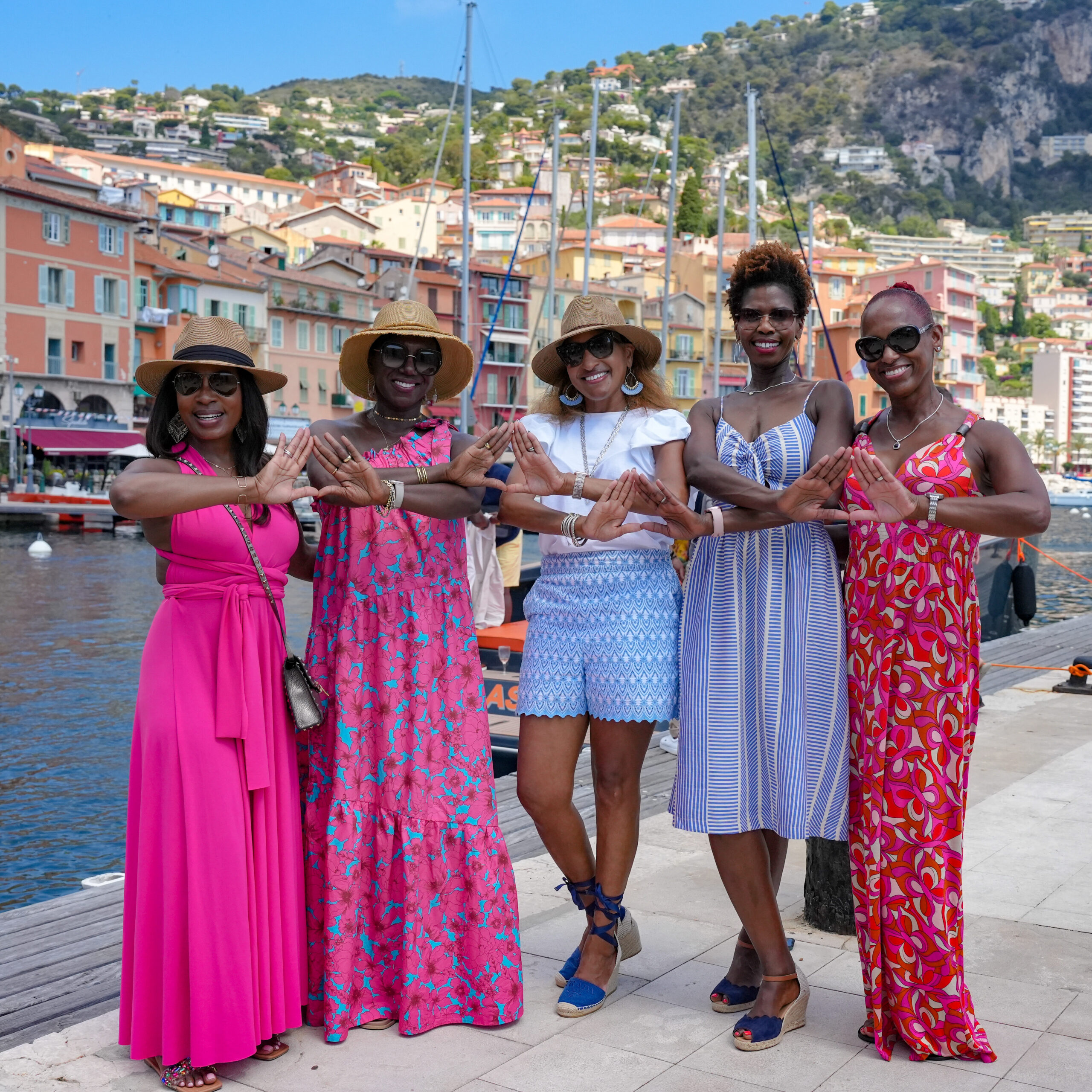
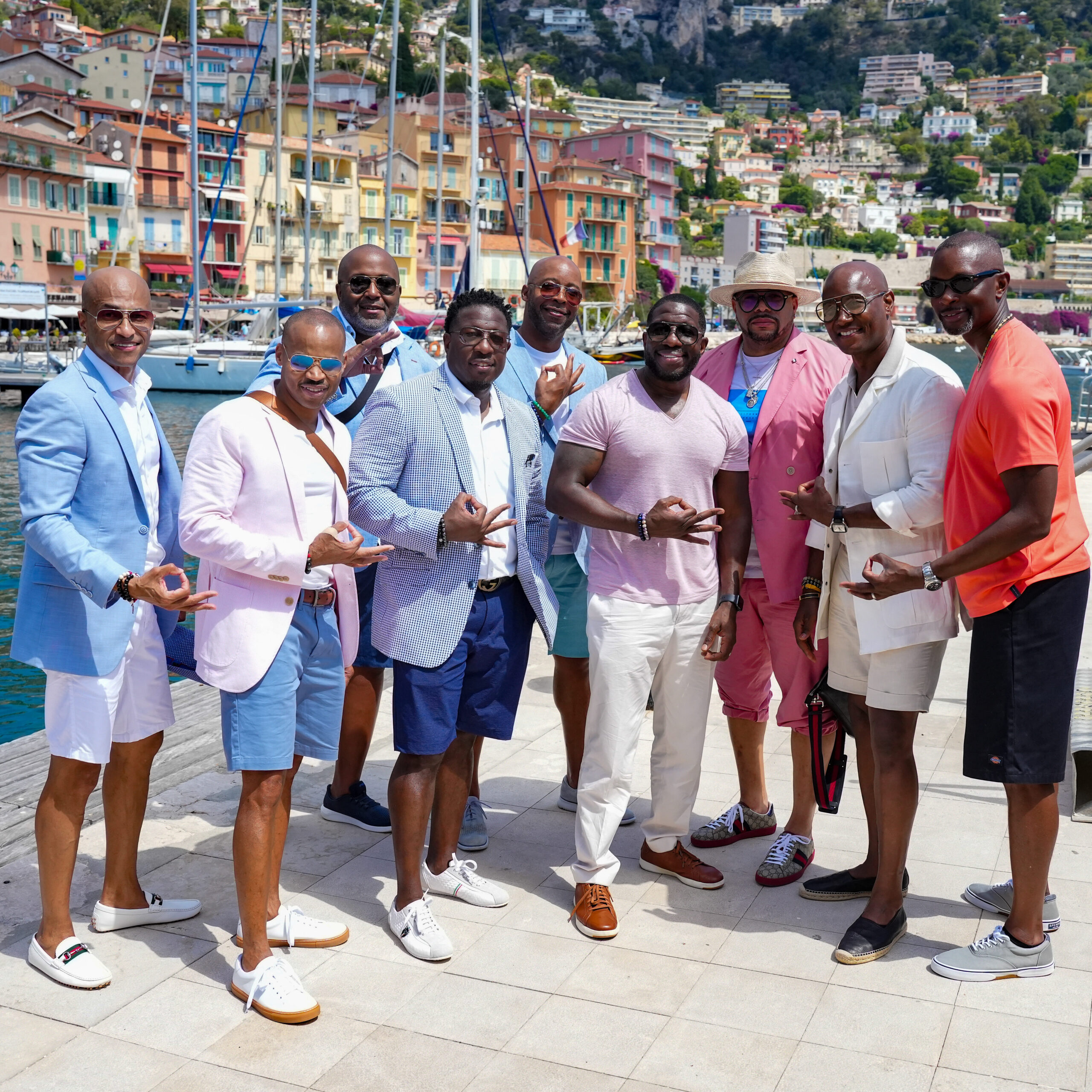
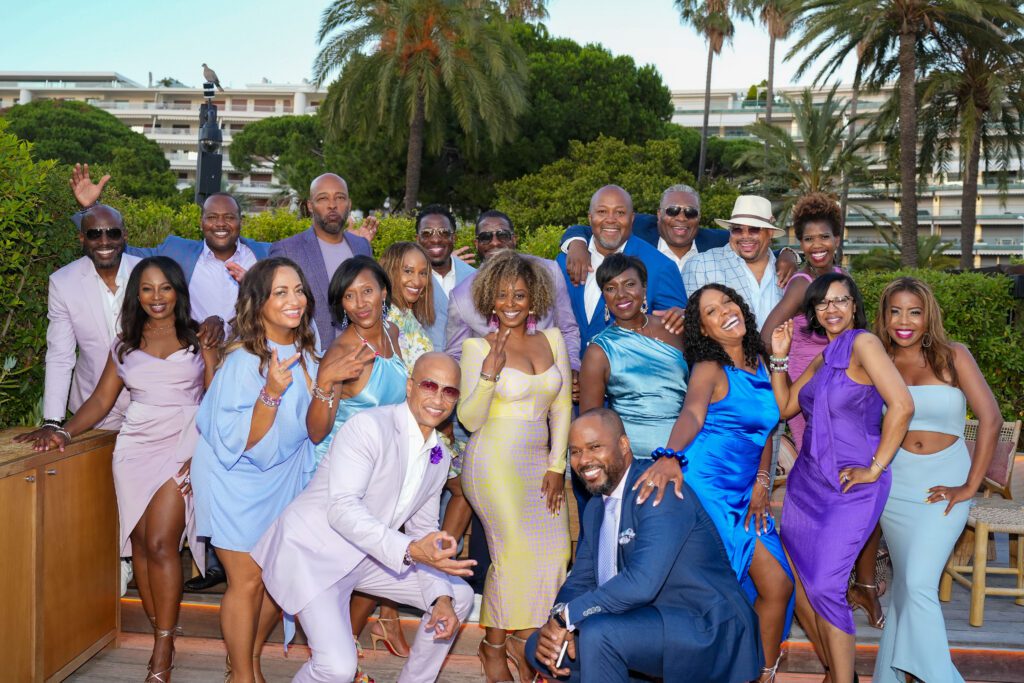
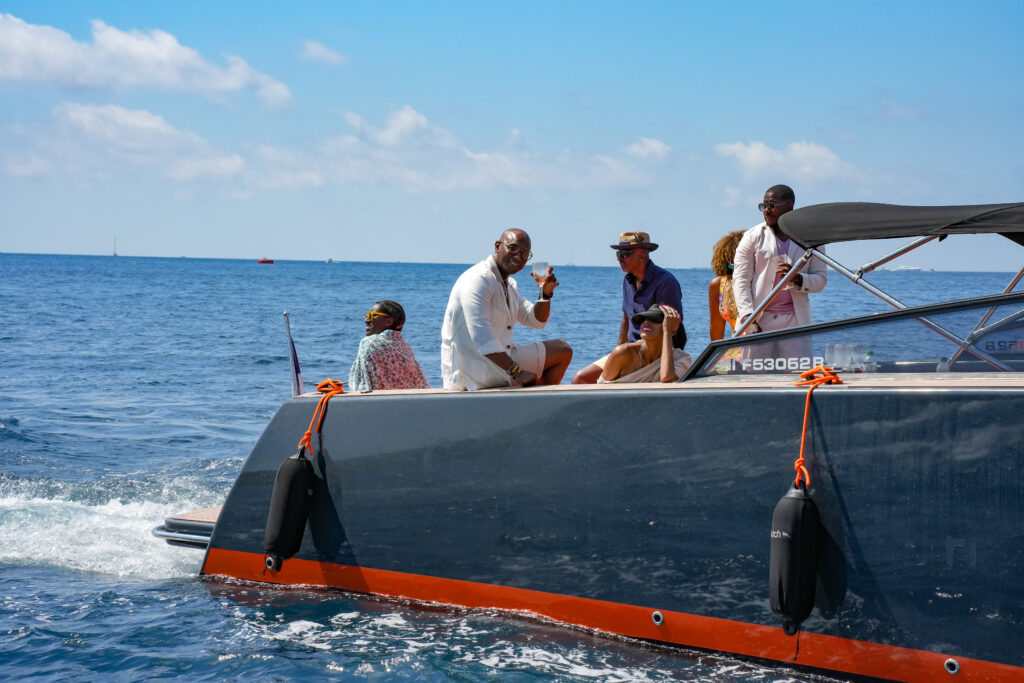
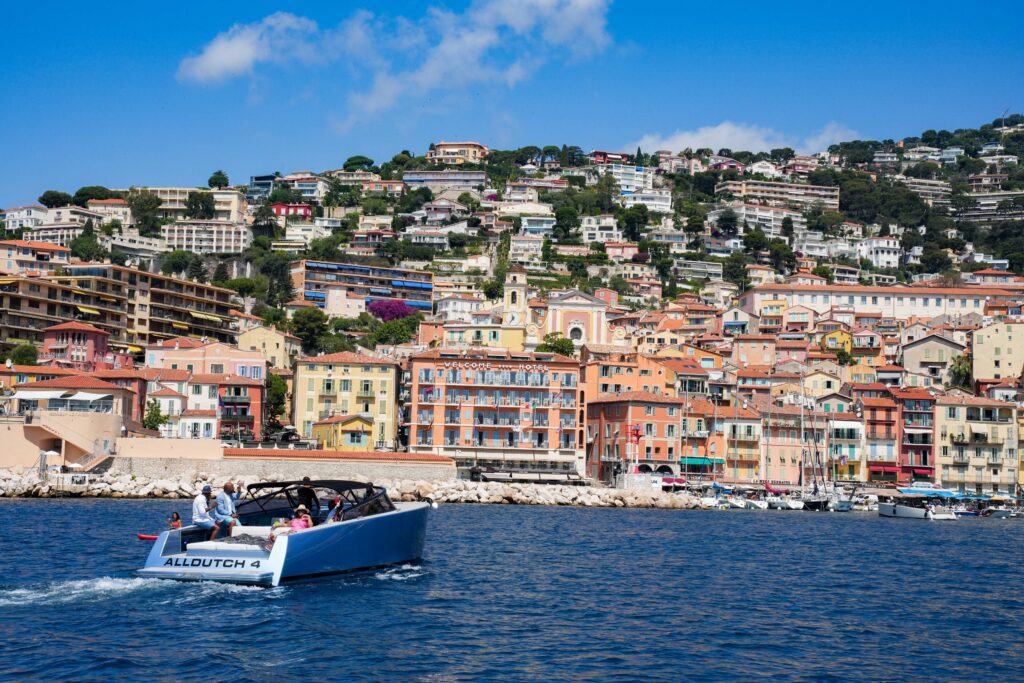
It began with two brothers. Twin brothers, who wanted to celebrate together somewhere that could hold their appetite for life: festive, glamorous, full of movement. The group was expected to be around sixteen.
Then it became nearly forty.
That changed everything.
A celebration for sixteen can still behave like a private trip. A celebration for forty becomes a living organism. It has moods, delays, diverging rhythms, sudden ideas. Some guests want the sea. Some want art. Some decide at the last minute they absolutely must be somewhere else entirely. The challenge was not to organize Monaco, Cannes and Saint-Tropez. It was to make all three feel available at once, to make possibility part of the atmosphere itself.
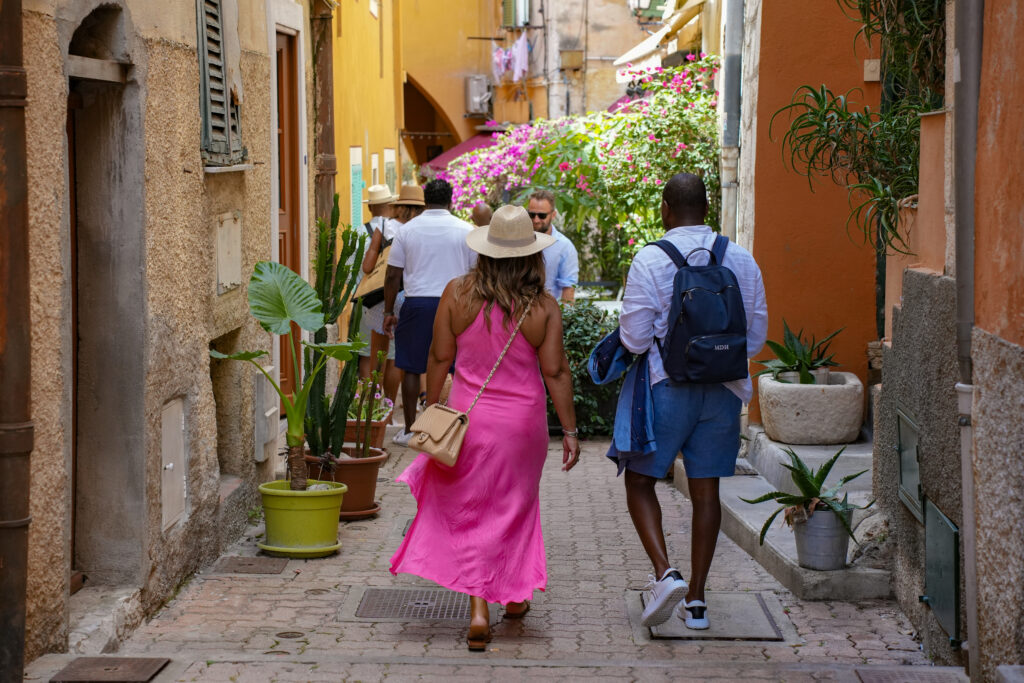
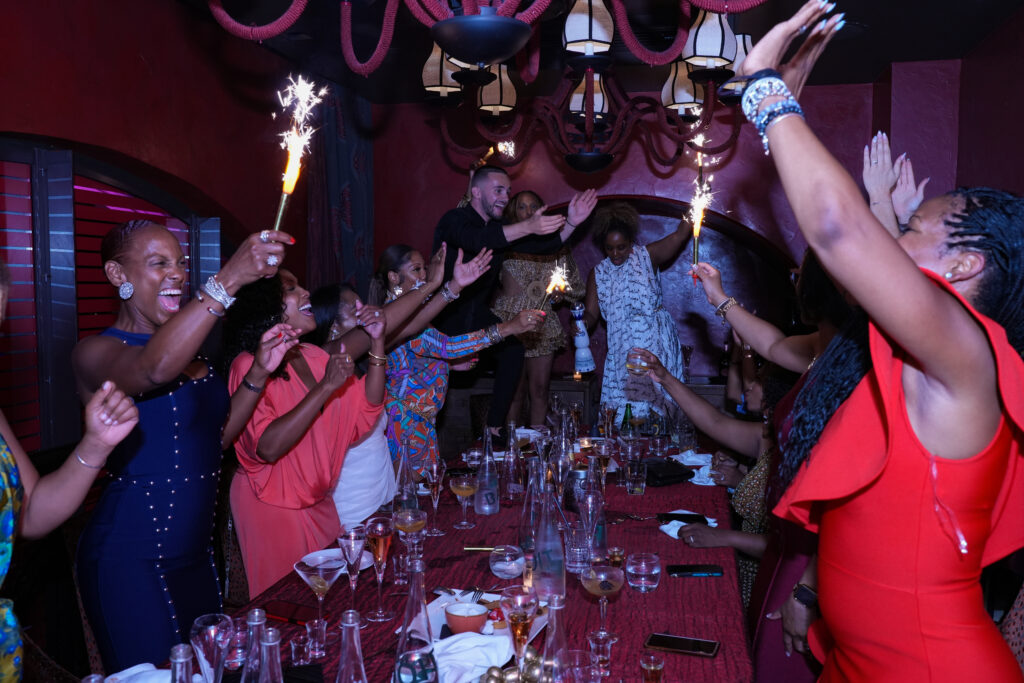
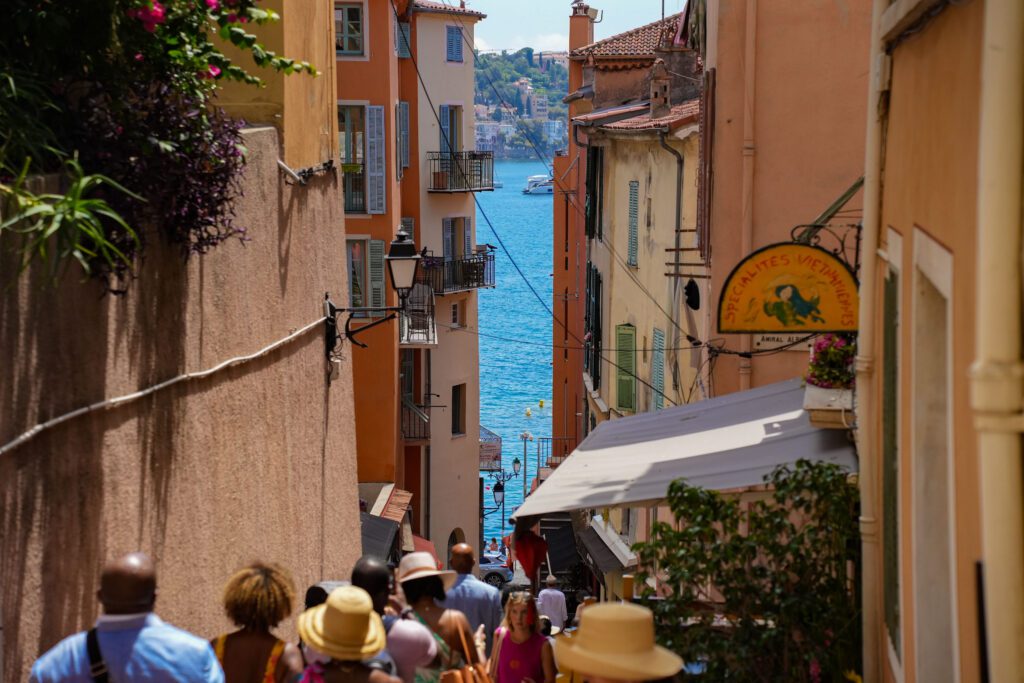
The program had two lives. One collective: Monaco as the opening note, a private boat toward Villefranche, a stop at the confidential Bellet wine appellation hidden near Nice so that glamour would not arrive without discovery, a birthday dinner rising into the night at Bâoli, Saint-Tropez as the final release. The other life was personal: classic cars along the Corniches, a fragrance composed privately in Grasse, a table found at the last minute, a beach afternoon that became the first act of the evening.
Everyone belonged to the same celebration. No one had to live it in exactly the same way.
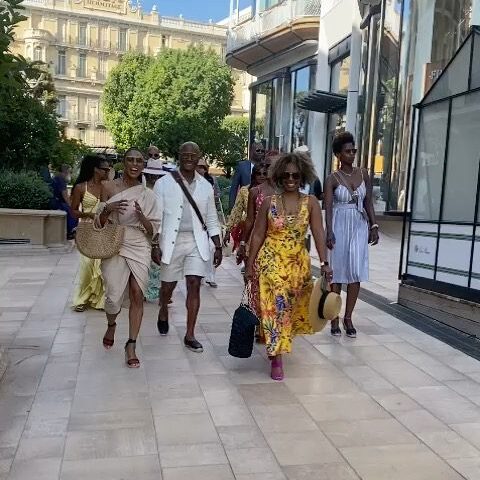
And then, one evening on the Croisette, strangers stopped two of the tour leaders and asked where the Carter’s party was. Not a party. The Carter’s party. The celebration had become a rumor, not because anyone had tried to make it visible, but because the energy was too alive to stay contained.
The Riviera is used to glamour. It is not easily impressed. But it recognizes energy.
A Birthday in Brittany: The Gift of Being Surprised Again
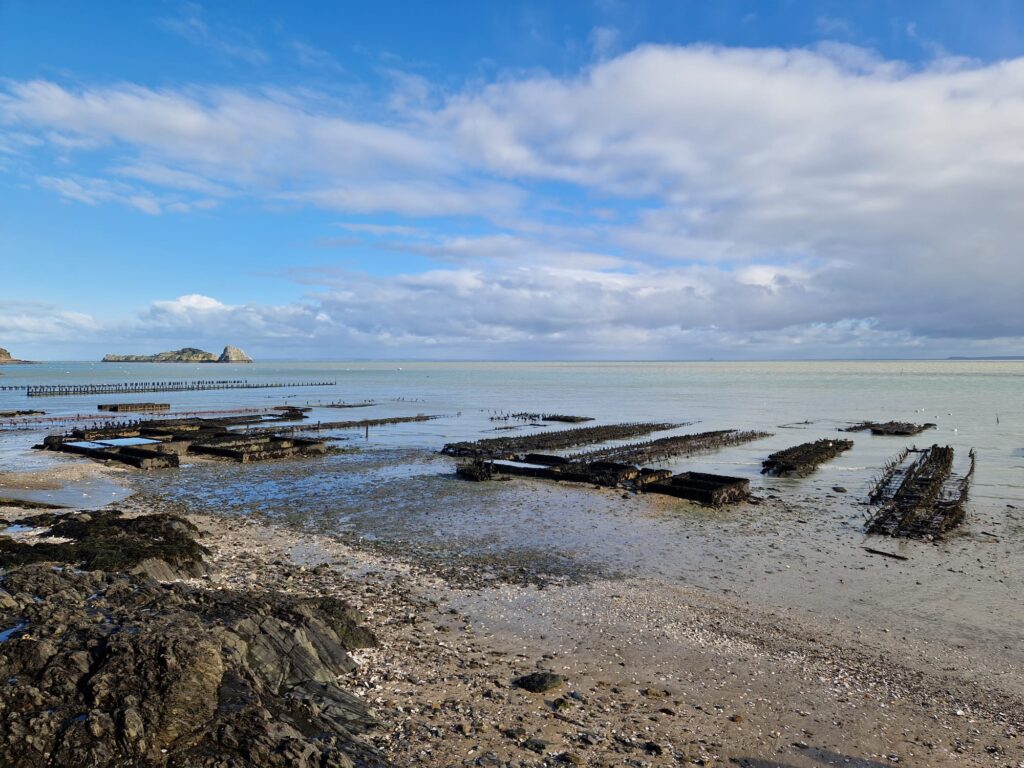
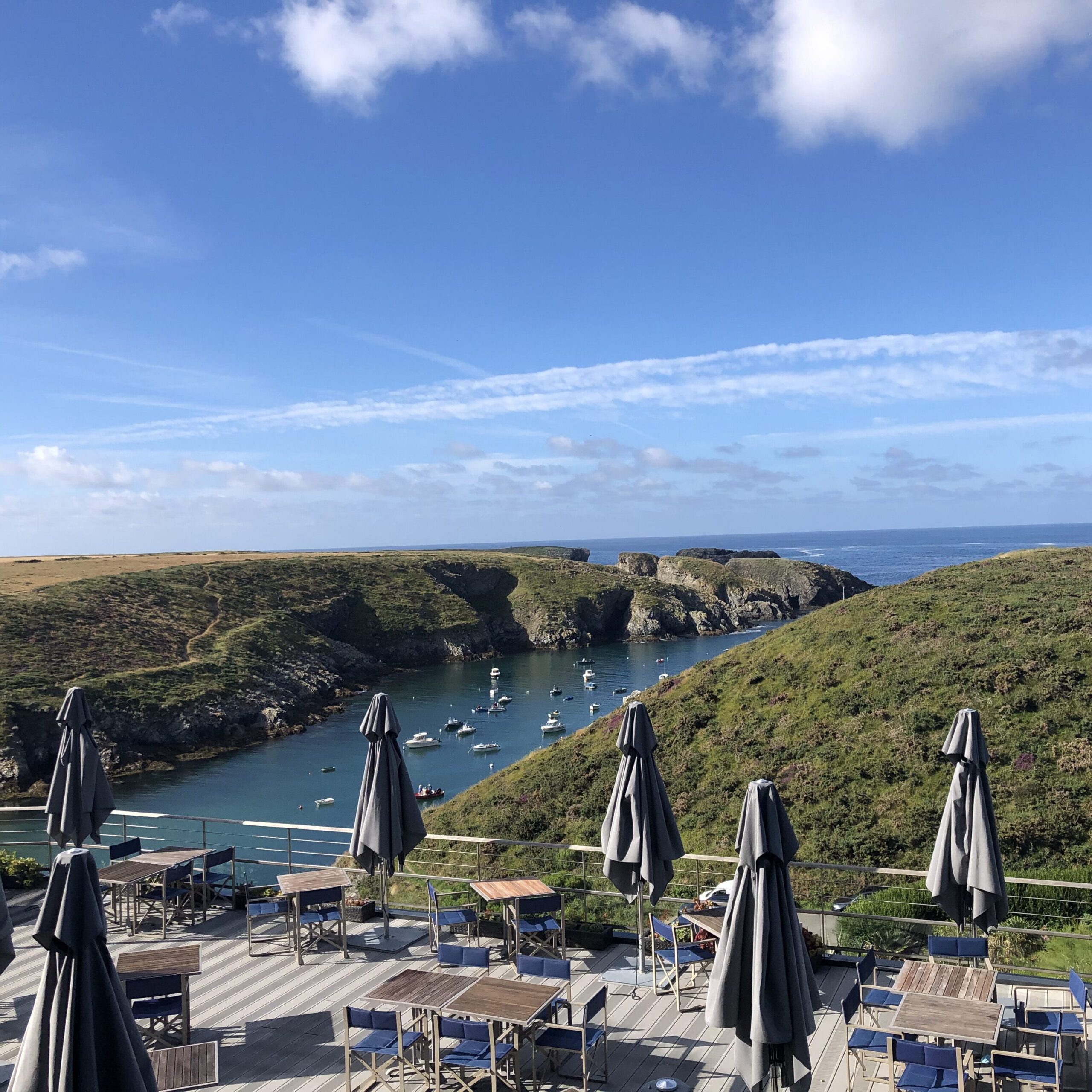
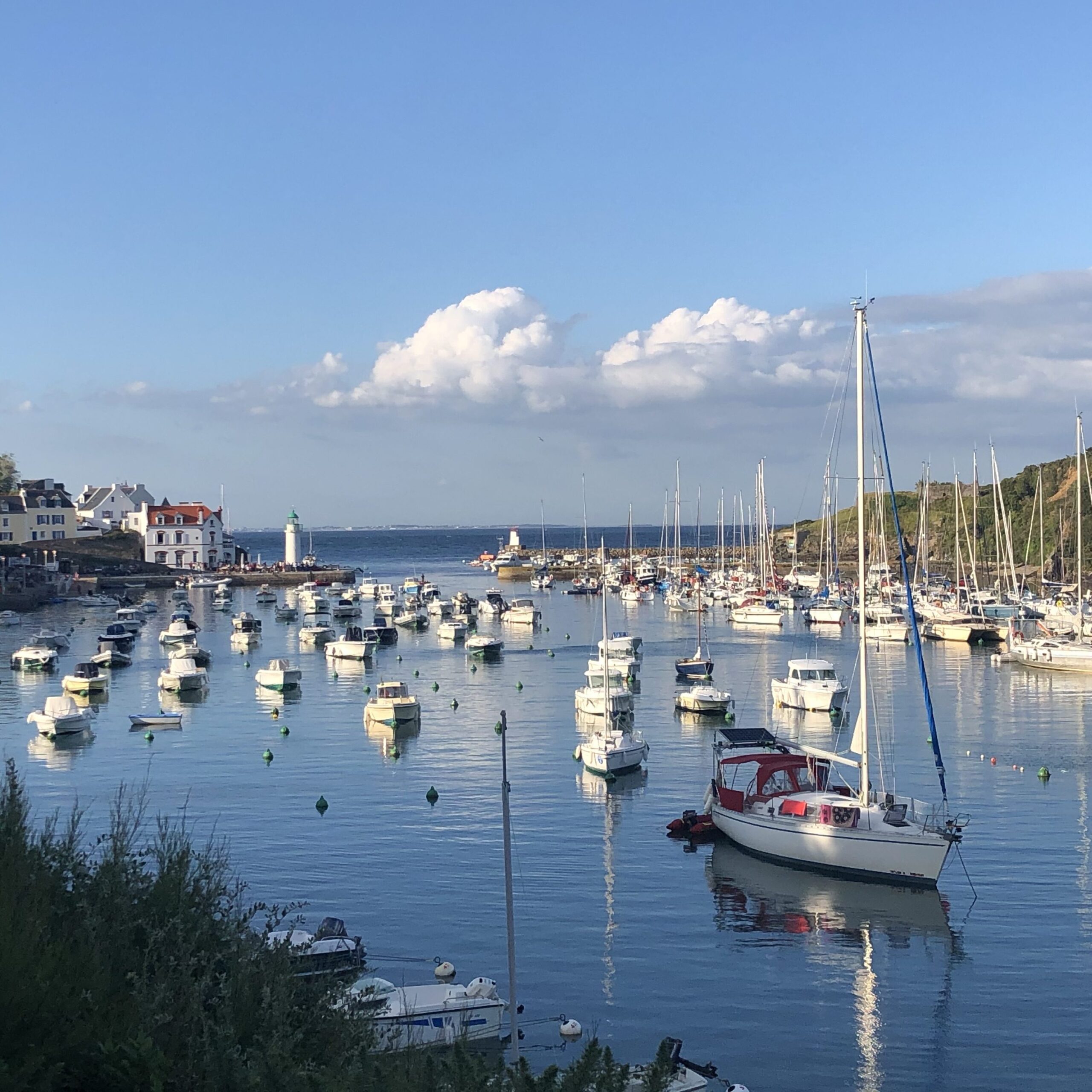
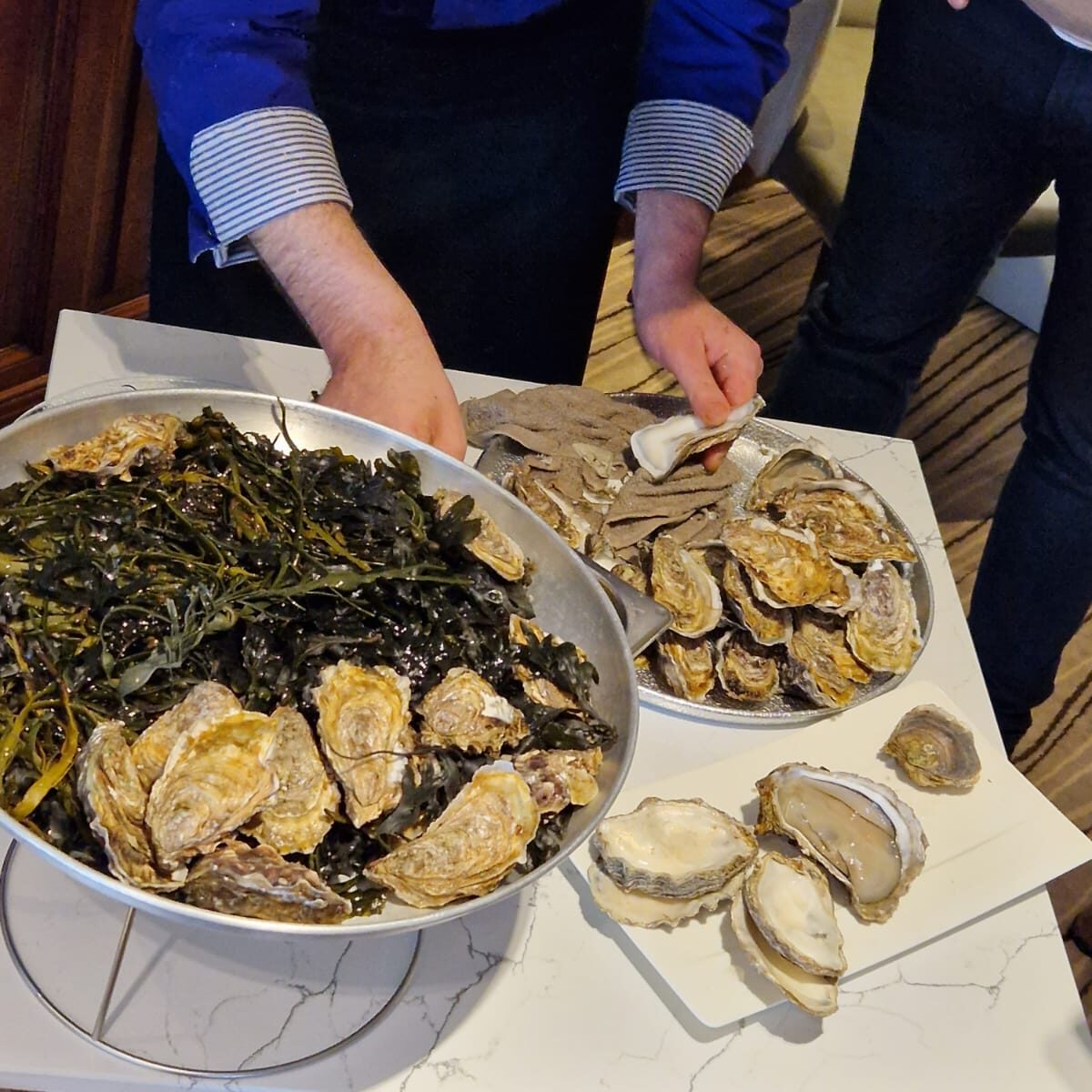
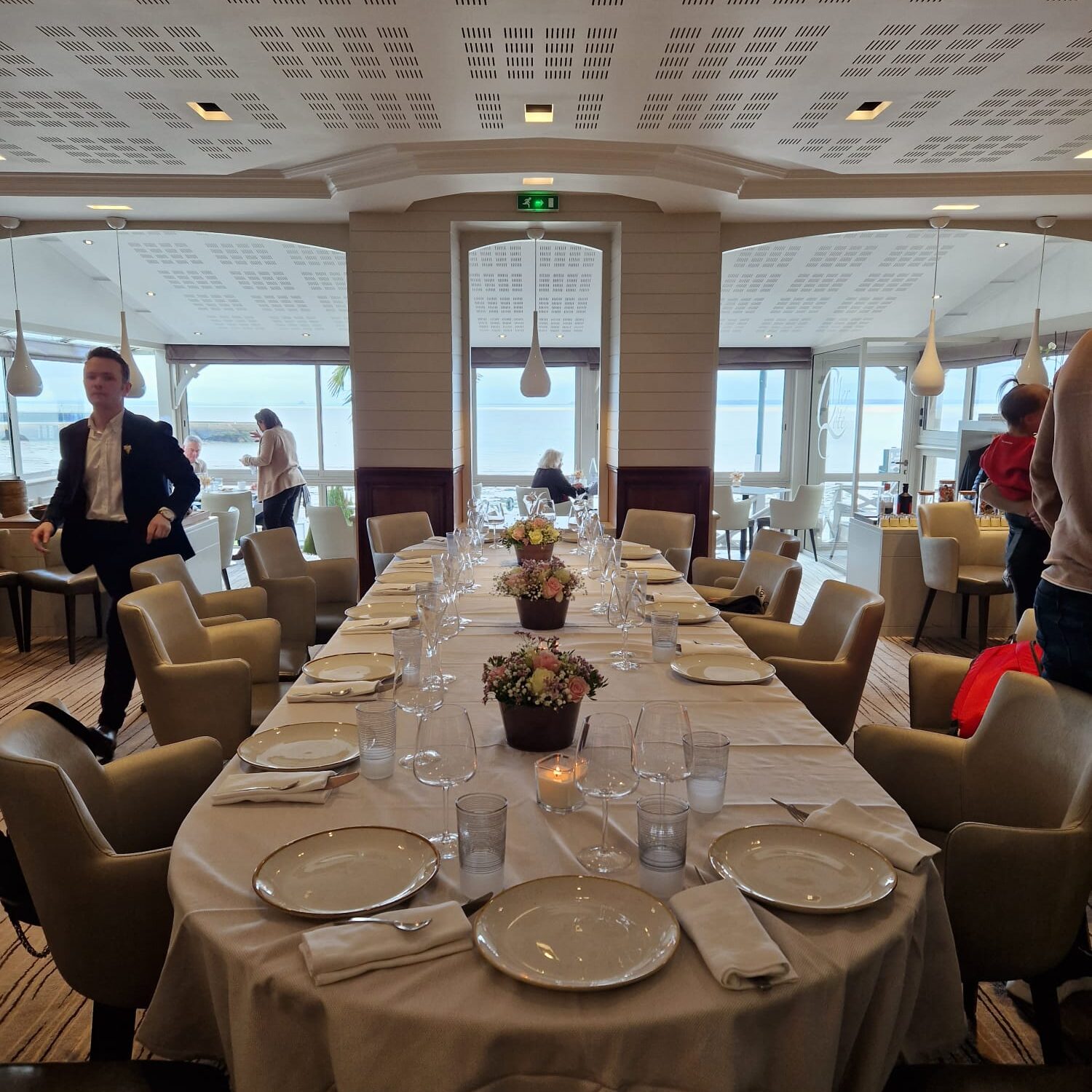
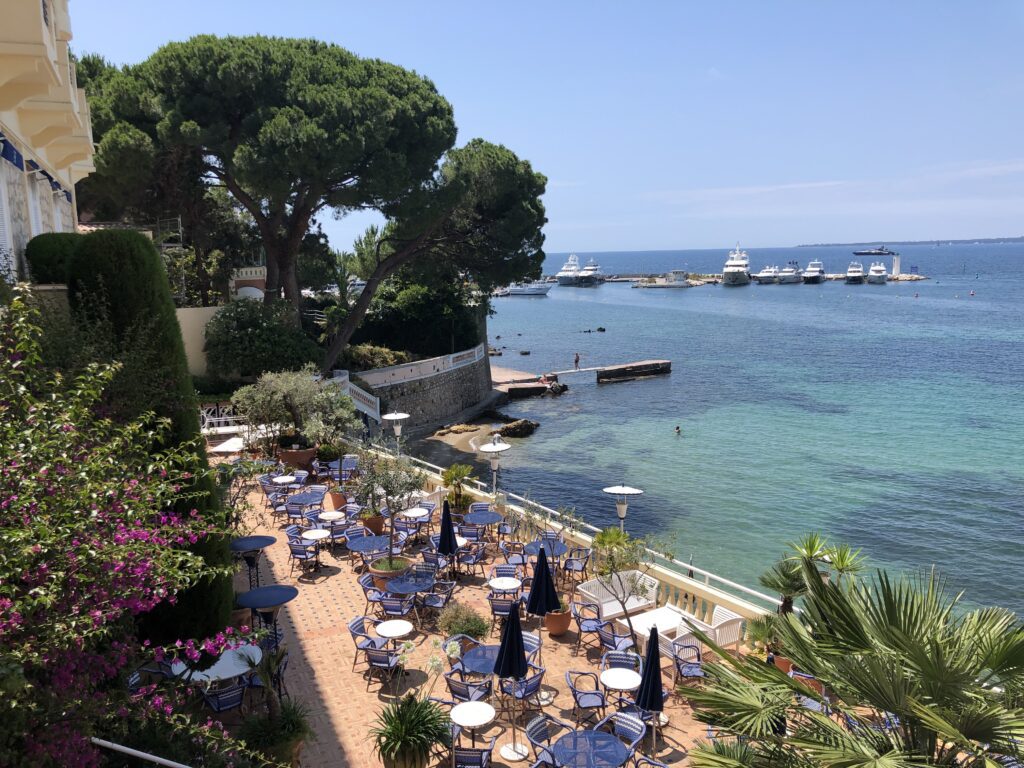
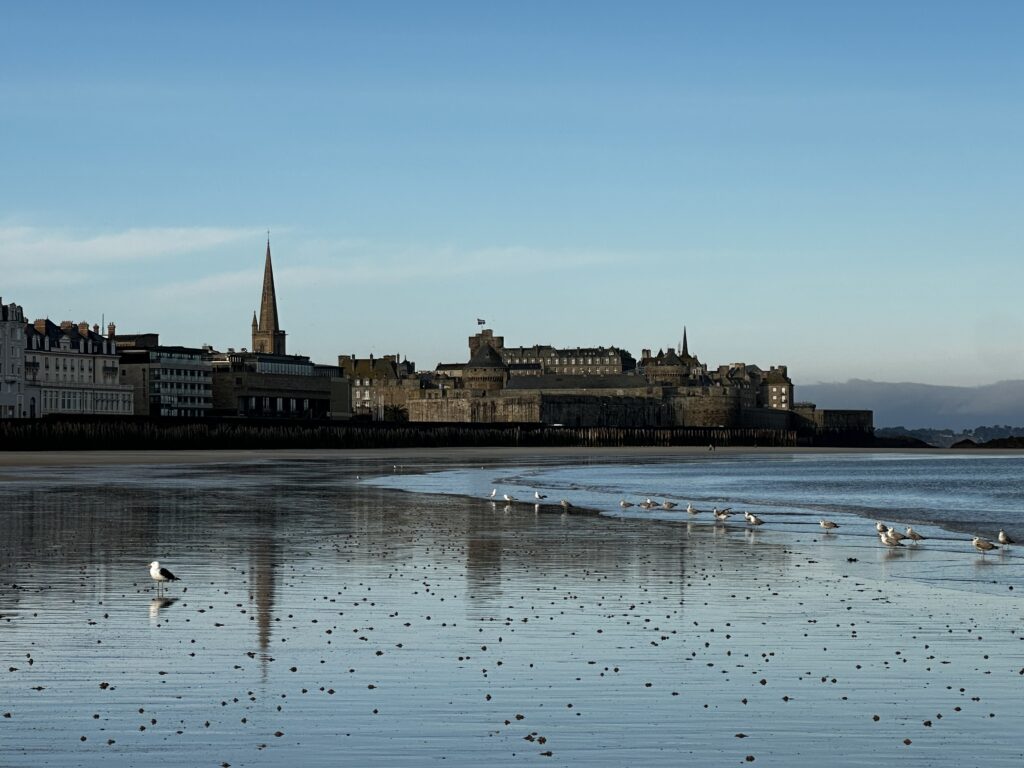
The brief was quietly difficult. A couple who had travelled widely, loved wine deeply, and had no interest in display. Thirteen guests. A destination that had to feel genuinely new.
Brittany answered almost immediately.
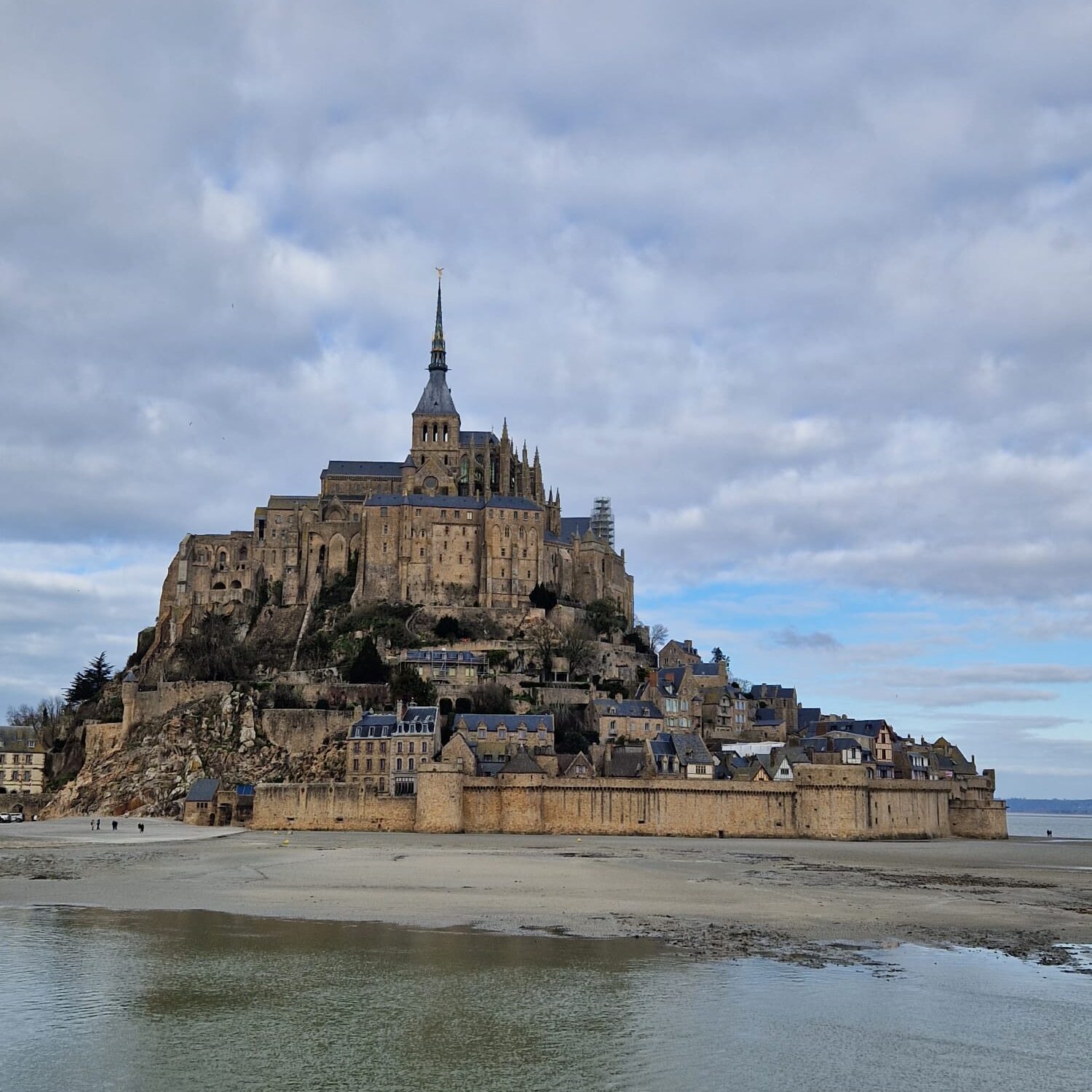
What followed was not a conventional celebration. It was an education in a different kind of terroir, one measured in tides and salt rather than vineyard rows. Oysters in Cancale at the edge of the bay. A helicopter flight over Mont-Saint-Michel, then the walk across the sand with the abbey ahead and the tide somewhere behind, invisible but never forgotten. No décor could have done what that walk did.
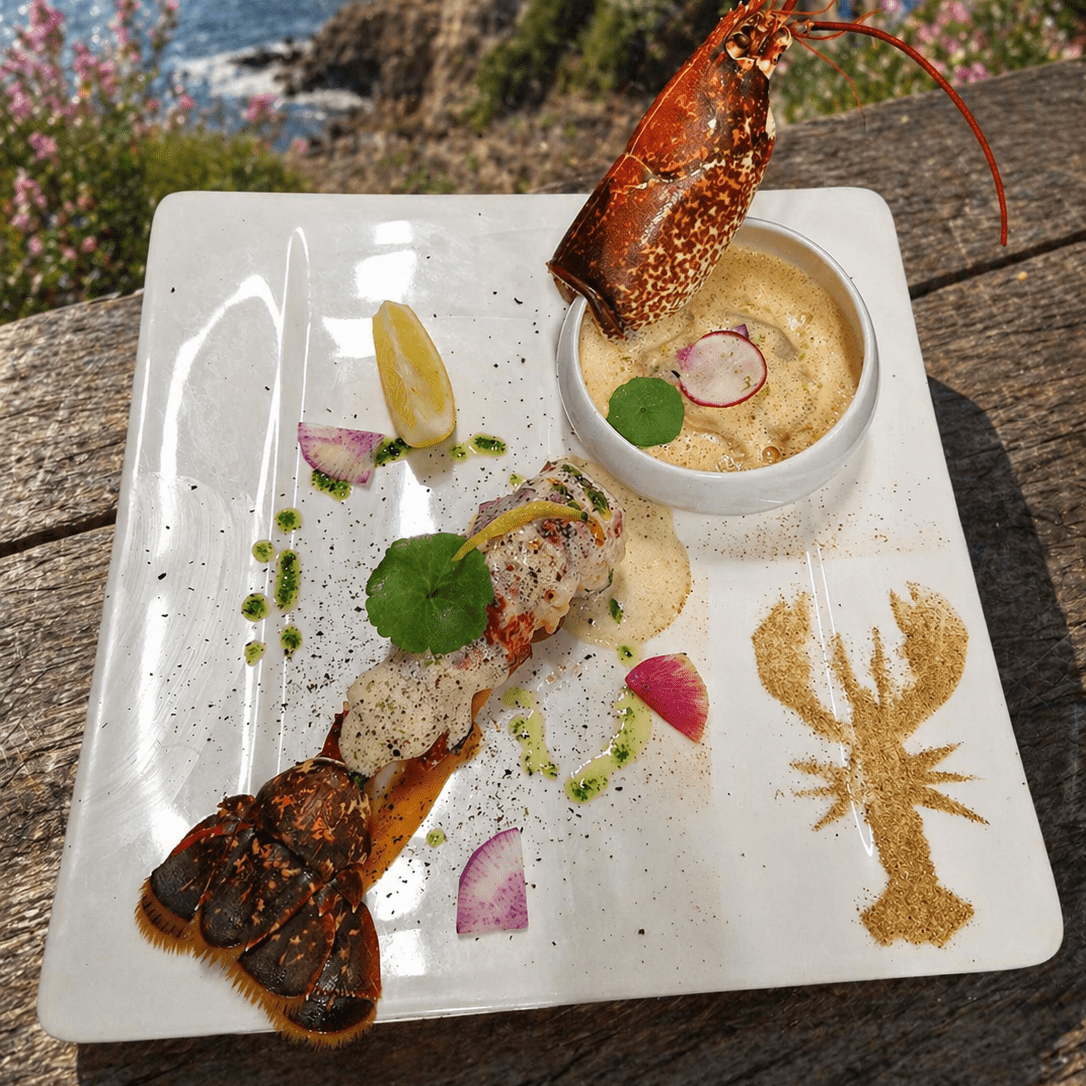
Then came the fort. A 17th-century Vauban structure in the middle of the bay, reached by boat, opened privately by the man who had spent his life restoring it. Aperitif above the water. Lobster from local fishermen. Cheeses from Bordier. Nothing felt imported. The host was not performing access. He was opening a place he knew and loved, and the difference was felt immediately.
The final evening was intimacy: a cliff-top villa in Saint-Lunaire, a Michelin-starred chef in an open kitchen, the sea darkening beyond the windows. A toast that could have been Champagne. But an exceptional local cider felt more exact here, more honest, a toast not to luxury in general, but to Brittany itself.
For guests who had seen so much, the gift was not more grandeur. It was the feeling of discovery returning.
A Wine Lover’s Birthday in Burgundy: When Every Dish Speaks to the Glass
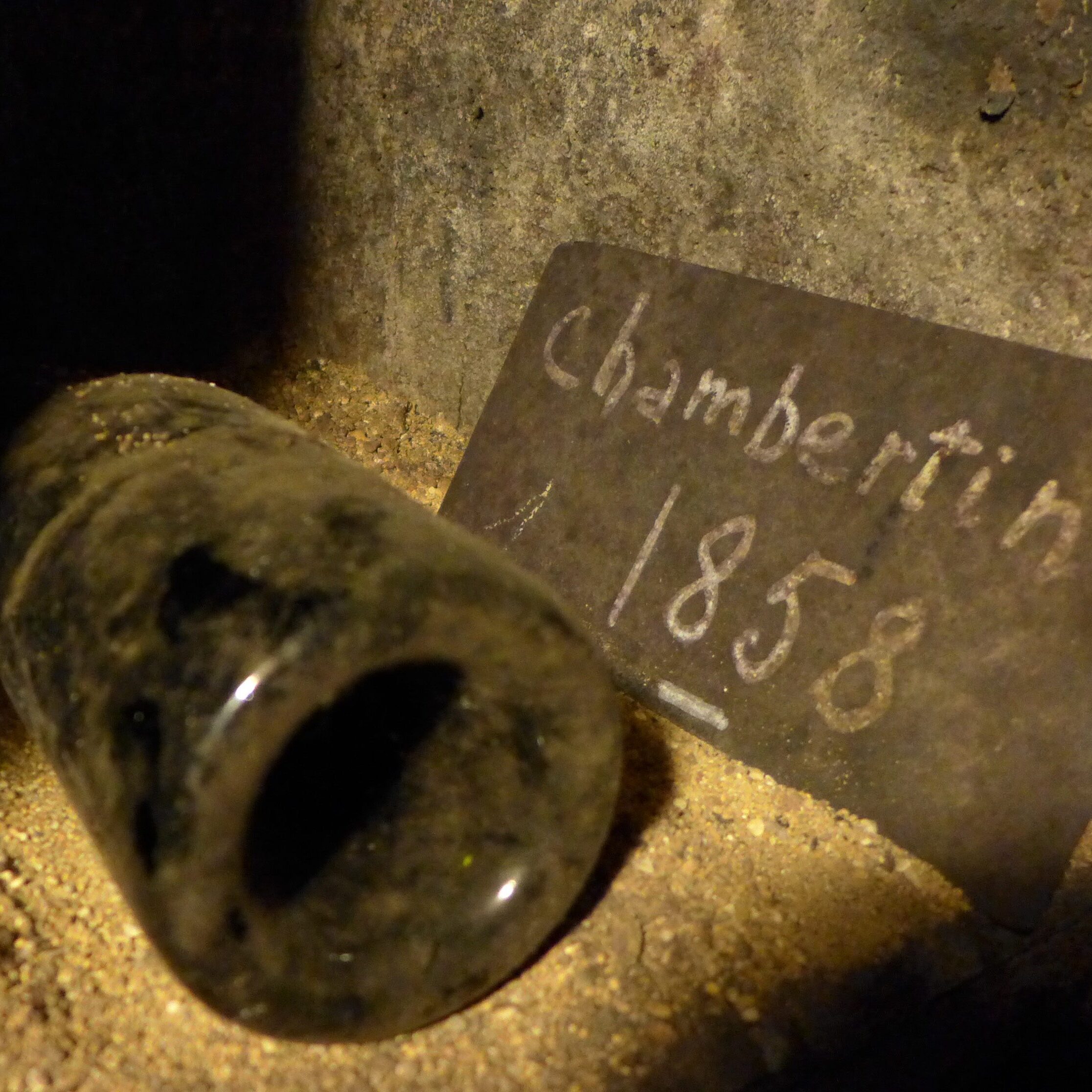
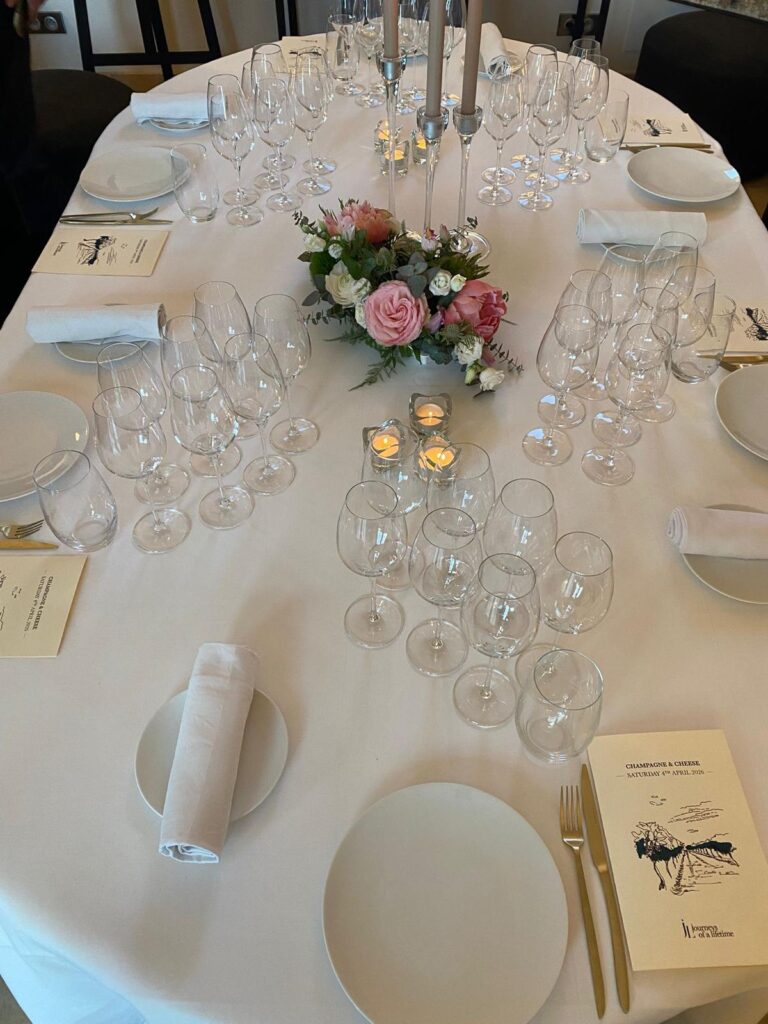
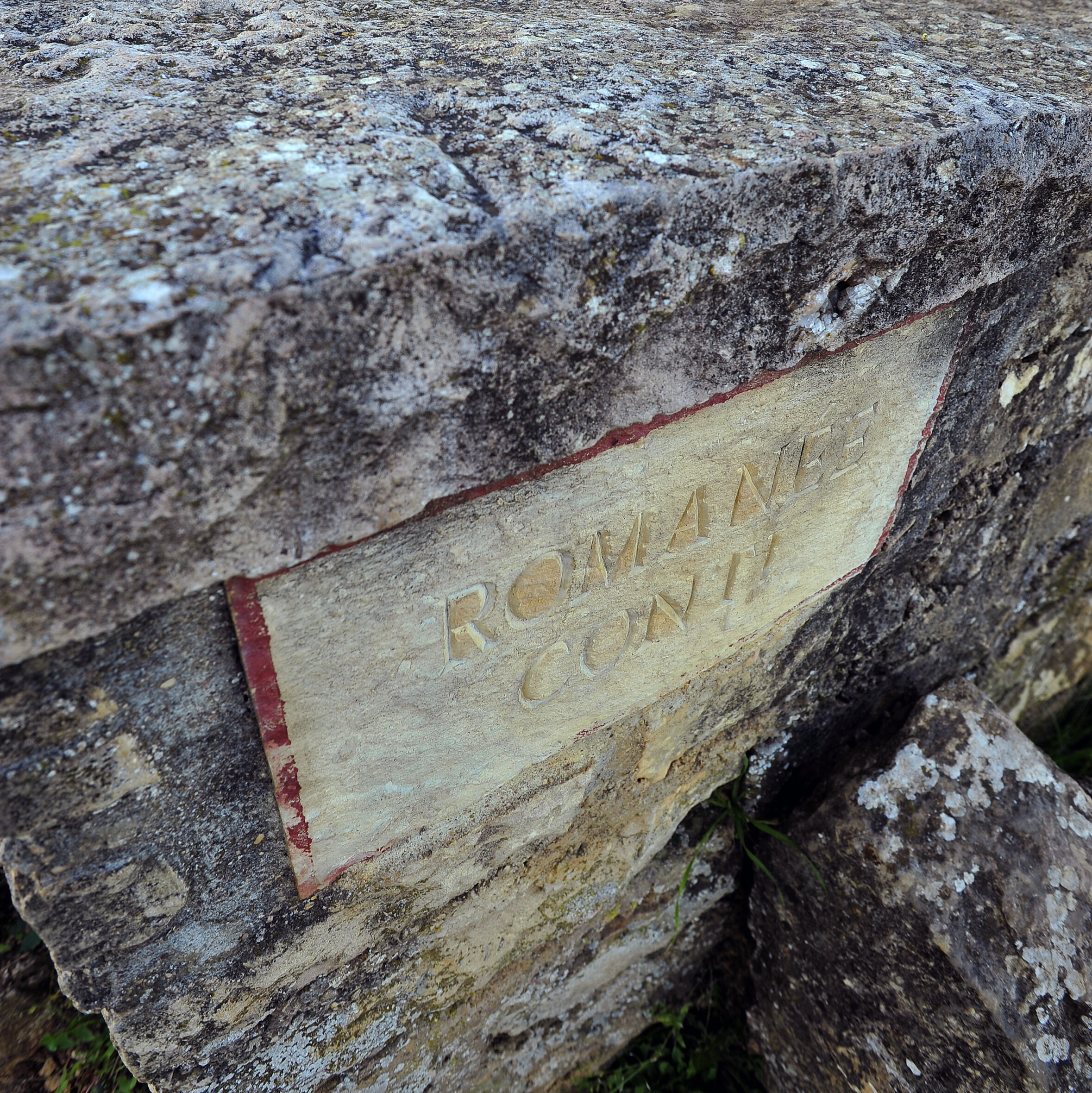
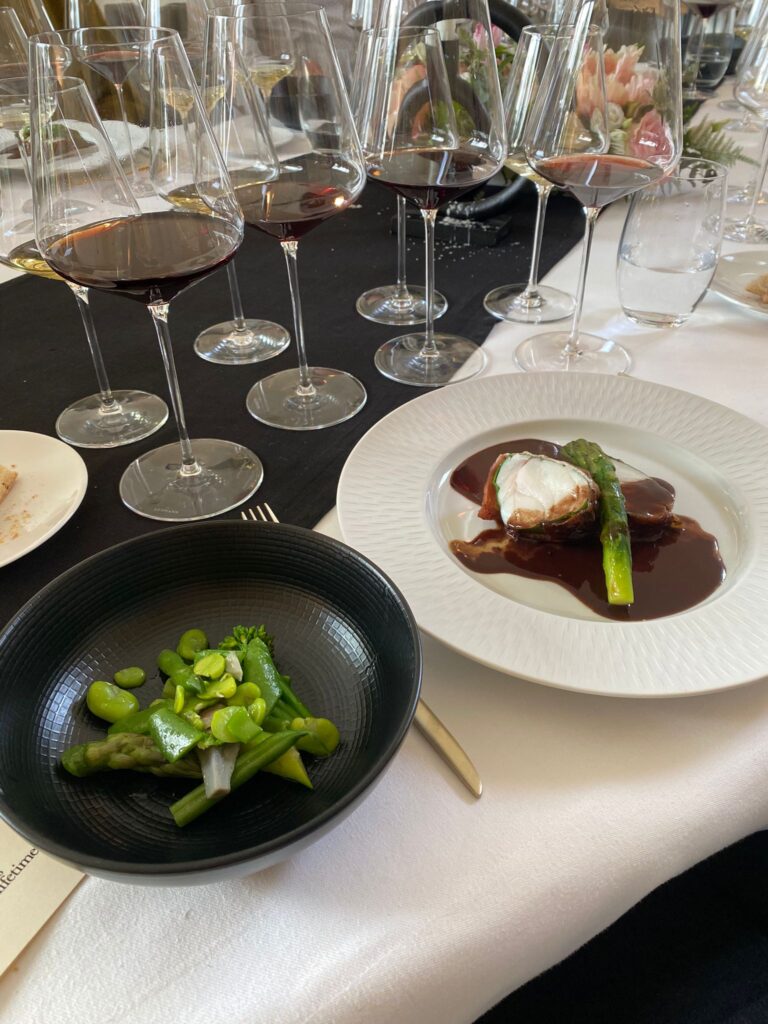
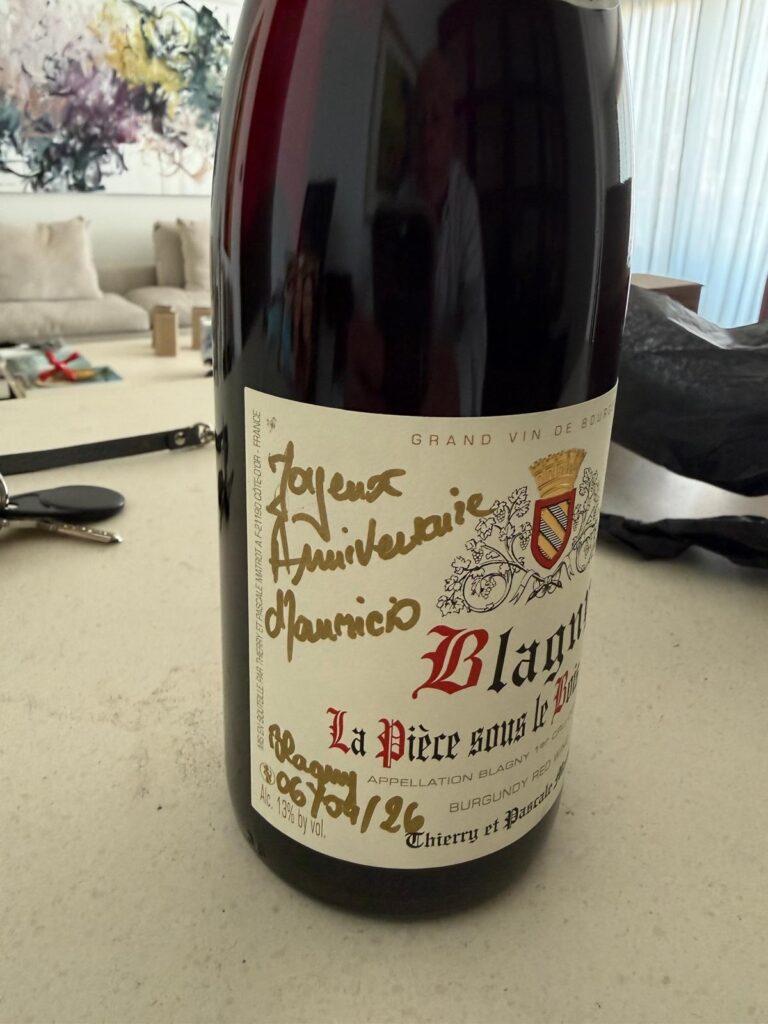
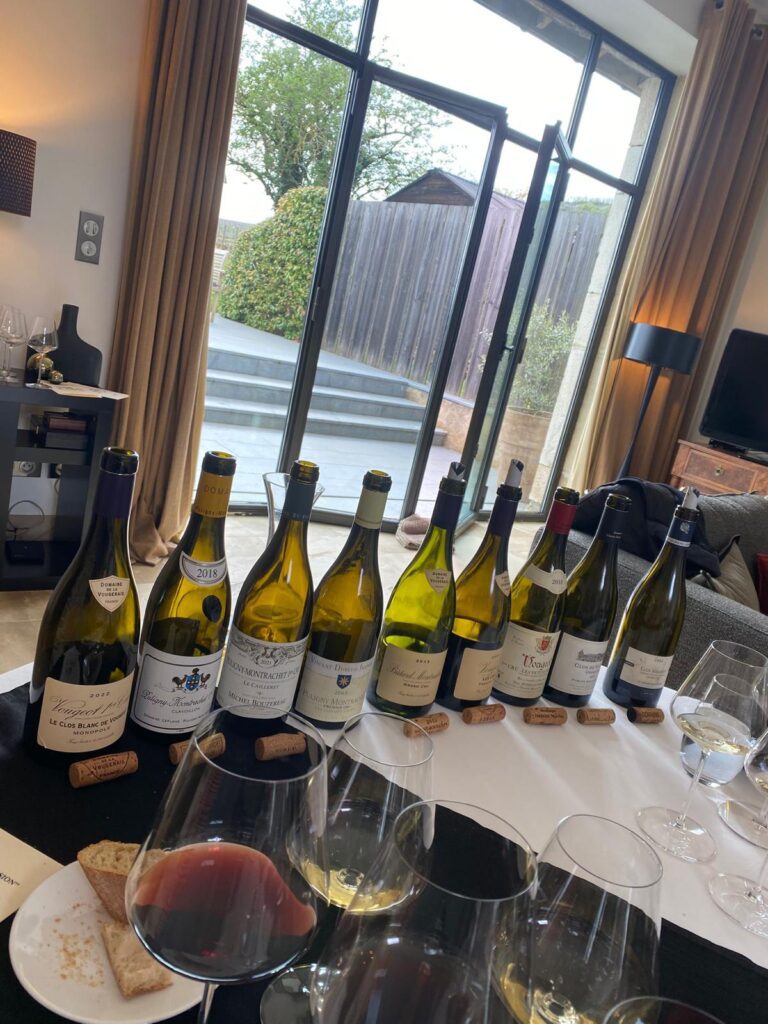
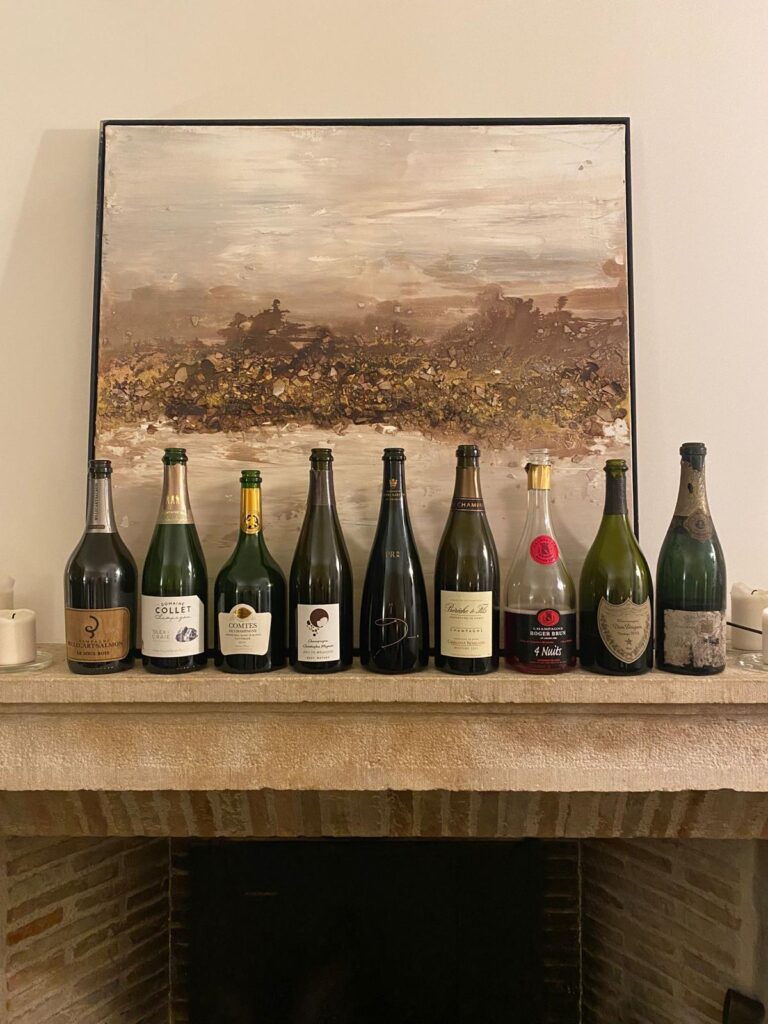
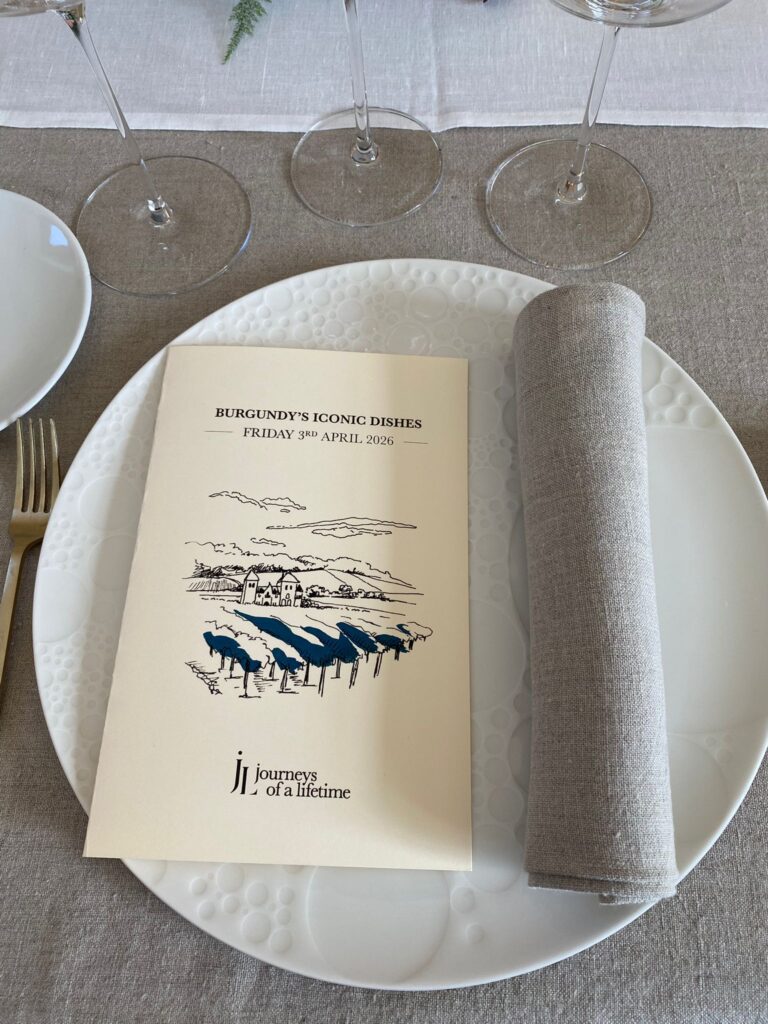
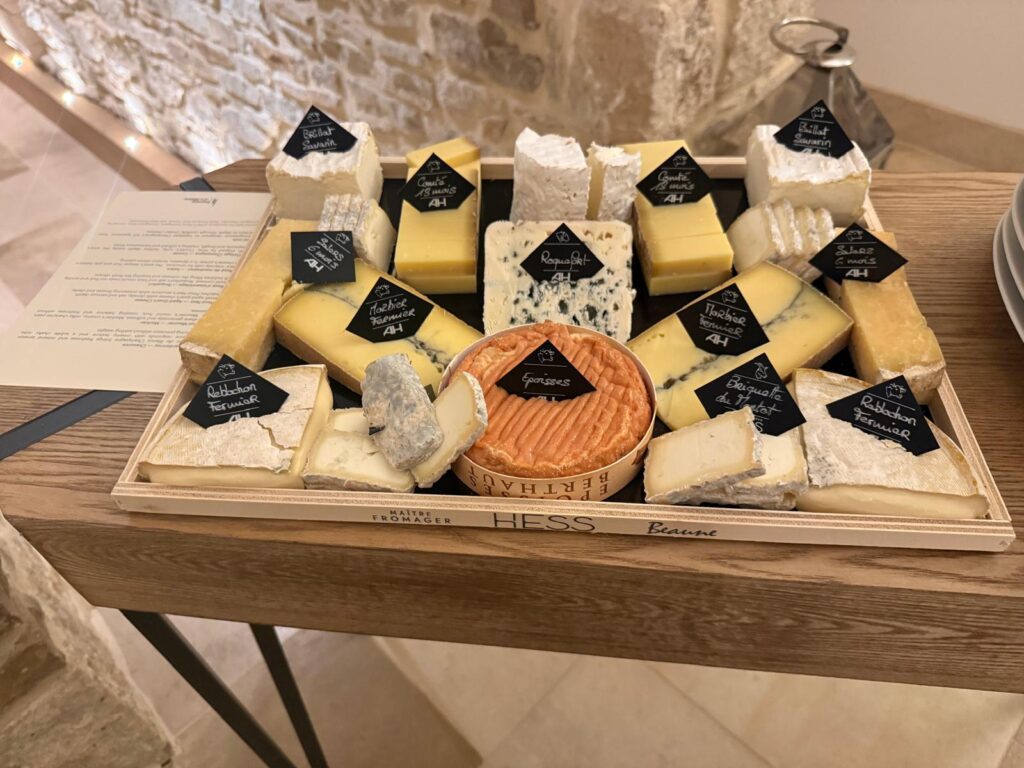
He was not a casual wine lover. He was a collector, someone with an extraordinary personal cellar, a precise palate, and the kind of curiosity that does not stop at labels. He had already come to Burgundy once, deeply: a geologist in the vineyards, turning Musigny and Vougeot from famous names into living ground, private tastings at estates that rarely open their doors, conversations about the invisible architecture of the region.
So when he decided to return for his birthday, the answer could not be repetition.
It had to be distillation.
Two couples. A few days. No heavy program, no race through appointments. The center of gravity would be the table, but not simply an excellent table. A table calibrated closely enough for a collector to feel that the meals had been written in his language. Months before the first glass was poured, a Michelin-starred chef and one of France’s most thoughtful minds in food and wine pairing were composing not menus, but moments of recognition.
One lunch explored texture as a key to the glass. A scallop prepared three ways, raw, touched by heat, softened into something else entirely, made a Meursault reveal three entirely different faces. What seemed like a detail on the plate became a revelation in the glass. The pleasure around the table was not only in tasting. It was in watching a familiar wine change its posture.
This was not a birthday designed to impress a collector with bottles. It was designed to make him hear them differently.
A 50th Birthday in Bordeaux: How a Childhood Dream Became a Shared Story
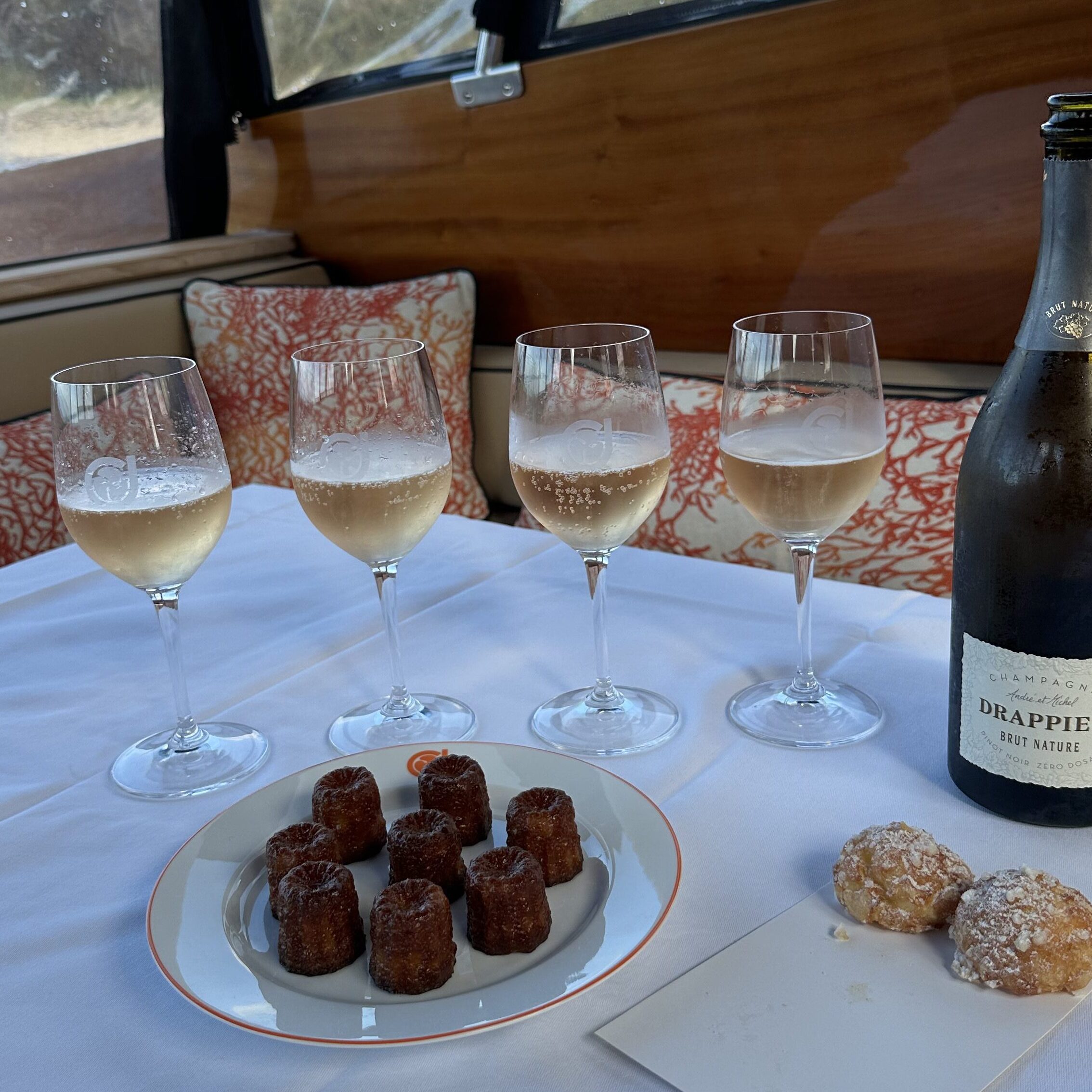
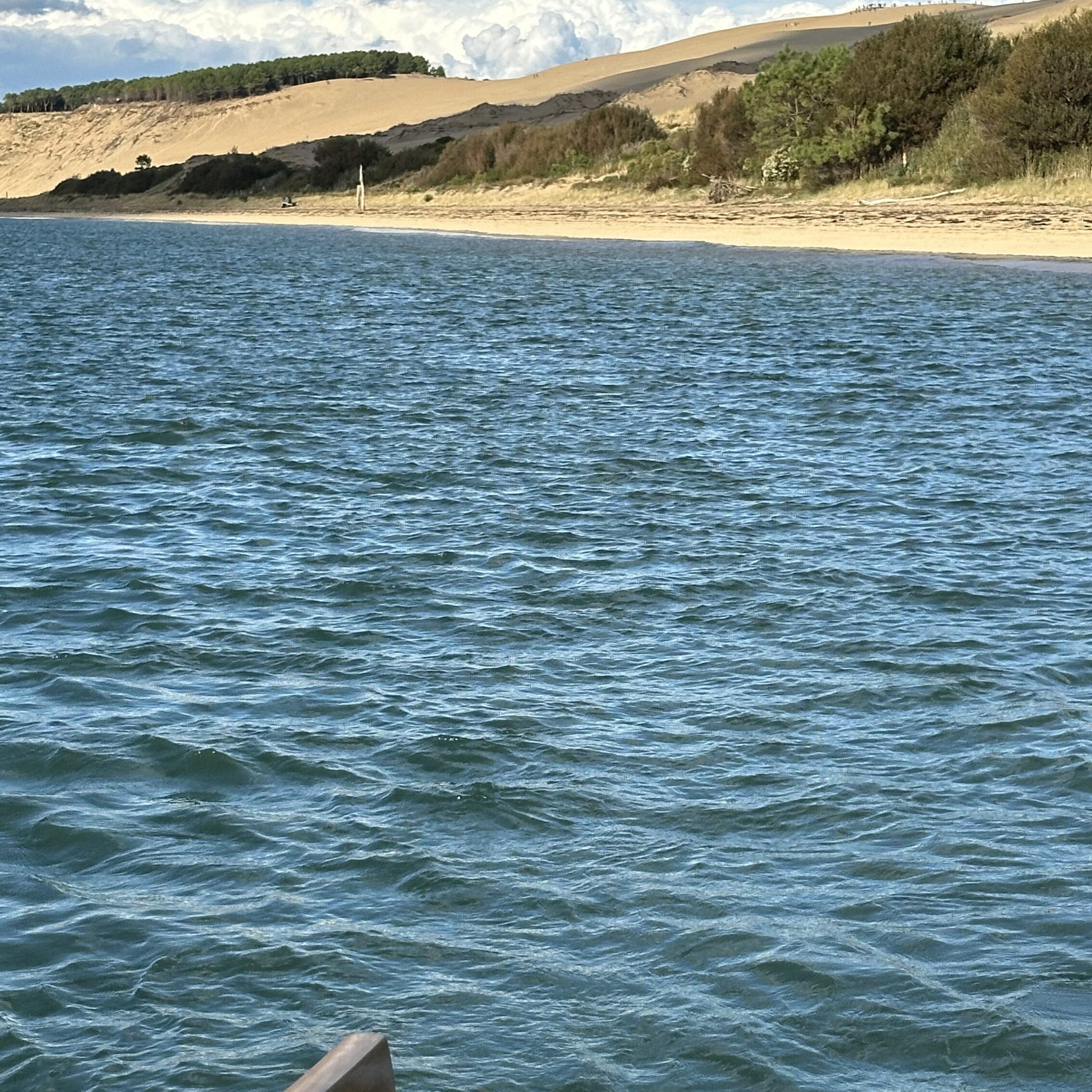
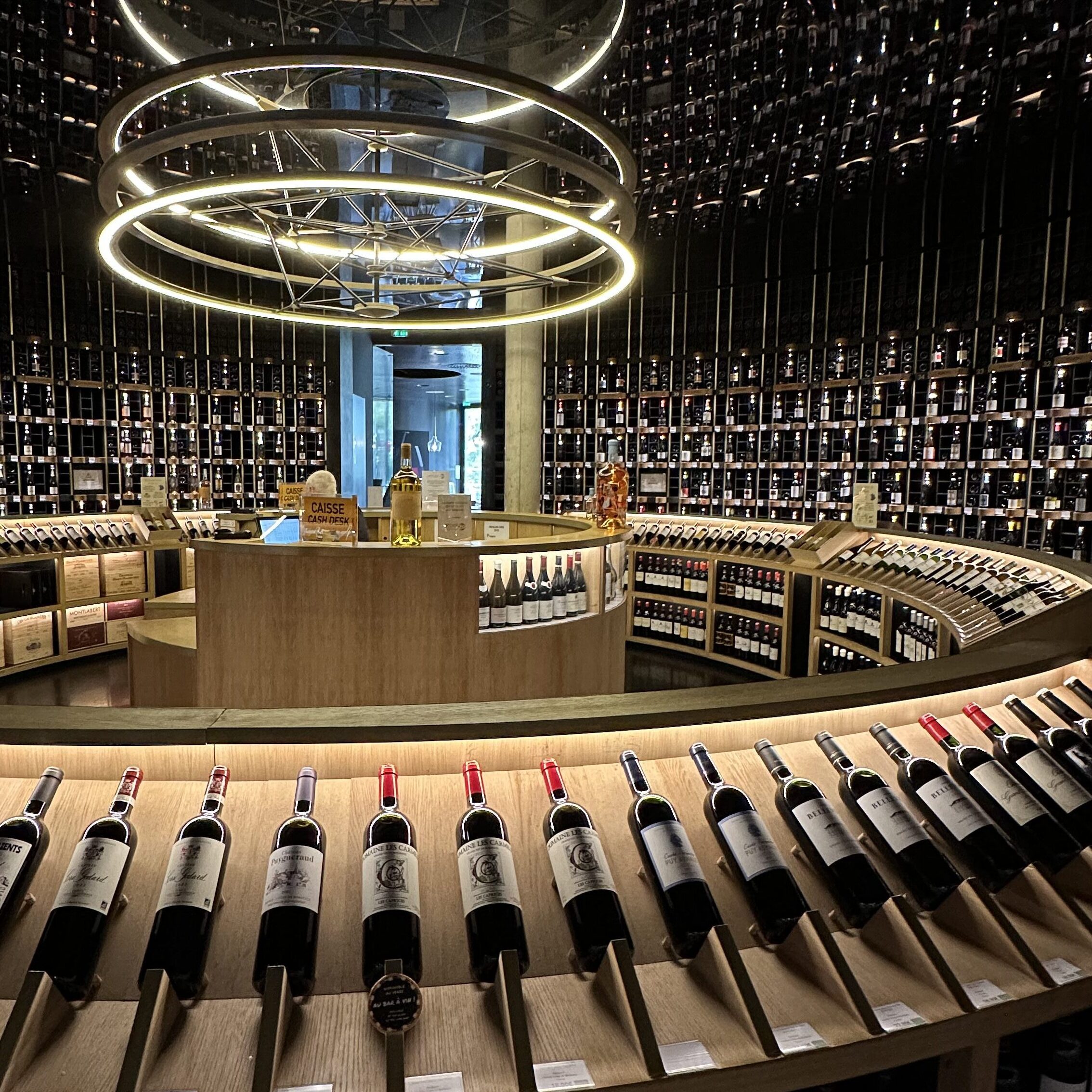
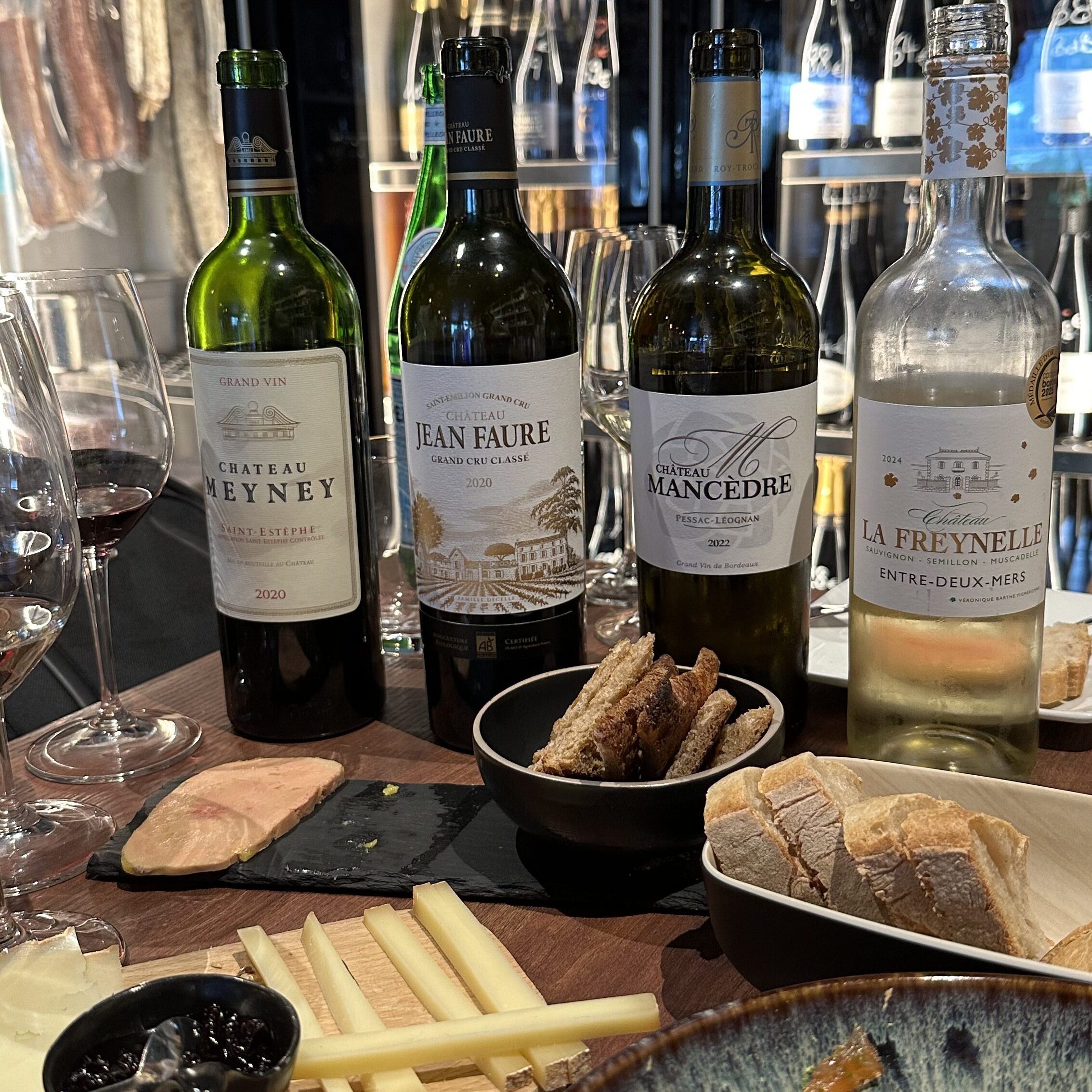
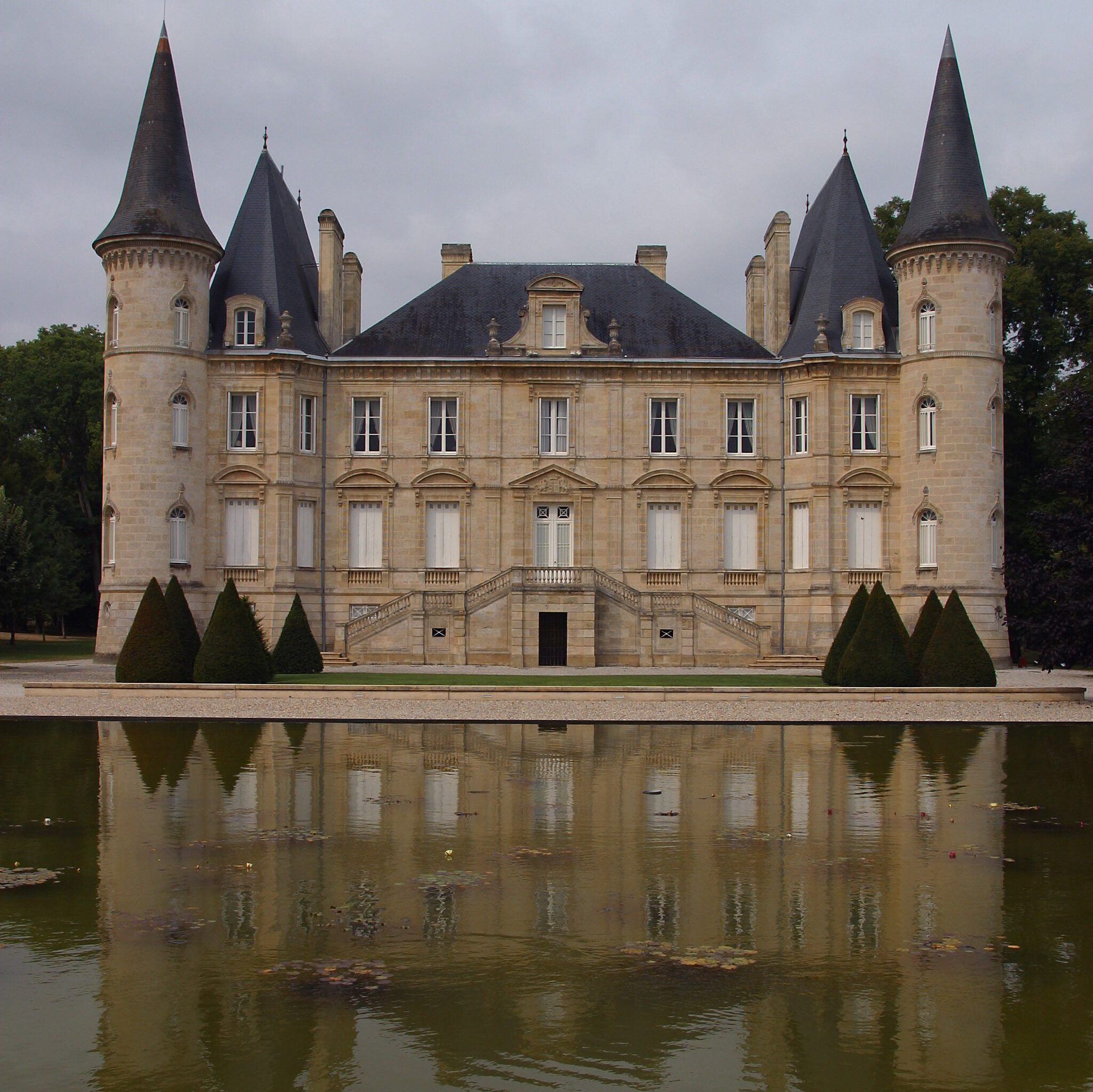
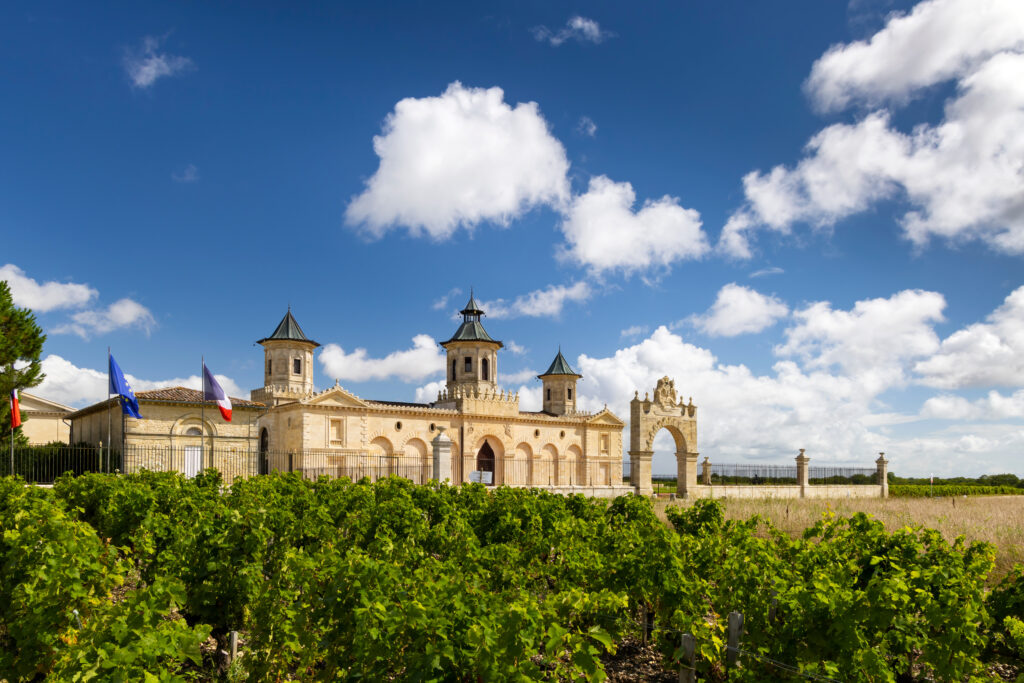
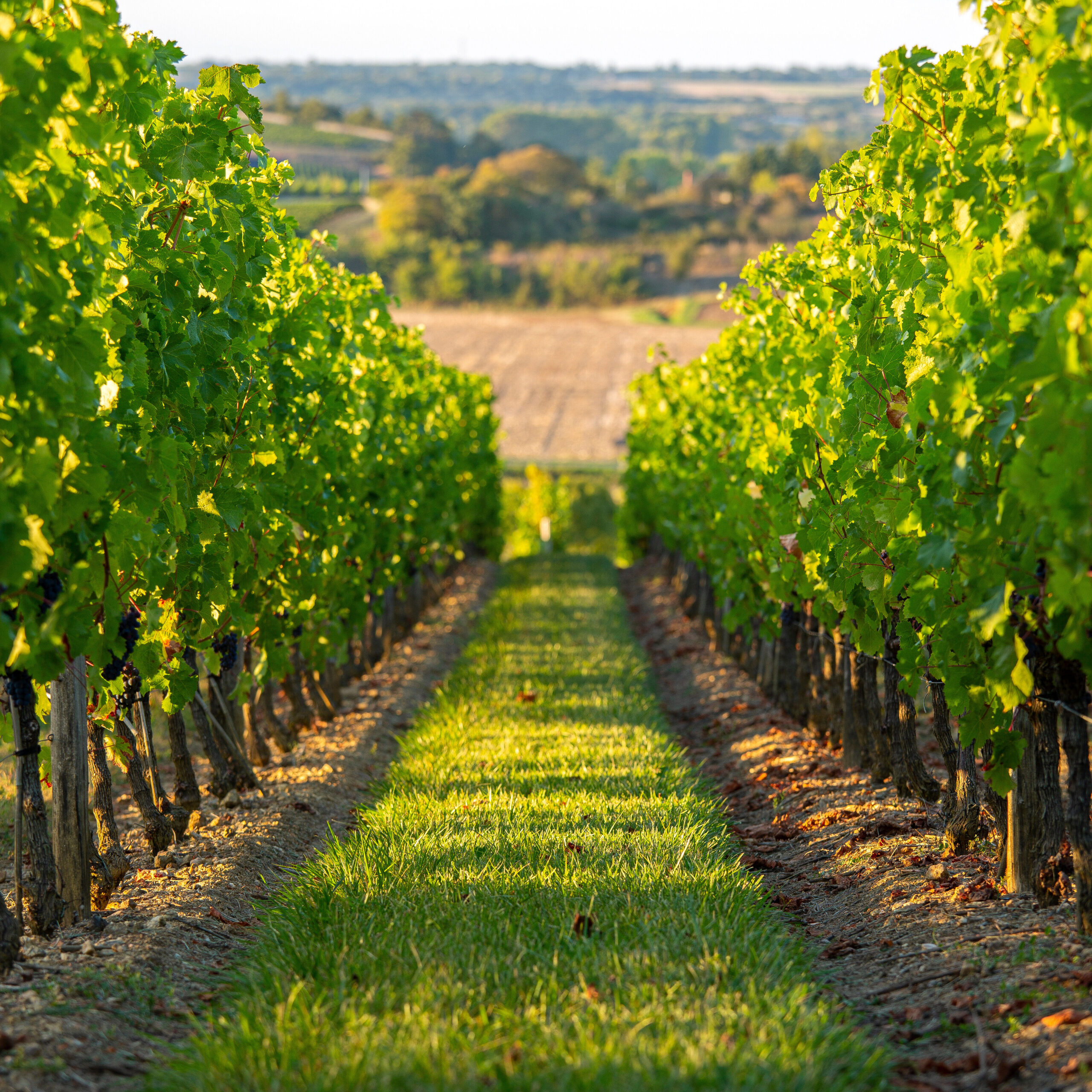
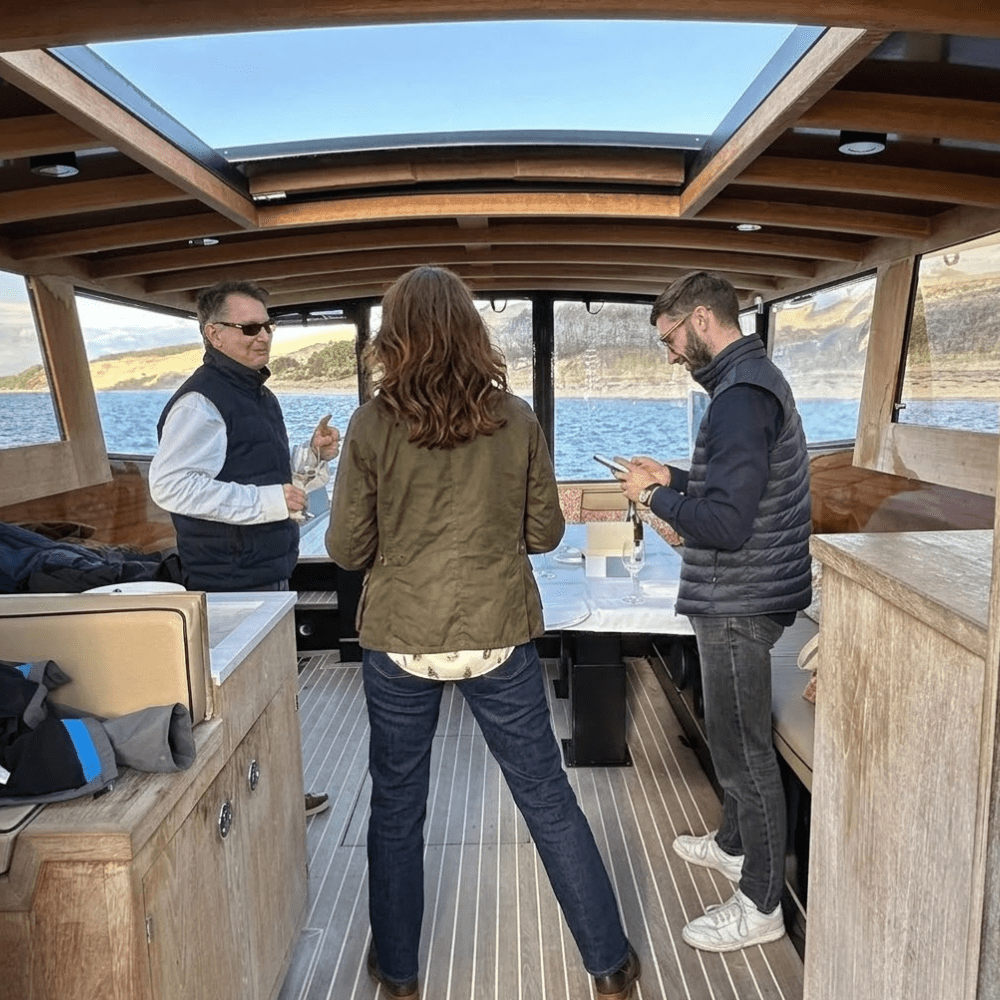
The starting point was not a venue, a château, or a wine list. It was a childhood dream.
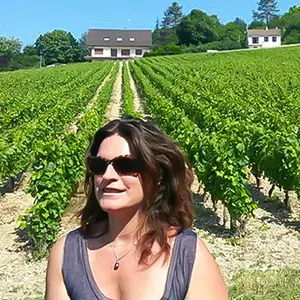
He was Brazilian, a founder and CEO, and Bordeaux had lived in his imagination for years, not as a vague destination, but as a place he had long wanted to reach properly. Through its wines, its rituals, its river, its châteaux, its names spoken almost like landmarks. He came with sixteen guests. Some of them deeply interested in wine. Others not at all. And that was the real challenge: to honor his dream without making everyone else a spectator of it.
So the week had to breathe. A blending workshop where wine became a gesture, a decision, something understood with the hands before the words arrived. A boat table on the Gironde where Bordeaux loosened its collar. Oysters and pinasses at Cap Ferret, where the region stopped speaking in oak and classification and began speaking in salt, tide, and appetite.
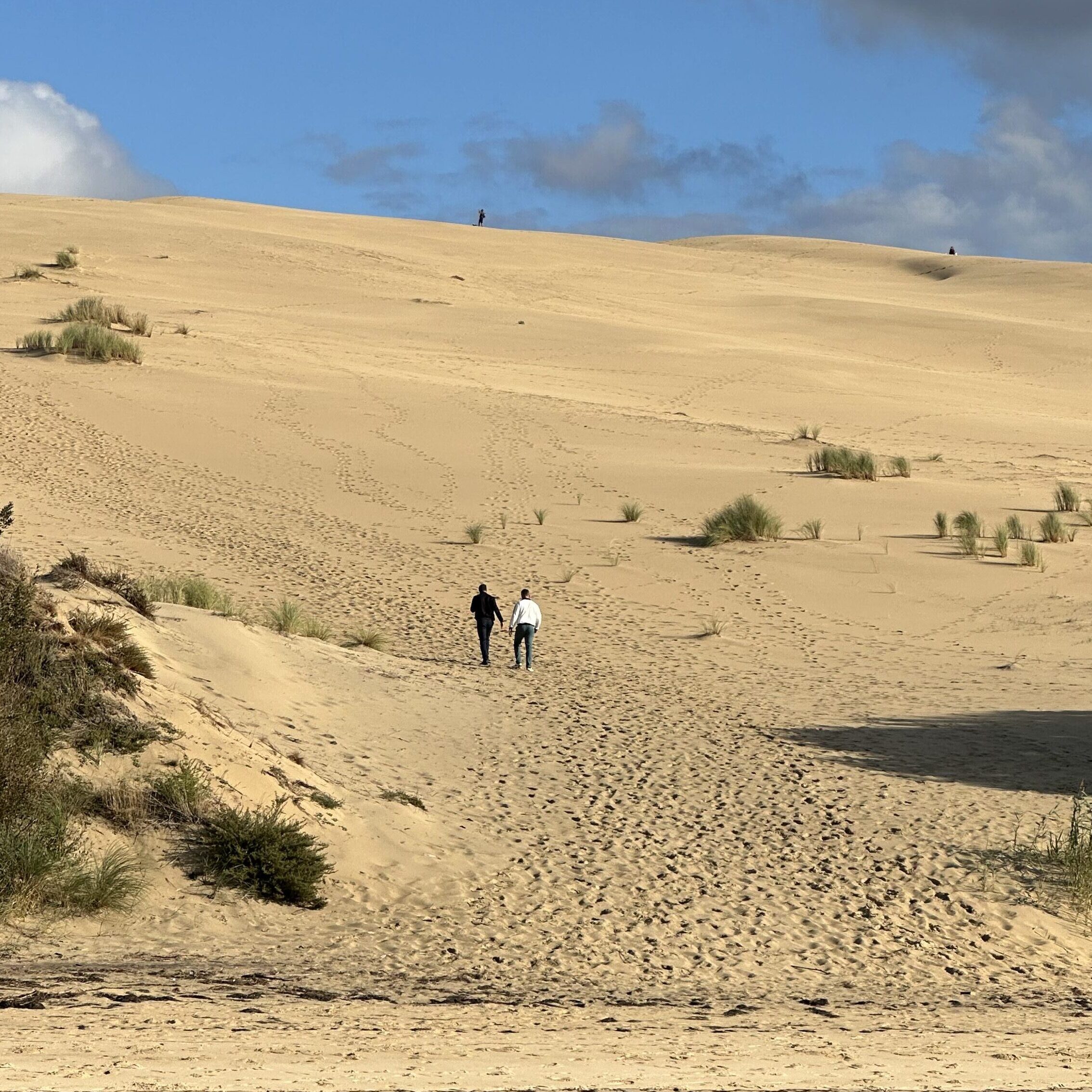
And then the Dune du Pilat.
Sixteen people at its foot. Sand entering every shoe. Some climbing faster, some laughing, some pretending the effort was nothing. With every step, the formality of the week fell away. And then the view: forest behind, ocean ahead, the Bassin below. For a few seconds, the group did not need to speak.
For a man whose dream was Bordeaux, this may have been the unexpected gift, discovering that the region was not only made of labels and cellars, but of scale, wind, and open sky.
By the end, the dream no longer belonged only to him.
The Birthday Bubble: A 50th in Champagne
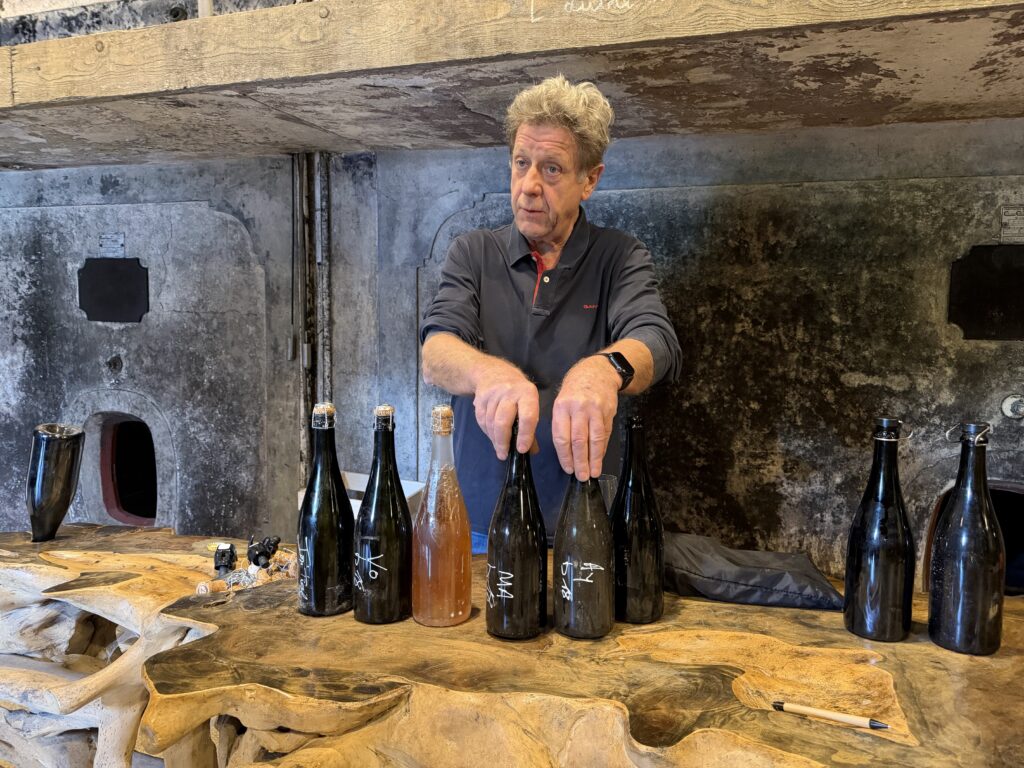
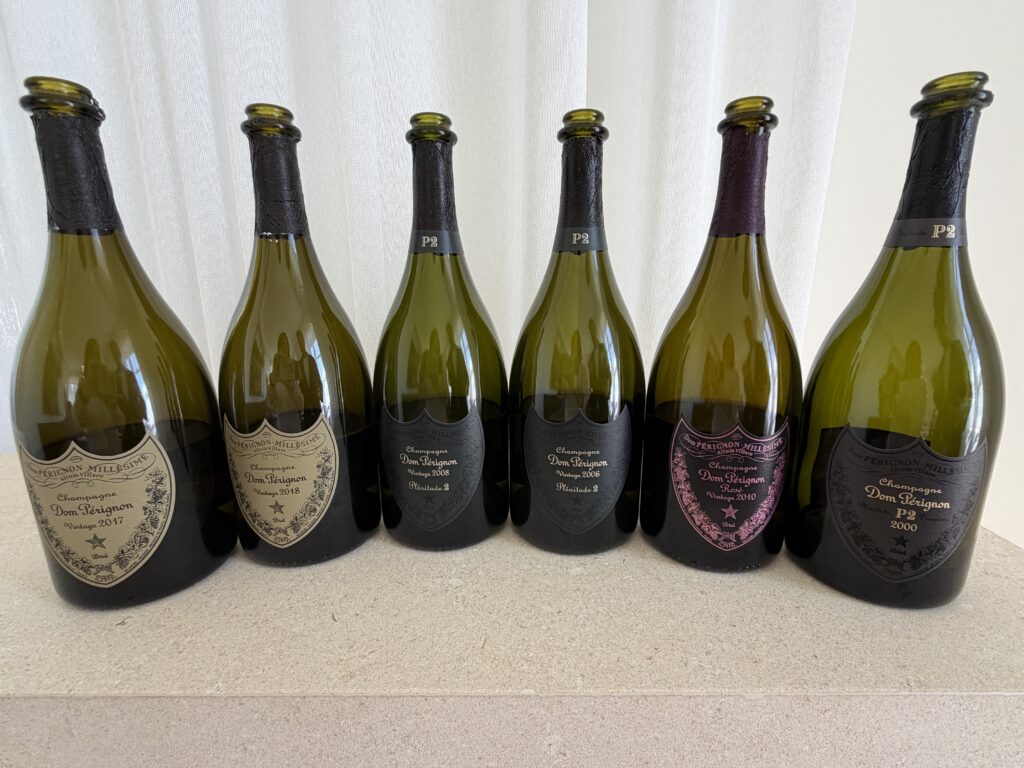
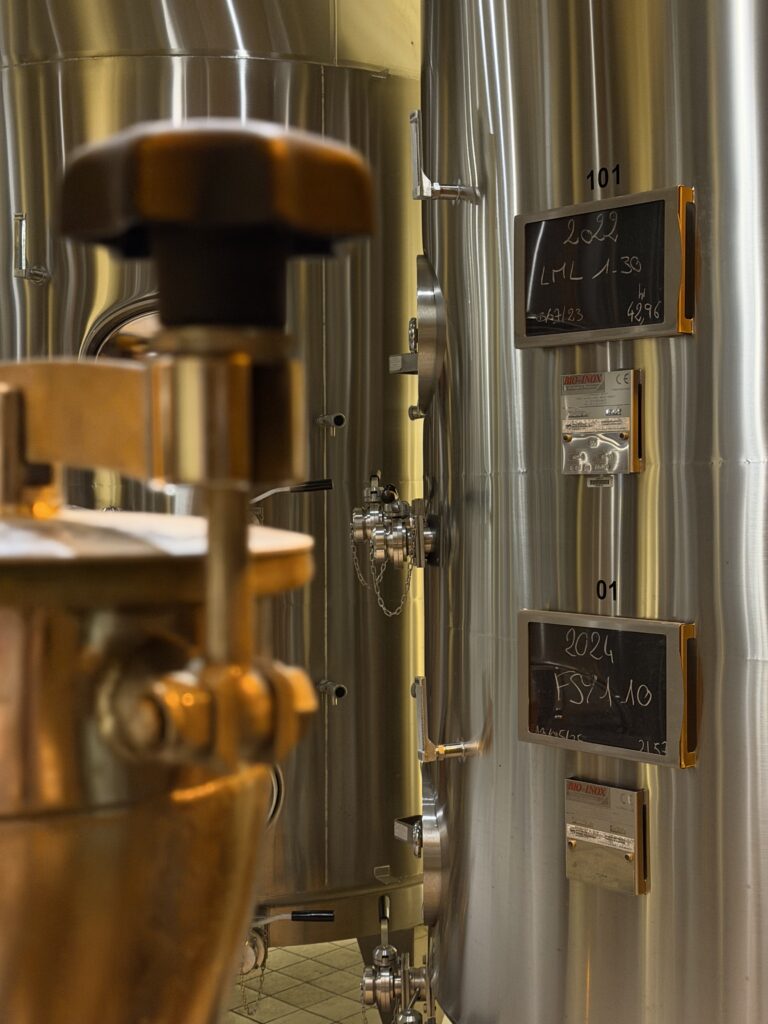
She could have chosen a grand party. A formal dinner. A villa, a palace, a destination designed to announce itself. She was Irish, elegant, well-travelled, and used to a life where comfort was not the question.
Instead, she chose her friends.
Fourteen women flew into France by private jet for a few days built around bubbles, laughter, vineyards, cellars, and that rare feeling women sometimes miss most: being together without having to be useful to anyone else. Not mothers. Not partners. Not professionals. Not the person organizing everything for everyone. Just friends again.
There is a particular magic in that kind of celebration. It does not need spectacle. It needs permission.
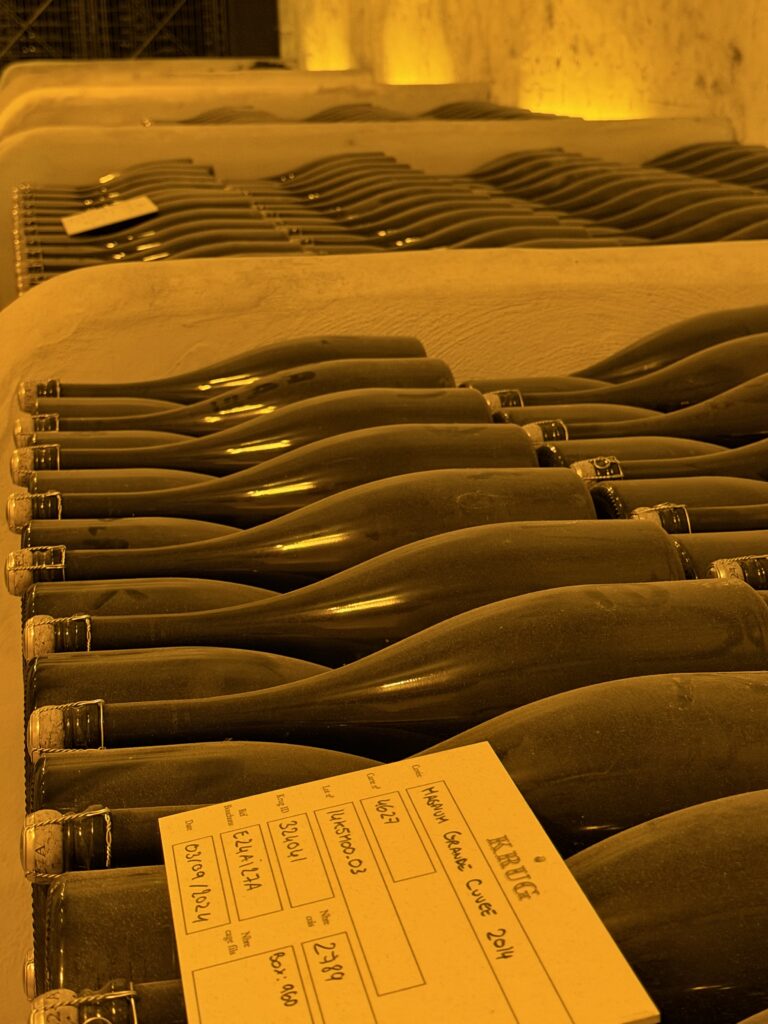
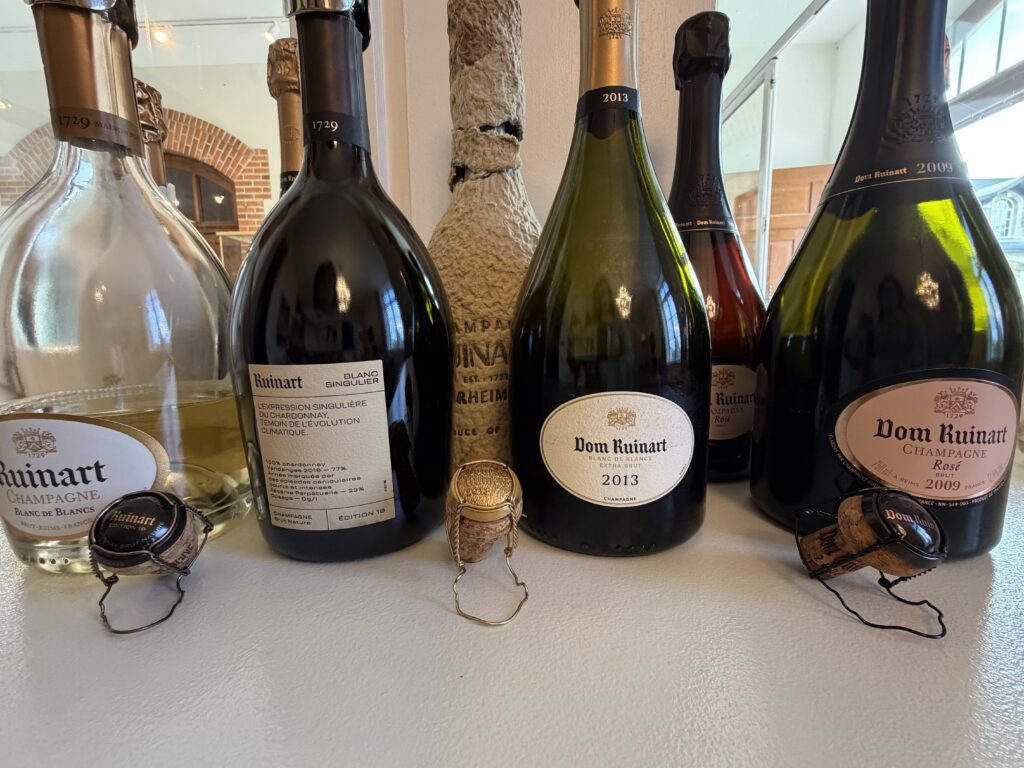
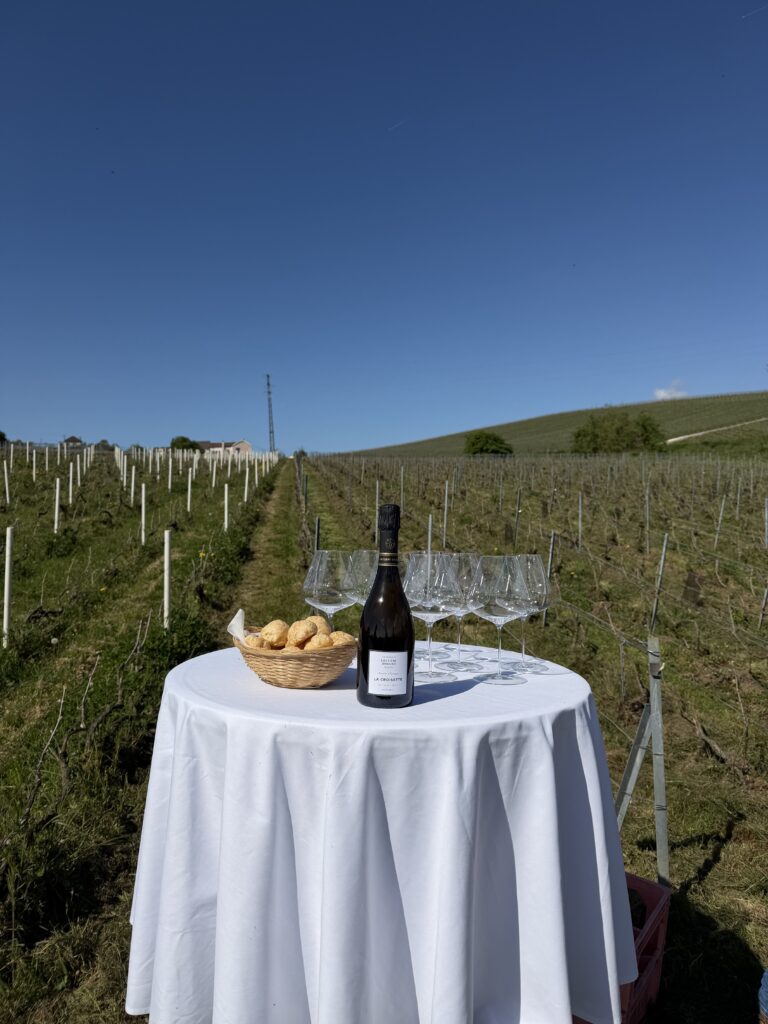
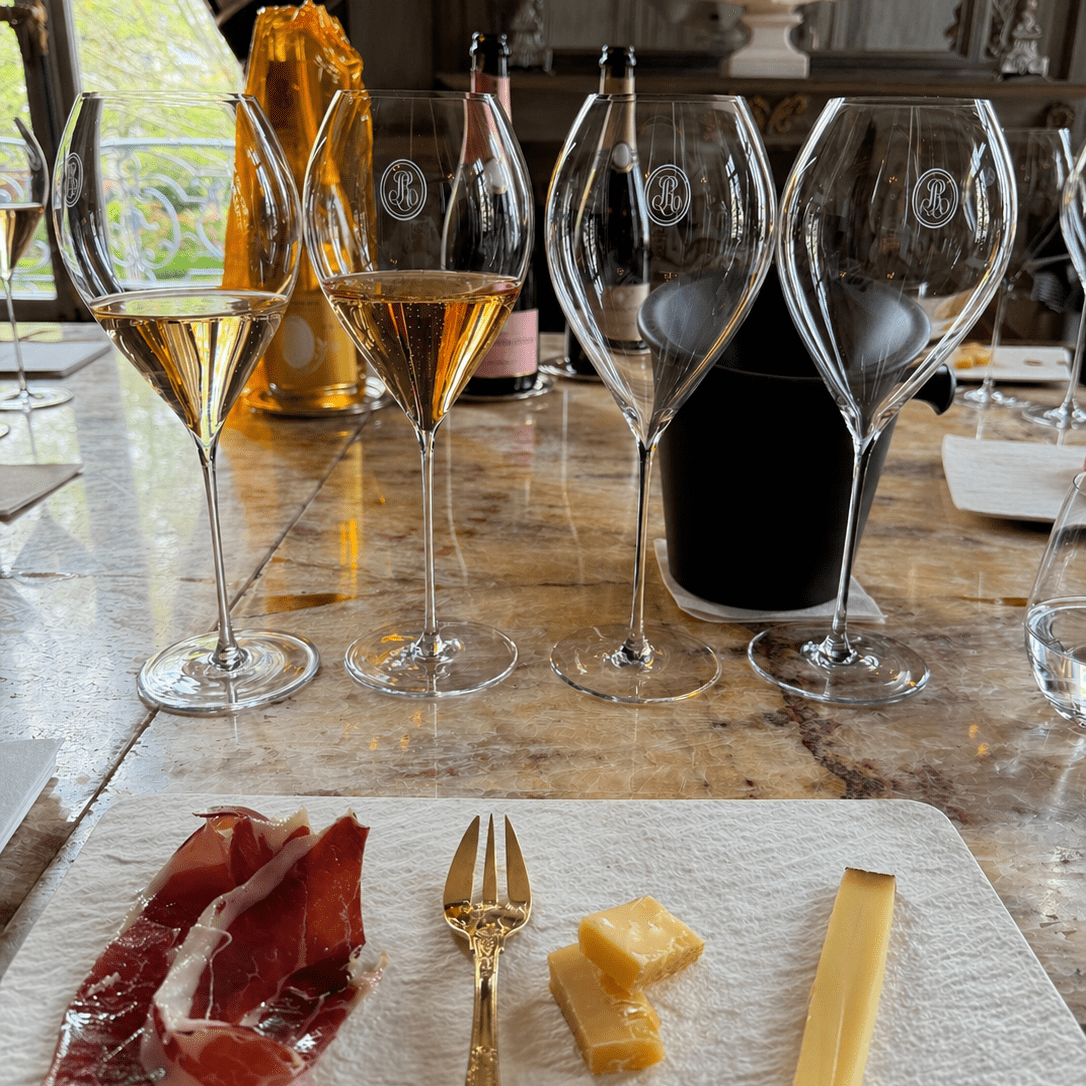
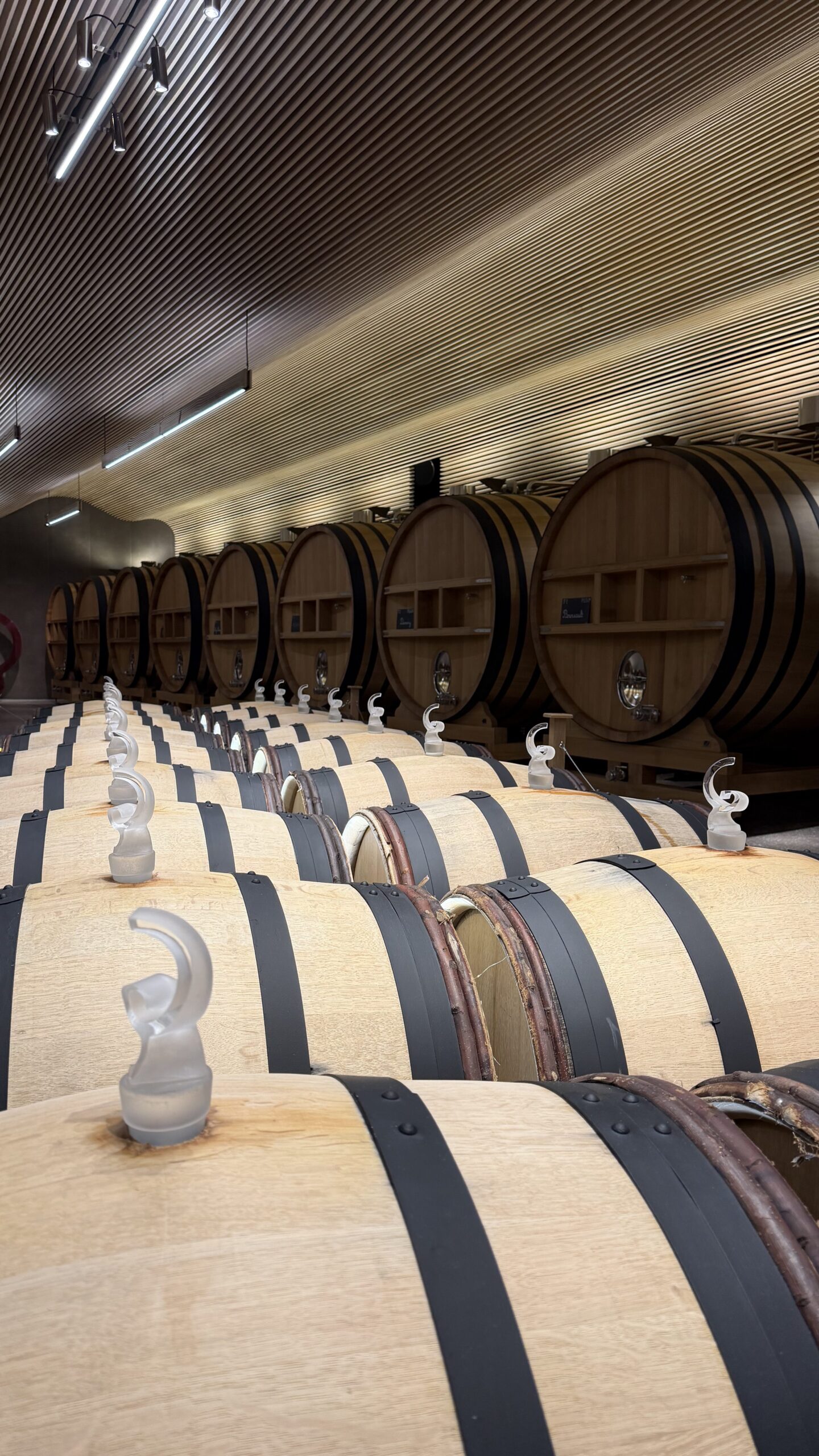
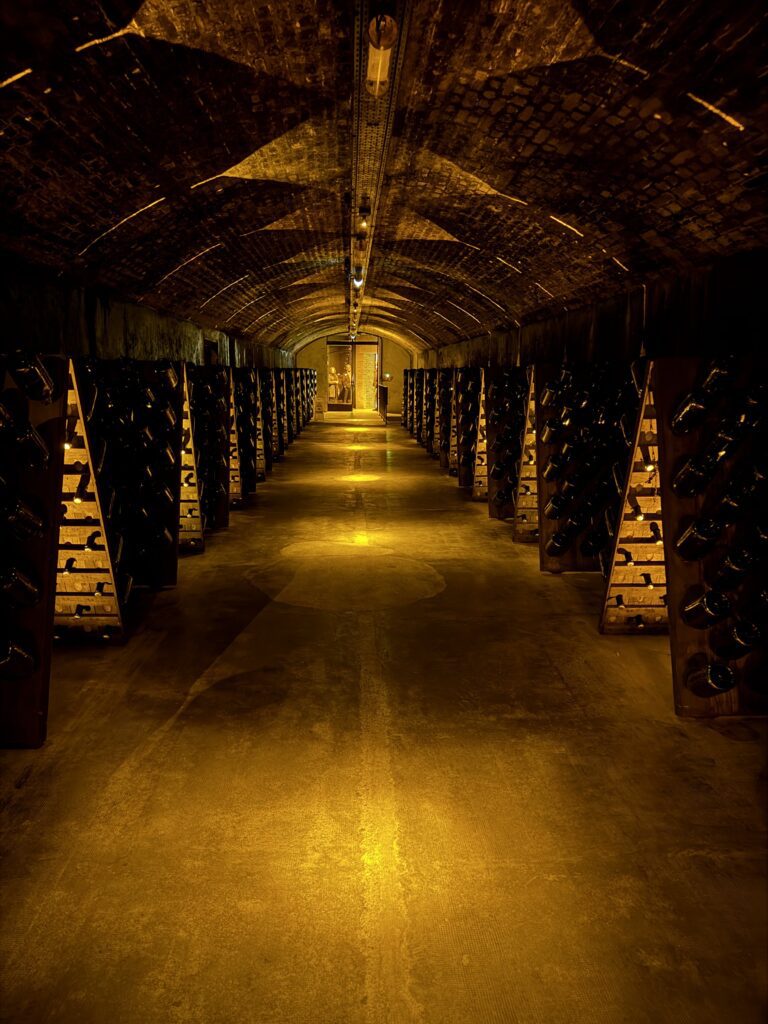
Champagne was exactly right for this, serious and frivolous at the same time, its centuries of discipline turning to air the moment the cork releases. A lunch above the trees in the Verzy forest, reached by suspended walkways, Champagne poured high above the ground. The strange twisted beeches of the Faux de Verzy, less sparkle, more mystery. A day that moved through Hautvillers, Selosse, Épernay and the historic Dom Pérignon cellars until the prestige became almost giddy. And then the moment around a local Champagne woman’s own table, when the bottles stopped being objects of admiration and became conversation, memory, warmth.
The real celebration had already happened in smaller ways, in the laughter between visits, the shared glasses, the stories repeated with better timing each day.
The real gift was lightness.
Five Generations at One Table in the Loire Valley
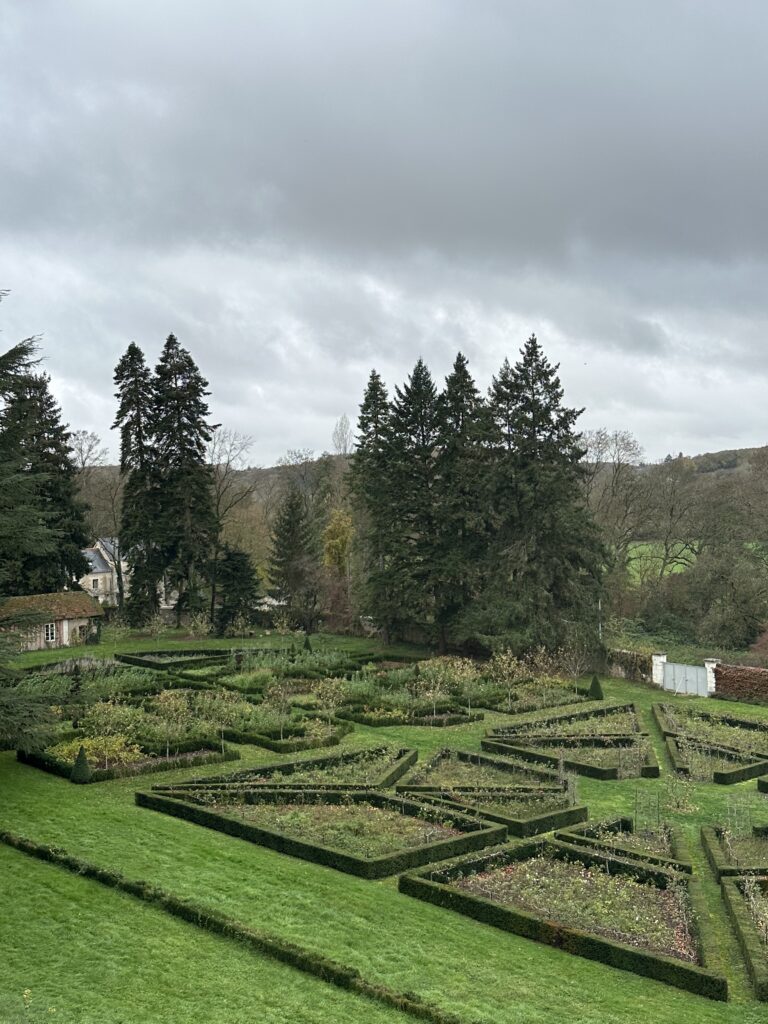
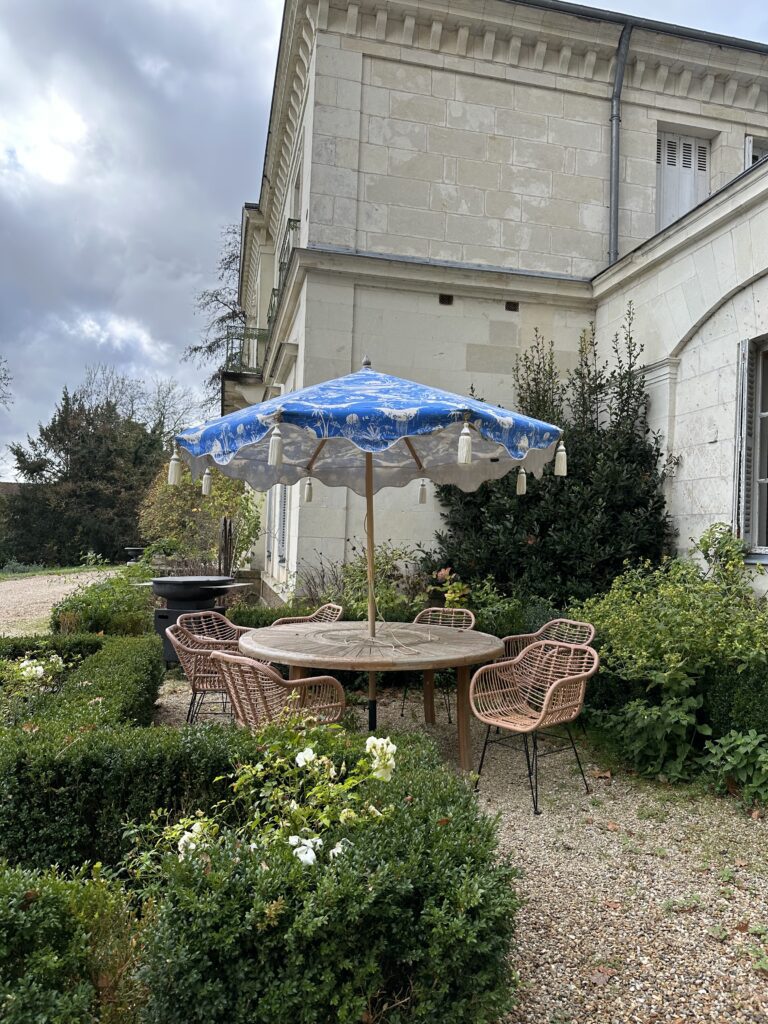
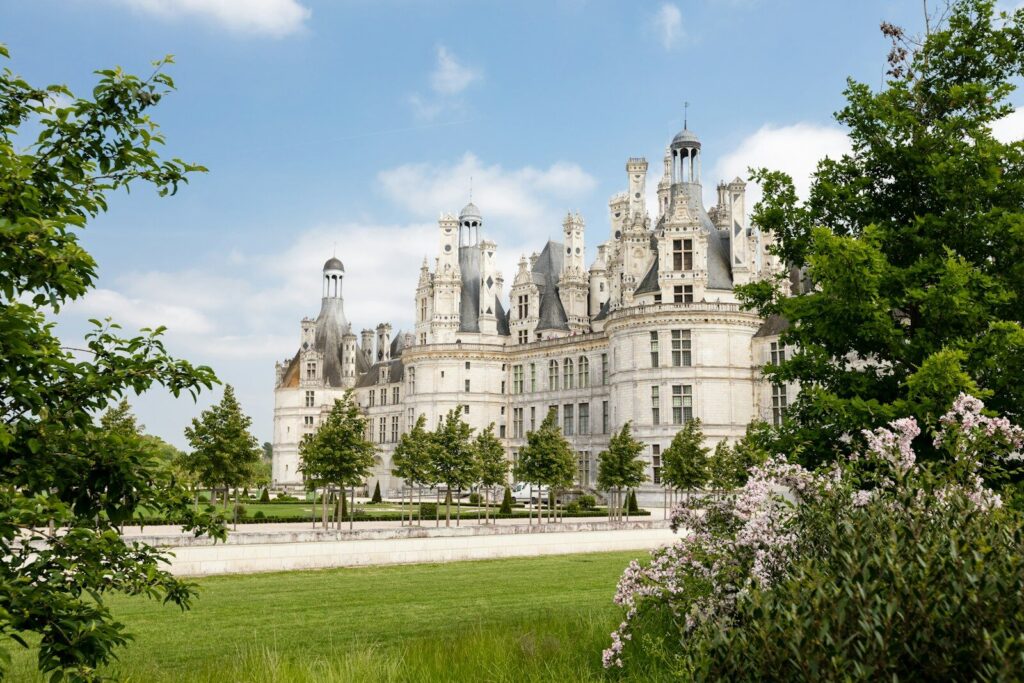
Three siblings with their spouses. Their parents. The younger generation. Children. Grandchildren. And the family elder, ninety-one years old, travelling with her companion.
That alone made the celebration rare. It also made it delicate.
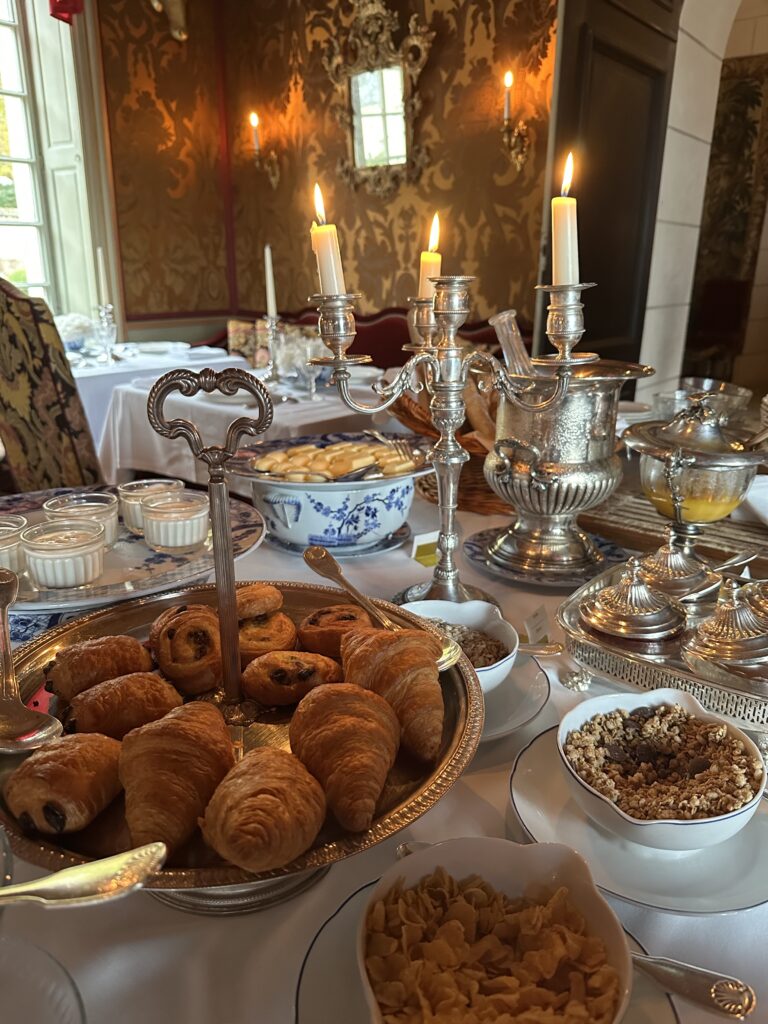
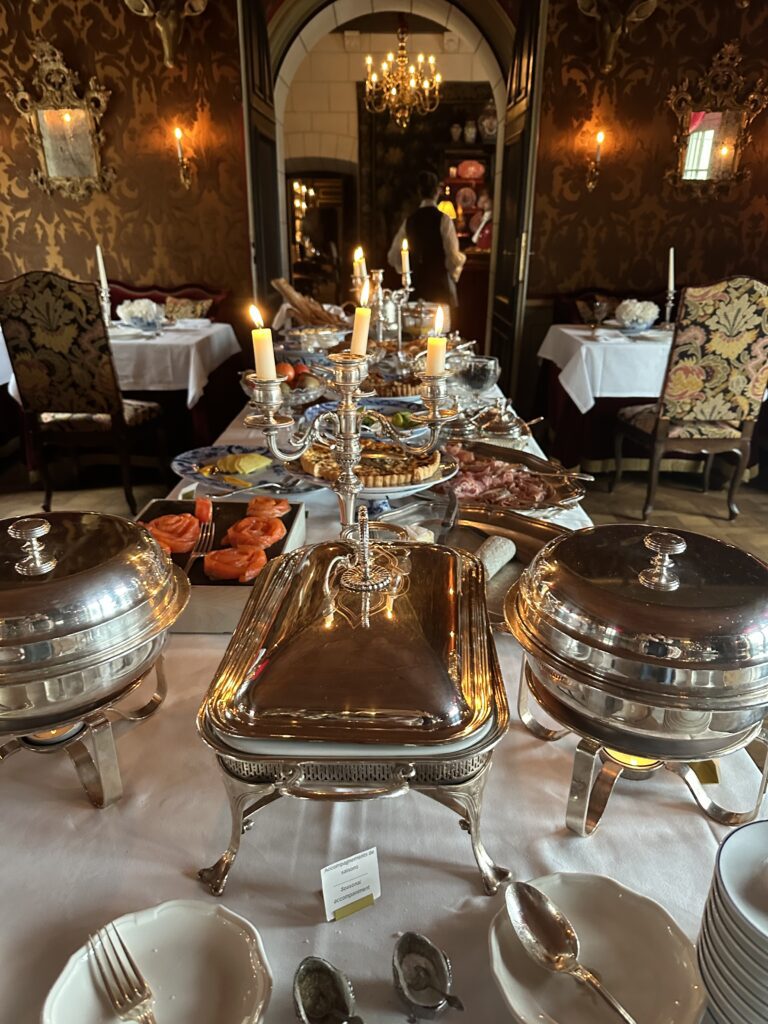
A program like this could not be too ambitious. It could not ask the oldest guest to keep pace, the children to perform patience all day, or the adults to spend the whole stay managing everyone else. So the rhythm had to be simple: one château by the river, no change of base, soft mornings, long afternoons, and a Michelin-starred chef giving the house its own quiet culinary life. Not performing, simply cooking. The feeling that the family had not rented a place so much as inhabited it.
The Loire was right for this because it carries its grandeur lightly. Its history is everywhere, but it does not press itself on a family every hour. A morning on the river when the light was still pale and the children were quieter than usual, wrapped in blankets, listening to the water. A dusk boat with a local winegrower, the landscape changing color, birds in the reeds.
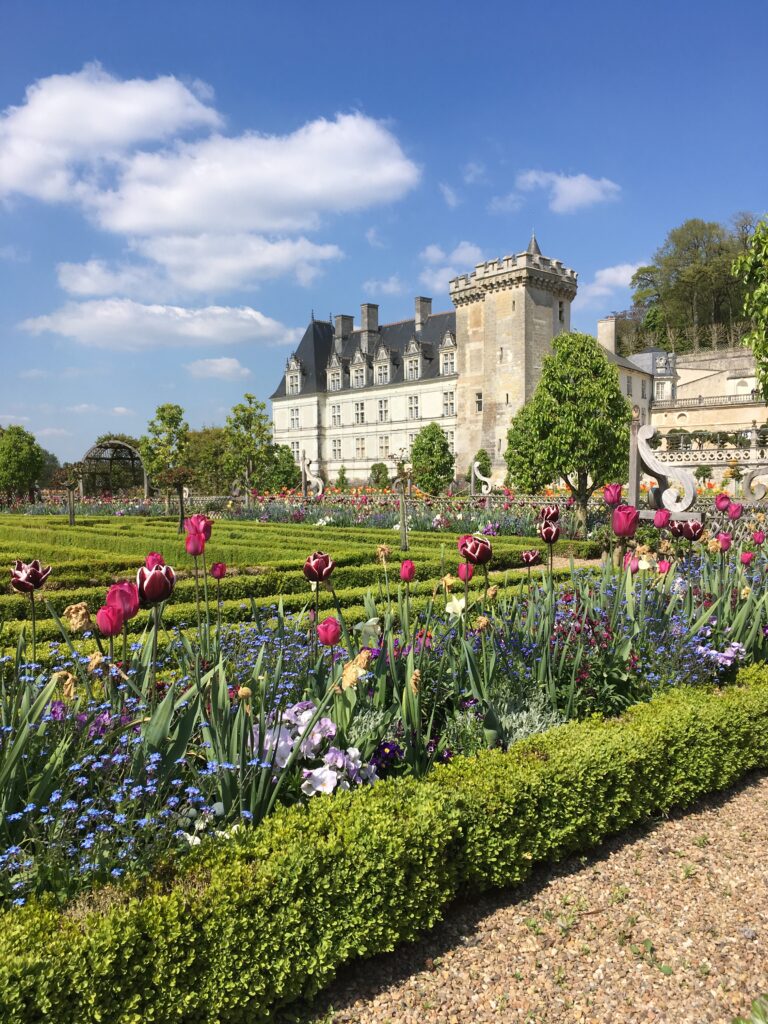
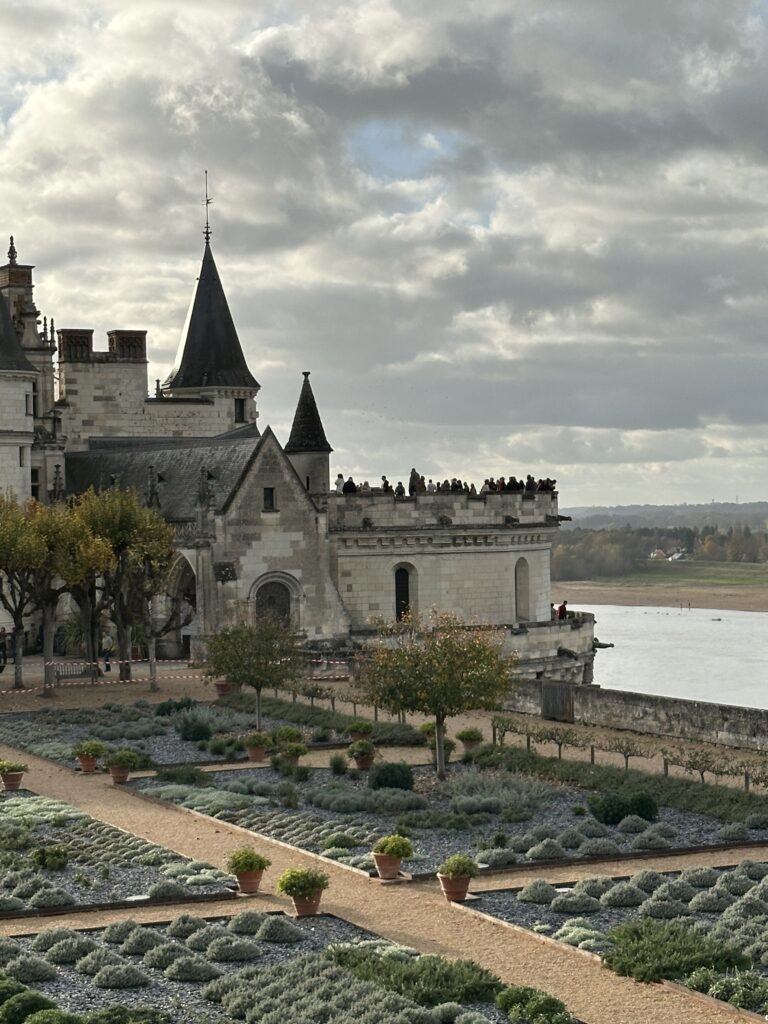
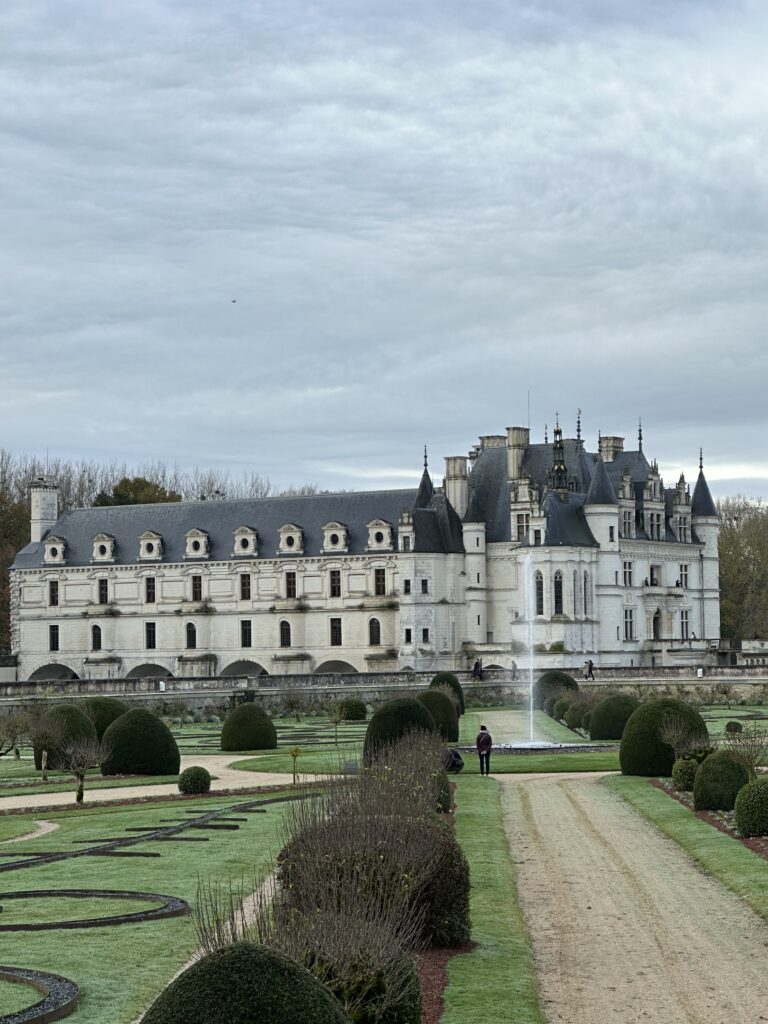
And then, one evening, Chenonceau.
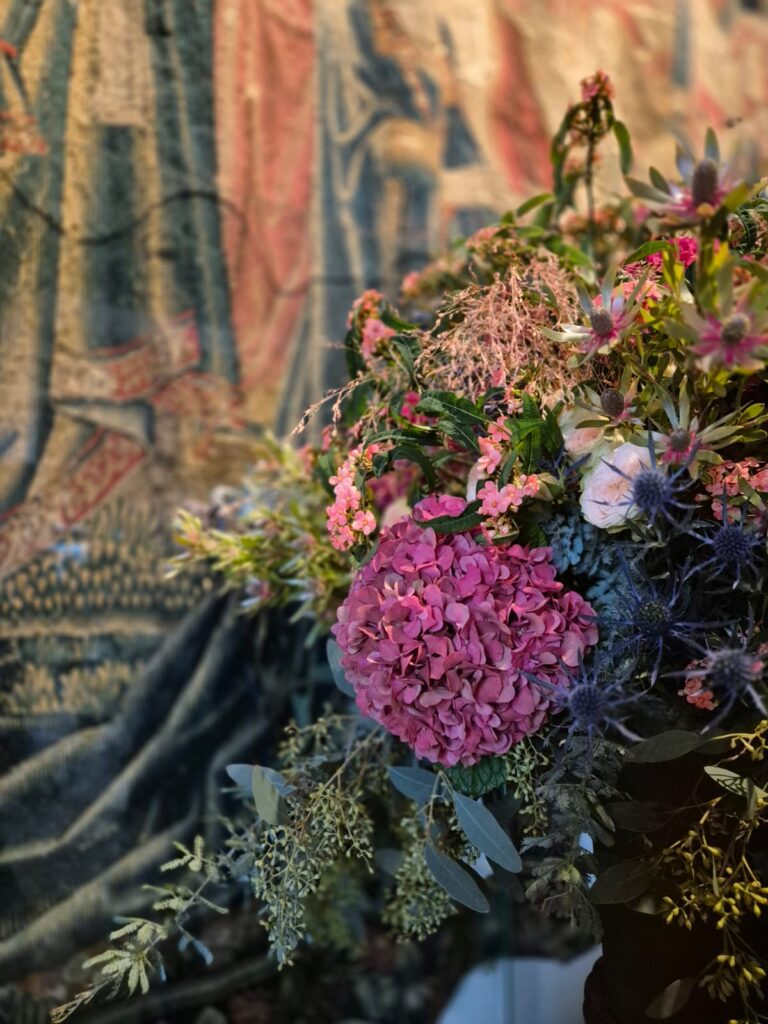
Not rushed. Not ticked off a list. Arrived at through flowers, the master florist explaining how a bouquet answers a room, how colors speak to fabrics, how beauty is made. The children saw flowers. The adults saw composition. The grandparents saw care. And then the family moved through the château differently, noticing rather than absorbing, until the gallery over the river and the long table that followed felt like the natural end of the day.
The children remembered freedom. The adults remembered breathing. The celebration succeeded because it knew, from the beginning, what to leave out.
A Dordogne Anniversary. Deep Time, Old Friends, One Table.
The starting point was not the couple. It was the people who had been there at the beginning.
Judith and her husband wanted to gather the sixteen friends who had stood with them twenty years earlier, when the marriage was still a promise rather than a life already lived. That changed everything. This was not an anniversary trip. It was a return to the witnesses. Twenty years. Children born. Parents aged. Friendships stretched across countries, careers, losses, celebrations, and ordinary Tuesdays. The people who were once gathered around a wedding table had each become slightly different versions of themselves. And yet, here they were again.
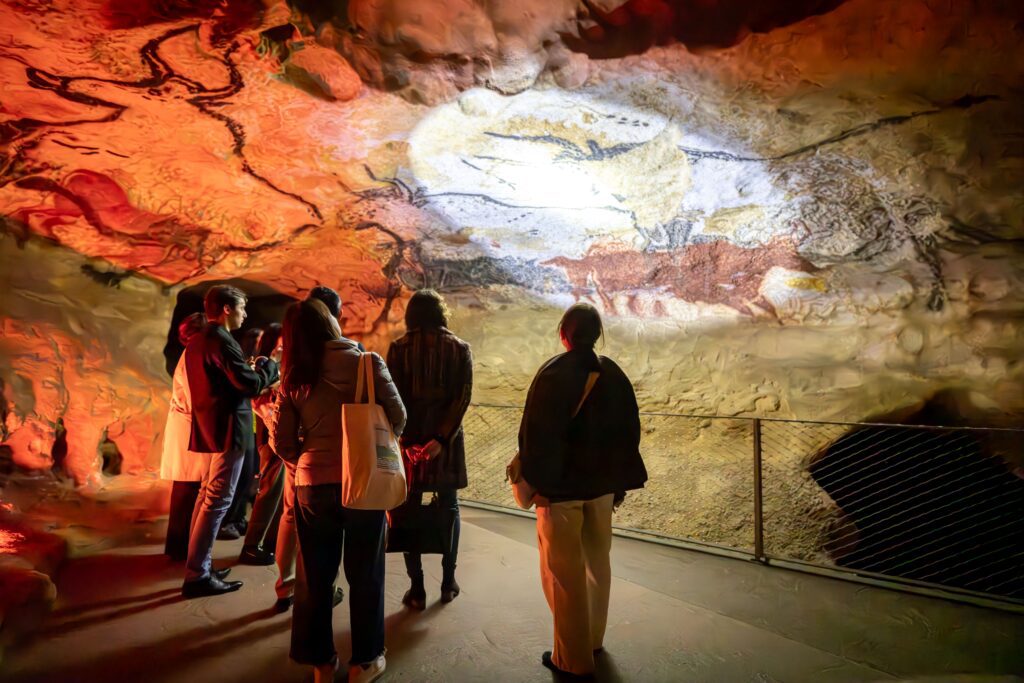
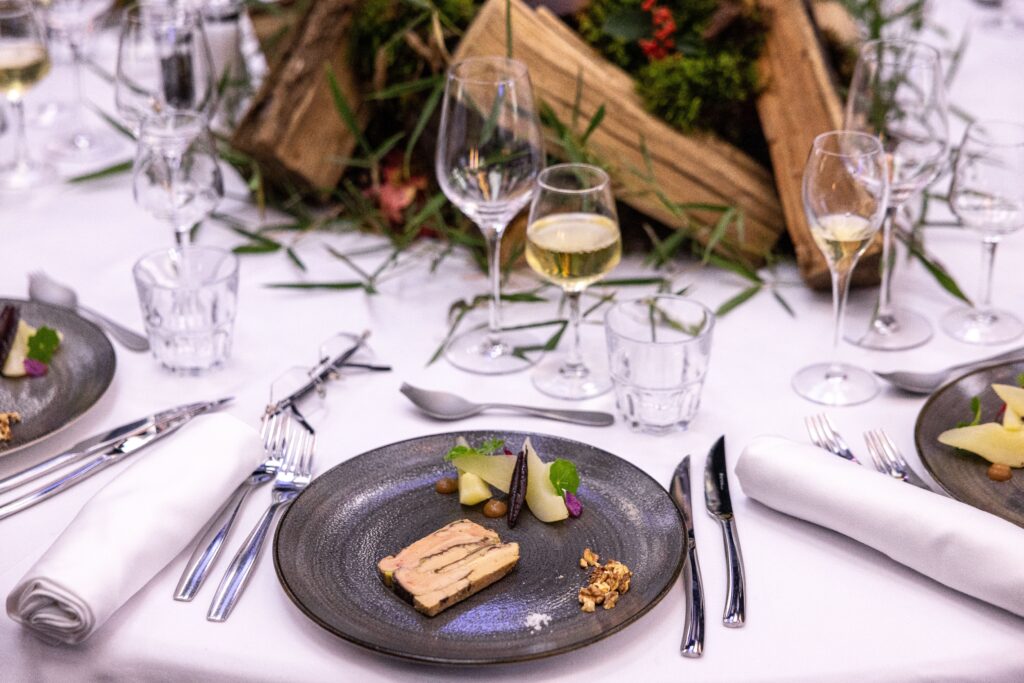
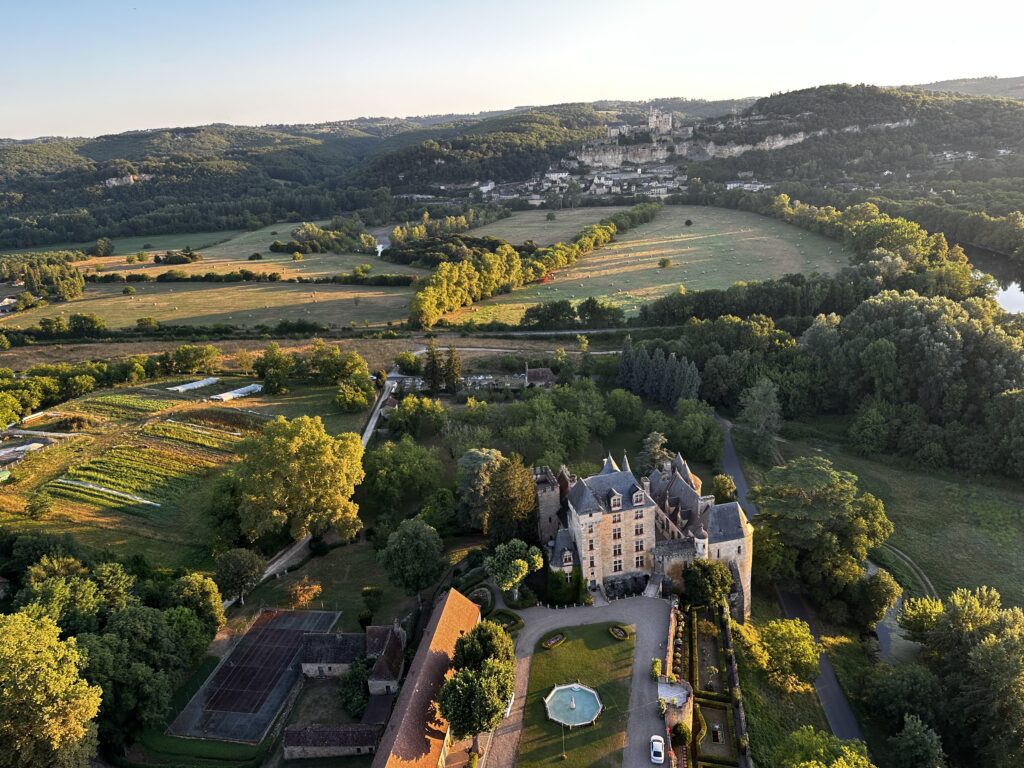
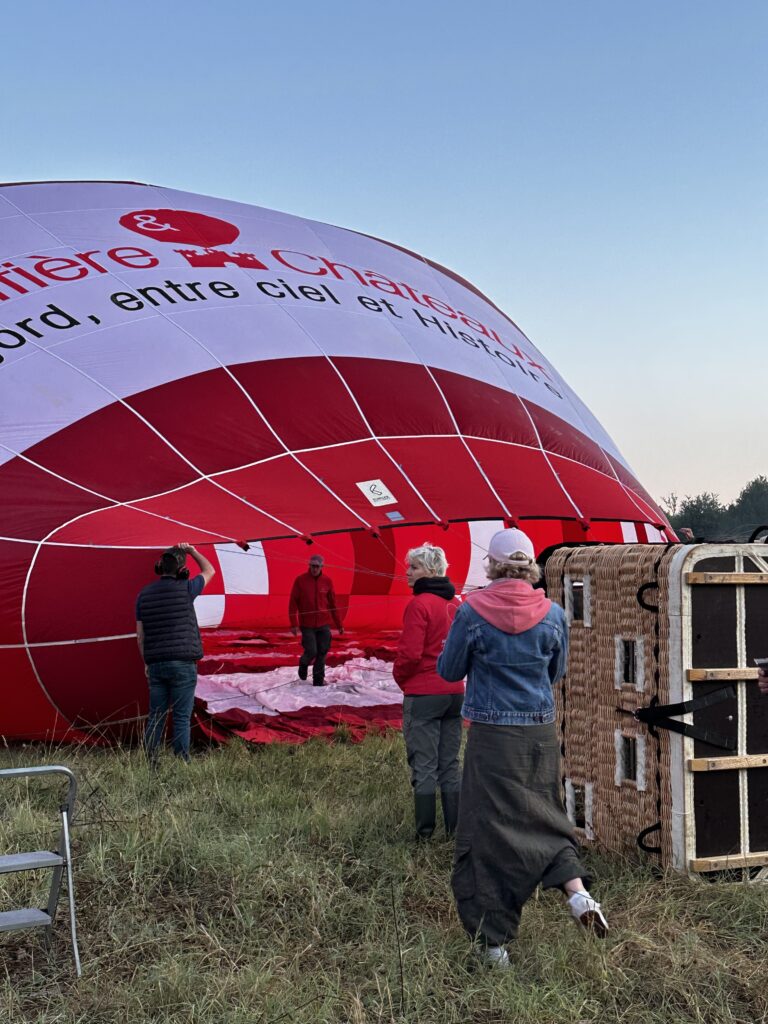
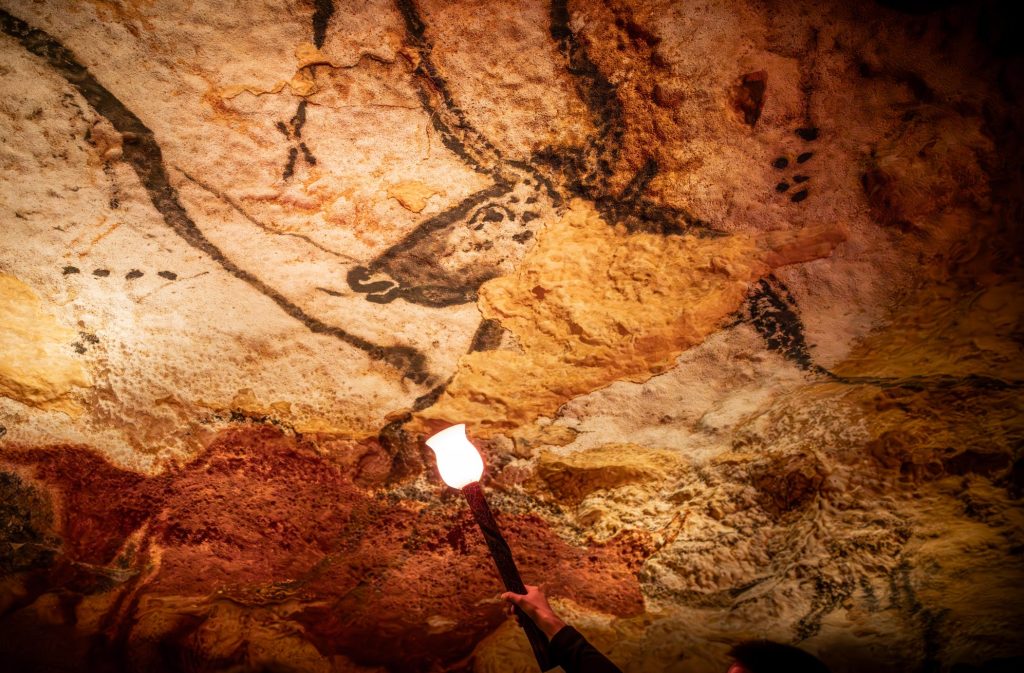
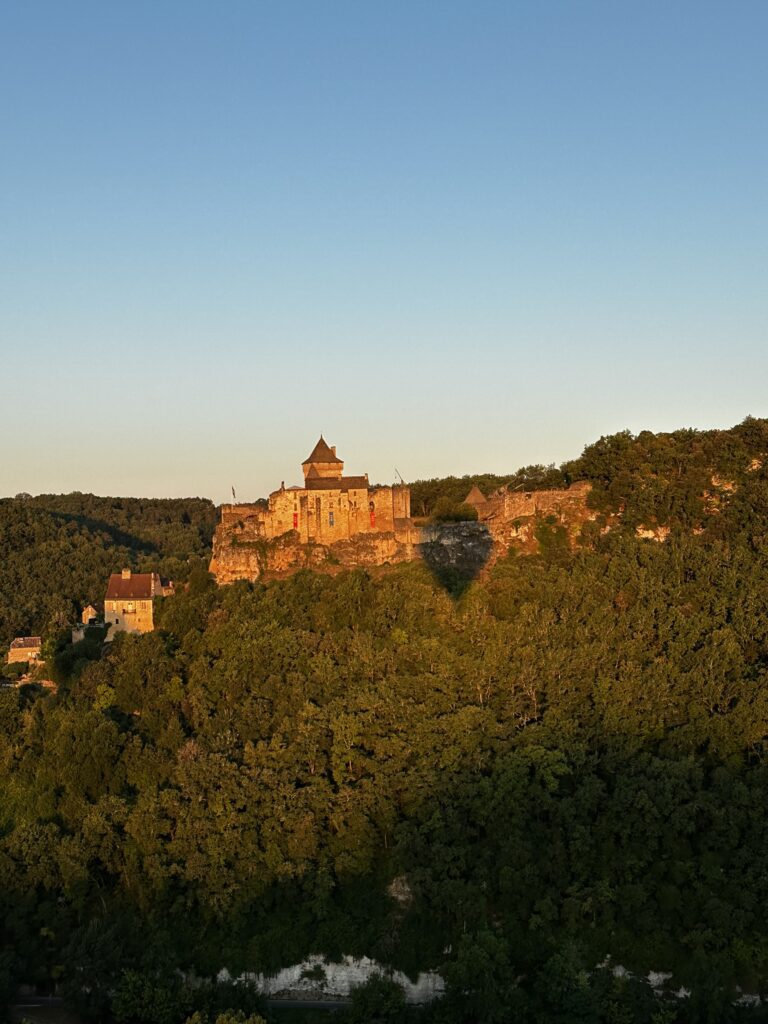
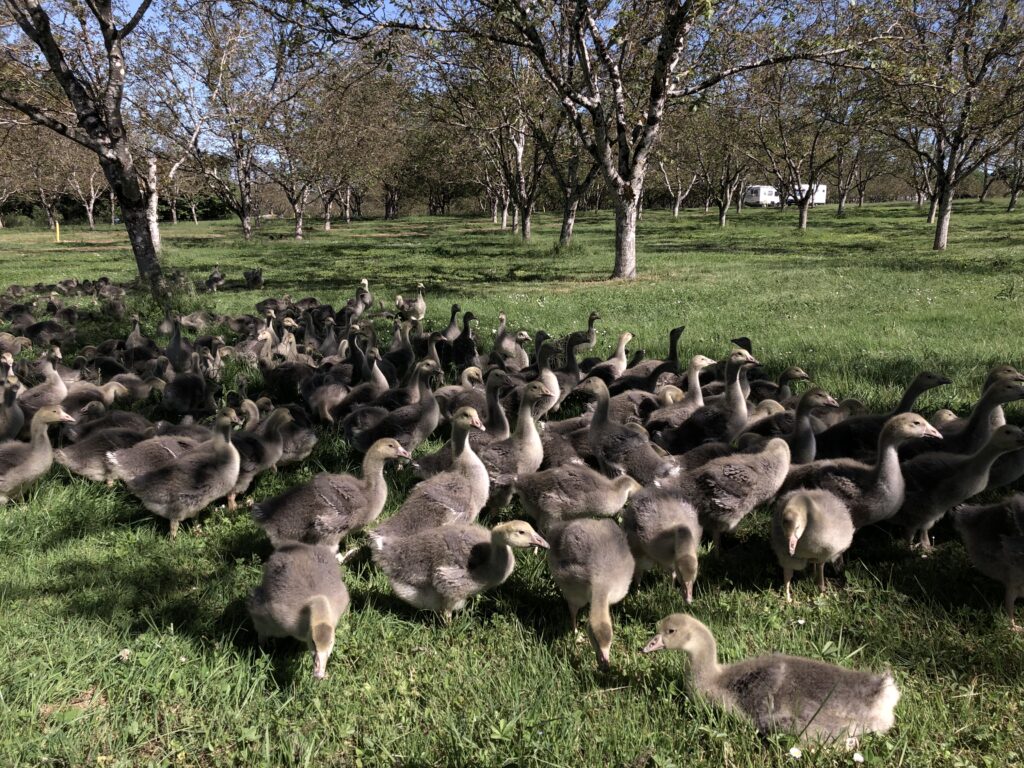
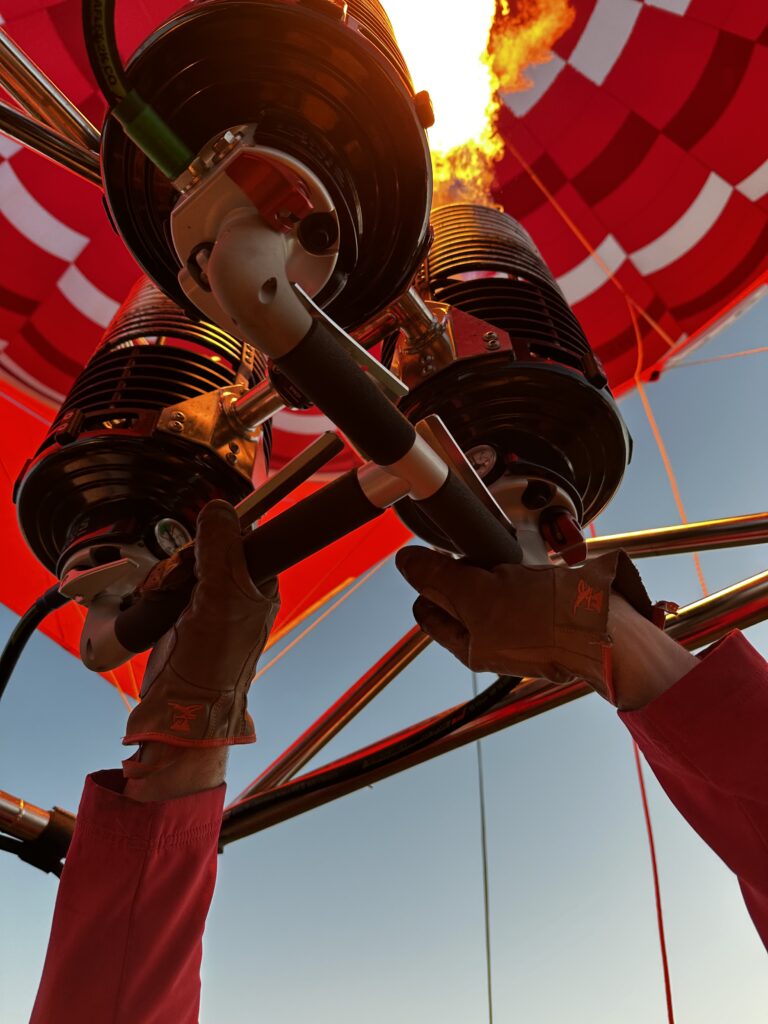
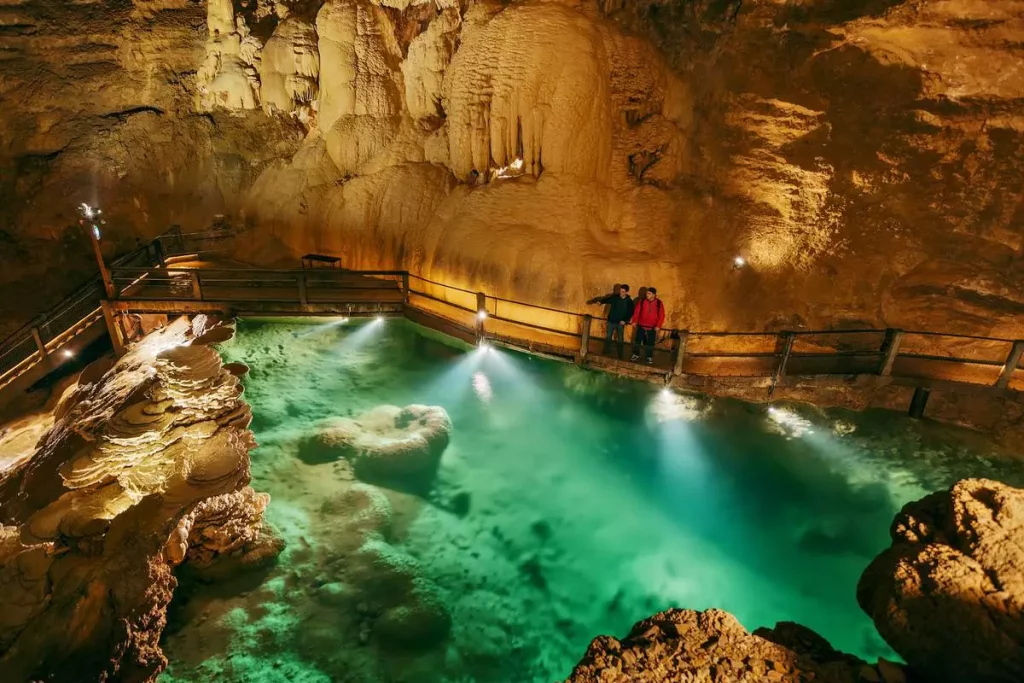
Dordogne was right for this because it knows how to hold time. The region does not impress quickly. Cliffs above the river, honey-colored villages, walnut trees, old stone, long meals. Beauty here feels lived-in rather than displayed. A private descent into Lascaux with a prehistory expert, where twenty years suddenly feels both enormous and brief. Canoes on the river where friendship returns most easily, not around a formal table, but in motion. A truffle grower, a ceramic artist known mostly to locals, long dinners, market mornings, the small disorder of a group that has stopped behaving like guests and begun, quietly, to inhabit a place. And then, above all of it: a hot air balloon at sunset, a Michelin-starred dinner in the air, eighteen people with glasses raised above the valley, the couple surrounded by the same faces that watched it all begin.
No speeches needed. The scene was already saying enough. Some celebrations are remembered as a list of extraordinary experiences. This one would be remembered as a return. To the couple they once celebrated. To the friends they were twenty years ago. To the simple astonishment of still being gathered.
Every one of these celebrations started the same way. Not with a destination, not with a budget, not with a list of requests. With a person. A feeling someone wanted to give, or to have, or to share. A dream that had been sitting quietly for years waiting for the right shape.
France has a particular talent for finding that shape. Not because it has the grandest addresses, though it does. Because it has depth. Layers of terrain, culture, and human knowledge accumulated over centuries, enough that no two celebrations need to look alike, enough that the brief you bring, however unusual, however specific, however hard to put into words, almost always finds its answer somewhere in the country’s fabric.
What we do is hold both things at once. The feeling you are trying to create, and the place that can create it. The rest is orchestration.
Tell us who you are celebrating. We will find the form it should take