
For one Swiss family planning a luxury family reunion in the Loire Valley, the challenge was not to fill the days. It was to bring five generations to the same table — and leave enough space for each of them to enjoy being there.
Gathering Five Generations in the Loire Valley
Three siblings with their spouses. Their parents. The younger generation. Children. Grandchildren. And the family elder, ninety-one years old, travelling with her companion. That alone made the celebration rare. It also made it delicate.
A program like this could not be too ambitious. It could not ask the oldest guest to keep up, the children to behave all day, or the adults to spend the whole stay managing everyone else. The purpose was not to “cover” the Loire Valley. It was to gather the family in a place beautiful enough to feel special, and gentle enough to let everyone settle into it. So the rhythm had to be simple.
A Private Château as the Family’s Home
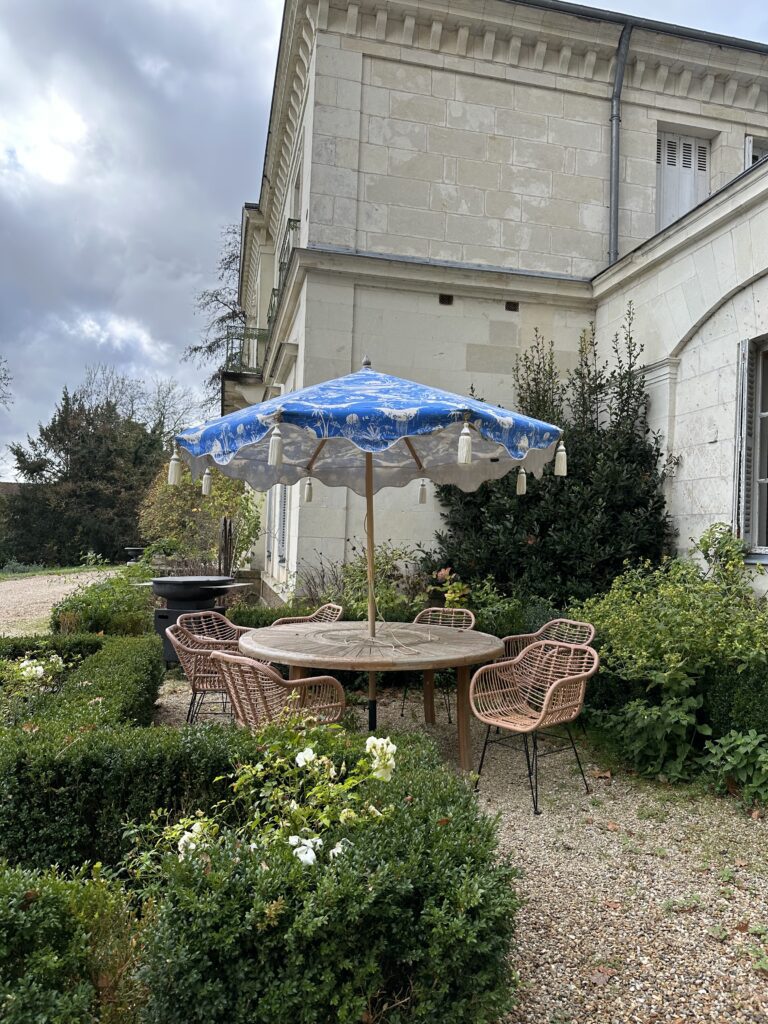
One château by the river. No change of base. Soft mornings. Long afternoons. A few carefully chosen experiences, and nothing more.
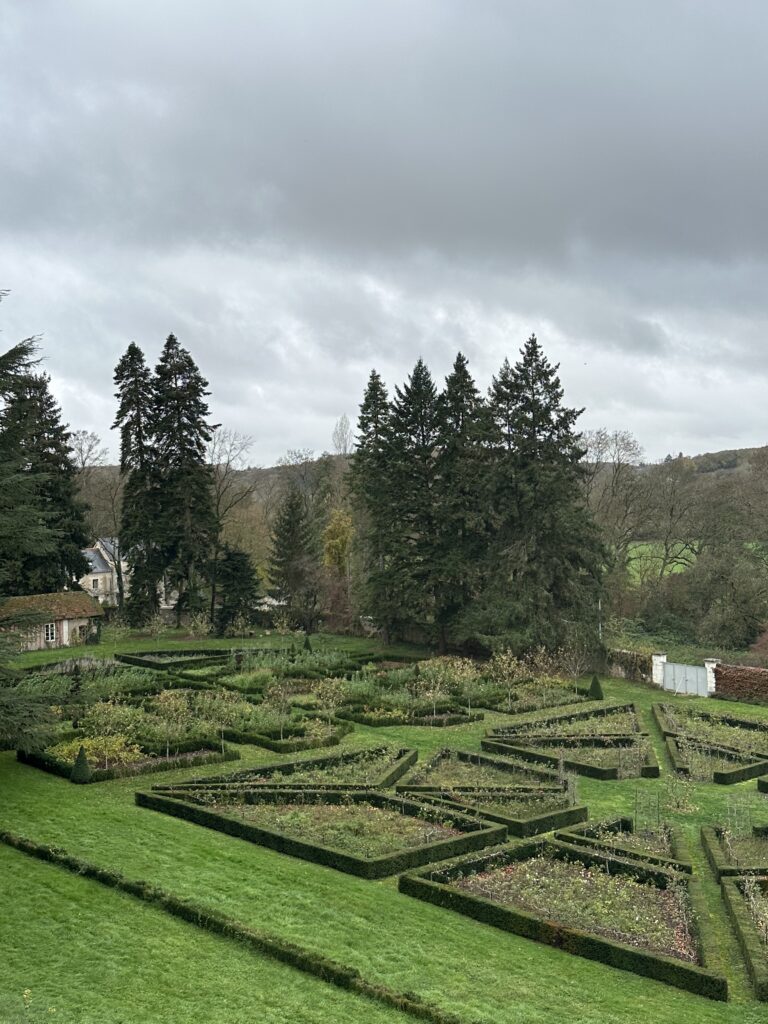
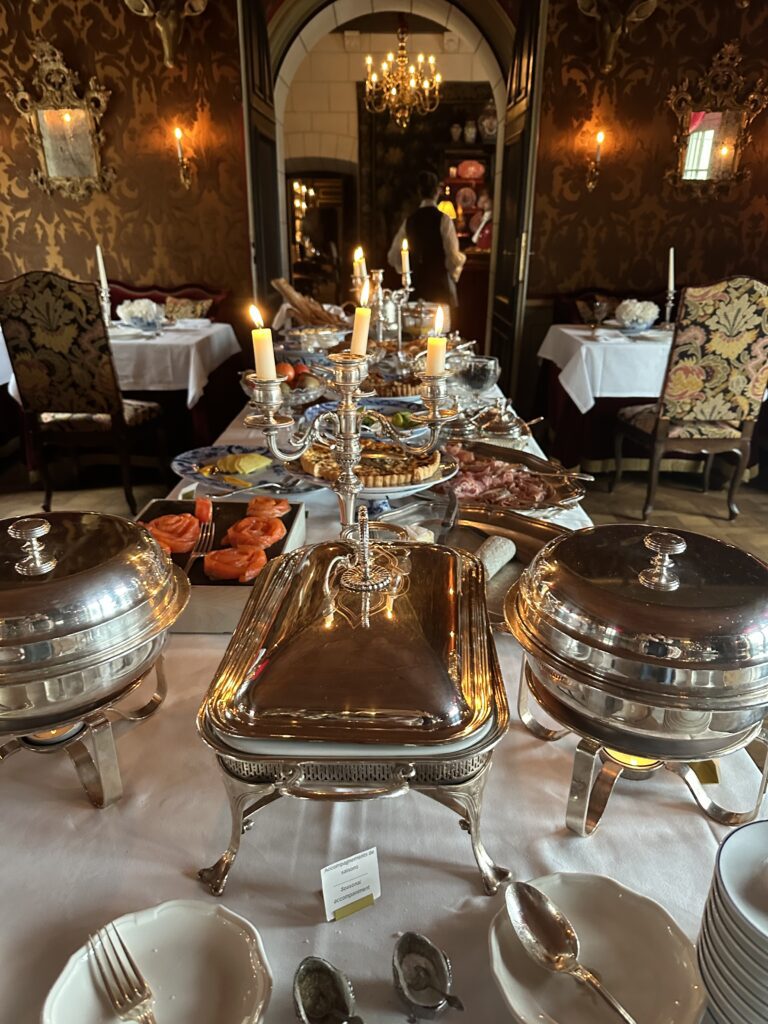
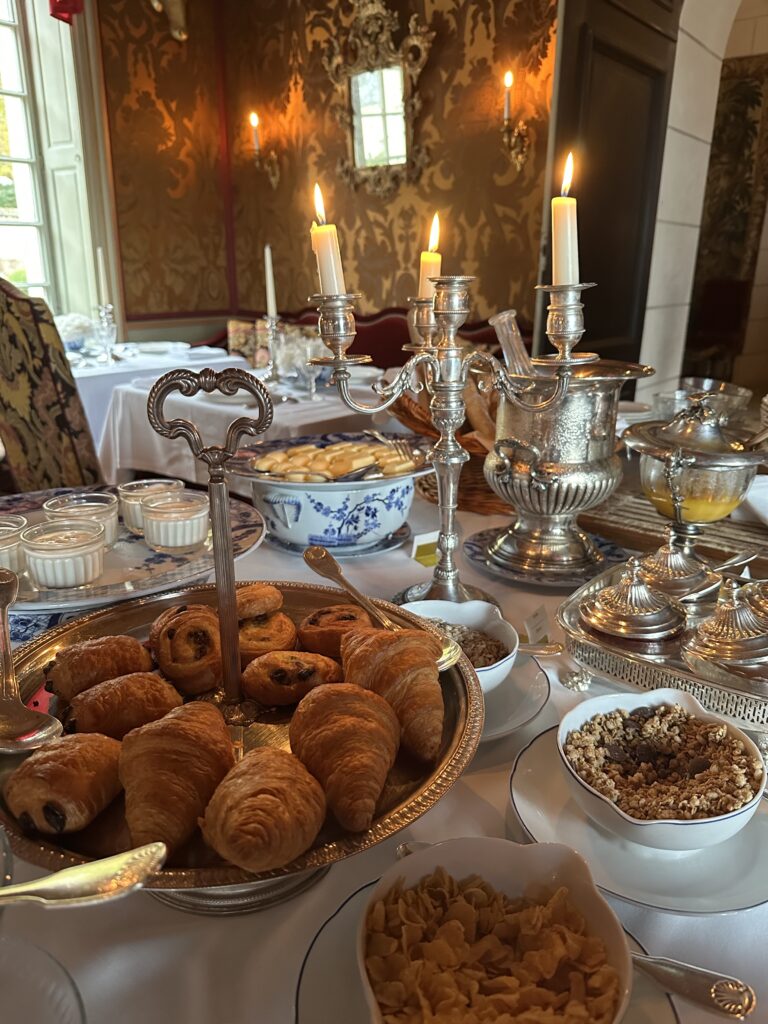
The château itself would do much of the work. Children playing outside. A nanny nearby for the younger ones. Adults drifting between the pool, the spa, a quiet corner with a book, a glass of Loire wine, a game of pétanque, a walk through the village, a conversation that lasts because no one needs to be anywhere yet. In the evening, the family comes back together around a long table. The kind of table where people change seats between courses, children disappear and return, someone opens another bottle, and the day slowly becomes a memory.
A Michelin-Starred Chef in Residence
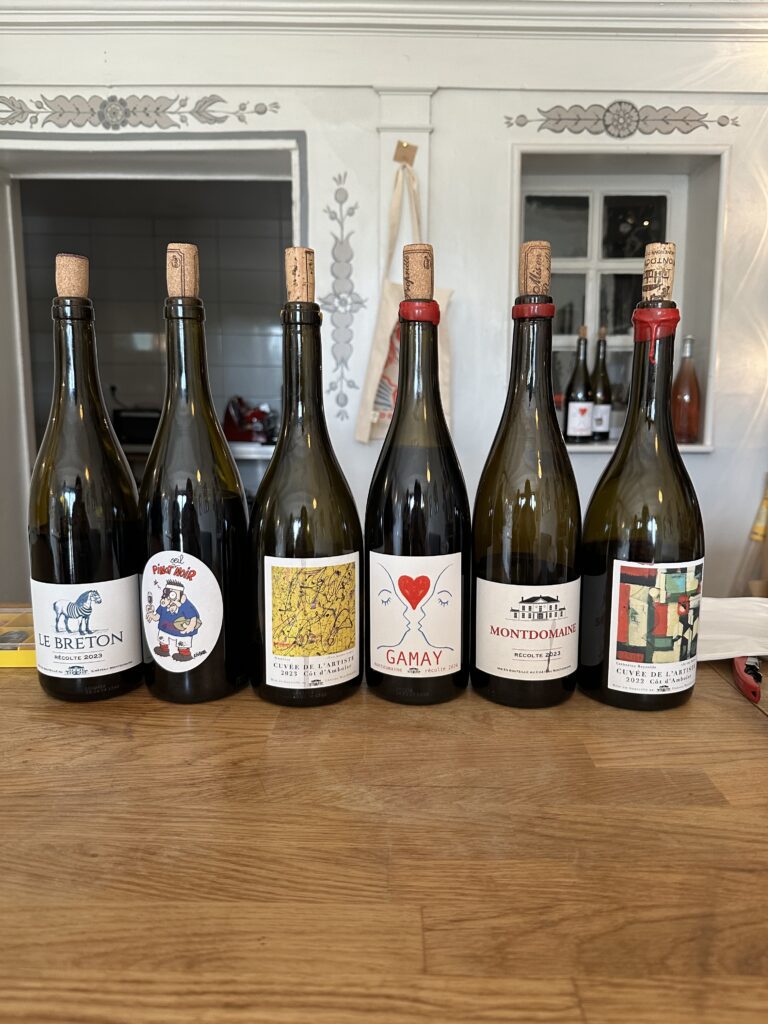
A Michelin-starred chef would accompany the stay — not to turn every meal into a performance, but to give the house its own culinary life: seasonal produce, Loire flavors, simple lunches, more festive dinners, food adapted to different ages, and the feeling that the family had not rented a place so much as inhabited it. That was the spirit of the celebration. Not more. Better chosen.
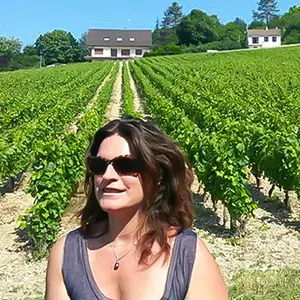
The Loire at Its Own Pace: River, Vines, and Open Air
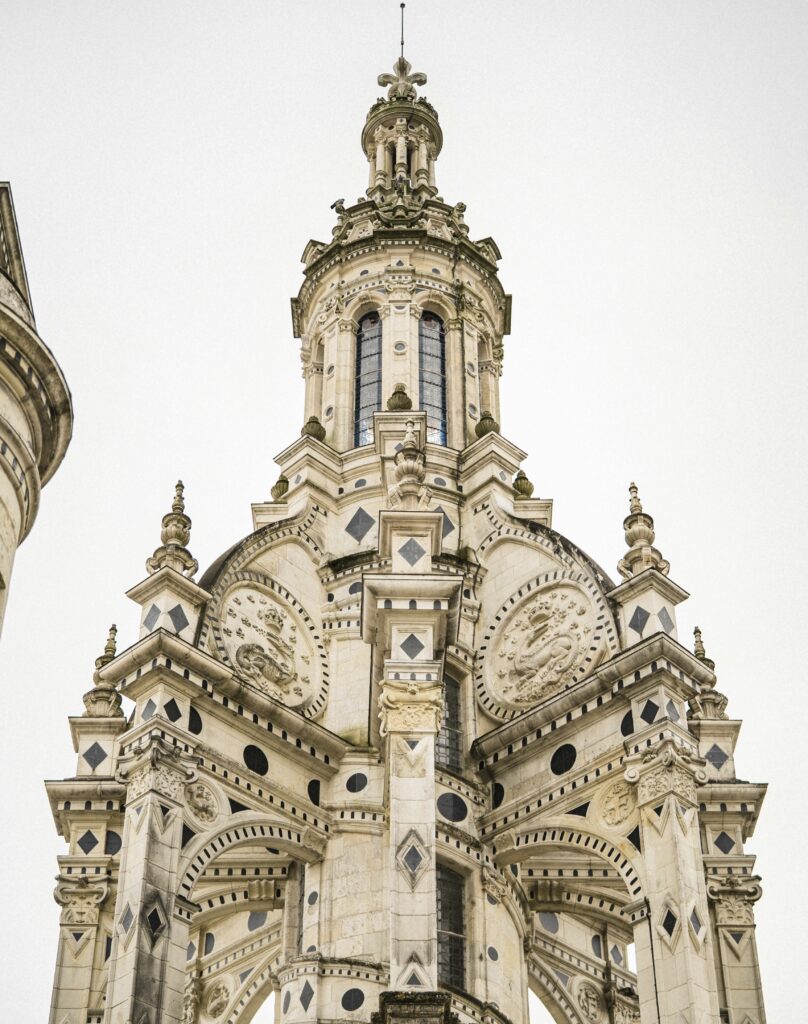
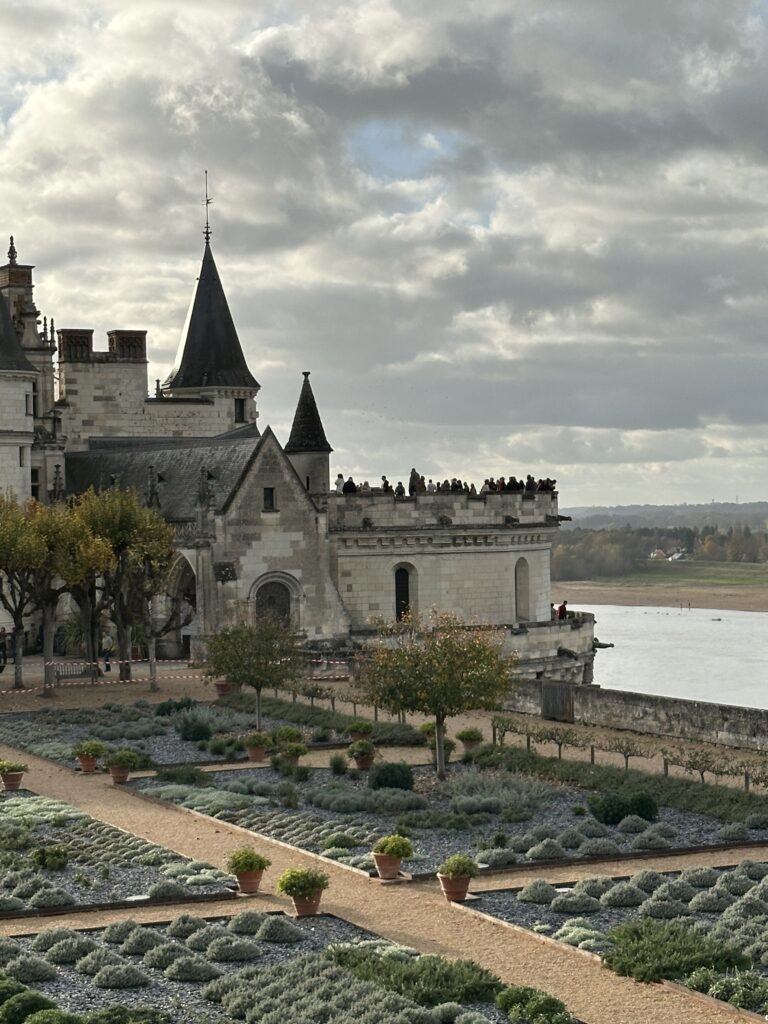
The Loire was right for that because it carries grandeur lightly. Its history is everywhere — in the châteaux, the gardens, the river, the stone villages, the old routes of kings, queens, artists and writers — but it does not need to press itself on a family every hour. It can be entered slowly.
One morning could begin on the river, when the light is still pale and the children are quieter than usual, wrapped in blankets, listening to the water. Another moment could unfold at dusk with a local winegrower, drifting along the Loire while the landscape changes color. Birds in the reeds, vines beyond the banks, the slow theatre of the river at the end of the day. Not a lecture. A living scene. This is where the family begins to share something without needing to organize it too much.
Chenonceau: One Extraordinary Evening
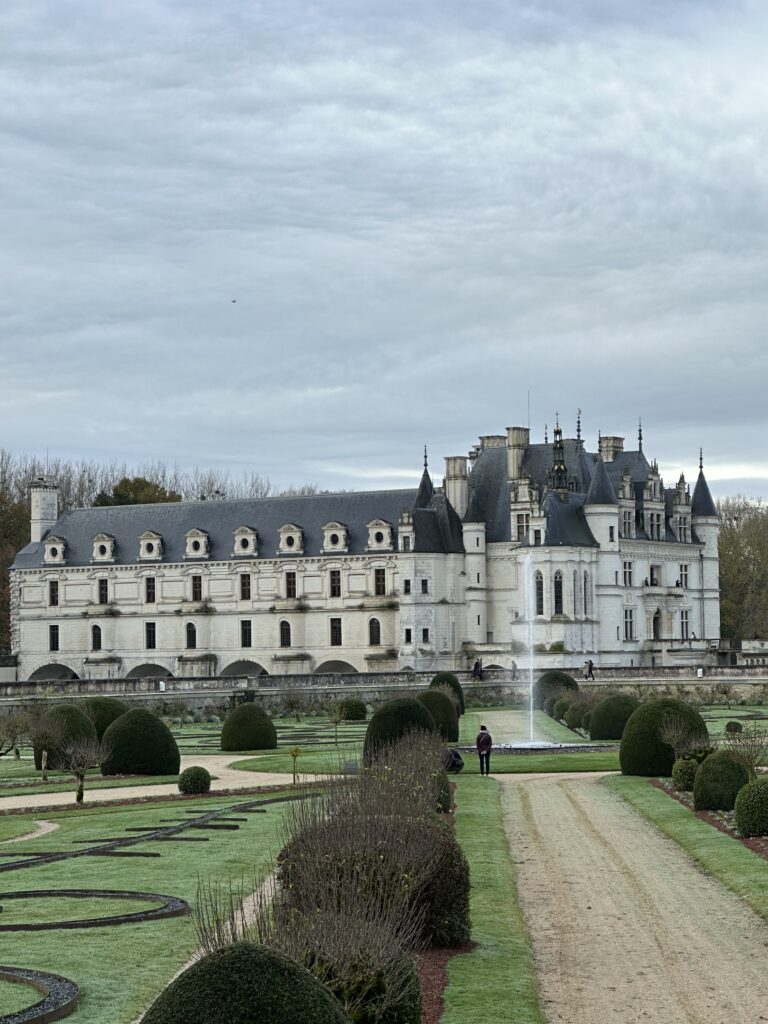
Then, one evening, Chenonceau. That would be the highlight, and it should stay that way: one extraordinary moment, held apart from the rest. The family arrives when the day has softened. The château stretches over the Cher, elegant and almost unreal, but the visit begins through something intimate: flowers.
The Floral Workshop: Beauty Explained Across Three Ages
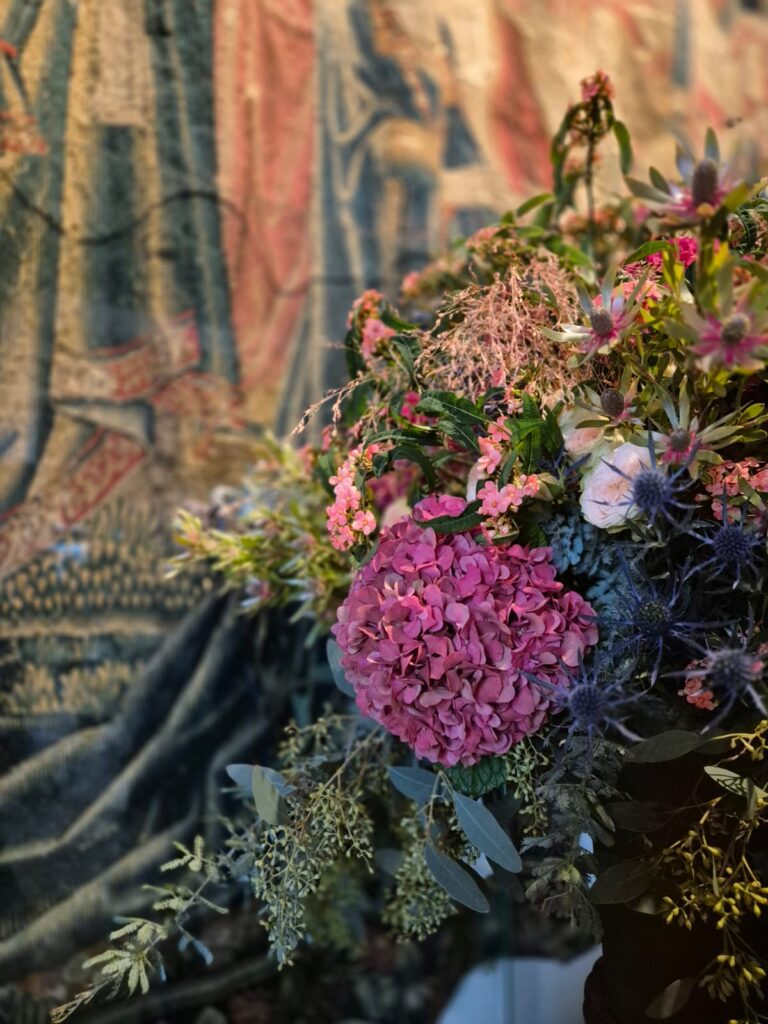
At Chenonceau, the floral workshop is part of the château’s identity. Around 150 arrangements are created each week. The rooms are not simply decorated; they are received. The tapestries deepen that impression, especially the Brussels pieces whose borders overflow with garlands of fruit and flowers. The fresh bouquets seem to belong to them, as if the flowers had stepped out of the woven threads and into the room.
Meeting the master florist would make the château feel less like a monument and more like a living house. He would explain how a bouquet answers a room, how colors speak to fabrics, how scale changes with a fireplace, a table, a tapestry, a window. The children would see flowers. The adults would see composition. The grandparents would see care.
And then the family would move through Chenonceau differently. Not rushing from room to room, not trying to absorb everything, but noticing how beauty is made: in stone, in water, in thread, in flowers, in light. A few stories of the women who shaped the château. A pause in the gallery over the river. The quiet pleasure of being there together, across several ages, without needing everyone to understand the same thing.
Dinner in the Long Gallery
Dinner should follow naturally. A long table. Flowers carrying the story forward. A toast, perhaps. A few family memories gathered in a booklet. The ninety-one-year-old seated where she can see the room. Children allowed to be children. Adults allowed, finally, not to manage every second. That is what would make the evening extraordinary. Not only Chenonceau. The way Chenonceau holds the family.
The Art of Knowing What to Leave Out
The rest of the stay should remain deliberately light: time at the château, outdoor games, pétanque, swimming, slow lunches, garden walks, a morning balloon flight above the châteaux, perhaps one market visit, one gentle wine moment, one family portrait in the late afternoon. Enough to give texture. Not enough to tire anyone. Because with five generations, a celebration is successful when no one feels dragged through it.
The children should remember freedom. The adults should remember breathing. The parents should remember seeing everyone gathered without having to host. The eldest should remember still being fully part of the family’s joy.
This was the real meaning of the Loire celebration. A few days suspended by the river. A house full of voices. History close by — the Loire Valley has been a UNESCO World Heritage Site since 2000 — but never heavy. A table long enough for everyone. And only a handful of moments chosen carefully enough to last.
Some celebrations are built by adding more. This one would be built by knowing what to leave out.