

Visit Turkey: Ancient Wonders, Rich Heritage and Exquisite Cuisine
The Country of Warm Welcomes
“Tanrı misafiri” — God’s guest. This is what Turks call you before they even know your name. Not because hospitality is their business, but because it flows in their blood like the Bosphorus flows between continents, ancient and unstoppable. In Istanbul, the call to prayer drifts over the Bosphorus at dawn, five times daily for fourteen centuries, marking time the way a heartbeat marks life. In Cappadocia, hot air balloons rise like prayers at sunrise, floating over fairy chimneys carved by wind and time. Steam rises from glasses of tea held in hands that know work in Black Sea region, while a carpet seller’s eyes dance in Bursa as he unfolds stories woven in silk and time, each knot a memory, each pattern a prayer. This is the morning: the gentle percussion of backgammon pieces on marble tables, the rustle of newspapers, fishermen casting lines from the Galata Bridge while seagulls orchestrate their own symphony above. Someone is brewing coffee in sand, thick and black and perfect. A grandmother sprinkles sumac over white cheese. Children chase cats through Byzantine ruins. And everywhere, the scent of jasmine climbing ancient walls, of bread baking in ovens that remember the Ottomans, of the sea that has watched empires rise and fall.
2
Continents : Europe and Asia
51,4
Millions of Tourists Each Year
21
World Heritage Site
12,000
Years of History
Meet Turkey
Here is the Turkey of timeless connection beyond ordinary: the one that finds you in unguarded moments; tea that turned into dinner as stories flowed like the Bosphorus in Istanbul, a sunrise balloon ride over Cappadocia’s fairy chimneys that left you speechless, the way time stopped when you touched 12,000-year-old stones at Göbekli Tepe, the echo of your footsteps in Ephesus‘ ancient marble streets. We don’t offer tours. We offer the perfect cup of coffee at dawn. A door opened by weathered hands. A moment of grace that wasn’t in any guidebook but becomes the heart of your journey. Hoş geldiniz – Welcome.
Where Continents Kiss: Turkey’s Living Landscapes
Thirty civilizations have called this land home, and their whispers still carry on the wind. From the fairy chimneys of Cappadocia, where hot air balloons drift like prayers at sunrise, to the thermal pools of Pamukkale where Roman emperors once sought healing. Each province (all 81 of them) holds its own secret. In the Black Sea region, the Horon folk dance still pounds its ancient rhythm under starlit skies, while fishing boats return with the day’s silver catch. Here, tea plantations cascade down misty hillsides like green waterfalls, and village women still embroider stories into cloth. Further south, in Mardin, Mesopotamian stone houses cling to hillsides, their honey-colored walls warming in the sun while Arabic coffee brews in brass pots polished by centuries of use. The Aegean whispers different stories. In Bodrum, where Herodotus was born, white-washed houses tumble toward harbors where wooden gulets rest between voyages. The Mediterranean coast stretches golden and generous, from Antalya’s turquoise embrace to hidden coves where only fishermen and poets venture. But it’s in the east where time moves differently.
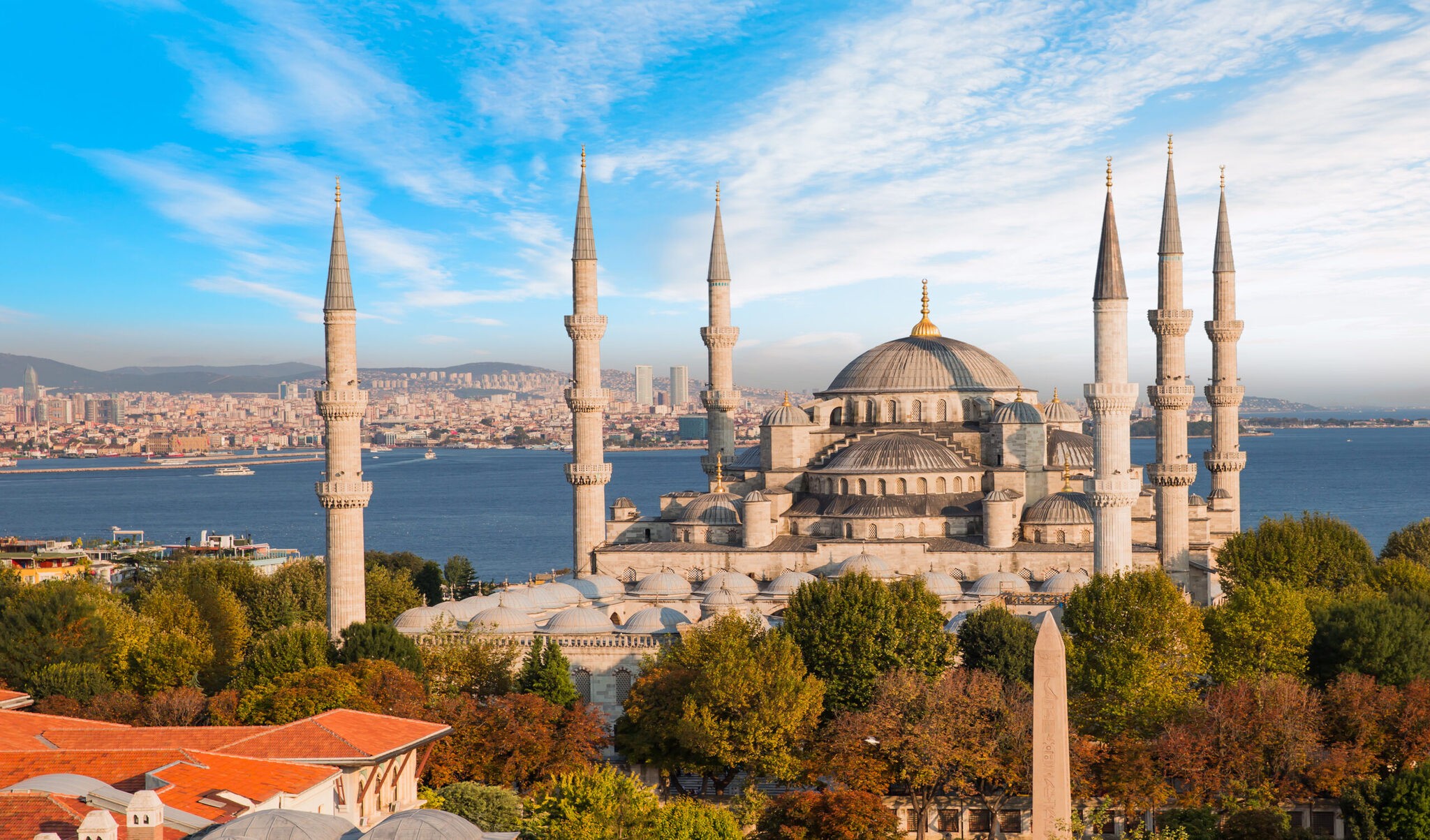
Istanbul exists in several dimensions at once. Stand on the Galata Bridge at dusk, one foot in Europe, one in Asia and watch the city breathe. The Bosphorus carries freighters and ferries, wedding parties and fishermen, all threading through the same waters that carried Jason and his Argonauts. In Sultanahmet, the Hagia Sophia holds court with the Blue Mosque, their domes conversing in a language older than words. Cappadocia defies explanation. Rise before dawn — trust us on this — and drift over lunar landscapes in a wicker basket suspended beneath colored silk. Below, cave churches hide Byzantine frescoes, their blues still vibrant after a thousand years. Pigeon houses carved into cliff faces, underground cities that once sheltered entire communities, valleys where hermits sought God among the rocks. This is Turkey’s gift: the ability to make the impossible seem inevitable.
Ancient Wonders: Where Stories Become Stone
Göbekli Tepe, Troy, Ephesus; yes, they anchor the story. These are Turkey’s crown jewels, sites that shaped human civilization itself. But the profound experiences that transform travelers happen in carefully orchestrated moments: early access before crowds arrive, in workshops where ancient crafts still live, in encounters with people who’ve dedicated their lives to these stones.
At Göbekli Tepe, stand among the carved pillars as the site stirs in golden silence, and hear how these 12,000-year-old stones rewrote human history. In Troy, walk the layered walls with a Homeric scholar, then sit down with a local family whose stories stretch back through generations. Ephesus reveals itself in the soft light of morning, when the Library of Celsus glows with an intimacy impossible at midday. Nearby in Selçuk, artisans still shape marble by hand, using tools and techniques unchanged since Roman times.
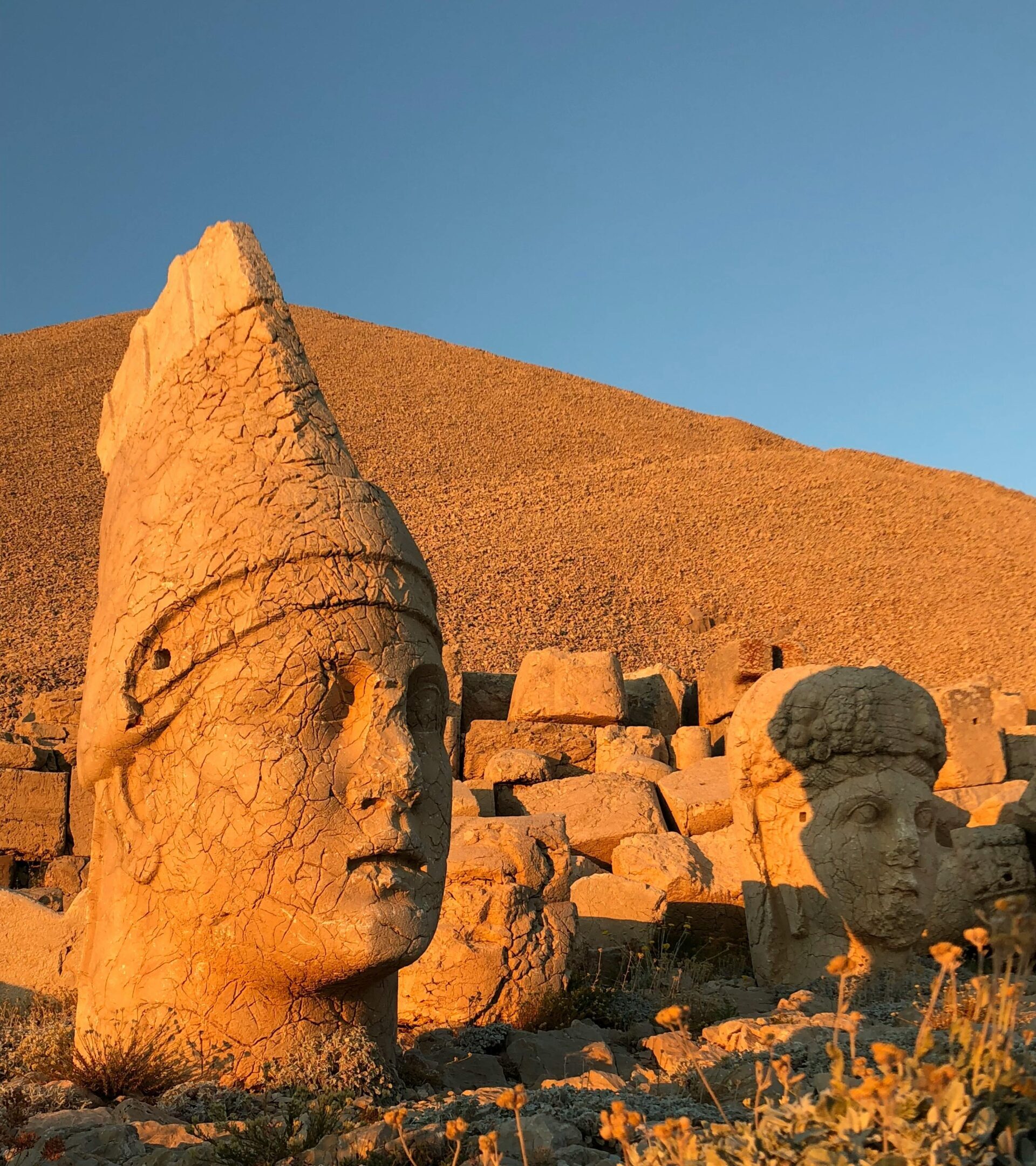
Pamukkale dazzles in another register — terraces white as bone, water steaming against the cool air, just as emperors once knew them. In Istanbul, descend into the lesser-known Nakkas Cistern, where emperors stored their secrets, or visit a calligrapher’s workshop and watch ink ground slowly, each letter becoming a meditation. Further east, climb Mount Nemrut and see King Antiochus’ stone guardians gaze at constellations still wheeling overhead. In Ankara, pause at Anıtkabir, where every marble detail tells the story of a republic born from an empire. Every ancient stone in Turkey holds more than history, it holds a voice. We don’t just show you the monuments; we connect you with the scholars, the artisans, the guardians who make these places breathe with life.
The Alchemy of Turkish Cuisine
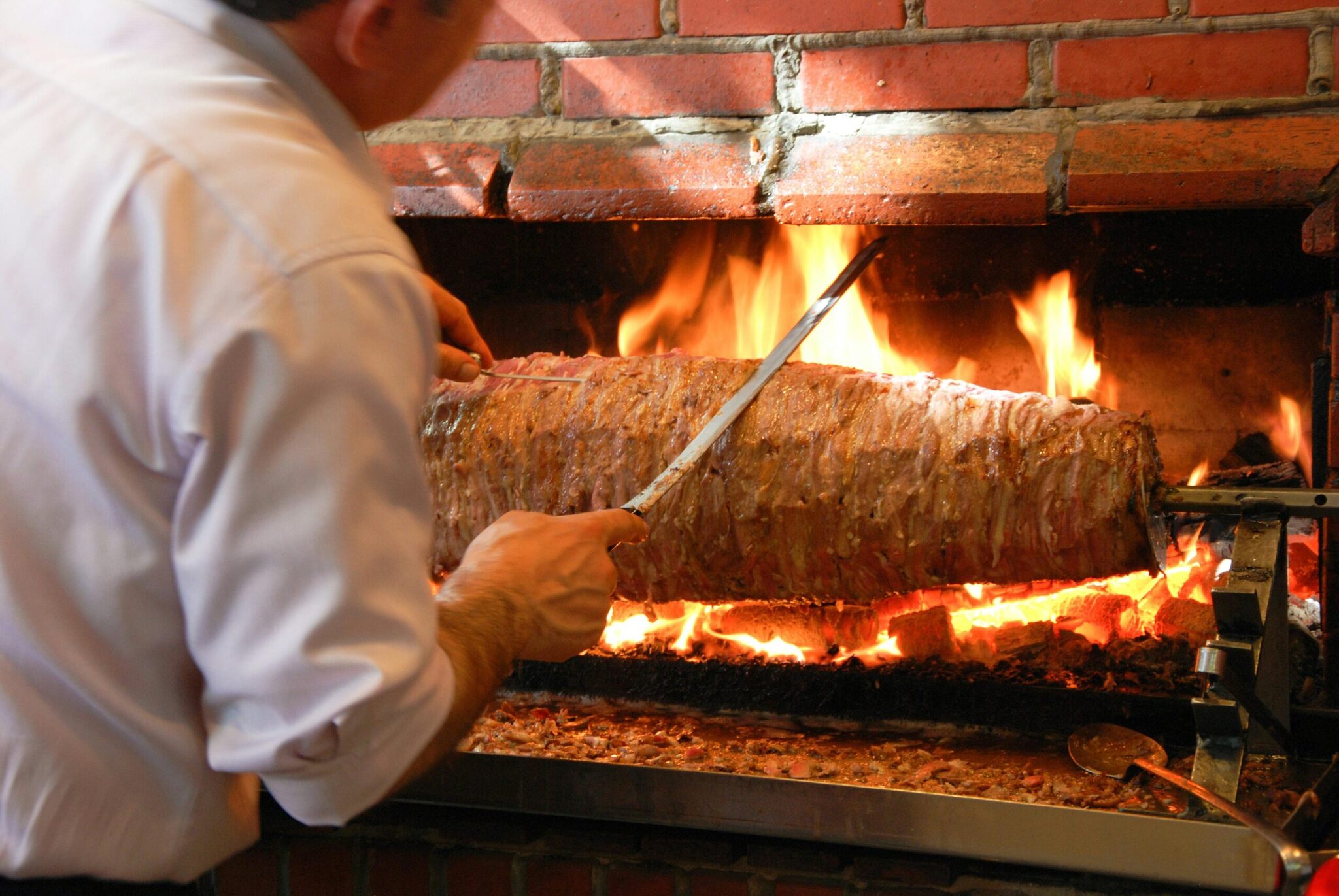
Turkey cooks the way it loves, generously, without hurry, with stories stirred into every pot. You feel it first in the markets. At the Spice Bazaar, merchants hand you tastes of sumac and za’atar from brass spoons worn smooth by countless samplings. In Gaziantep, the air itself seems flavored with pistachio and pepper, while baklava masters still guard recipes like family heirlooms. Step inside a family kitchen and you’ll understand the difference. It isn’t a class, but an invitation. Three generations gather around the table, börek dough stretched thin enough to catch the light, children sneaking corners when they think no one is watching. The grandmother moves with quiet mastery, teaching you not just technique but the stories that season the food. In Adana, kebab rises to the level of poetry. The meat is hand-chopped, never ground, spiced with blends kept secret by each usta. Watch him turn skewers with the precision of a conductor, reading doneness in the way the flames bend and leap. The meal arrives simple yet perfect: warm lavash, onions sharp enough to bring tears, yogurt thick enough to stand a spoon in. Head east and the journey reveals other treasures. In Erzurum, where winter brings travelers for skiing, Cağ kebabı is served by the fire : Lamb roasted slowly on horizontal spits, sliced directly onto your plate, best enjoyed after a day on the slopes. The meat carries the smoke of wood embers, the seasoning simple yet unforgettable.
Morning in Turkey tastes like breakfast, a table that stretches wider than your hunger. Cheese aged in caves, olives soaked in Mediterranean sun, honey drawn from wildflower hives, bread pulled from olive-wood ovens. Later comes the coffee: fine as dust, brewed in copper, served black and bold with a jewel of lokum on the side. But dusk belongs to raki. “Lion’s milk” they call it, watching the clear spirit turn cloudy, pairing it with endless meze; smoky eggplant, vine leaves, fish roe whipped to pink foam. Conversation flows as freely as the drink, and by the time the stars appear, you realize the meal has become a story, and the story has become yours.
Turkish Traditions, Crafts, and Celebrations
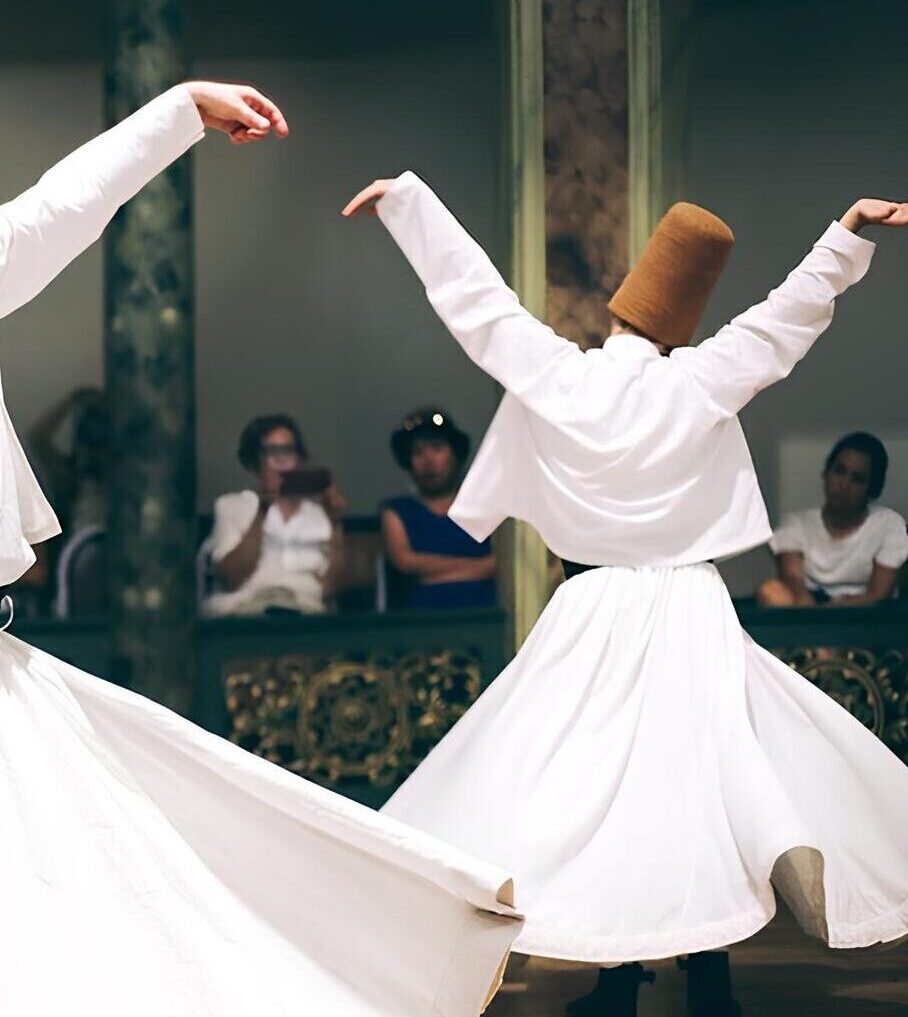
In Turkey, culture lives in the pulse of daily life. In Konya, the Whirling Dervishes turn prayer into movement, white robes unfurling as the ney flute carries a melody older than memory. For a few minutes, the world holds still while faith takes on form. Travel west and the rhythm changes. Along the Aegean coast, the Zeybek is danced with the dignity of eagles riding the wind, each step a story of bravery and longing. Further north in the Black Sea mountains, the Horon erupts in circles, drums echoing off the cliffs as entire villages stamp and whirl under the night sky. In Edirne, men still coat themselves in olive oil before stepping into the wrestling field, carrying forward a tradition that has outlasted empires, the crowd cheering with the same intensity as centuries ago. In Istanbul, centuries of craft continue quietly behind wooden doors. Inside the Grand Bazaar, jewelers set gems with techniques perfected in Ottoman courts, silversmiths hammer copper into shimmering bowls, and workshops hum with the scent of leather and silk. Beyond the bazaar, women in Anatolian villages still weave kilims, each motif a code of protection, love, or longing, passed silently from one generation to the next. The same city transforms into a stage each autumn for the Istanbul Biennial, where contemporary artists exhibit inside Byzantine cisterns and Ottoman mansions, creating conversations across centuries. During the International Music Festival, chamber notes soar through the Hagia Sophia’s domes, filling spaces once meant for emperors’ prayers. And on the first days of May, families gather in meadows for Hıdırellez, celebrating spring with bonfires, songs, and wishes written on paper and cast into rivers — a ritual that links folklore to hope. And when spring comes, tulips return home. Parks burst into scarlet and gold, lovers slip between rows of blossoms, and the flower that once traveled from Istanbul to Holland reclaims the city in a blaze of color. Here, traditions are not relics. They are danced, wrestled, woven, sung, and shared.
The Soul of Turkey in a Glass: Rare Vines and Timeless Terroirs
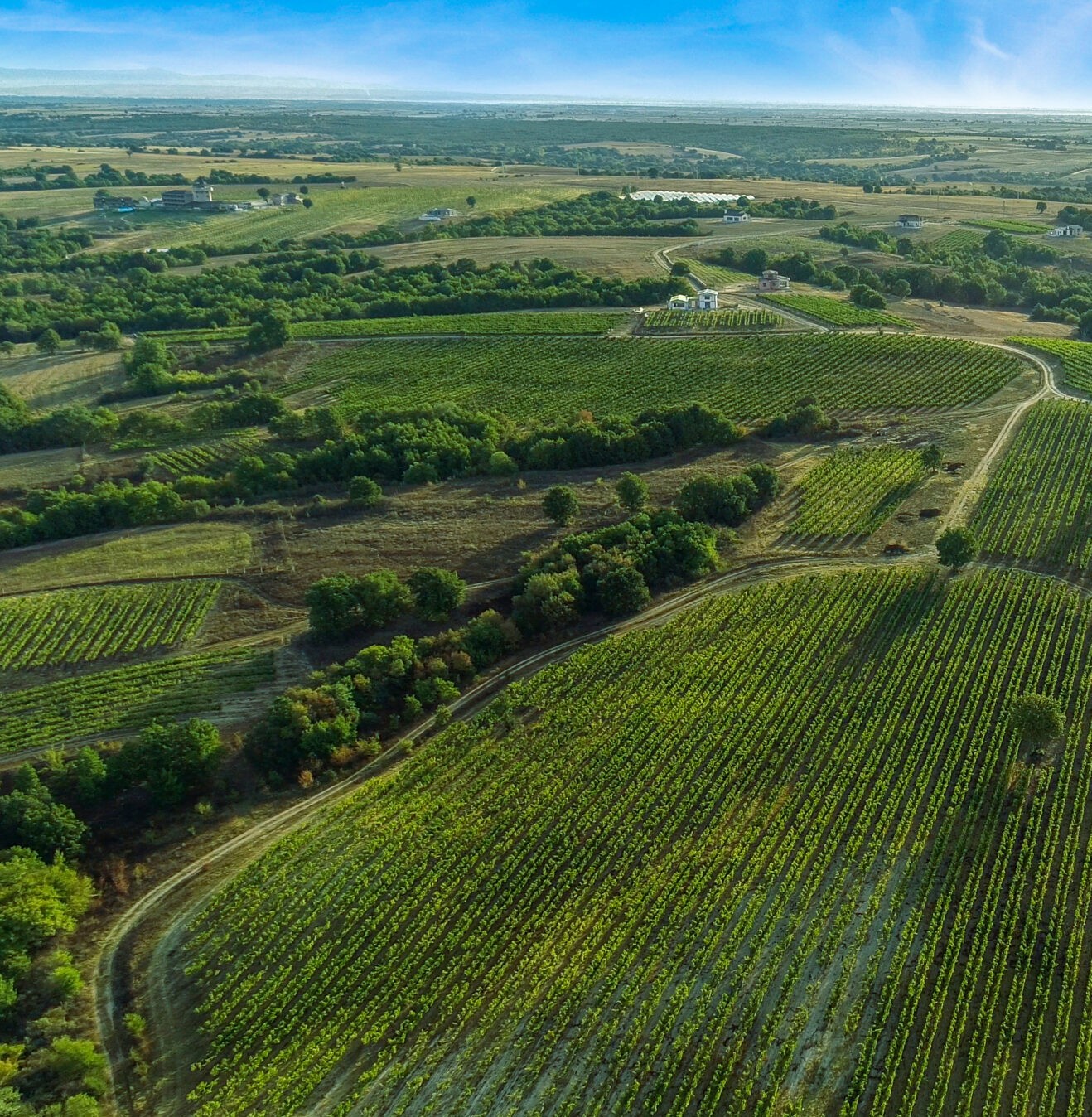
Wine here is older than memory. In Anatolia, the first vines were coaxed from wild soil, and their descendants still grow in landscapes carved by fire, wind, and time. To drink them where they were born is to taste history that refuses to fade. In Thrace, you drive through rolling hills until the vineyards appear like a secret. At Arcadia, the winery is hidden in the land itself — stone walls, glass, and silence. Beyond the cellars, it unfolds as a luxury retreat where you can stay, tasting gastronomic menus built on local and seasonal produce, much of it grown within the estate under sustainability principles. The winemaker pours Sauvignon Gris into your glass, golden in the afternoon light, and speaks of patience, of soil, of a philosophy that favors listening over intervention. You realize the wine isn’t just liquid; it’s a conversation.
In Cappadocia, tastings unfold underground. A guide unlocks a rock-hewn cellar lit by candles, and the air carries the memory of amphorae once sealed for Silk Road caravans. You lift a glass of Emir, its freshness born of volcanic ash, while outside balloons drift above valleys shaped like another planet. The wine tastes of stone, of altitude, of endurance. Further west, on the Aegean coast, the vineyards of Urla and Bozcaada open only for those who ask in whispers. Here, Narince and Öküzgözü meet Syrah and Cabernet, but the real treasure is what never leaves the island — vintages served only at a winemaker’s own table, paired with fish caught that morning. At some estates, you are invited not to taste but to blend, your hands on the pipette, your own cuvée sealed with wax and initials. Turkey does not shout its wines. It hides them in caves, in coastal vineyards, in conversations that last long after the bottle is empty.
The Art of Turkish Hospitality: Where Luxury Meets Anatolian Soul
Hospitality in Turkey is an inheritance. Step into a cave hotel in Cappadocia, where volcanic stone walls cradle you in silence yet every modern comfort is at hand. Or stay in an Ottoman mansion in Safranbolu, wooden floors creaking with the stories of silk merchants and caravans long gone. Along the Turkish Riviera, Bodrum and Antalya unfold with private villas, infinity pools spilling into the sea, and discreet staff who anticipate your needs before you speak. In Istanbul, sleep like royalty at the Çırağan Palace Kempinski, the Bosphorus lapping against the palace walls as if reciting a lullaby.
But true luxury here often reveals itself in smaller gestures. A tea house refusing payment, insisting you are his guest. A carpet merchant closing his shop to show you the workshop where his grandfather tied the first knots. A hammam attendant working steam and silence into a ritual that releases more than just tension. These moments blur the line between host and guest, turning strangers into friends.
Even travel itself carries this grace. High-speed trains glide between cities such as Orient Express, while Istanbul Airport, one of the world’s largest, connects the past and the present with quiet efficiency. Yet the most memorable journeys happen slowly: over tea, over stories, over laughter that bridges languages without effort. In Turkey, hospitality is not an industry. It is the country’s heartbeat.

Turkey is a country that makes every visitor fall in love with its pure magic. From the vibrant bazaars of Istanbul to the tranquil shores of the Aegean and the timeless beauty of Cappadocia, it offers a harmonious blend of culture, history, and breathtaking landscapes. Steam rises in a hammam, lanterns glow across Cappadocia’s valleys at night, and a gulet slips quietly past hidden coves in Bodrum. Each moment feels both timeless and intimate , a warm smile over tea, the scent of spices in a market, the hush before dawn in an ancient ruin. Why not have your own bespoke journey, thoughtfully designed to uncover the treasures that will capture your heart?