
Visit the Pyrenees: Reconnect with Nature & Embrace the Adventure

The Pyrenees (France & Spain): wild mountains, nature & heritage

The Alps have infrastructure. The Pyrenees have altitude, isolation, and people who’ve chosen to stay when leaving would be easier.

This is not Chamonix with its helicopter tours and Michelin-starred chalets at every turn. This is where winemakers farm vineyards so steep they can’t use tractors. Where caves holding 27,000-year-old handprints close at 5 PM, unless you know who to ask. Where the cols that break Tour de France cyclists are roads you can actually ride.

The Pyrenees are what the Alps were before they became a luxury product. If you’ve done the famous mountains and want ones that still feel unpolished, this is where you go.

70+

Terrestrial animal species

3,404m

Highest peak

10

Local cheeses

9

Languages spoken

Meet The Pyrenees

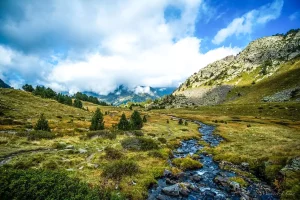
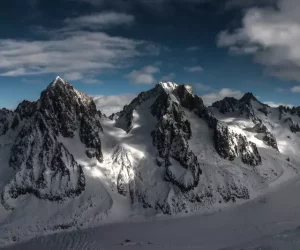
Straddling France and Spain, the Pyrenees stretch 430 kilometers from the Atlantic to the Mediterranean. They’re nearly as high as the Alps—Pic d’Aneto tops out at 3,404 meters on the Spanish side—but the passes sit lower, creating a serrated profile that’s more dramatic, less forgiving.

The western end stays green and humid, fed by Atlantic weather. The eastern slopes turn dry and Mediterranean. Between them: limestone cirques that dwarf anything in the Alps, glacial lakes at altitudes where nothing should be blue, and valleys where fog sits so thick you navigate by sound.

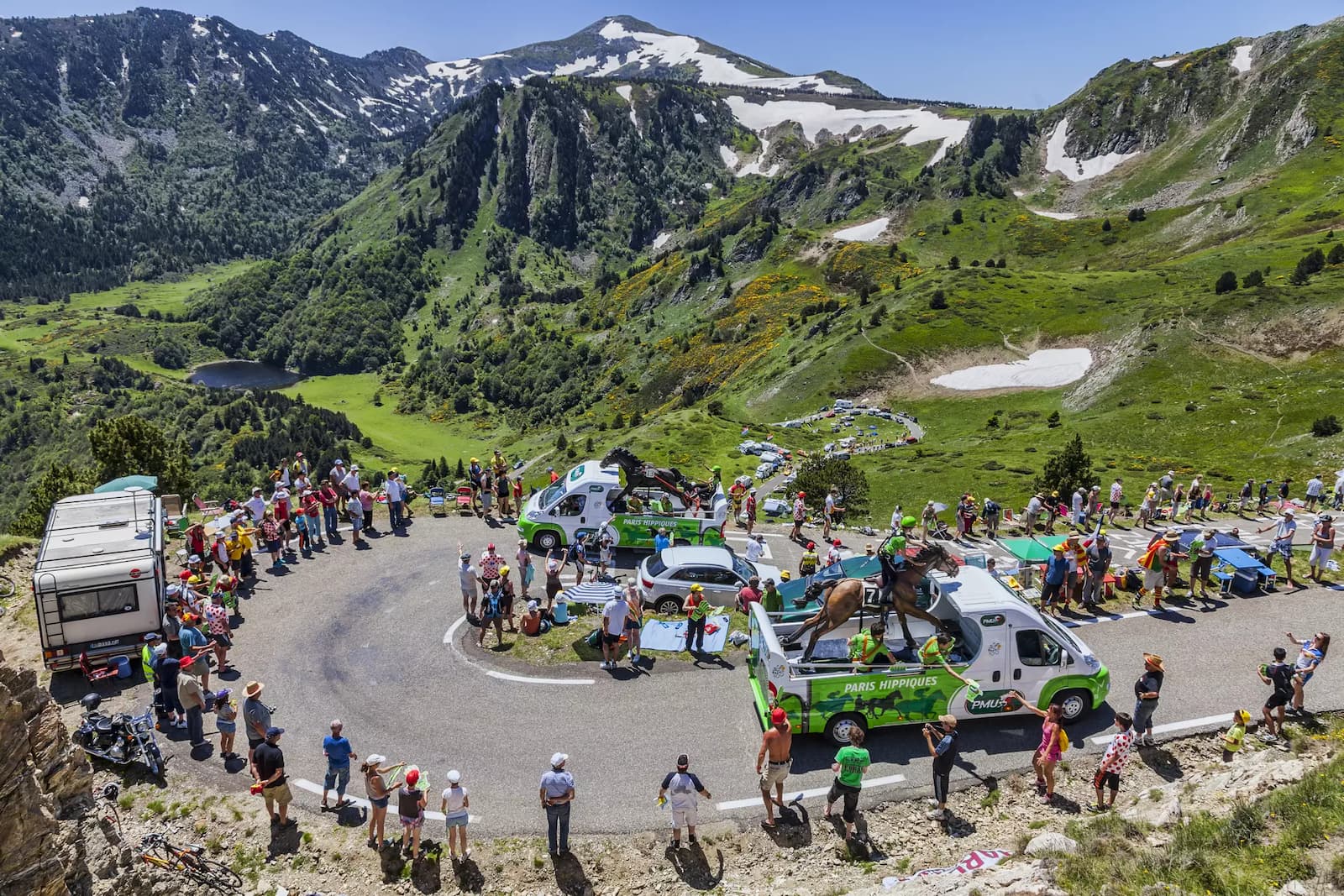
The Tour de France loves these mountains because they break cyclists differently than Alpine climbs do. Steeper gradients, less predictable weather, cols that hit you when you’re already depleted. Col du Tourmalet, Aubisque, Aspin—names that mean suffering if you’re on a bike.

For hikers, the GR10 traces the entire range, but the real routes are older—smugglers’ paths and transhumance trails that connect France and Spain through passes most maps don’t mark. You’ll walk these with guides who know which shepherds still use them, which stones mark old boundary disputes, why certain valleys stayed Catalan while others went French.

Jurançon: Vineyards That Defy Logic

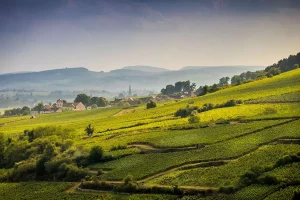
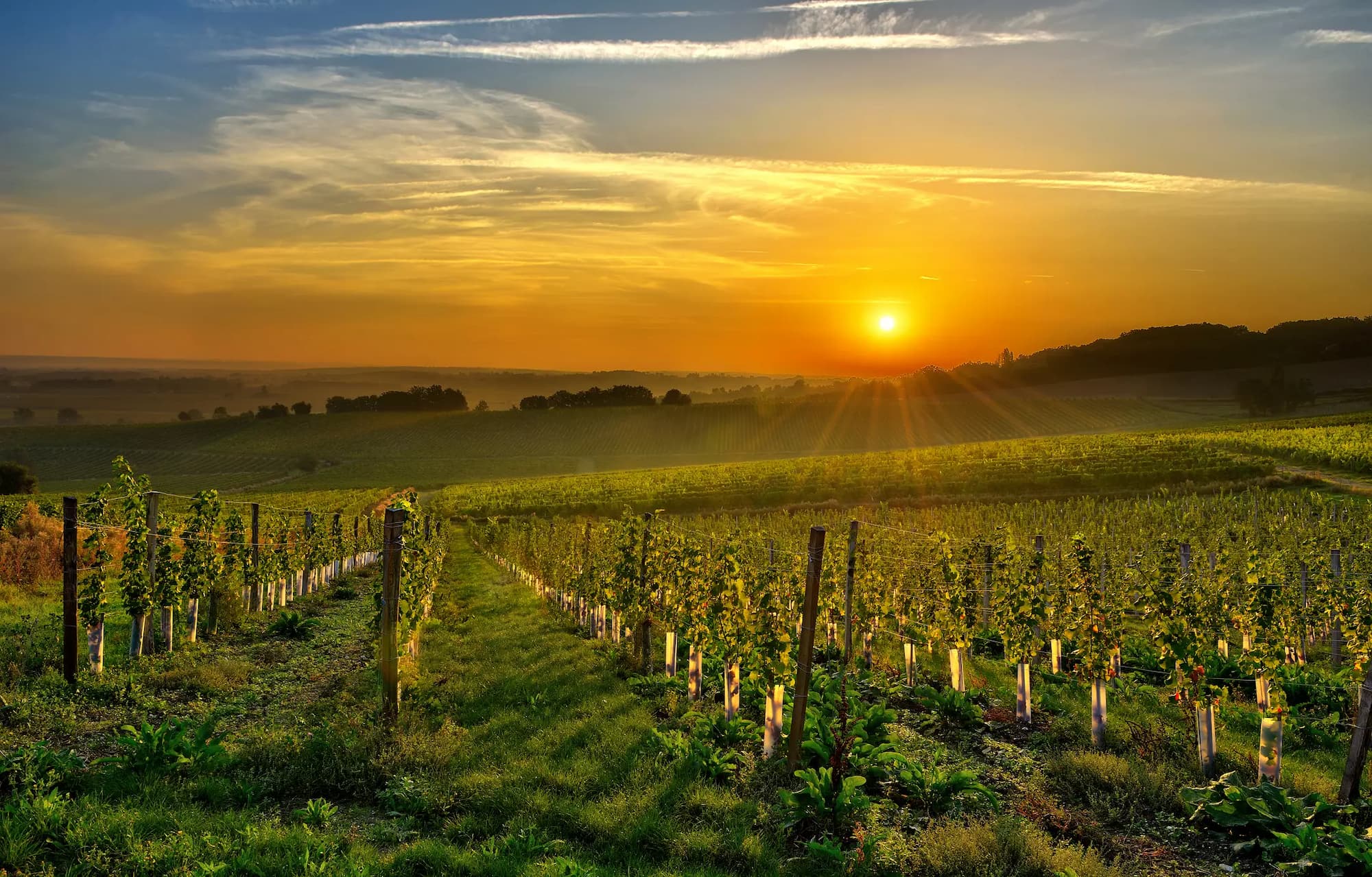
South of Pau, vineyards climb hillsides so steep that harvesting means rappelling between rows. The Jurançon AOC covers about 1,200 hectares, mostly Petit Manseng and Gros Manseng planted on slopes where anything sensible would grow something easier.

The wines are distinctive—dry whites with sharp minerality, sweet whites that avoid cloying because the altitude and aspect create tension between sugar and acid. These pair with foie gras not because someone decided they should, but because both come from the same landscape where difficulty creates quality.

We work with vignerons farming parcels their families have held for generations. Not the estates with tasting rooms and tour buses, but the ones still hand-harvesting because mechanization is physically impossible on slopes this steep.

You’ll taste in working cellars, often followed by a walk through the actual parcels so you understand what “hand-harvested” means when vines grow at angles that require you to brace yourself to stand upright. Then lunch—duck confit, local vegetables, the wines poured the way they’re meant to be: with the food this landscape produces.

In the eastern Pyrenees, Madiran produces structured reds from Tannat—wines with tannin that needs five years minimum to soften. These aren’t crowd-pleasers. They’re wines that require patience and pair with slow-cooked mountain food: cassoulet, garbure, duck preserved in its own fat.

Sunset view of french vineyard
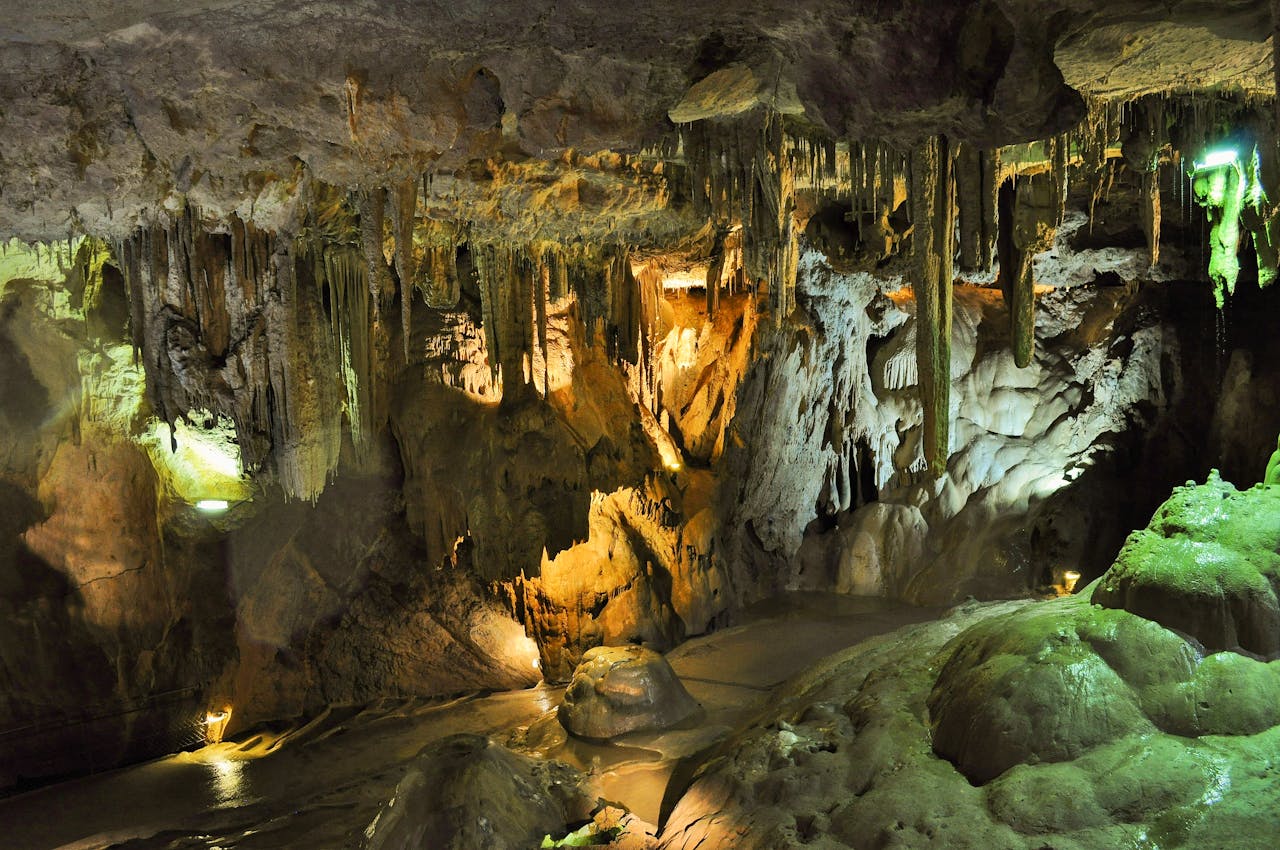
Interior of a cave in the Pyrenees

Caves: 27,000 Years Under Your Feet

The Pyrenees are riddled with caves. Limestone absorbs water, creating underground rivers and chambers that humans have used since before agriculture existed.

Gargas Cave holds over 230 hand stencils—negative images created by blowing pigment around a hand pressed against the wall. Some hands are missing fingers. Some belong to children. No one knows definitively why Paleolithic humans made these marks, but theories range from hunting magic to coming-of-age rituals.

The cave closes to the public at 5 PM to protect the artwork from humidity and CO2. We arrange access outside standard hours with specialists who study these sites professionally—prehistorians who can explain the ochre composition, the hand positions, the distribution patterns that suggest social meaning beyond decoration.

This isn’t a tour where someone recites facts. It’s a conversation with people who’ve devoted careers to understanding what happened here 27,000 years ago.

Betharram Caves offer a different experience—five floors of stalactites, underground rivers, chambers you access by boat. Discovered in 1810, they’ve been open to visitors for over a century, but most people see them on group tours that rush through in 90 minutes. We arrange private access with guides who’ll spend three hours showing you formations most visitors never reach.

Cycling Where the Tour de France Suffers

Fourteen Pyrenean climbs regularly appear in the Tour de France route. Col du Tourmalet at 2,115 meters is the most famous—17 kilometers at 7.4% average gradient, but the percentages lie because the steepest sections hit 13%.

Col d’Aubisque, Hautacam, Luz Ardiden—these roads were built for shepherds and smugglers, not cyclists. The gradients are inconsistent, the weather unpredictable, the descents technical enough that crashes happen to professionals.

We work with cyclists who’ve ridden these cols competitively and now guide others up them. They know which switchbacks get morning sun (crucial for early starts), where to shift gears before you need to, when the gradient eases enough to recover before the next ramp.

You ride with a guide, not in a group. The pace matches your ability. The goal isn’t to set records—it’s to understand why these mountains break riders differently than Alpine climbs do, and why that difficulty makes summiting them more satisfying than ticking off a gentler, more famous peak.

Support vehicles carry your gear. Lunch happens at altitude, often at refuges where cyclists have been stopping for decades. Then you descend (carefully—more accidents happen going down than up) to thermal baths in villages like Cauterets or Barèges, where soaking in naturally heated mineral water after six hours on a bike makes sense in a way spa treatments never quite do.

Picture during the Tour de France
Visit the Pyrenees: Reconnect with Nature & Embrace the Adventure

Cathar Castles: History Without the Polish

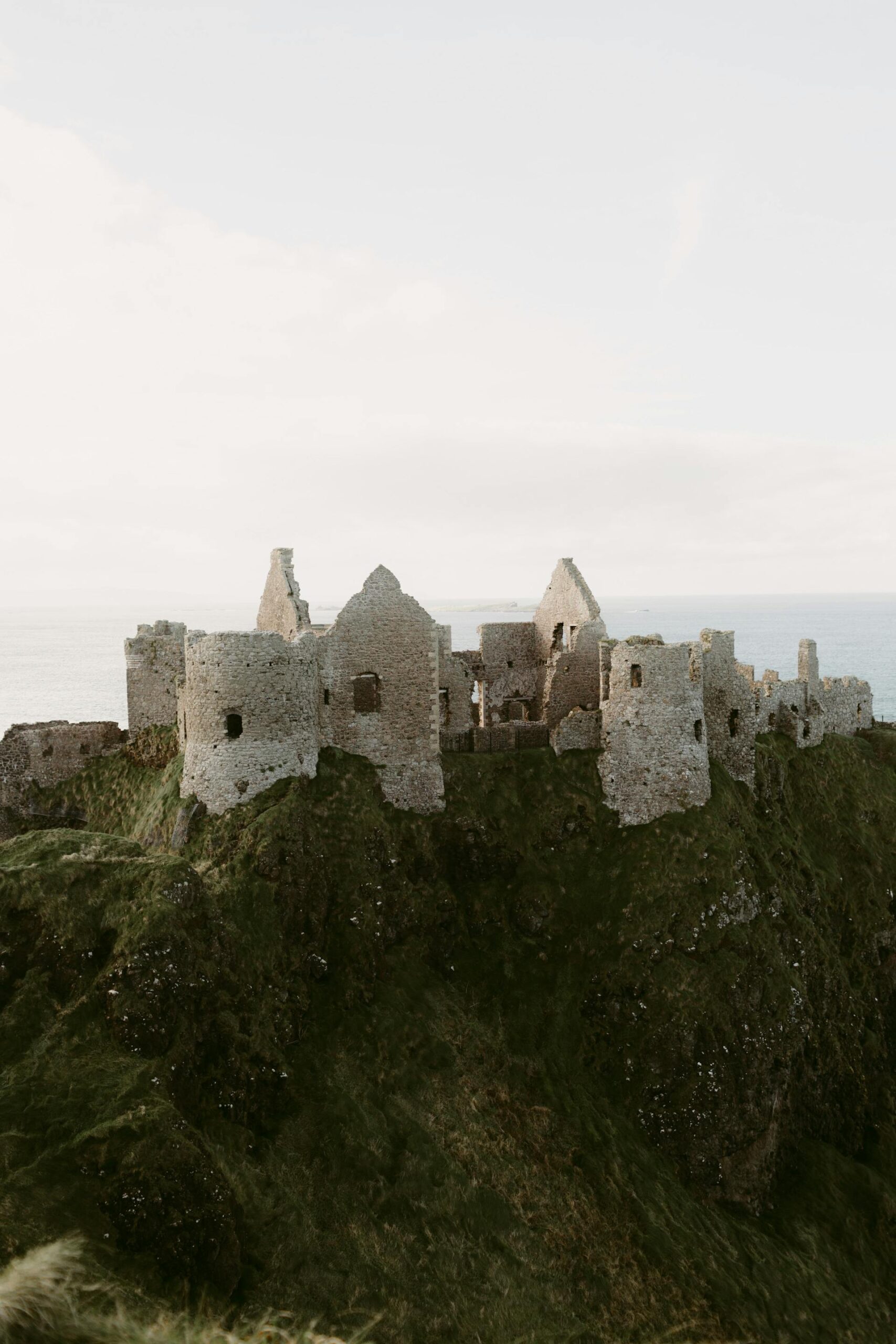
In the 13th century, Cathars—a Christian sect the Catholic Church declared heretical—fled to the Pyrenees and built fortresses on peaks so remote that besieging them required hauling supplies up cliffs.

Montségur is the most famous. The final Cathar stronghold fell in 1244 after a ten-month siege. Two hundred Cathars were burned rather than recant. The castle ruins sit at 1,207 meters, accessible by a steep footpath that makes you understand the defensive logic—anyone attacking uphill arrives exhausted.

Quéribus and Puilaurens perch on similar peaks, their stone walls following the natural rock formations. These aren’t maintained tourist sites with gift shops and audio guides. They’re ruins you reach by hiking, often alone, where the isolation and difficulty of the location tells you more than any interpretive signage could.

We arrange these visits with historians who research the Albigensian Crusade—not tour guides reciting memorized scripts, but people who can explain the political and theological forces that turned this into a genocide, and why the Pyrenean landscape made resistance possible for as long as it lasted.

You’ll visit at times when tour groups aren’t there—early morning or late afternoon when the light rakes across the stones and you can hear the wind the way defenders would have heard it 800 years ago.

Winter: Skiing Without the Scene

The Pyrenees have 38 ski resorts. You haven’t heard of most of them, which is the point.

Grand Tourmalet, Font-Romeu, and Peyragudes offer the infrastructure—lifts, groomed runs, modern facilities—without the Courchevel crowds or prices. Snow quality is excellent, especially on north-facing slopes that hold powder longer. Pic du Midi offers freeride skiing with a cable car that accesses terrain most resorts wouldn’t allow.

But the real advantage is what happens after skiing. The Pyrenees have thermal springs—natural hot water rising from deep geology that humans have been soaking in since Roman times. Ax-les-Thermes, Cauterets, Barèges, Luchon—these are working spa towns, not luxury resorts.

You ski, you soak, you eat mountain food (garbure, cassoulet, slow-cooked lamb), and you’re in bed by 10 PM because you’re actually tired, not performing exhaustion for Instagram.

We arrange access to thermal baths that don’t appear in guidebooks—historic facilities, private pools, springs where locals go because they work, not because they’re glamorous.


Sunset view of french vineyard
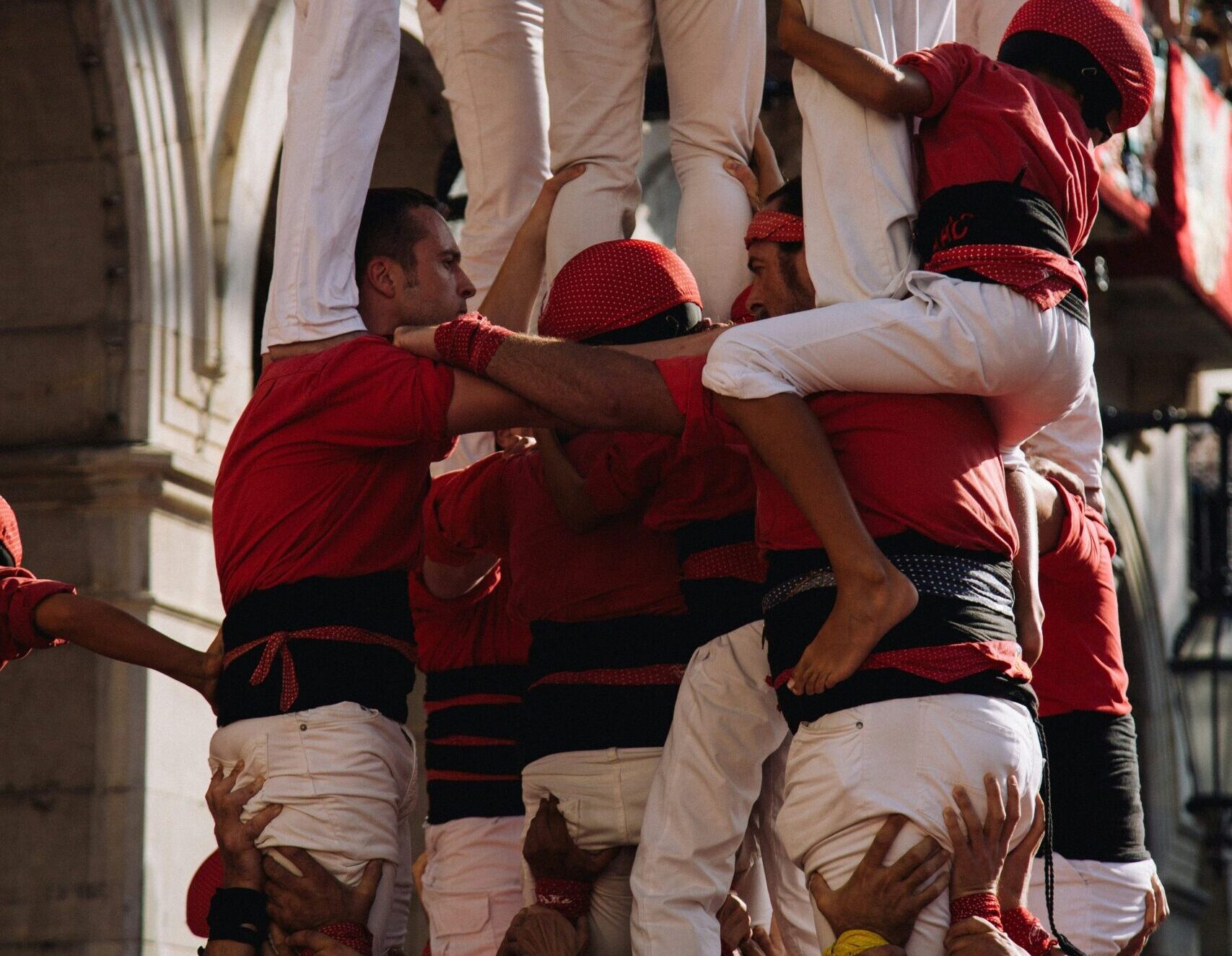
Human tower catalan tradition

When to Come, Where to Stay

September-October for vineyard harvest—estates active, caves less crowded, hiking weather stable before winter closes passes.

January-February for skiing—resorts open, thermal spas busy, mountain villages quiet.

April-May for wildflowers and cycling—trails reopening, cols clearing of snow, spring bottlings released.

June for high-altitude hiking—passes fully open, refuges operating, shepherds moving flocks to summer pastures.

Base yourself strategically:

Saint-Jean-Pied-de-Port for western Pyrenees and Basque influence—the town sits where the Camino de Santiago enters Spain, still functioning as a stop for pilgrims.

Cauterets or Saint-Lary-Soulan for central mountains—access to Gavarnie cirque, ski resorts, thermal spas, high passes.

Céret or Prades for eastern Pyrenees—Catalan culture, Canigou massif, Mediterranean influence visible in architecture and food.

Accommodations range from mountain refuges (stone huts at altitude, shared meals, basic but functional) to restored farmhouses in valleys, to small hotels in spa towns. Nothing flashy. Everything practical.

For an escape where adventure meets natural splendor, the Pyrenees offer a perfect blend of rugged beauty, exhilarating activities, and rich biodiversity. Hike through dramatic valleys, cycle legendary mountain passes, or spot rare wildlife in the Pyrenees National Park—then let us craft your ideal journey.

Do you want to know more about another french region ?

Visit the Pyrenees: Reconnect with Nature & Embrace the Adventure

Visit the Pyrenees: Reconnect with Nature & Embrace the Adventure

The french alps, amazing ski resorts & wildlife,
The majesty of the mountains
Visit the french Alps
Visit the Pyrenees: Reconnect with Nature & Embrace the Adventure

Alsace, Wine, history & splendid nature,

The oldest wine route in France

Visit Alsace

Visit the Pyrenees: Reconnect with Nature & Embrace the Adventure

Basque Country, Wild coastline, tradition and gastronomy,

The oldest region with richest culture
Visit Basque Country

Visit the Pyrenees: Reconnect with Nature & Embrace the Adventure

Bordeaux, Wine, art and gastronomy await

An Epicurian way of living

Visit Bordeaux

Visit the Pyrenees: Reconnect with Nature & Embrace the Adventure

Brittany, Sea side, culture & sellfish,

A cheerful welcoming in the wildest area

Visit Brittany

Visit the Pyrenees: Reconnect with Nature & Embrace the Adventure

Burgundy, Superb Wines, picturesque landscape, cultural heritage

Jealously guarded traditions to discover
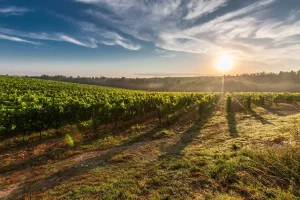
Visit Burgundy

Visit the Pyrenees: Reconnect with Nature & Embrace the Adventure

Champagne, Festive treats, impressive cellars, moving history

Sophisticated traditions and rich heritage
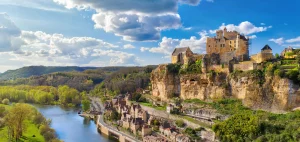
Visit Champagne

Visit the Pyrenees: Reconnect with Nature & Embrace the Adventure

Dordogne & Périgord, Castles, Gastronomy and Prehistoric sites

The medieval beauty and iconic food
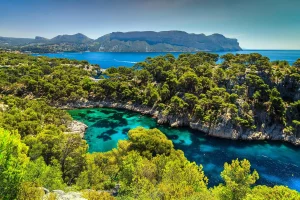
Visit Dordogne

Visit the Pyrenees: Reconnect with Nature & Embrace the Adventure

French Riviera & Provence, Come and Enjoy the French way of life !

The best remedy against stress
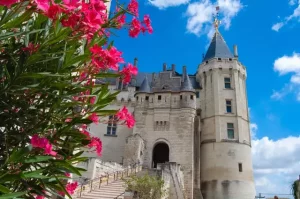
Visit Provence

Visit the Pyrenees: Reconnect with Nature & Embrace the Adventure

The Loire Valley, Castles, culture, wildlife & wine

Ancient villages and charm

Visit Loire Valley

Visit the Pyrenees: Reconnect with Nature & Embrace the Adventure

Visit Lyon & the Rhone Valley, a foodies’paradise, superb wines, a rich heritage

Underappreciated and very special
Visit Lyon and Loire Valley

Visit the Pyrenees: Reconnect with Nature & Embrace the Adventure

Normandy, Mont Saint Michel & Historic Sites

Centuries of tradition and culture

Visit Normandy

Visit the Pyrenees: Reconnect with Nature & Embrace the Adventure

Occitanie, Gastronomic heritage, mystical history, extraordinary nature

An array of picturesque views
Visit Occitany

Visit the Pyrenees: Reconnect with Nature & Embrace the Adventure

Paris, Culture, luxury, history & fine food

The City of Light

Visit Paris

Visit the Pyrenees: Reconnect with Nature & Embrace the Adventure

The Pyrenees, reconnect with Mother Nature

Nature and food delight

Visit the Pyrenees

Scroll to Top

Ready for the journey of a lifetime ? Connect with us

Unlock Your Bespoke Journey

Welcome to the first step of a travel experience like no other. Enter your email to explore exclusive insights into our personalized approach, tailored pricing, and to begin crafting a journey that’s as unique as you are.


Rest assured, your email remains private and will solely be used to elevate your luxury travel journey with us.