Visit Paris, Culture, luxury, history & fine food
Paris: the capital of taste, ideas, and beauty
Paris doesn’t just preserve culture. It lives through it. This is a city where the act of dining is philosophy, where art criticism happens in cafés, where fashion is argument. The Eiffel Tower draws millions, but what distinguishes the discerning traveler is understanding something deeper: Parisians have institutionalized the practice of paying attention itself.
For someone who’s already seen the museums and walked the celebrated boulevards, the real experience lies elsewhere. It’s not in collecting landmarks but in grasping how this city thinks. Why a Parisian dresses a certain way isn’t about trends. It’s a position. Why a meal matters isn’t about ingredients. It’s about philosophy. Why the art institutions remain vital isn’t nostalgia. It’s that they’re still arguing about what excellence means.
Over a millennium, Paris has shaped how the Western world thinks about beauty, food, art, and style. From the Enlightenment salons where Voltaire debated philosophy to today’s Michelin kitchens where chefs conduct arguments through technique, this city operates under inherited assumptions about craft and rigor that remain rare elsewhere. Discovering Paris through this lens, through the eyes of people who live the culture rather than perform it, is where the real distinction emerges.
To truly understand these nuances, we invite you to embark on a bespoke French Odyssey designed for the discerning traveler.
92
Michelin starred restaurant
206
Museums
400+
Fashion show per year
58
Historical monuments
Visit Paris
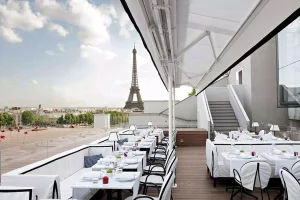
From the terrace of a suite overlooking Paris, it’s easy to understand why this city has captivated hearts and imaginations worldwide. Landmarks like the Eiffel Tower and Sacré-Cœur rise majestically over the city, while grand boulevards such as the Champs Elysées lead to elegant boutiques on rue du Faubourg St-Honoré and Place Vendôme, each embodying the spirit of Paris. The Louvre and the Palace of Versailles stand as pillars of culture, drawing visitors into the depths of art and history, while nearby, chic enclaves like rue Cambon are home to the luxury and innovation that define Parisian style.
Yet beyond these celebrated sites, Paris reveals a mosaic of neighborhoods, each with its own charm, unique architecture, hidden art, and culinary treasures that invite you to embrace life as Parisians do. If there’s one thing Parisians know, it’s how to live well, savoring every moment in a city that is as layered as it is captivating. Paris is an experience to be savored, where beauty, art, and indulgence are forever in style. Revered for its unmatched art de vivre, Paris never ceases to inspire. It’s a city of boundless energy and elegance, with something new and enticing around every corner: perhaps a stunning exhibit, a hidden jazz bar, a bustling market, a quirky rooftop cocktail bar, or a new gastronomic sensation that has the city talking. Paris is an experience to be savored, where beauty, art, and indulgence are forever in style.
How Paris Made Culture Democratic
Paris has long grappled with a singular question: how do you preserve excellence while making it accessible? The answer shapes everything you’ll encounter here.
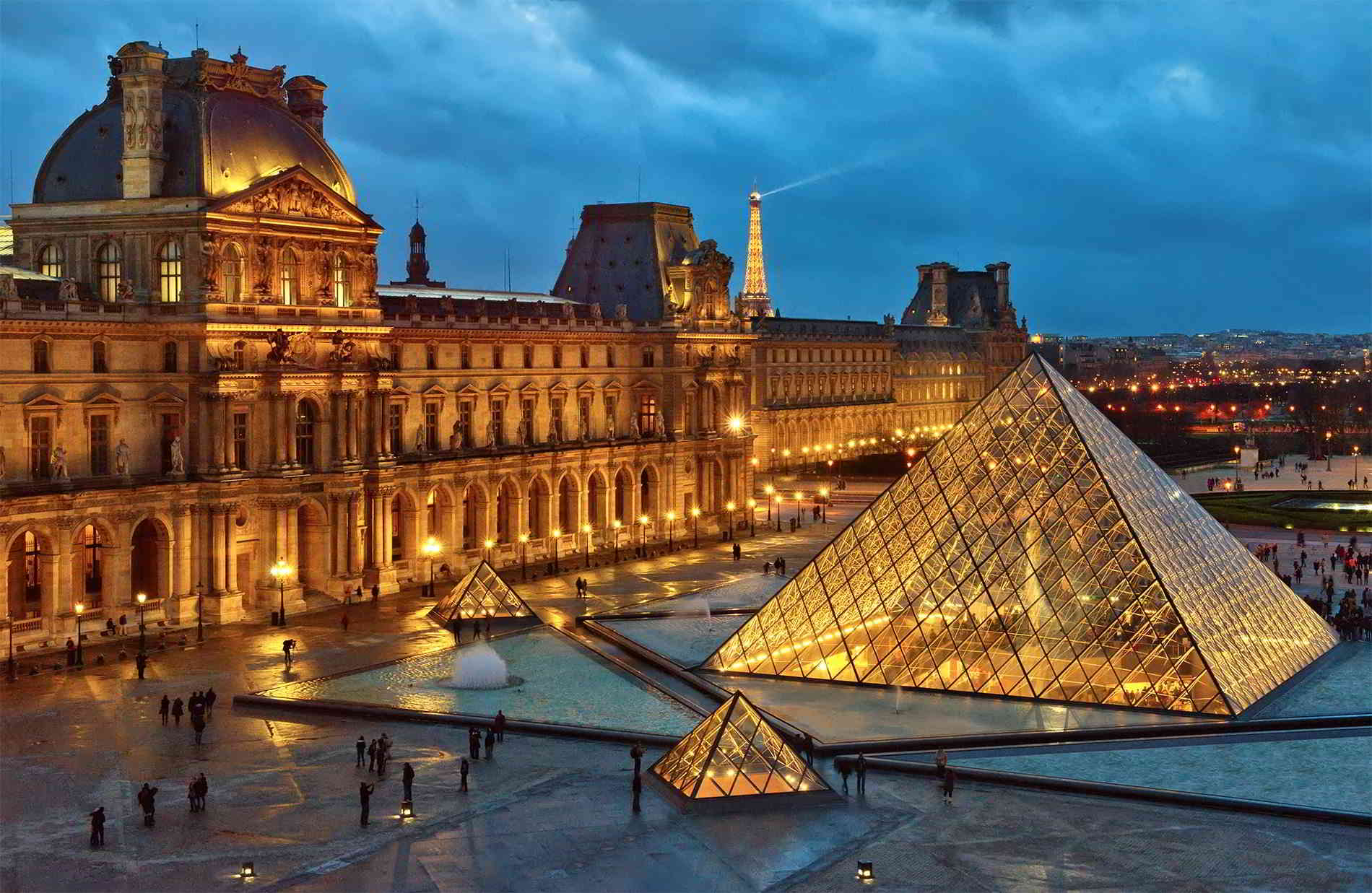
When the Louvre opened to the public in 1793, it wasn’t just opening doors. It was declaring that art belonged to everyone. That philosophy remains alive today. The city hosts over 200 museums and cultural institutions, each operating under the assumption that serious work should be encountered directly, not filtered through gatekeepers. The Musée d’Orsay doesn’t present Impressionism as history. It presents it as a conversation still unfolding. The Petit Palais, Fondation Louis Vuitton, Centre Pompidou. Each maintains this same rigor about what culture should do: challenge, inspire, and refuse easy answers.
What distinguishes serious visitors from those following guidebooks is understanding this: Paris’s cultural institutions aren’t museums of dead things. They’re laboratories. The institutions themselves, from intimate galleries in the Marais to the sprawling Louvre, exist to support an ongoing argument about excellence.
For those seeking deeper encounters, the city offers something most visitors miss. Private tours of collections, after-hours access to galleries, conversations with curators and artists. These reveal how actively contested cultural life remains in Paris. At Hôtel Drouot, the city’s legendary auction house, rare masterpieces move through the market regularly, each sale a small cultural event where heritage passes between serious collectors. It’s possible to attend viewings, witness auctions, and occasionally acquire pieces that reflect both history and investment.
Beyond the famous institutions lie hidden cultural gems: smaller collections organized around single artists or movements, independent galleries in Saint-Germain and the Marais, antiquarian bookshops where first editions still surface, and studios where contemporary artists work openly to serious visitors. These aren’t tourist attractions. They’re where Parisian culture actually happens.
Food as Cultural Argument in Paris
Just as Parisians debate art and literature in their salons, they conduct serious philosophical discussion through food. This isn’t sentimentality. It’s structural.
Paris ranks third globally in Michelin-starred restaurants, with 92 establishments ranging from intimate bistros to palace hotel dining rooms. But the numbers miss the point. What matters is understanding that when you sit at a serious chef’s table in Paris, you’re encountering not just refined technique but a position on what food should be. A Michelin kitchen here operates under inherited assumptions about craft, ingredients, and the purpose of pleasure that don’t exist the same way elsewhere. Food culture in Paris is taken as seriously as painting or literature.
The restaurants worth your time fall into clear categories, each representing a different Parisian cultural position:
The Institutional Keepers (Le Meurice, Jules Verne, classical haute cuisine kitchens): These aren’t nostalgia plays. They’re maintaining standards that shaped how the world learned to cook. The technique here is reference material. If you want to understand what French technique actually means, this is where you encounter it executed with no compromise. Dining here isn’t entertainment; it’s education.
The Arguments (emerging Michelin chefs, innovative restaurants): These kitchens are actively debating what French cooking should become. They might incorporate international influences, challenge classical assumptions about ingredients or preparation, or pursue radical simplicity. This is where innovation happens seriously, where the conversation about cuisine’s future is actively occurring.
The Everyday Philosophy (neighborhood bistros, wine bars, casual restaurants): Here, the same rigor applies to simpler food. A bistro in the 11th arrondissement where the chef has cooked the same dishes for 20 years is conducting the same kind of argument as a Michelin kitchen. Just about different questions. This is where Parisians actually eat, and it reveals how deeply craft is embedded in daily life.
For the wine enthusiast, Paris offers exclusive tastings at prestigious locations: intimate cellars beneath historic estates, hidden rooms in Michelin restaurants, and private collections rarely shown publicly. These experiences reveal not just the wines themselves but the philosophical approach Parisians take toward terroir, aging, and the relationship between food and wine.
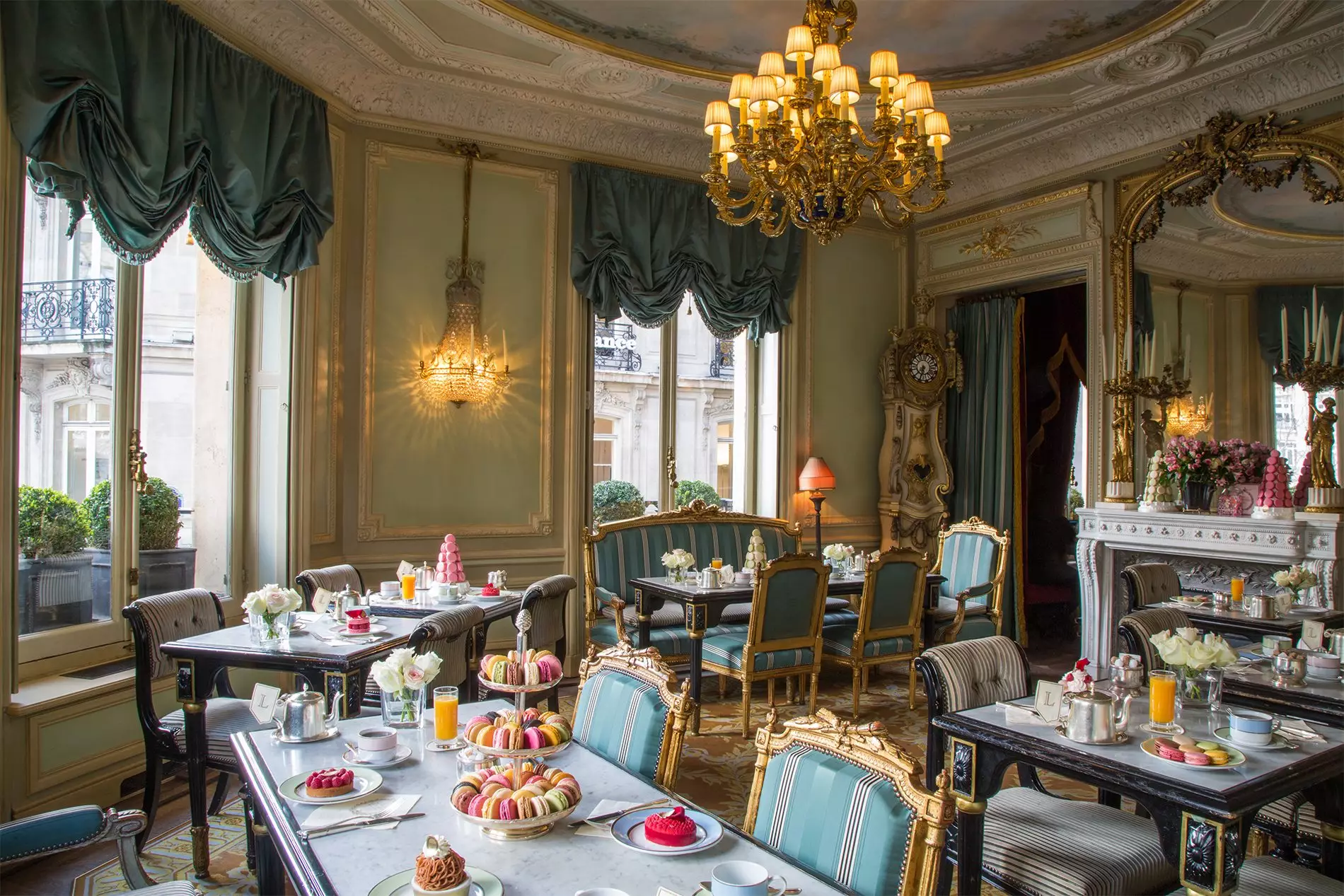
Begin your day with coffee at Grands Crus Verlet, a café that takes coffee with the same seriousness most cities reserve for wine. A Parisian lunch at Café Procope or the Belle Époque beauty of Bouillon Chartier reveals how daily dining is treated as an art form. A macaron from Pierre Hermé or Ladurée shows how pastry-making remains serious craft. High tea at the Ritz or hot chocolate at Angelina aren’t indulgences. They’re encounters with traditions maintained with genuine rigor.
In Paris, every meal and sip is an invitation to discover the philosophy of French gastronomy, a never-ending conversation about what excellence means, conducted across centuries.

Why Paris Doesn’t Follow Fashion. It Thinks Through It
Fashion in Paris operates under an assumption most cities abandoned: that clothes are a form of argument. When Chanel declared that a woman should be able to move, that wasn’t design. That was philosophy. When Dior returned to constructed silhouettes, that was a position on femininity and power. When Yves Saint Laurent introduced “Le Smoking,” he was making a statement about gender and authority.
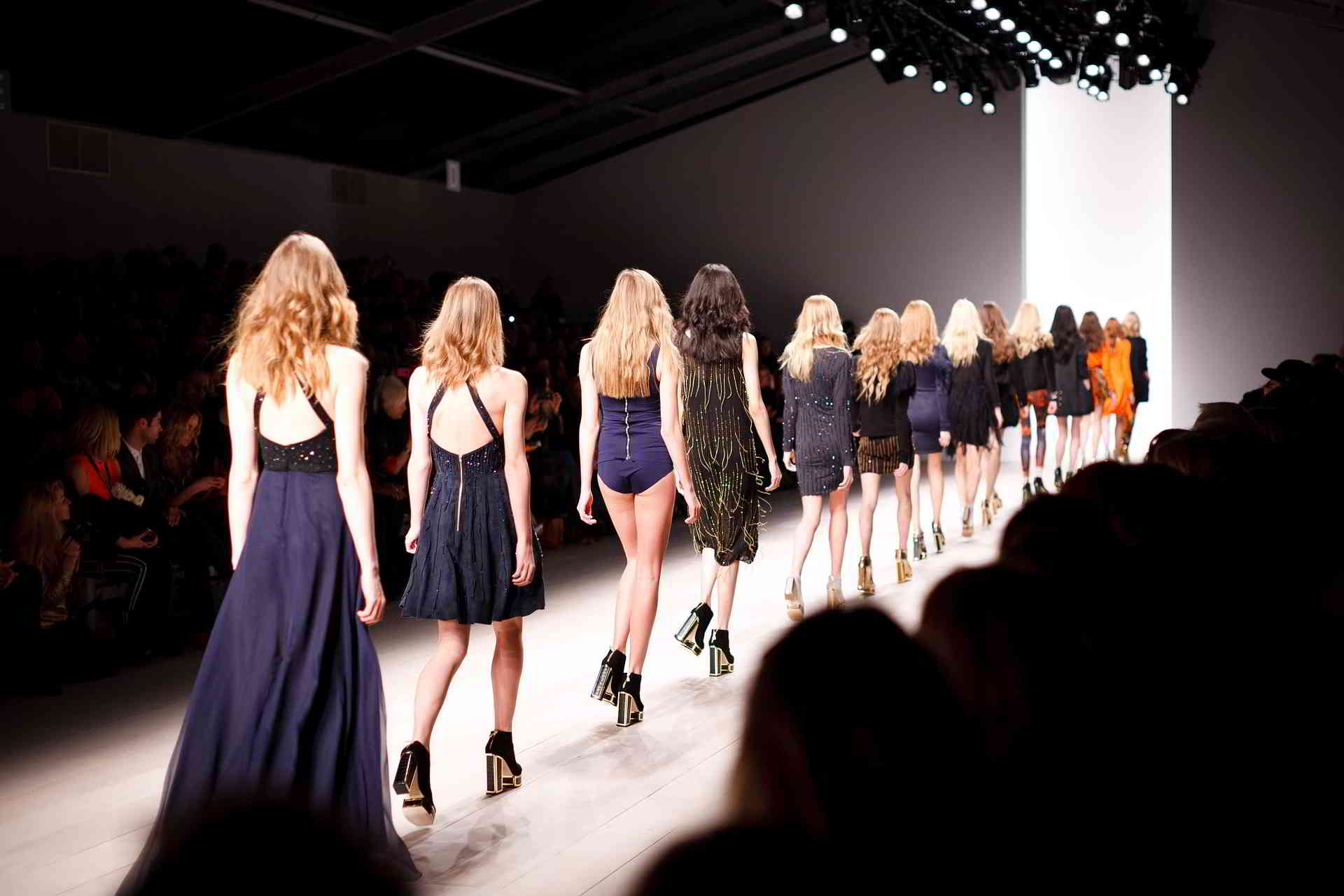
The haute couture houses operate as research institutions disguised as boutiques. With over 400 fashion shows annually, Paris remains the epicenter where these arguments play out. A Dior atelier isn’t a factory; it’s a laboratory where ideas about beauty are tested, refined, and communicated to the world. For those with access, attending fittings or ateliers reveals this explicitly. The conversations that happen aren’t about sales. They’re about craft and vision.
You can experience this directly through Paris Fashion Week if timing allows, or through private access to ateliers and showrooms, an invitation to witness haute couture at its most serious. The major houses (Hermès, Cartier, Guerlain, and their peers) operate flagships on Avenue Montaigne, Place Vendôme, rue du Faubourg St-Honoré, and rue Cambon. Not as stores but as statements.
But the real proof of Parisian fashion philosophy lives in the arrondissements where regular Parisians shop. The Marais, Rue Cambon, Saint-Germain-des-Prés, and the Quartier Montorgueil aren’t districts with good shopping. They’re districts where people dress as a form of thinking. Here, independent designers, niche Parisian perfumers (Serge Lutens, Maitre Parfumeur et Gantier), beauty institutes with genuine local renown (Nuxe, Escale Orientale), and specialist jewelers offering bespoke work operate without fanfare.
The difference between a Parisian getting dressed and anyone else is this: they’re making an argument, not following a trend. Once you understand this, fashion stops being about consumption and becomes a lens through which to see how seriously this city takes the practice of living well.
Paris After Dark: Culture in Motion
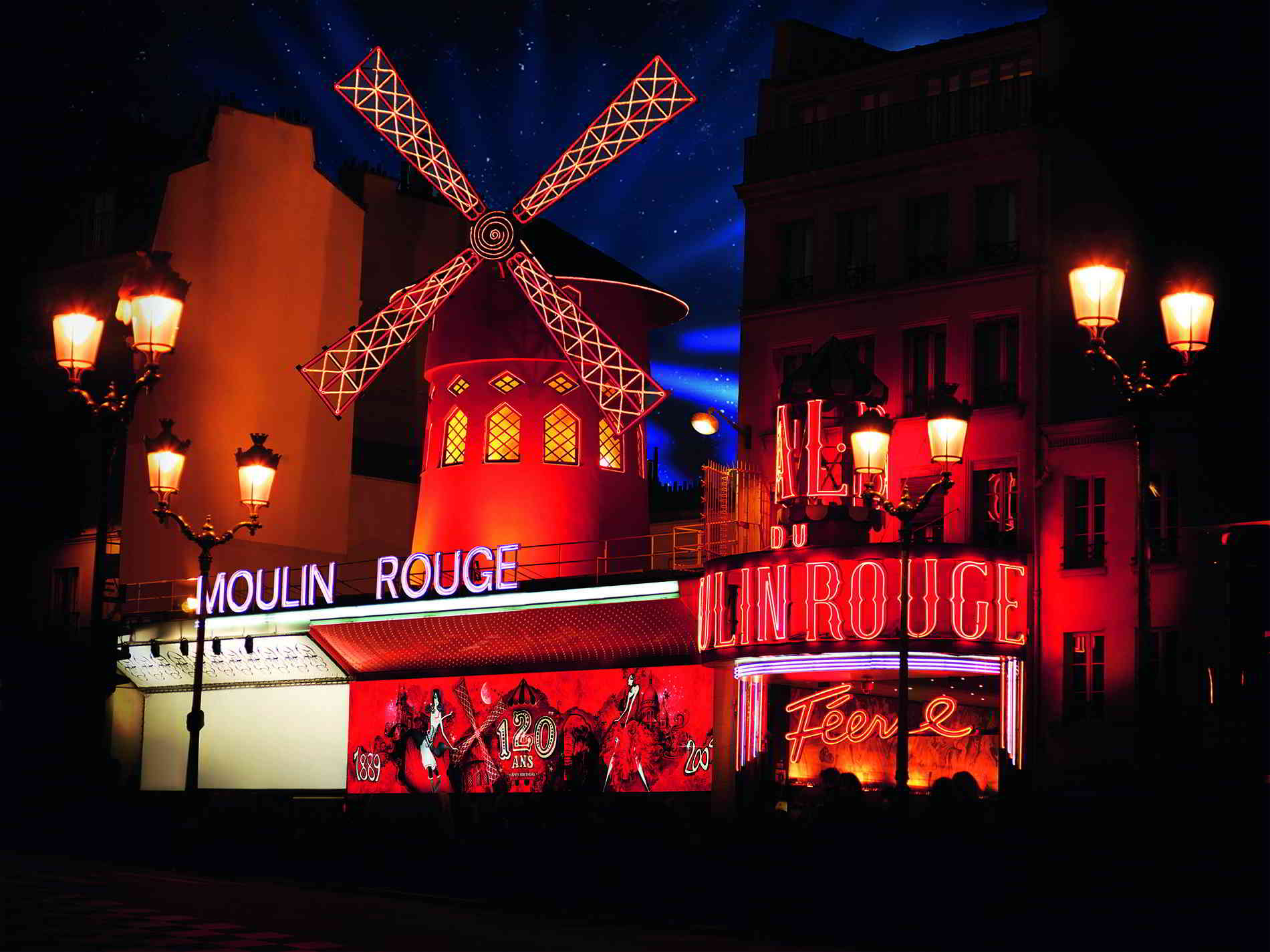
After sunset, Paris reveals yet another of its mesmerizing facets. An evening at the Palais Garnier (the original opera house, still operating) is not theater. It’s ritual. The architecture alone (red velvet, gold leaf, mirrors ascending into shadow) is argument about what beauty should do. A jazz performance in a historic cabaret in the Latin Quarter or a private concert at an intimate venue reveals another dimension of Parisian cultural life: the serious amateur tradition, where serious music happens in small rooms for people who came specifically to listen.
From exclusive private clubs to luxurious yacht dinners under the lights reflecting off the Seine, the evening offers different versions of Paris. Ultra-prestigious palace hotels, each with its own identity, offer more than accommodation. They’re cultural experiences themselves. The spas, Michelin-starred dining rooms, rooftop terraces overlooking the city. These are sanctums where the Parisian philosophy of living well is practiced at its most refined.
Why Walking Paris Matters More Than Visiting It
All the institutions listed above exist to support what actually makes Paris cultural: the practice of paying attention. This happens on foot, in the neighborhoods, in the deliberately slow movement through space.
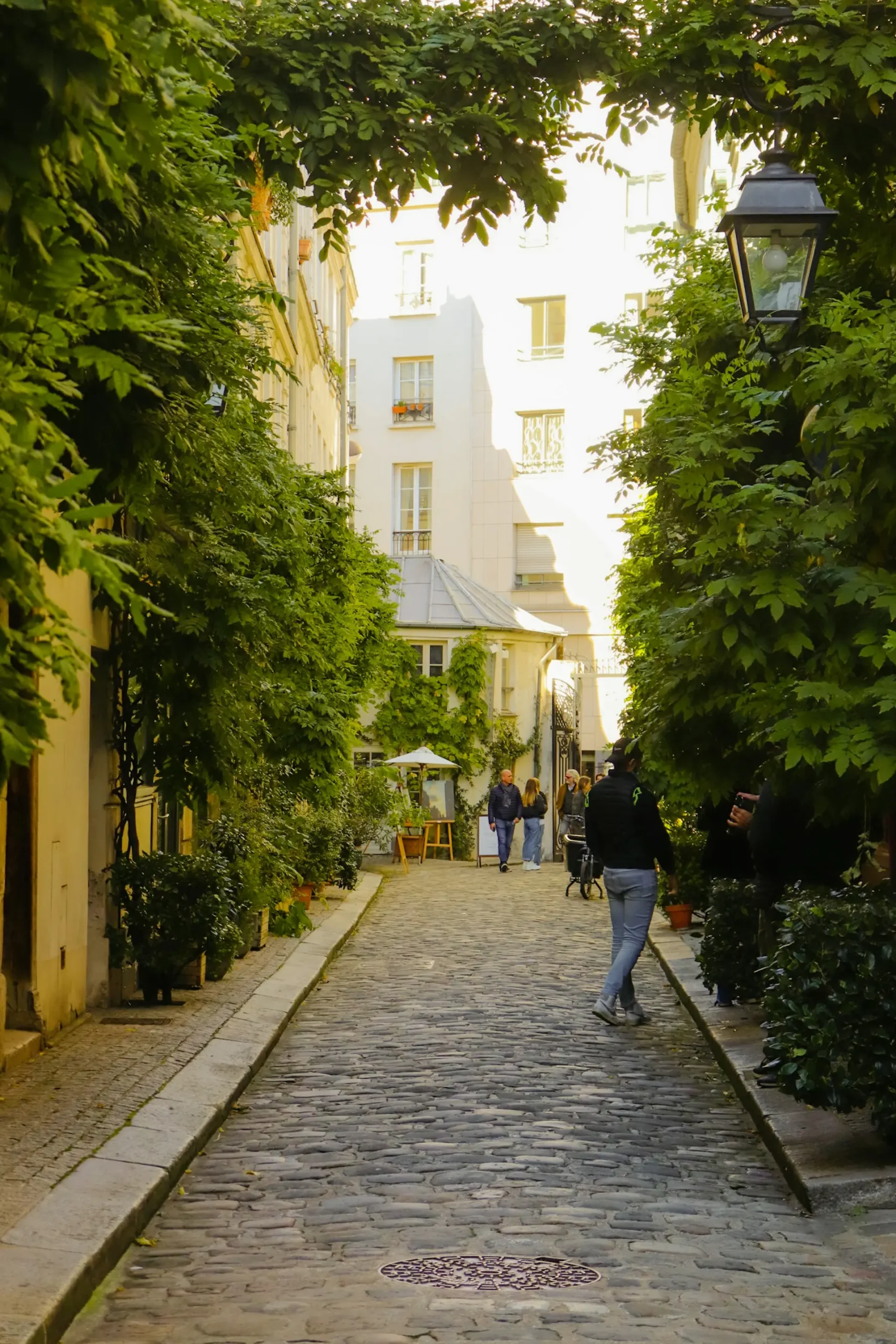
Paris is undoubtedly the city to explore by walking. Its enchanting hidden gardens, cobbled pedestrian streets, and river quays reward attention at every scale. The Seine River, dividing the city into right and left banks, provides the perfect path for leisurely exploration. Look upward whenever you can. You’ll be astounded by the intricate details on building facades and the graceful bridges connecting both sides. Each neighborhood feels like a village with its own distinct philosophy and charm: the bohemian energy of Montmartre, the aristocratic calm of Saint-Germain, the creative fervor of the Marais.
Canal Saint-Martin is painted by Impressionists for a reason: the light, the movement of water, the way crowds naturally slow here. Jardin du Luxembourg is where Parisians sit not to escape Paris but to participate in the practice of unhurried observation. Rue Vignoles, quiet and lined with independent shops, reveals neighborhood life as Parisians actually live it. The banks of the Seine still hold the traditional booksellers’ green metal stands. A living archive of how this city treats the past.
When a Parisian sits in a garden, they’re not taking a break from cultural life. They’re participating in it. The quality of observation, the pace, the attention to detail. This is the actual cultural practice that the museums and restaurants support.
Medieval Île de la Cité reveals history layered through centuries. The Marais shows how architecture evolves through power and taste. The Jewish quarter’s streets and revolutionary heritage sites tell another layer. Art Deco treasures in the chic 16th arrondissement show how even residential districts maintain standards of beauty. From Trocadéro, the Eiffel Tower appears not as icon but as geometry. A lesson in how Parisians see their own famous things.
In this city, beauty and wonder are never out of reach, but only if you’re willing to walk toward them slowly, with attention.
Your Paris Awaits
Whatever your interests, the Paris that reveals itself is the one you’re equipped to see. For those seeking culture that’s still actively contested, living, and serious, where excellence isn’t nostalgia but an ongoing argument, Paris remains unmatched.
We’ll take you to places that locals defend carefully, behind the postcard facade. We’ll introduce you to people who can explain not just what is happening in Paris, but why it matters. We’ll slow you down enough to encounter the city as something more than a collection of monuments.
After all, when you really understand what makes Paris cultural, when you grasp that it’s a city of serious ideas and serious practice, not just beautiful surfaces, everything you see becomes deeper, richer, and far more memorable.
Parisian Savoir-Vivre: A Connoisseur’s Guide
What is the dress code for high-culture venues like the Opera or fine dining? +
While strict black tie is rare, the Parisian aesthetic relies on "underrated elegance." For venues like the Palais Garnier or 3-star Michelin dining, a dark suit or cocktail attire is the standard. The cultural rule is simple: casual wear (sneakers, sportswear) is viewed as a lack of respect for the venue and the occasion.
What are the unspoken rules of service in Michelin-starred restaurants? +
Service in Paris is a ritual, not a transaction. In fine dining, the staff will rarely interrupt your conversation to ask "how is everything?" as this is considered intrusive. To signal you need something, a subtle eye contact or slight raise of the hand is the correct etiquette. Patience is a form of politeness; the bill (l'addition) is never brought until requested.
Is there a specific etiquette for greeting in Paris? +
The most fundamental rule of Parisian culture is the greeting. Entering a boutique or beginning a conversation without a clear "Bonjour" (or "Bonsoir" after 6 PM) is a significant faux pas. It acknowledges the person before the transaction. Once this courtesy is established, switching to English is entirely acceptable.
How does tipping function in the luxury sector in Paris? +
Service is legally included in all bills (service compris). However, in the luxury sector, gratuity acts as a gesture of appreciation for exceptional care. For a private chauffeur or concierge, a discreet gratuity is common. In fine dining, leaving 5-10% is a standard acknowledgment of superior service, though not an obligation.
Do you want to know more about another french region ?

The french alps, amazing ski resorts & wildlife,
The majesty of the mountains
Visit the french Alps

Basque Country, Wild coastline, tradition and gastronomy,
The oldest region with richest culture

Burgundy, Superb Wines, picturesque landscape, cultural heritage
Jealously guarded traditions to discover

Champagne, Festive treats, impressive cellars, moving history
Sophisticated traditions and rich heritage

Dordogne & Périgord, Castles, Gastronomy and Prehistoric sites
The medieval beauty and iconic food

French Riviera & Provence, Come and Enjoy the French way of life !
The best remedy against stress

Visit Lyon & the Rhone Valley, a foodies’paradise, superb wines, a rich heritage
Underappreciated and very special

Occitanie, Gastronomic heritage, mystical history, extraordinary nature
An array of picturesque views