
Visit Alsace, Wine, history & splendid nature
The oldest wine route in France
Located in eastern France, the Alsace region winds through rolling hills and vineyard-covered slopes, whispering tales of medieval villages, half-timbered houses, and centuries-old winemaking traditions. When visiting Alsace, the scent of tarte flambée drifts from a cozy winstub, where locals gather to savor the rich flavors of their homeland. Nestled along the Rhine, this region of Alsace has long been a meeting point of cultures, where French and German influences intertwine in language, cuisine, and architecture. Nowhere is this fusion more striking than in Strasbourg, a city where Gothic spires rise above the river, timber-framed houses line the canals, and the European Parliament sits at the crossroads of history and modernity. Each season paints a new masterpiece: golden vineyards in autumn, snow-dusted rooftops at Christmas, and fragrant blossoms in spring. The festive air reaches its peak in December, when charming market chalets glow under twinkling lights, offering handcrafted treasures and warm glasses of mulled wine. Beyond its storybook landscapes, Alsace is a paradise for gourmets. Grand cru wines, aged Munster cheese, and the famous choucroute garnie tell of a culinary heritage that bridges cultures. The artistry extends beyond the plate—skilled craftsmen shape exquisite glassware, while historic châteaux invite privileged guests for bespoke stays. And yet, despite its elegance and prestige, Alsace remains an intimate escape not just for its landscapes or its gastronomy, but for the warmth of its people, whose generosity and love for their land turn every visit into a heartfelt encounter.
Alsace is one of France’s most refined regions for travelers who love wine, craftsmanship, and cultural depth.
Best explored slowly, it rewards those who prefer authenticity and quiet elegance over crowds.
450 years
The oldest christmas market
30
Medieval fortified castles
40+
Breweries
51
AOC Grand Crus
Alsace’s identity: between France, Germany, and Switzerland
Located on the border of Germany and Switzerland. It brings together French culture and values with those from German-speaking countries. Yet, history here is complex. The land has changed hands multiple times, shaped by shifting borders and fierce debates over identity. Nationalism has left its mark, with generations caught between allegiances, speaking a dialect influenced by both cultures, yet holding fiercely to their own traditions.
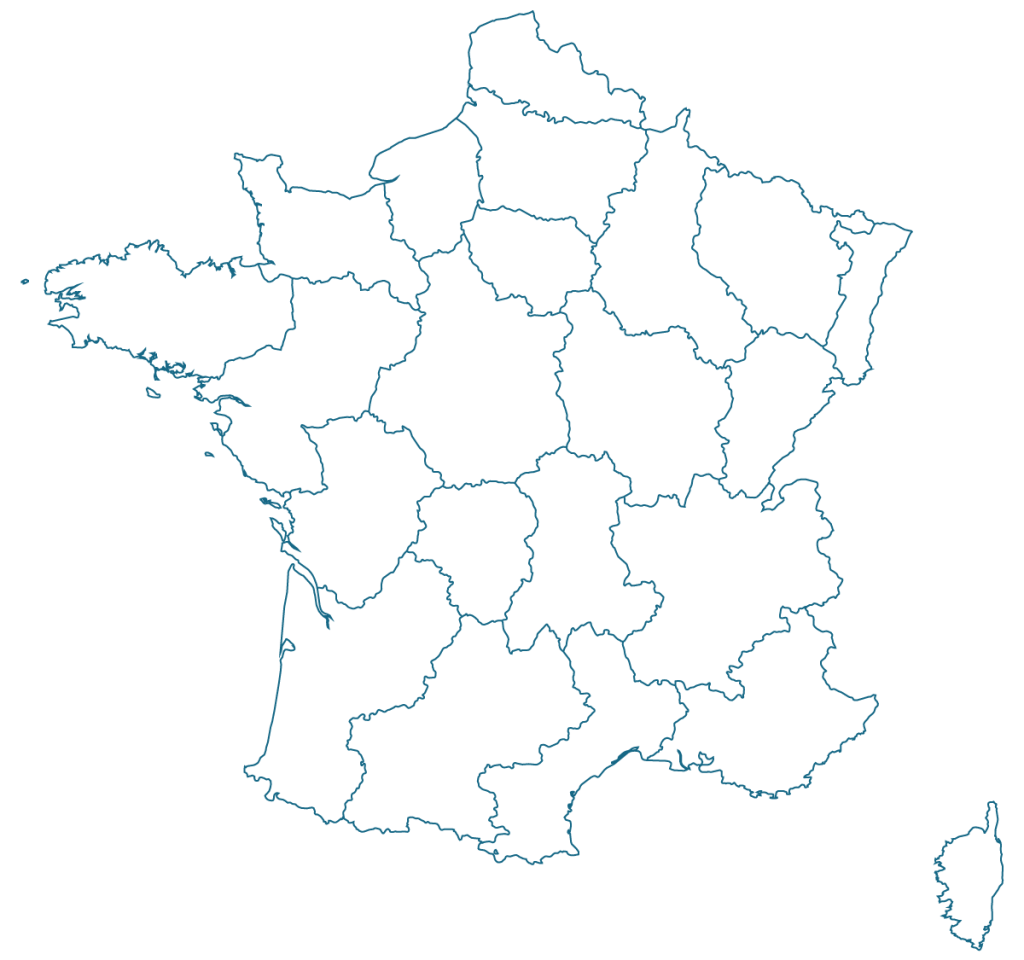
Alsace is one of the smallest regions of France, spanning approximately 170 km from north to south and between 30 to 50 km east to west. Located between the Rhine River and Vosges Mountains, the region nevertheless boasts diverse landscapes, from mountains and forests to vineyards, flooded fields, and the vast Rhine Valley. Alsace’s unique blend of influences has shaped a region that is both proudly French and deeply tied to its Germanic roots. For travelers visiting Alsace, this remarkable region offers an exceptional opportunity to experience its wines and discover its uniquely blended culture.
Vineyards, Terroir, and Timeless Winemaking in Alsace
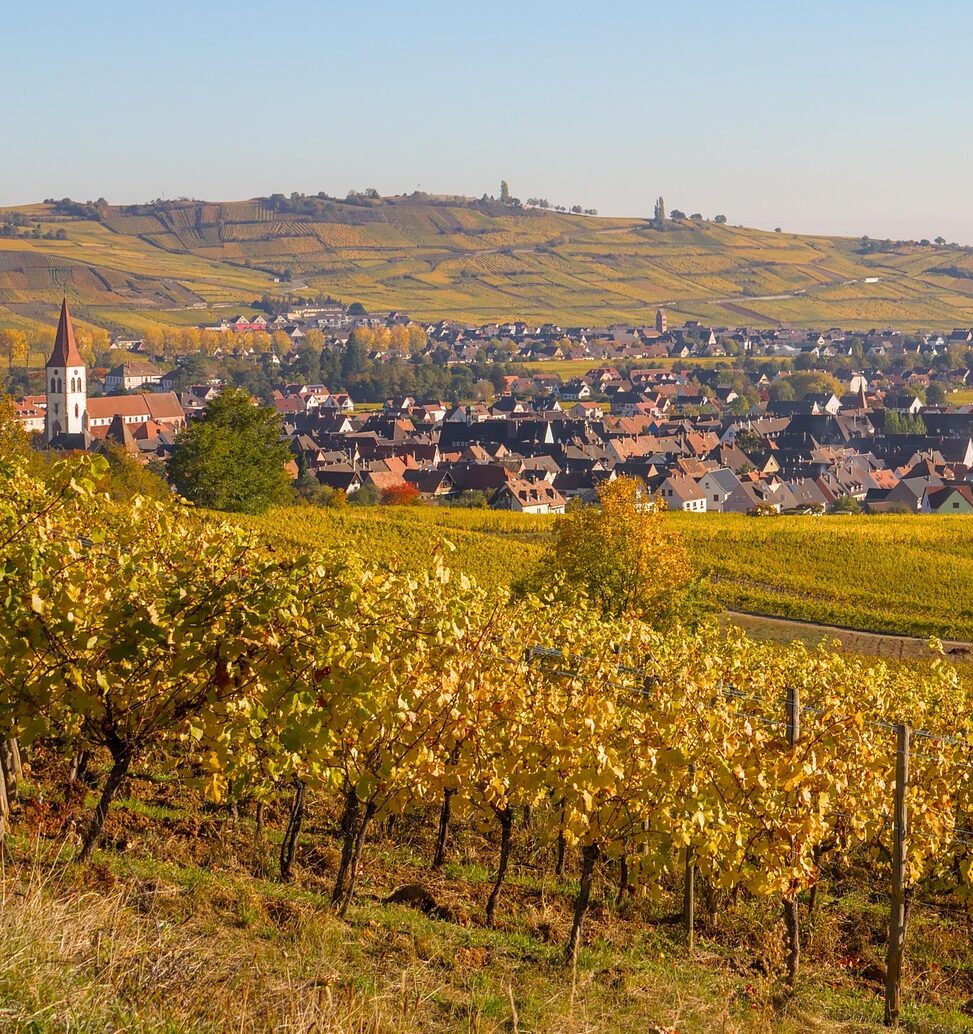
Alsace is a premier destination for discovering winemaking traditions and meeting local vintners. The Alsace Wine Route, stretching over 170 km between Strasbourg and Colmar, is one of France’s most renowned wine trails, passing through more than 70 wine-producing villages and numerous Grand Cru vineyards. The region’s winemaking heritage dates back to Roman times, with its terroir shaped by steep slopes, varied soil compositions, and a dry, sunny climate—ideal conditions for producing aromatic white wines.
The region is known for its seven key grape varieties, with Riesling, Gewürztraminer, Pinot Gris, and Sylvaner among the most prominent. Alsatian wines are predominantly monovarietal, and the AOC system classifies them into Alsace AOC, Alsace Grand Cru AOC, and Crémant d’Alsace AOC. The long, slender bottles, legally required for Alsace wines, are a distinctive feature reflecting regional traditions. Alsatian wines are predominantly monovarietal, unlike blended wines from Bordeaux or Champagne, where multiple grape varieties are often combined for complexity. Crémant d’Alsace, a sparkling wine made using the traditional method, shares similarities with Champagne, though the climate in Alsace is drier, resulting in a different expression of finesse and minerality.
Many Alsatian winemakers practice sustainable and biodynamic viticulture, focusing on slow fermentations in traditional oak foudres to enhance purity and complexity. The region is also known for late-harvest wines (Vendanges Tardives) and Selection de Grains Nobles, which offer rich, concentrated flavors under strict production rules. Along the Alsace Wine Route, private tastings provide insight into the diversity of styles, from crisp Rieslings to opulent Gewürztraminers, with both small family domaines and historic estates contributing to the region’s exceptional viticultural heritage.
What to eat in Alsace: winstubs, Michelin dining, and iconic dishes
Alsatian cuisine is a reflection of its rich cultural heritage, offering a unique mix of French refinement and German heartiness. Known for its generous portions and bold flavors, the region’s specialties highlight local ingredients, slow-cooked dishes, and a deep respect for tradition.
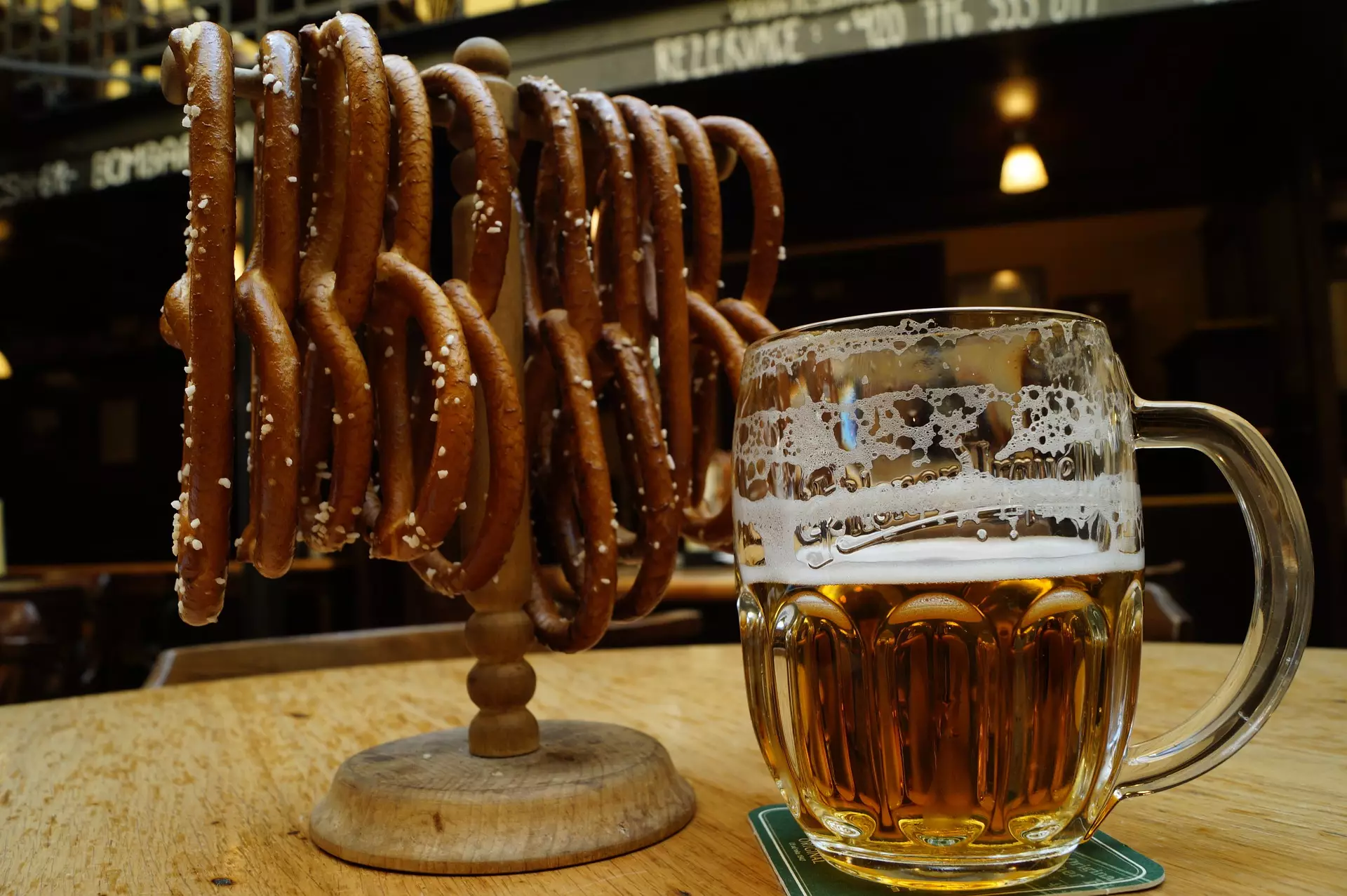
Choucroute garnie, a hearty dish of sauerkraut, sausages, smoked meats, and potatoes, is a staple of the region, often paired with Riesling. Baeckeoffe, a slow-cooked casserole of marinated meats and potatoes, showcases the tradition of communal cooking. Flammekueche (tarte flambée) is another classic, featuring a thin, crispy crust topped with crème fraîche, onions, and bacon. The region is also famous for its baking traditions, with kougelhopf, a brioche-like cake with almonds and raisins, and bredele, spiced Christmas cookies, being local favorites. Pretzels, a popular snack, reflect the area’s German influence and are often enjoyed with Alsatian beer, as the region has one of the oldest brewing traditions in France. Large breweries like Kronenbourg and Meteor coexist with a growing number of craft brewers, producing a variety of lagers, wheat beers, and amber ales.
Foie gras from Strasbourg, produced since the 17th century, is one of Alsace’s most prestigious delicacies, often paired with a glass of sweet Vendanges Tardives wine. The region is also home to Munster cheese, a soft, pungent variety from the Vosges, traditionally served with cumin and a dry white wine. Dining options in Alsace range from traditional winstubs, where rustic home-style dishes are served in a cozy setting, to artisan bakeries and local markets, offering freshly baked specialties, cheeses, and charcuterie. Whether enjoying a simple tarte flambée or an elaborate choucroute, Alsace’s cuisine remains a true expression of its culture, terroir, and centuries-old traditions.
Alsace Nature: A Scenic Escape
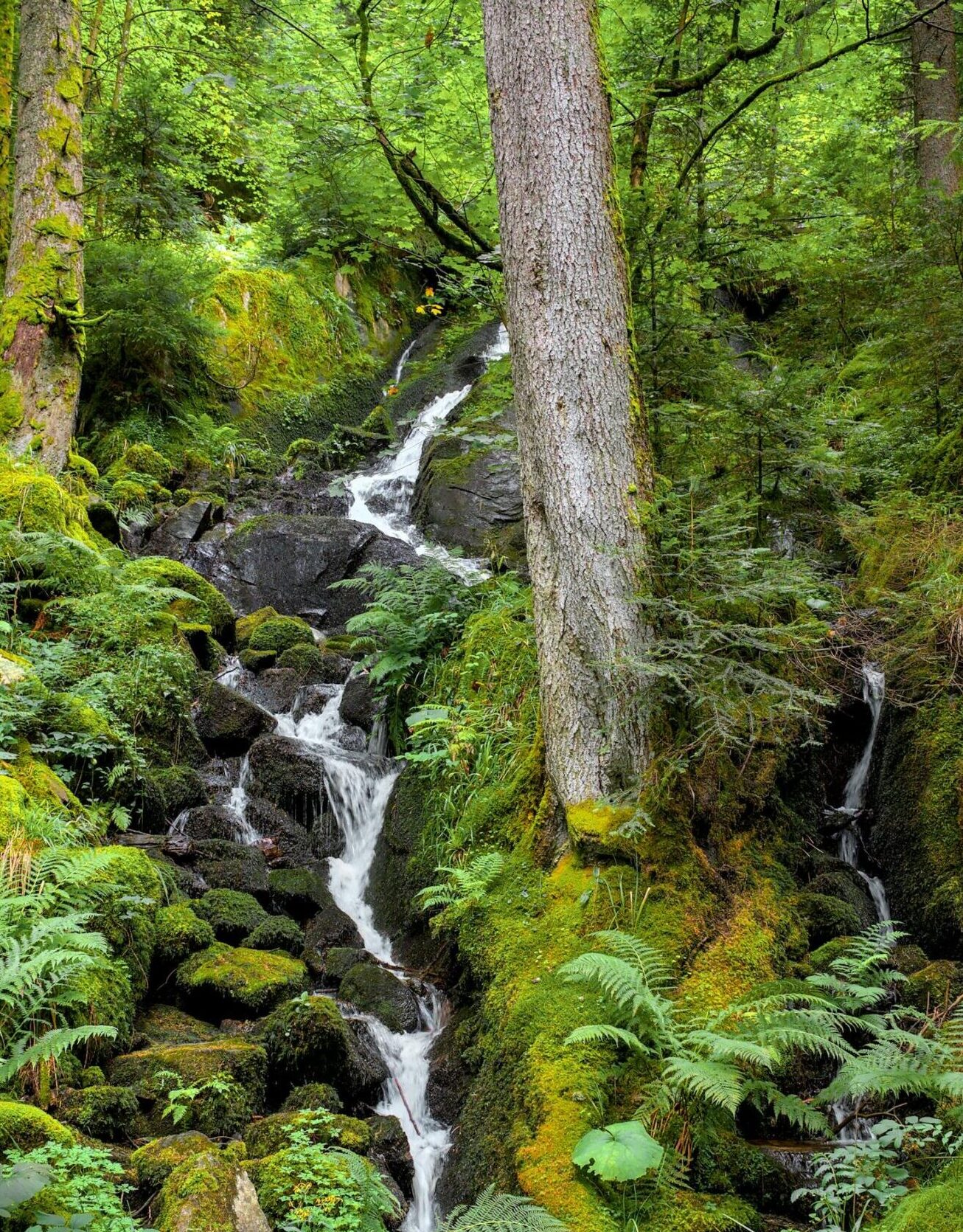
Alsace is renowned for its gastronomy and wine, but its diverse landscapes make it just as captivating for nature lovers. The region offers a unique blend of rolling vineyards, dense forests, dramatic mountain ridges, and serene lakes, creating a picturesque setting that shifts with the seasons. Beyond its quaint medieval towns and impressive castles, Alsace’s natural landscapes provide endless opportunities for exploration.
For outdoor enthusiasts, the Route des Crêtes is one of the most scenic drives in the Vosges Mountains. Stretching for more than 70 kilometers between Cernay and Sainte-Marie-aux-Mines, this panoramic ridge road offers sweeping views over wooded peaks, high mountain pastures, glacial lakes, and deep valleys. On clear days, the horizon opens toward the Alps and the Black Forest. Originally developed along a historic frontier, the route follows the crest line that once marked the boundary between Alsace and Lorraine.
The Munster Valley, nestled within the Vosges Mountains, is a paradise for hikers and cyclists, with trails winding through alpine meadows and dense woodlands where chamois, lynx, and birds of prey can occasionally be spotted. In the heart of this preserved landscape, traditional fermes-auberges serve rustic mountain fare, including the valley’s renowned Munster cheese. Alsace is also home to the Parc naturel régional des Ballons des Vosges, a vast protected area of forests, rivers, and high pastures that embodies the region’s deep connection to nature and seasonal rhythms.
Alsace Castles, Culture, and Christmas Traditions
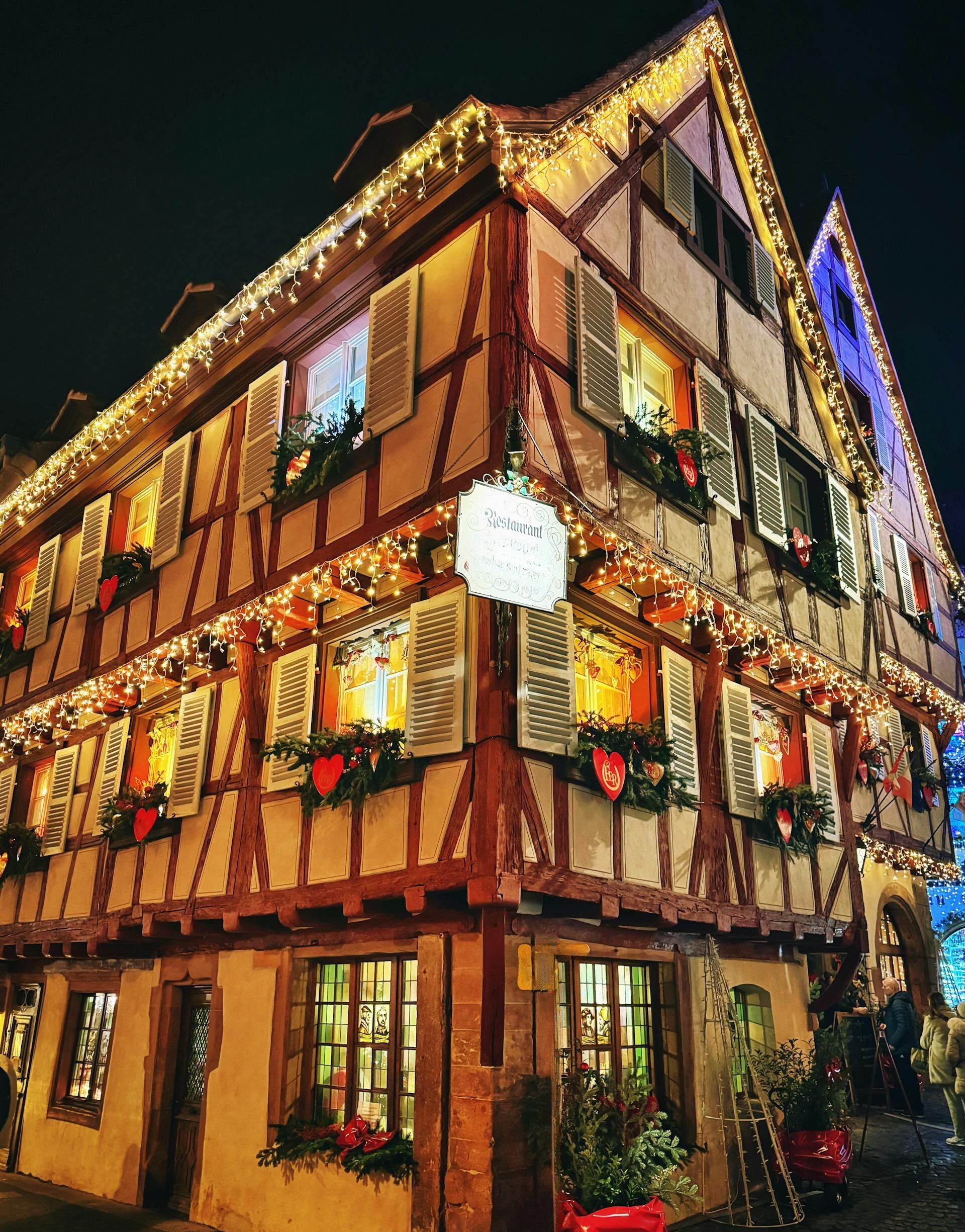
Alsace is a region rich in history, art, and architectural heritage, where centuries-old traditions remain deeply rooted. Across the region, picturesque villages like Riquewihr, Eguisheim, and Kaysersberg are lined with colorful half-timbered houses, adorned with wooden shutters and overflowing flower boxes in summer or twinkling lights in winter.
The Château du Haut-Koenigsbourg, standing high above the Alsatian plain, is one of France’s most striking medieval castles, offering panoramic views and a glimpse into medieval fortifications. Colmar’s Unterlinden Museum houses the famous Isenheim Altarpiece, a masterpiece of Renaissance art. In Strasbourg, the cathedral’s soaring spire and astronomical clock captivate visitors, while the Kammerzell House and the La Petite France district showcase the city’s half-timbered charm. The Abbey of Ebersmunster, a Baroque gem, adds to the region’s architectural wealth.
Alsace is also known for its vibrant traditions and welcoming people, where local dialect, folk festivals, and centuries-old craftsmanship remain part of daily life. The region truly comes alive in winter, when its Christmas markets, dating back to 1570, create a magical atmosphere. Strasbourg’s Christkindelsmärik, one of Europe’s oldest and largest, transforms the city with twinkling lights, festive stalls, and the scent of mulled wine and spices. From medieval castles to festive traditions, Alsace is a place where history and culture continue to thrive.
Outdoor Adventures in Alsace, All Year Round
Alsace’s diverse landscapes make it an ideal playground for outdoor enthusiasts. The Vosges Mountains offer a vast network of hiking and biking trails, winding through dense forests, rolling meadows, and panoramic ridges. The Route des Crêtes is a favorite for both cyclists and hikers, offering breathtaking views stretching to the Alps on clear days.
For a more relaxed experience, the Alsace Wine Route provides gentle cycling paths through vineyards and charming villages, while the Rhine Plain offers scenic routes along canals and riverbanks. Horse-drawn carriage rides through the vineyards and countryside also offer a peaceful and authentic way to take in the region’s beauty.
The EuroVelo 5 crosses the region, connecting Strasbourg to the wine country and beyond, making it a great option for long-distance cycling. Water activities such as kayaking on the Rhine or boat cruises through Strasbourg’s historic district allow visitors to experience the region from a different perspective.
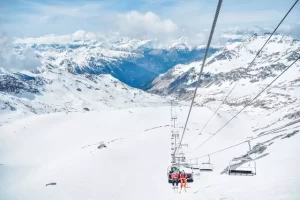
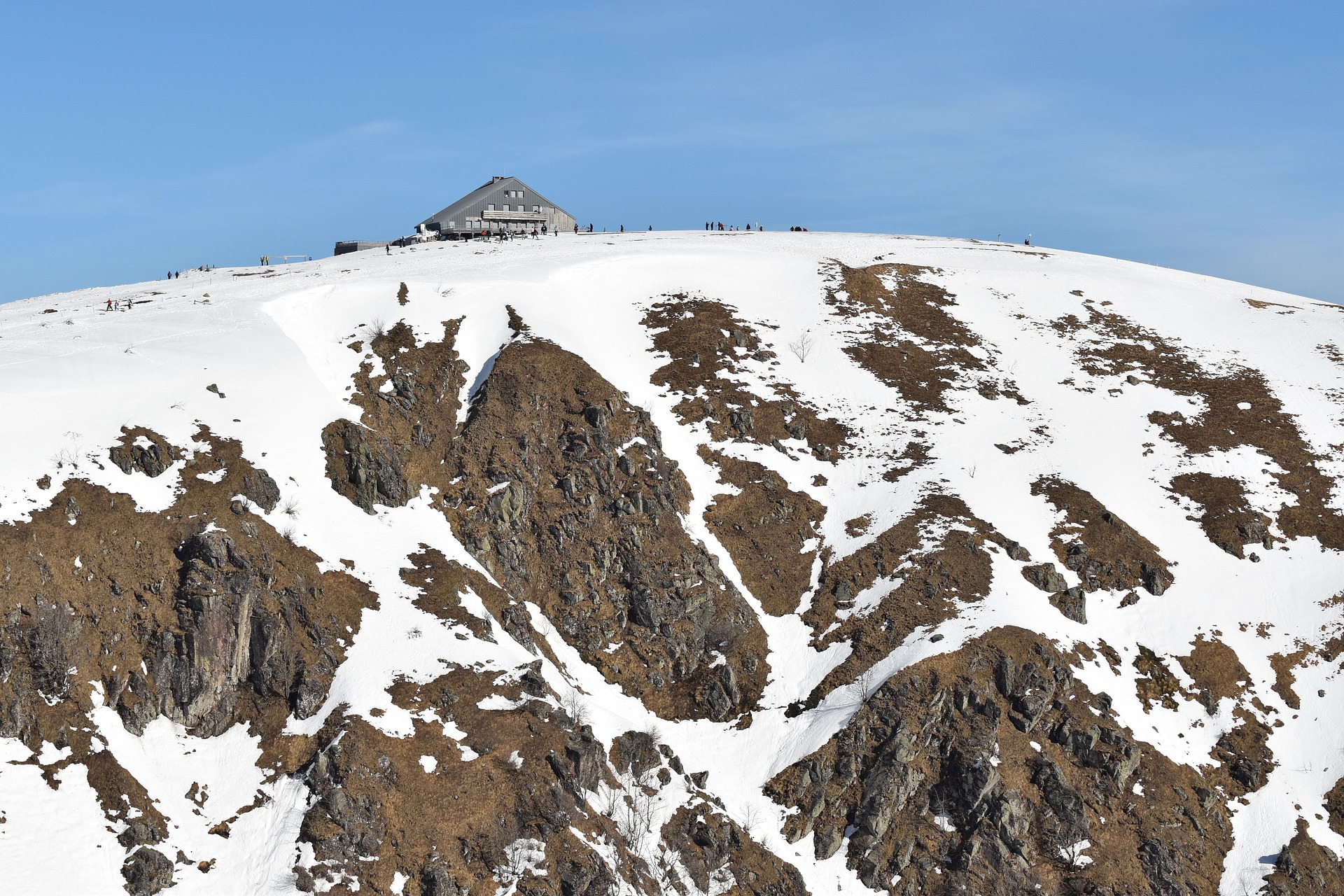
In winter, the Vosges ski resorts offer skiing, snowshoeing, and Dog sledding, with picturesque slopes perfect for both beginners and experienced skiers. Resorts like La Bresse, Le Lac Blanc, and Le Champ du Feu provide well-maintained pistes, cross-country trails, and family-friendly activities. Whether exploring on foot, by bike, or on the snow, Alsace offers a wide range of outdoor activities to suit every season.
From vineyards and medieval castles to scenic trails and festive markets, Alsace is a region of rich culture, stunning landscapes, and unforgettable experiences. Let yourself be captivated by Alsace’s timeless charm—your next unforgettable journey starts here.