
Visit the French Alps: Amazing Ski Resorts and Unique Wildlife
The majesty of the mountains
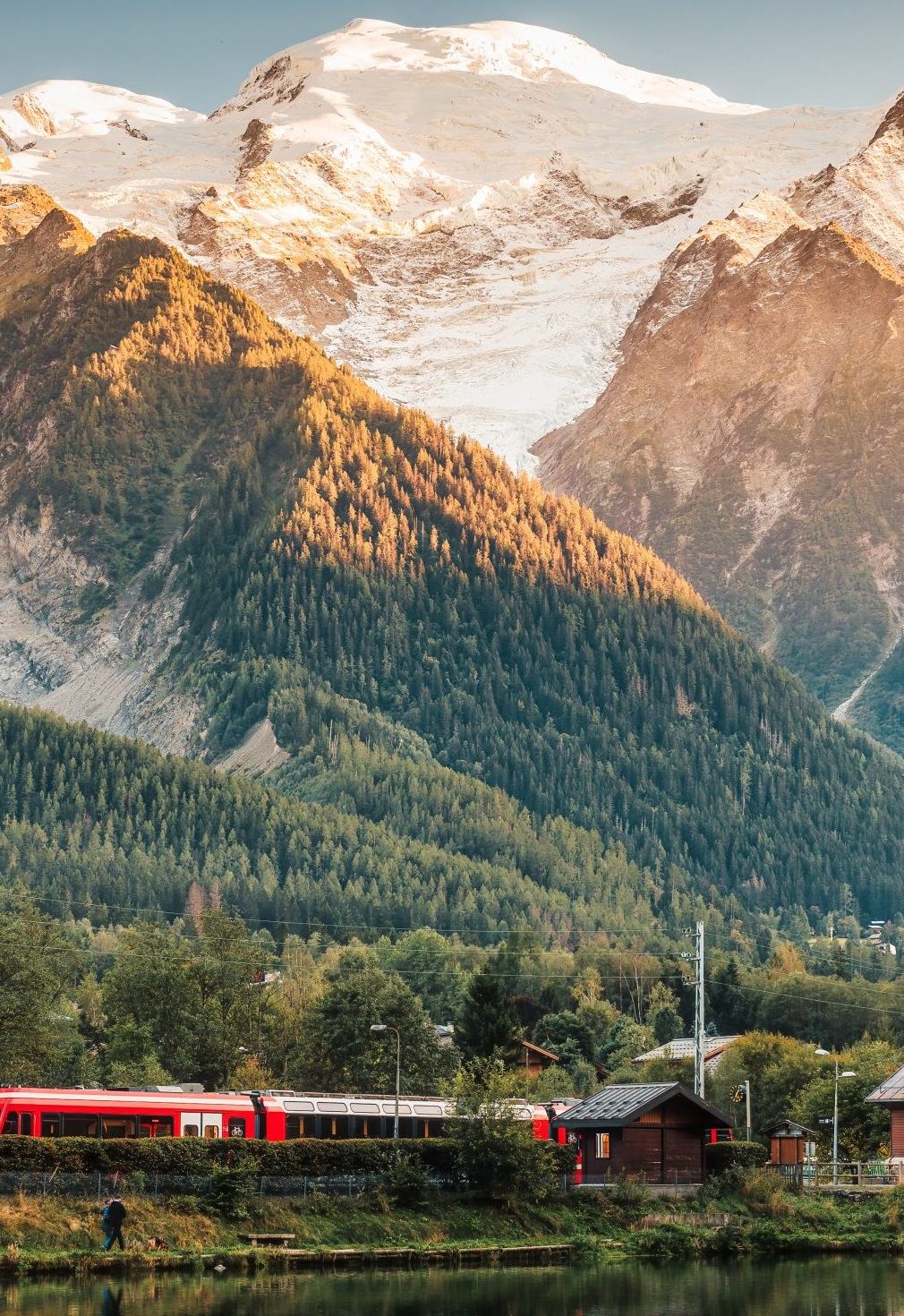
The French Alps are France’s most iconic mountain region for luxury ski resorts, alpine villages, and year-round outdoor beauty, they have been mapped, photographed, and written about for centuries. But there’s a difference between knowing Courchevel exists and knowing which chalet sits above the morning sun line, or which fromagerie in Beaufort still uses copper vats from 1890. We work with families who’ve run refuges for four generations, guides who grew up on these mountains, and chefs whose grandmothers taught them to make tartiflette the old way. Not because it’s exclusive, because it’s real.
4,808 m
Highest peak
2
Sky observatories
2500 kms
m2 surface
15
AOP/AOX cheeses
The Winter Standard: Powder & Prestige
The French Alps aren’t a secret, Courchevel and Chamonix have been on the luxury circuit for decades. But most people only see the version that’s been polished for international visitors: the five-star chalets, the heli-skiing, the Michelin restaurants with views. All of that exists, and it’s exceptional. But the Alps we know run deeper.
There are villages where the same families have farmed high pastures since before skiing was invented. Refuges at 2,400 meters where the guardian still makes bread in a wood-fired oven each morning. Valleys where the snow conditions are read not by apps but by men who’ve watched these mountains for 40 winters. The Alps have layers, geological, historical, human, and the longer you stay, the more they reveal.
Winter brings the obvious draw: some of Europe’s most challenging terrain, reliable snow from December through April, and après-ski culture that ranges from champagne on sun terraces to local wine in stone-walled taverns. But summer and fall open different possibilities. The same peaks that host world-class skiing become hiking routes through meadows thick with wildflowers, past glacial lakes, along trails that haven’t changed in centuries. Mountain biking, paragliding, or simply walking, at altitude, the air clears your head in ways sea-level life never does.
Skiing in The French Alps
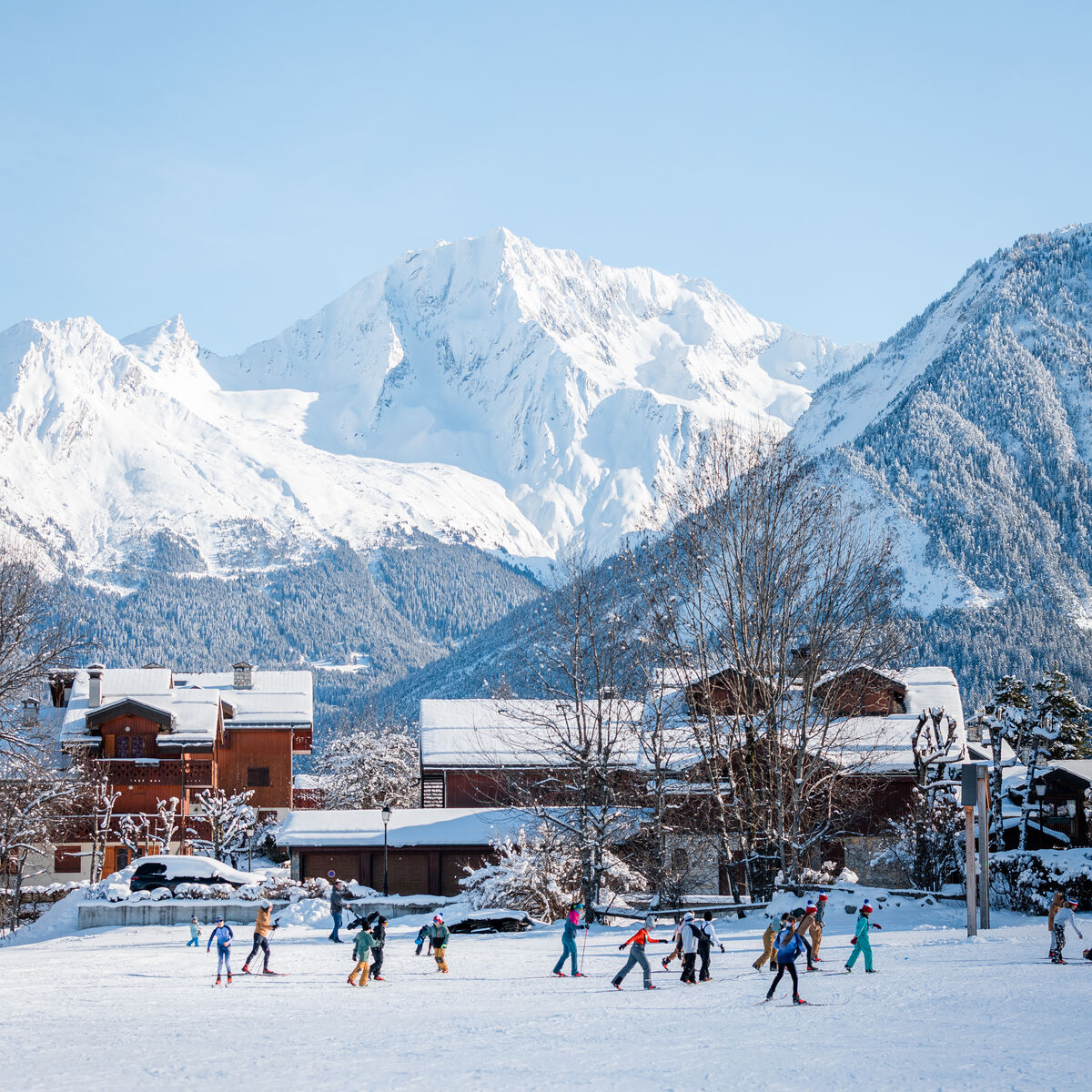
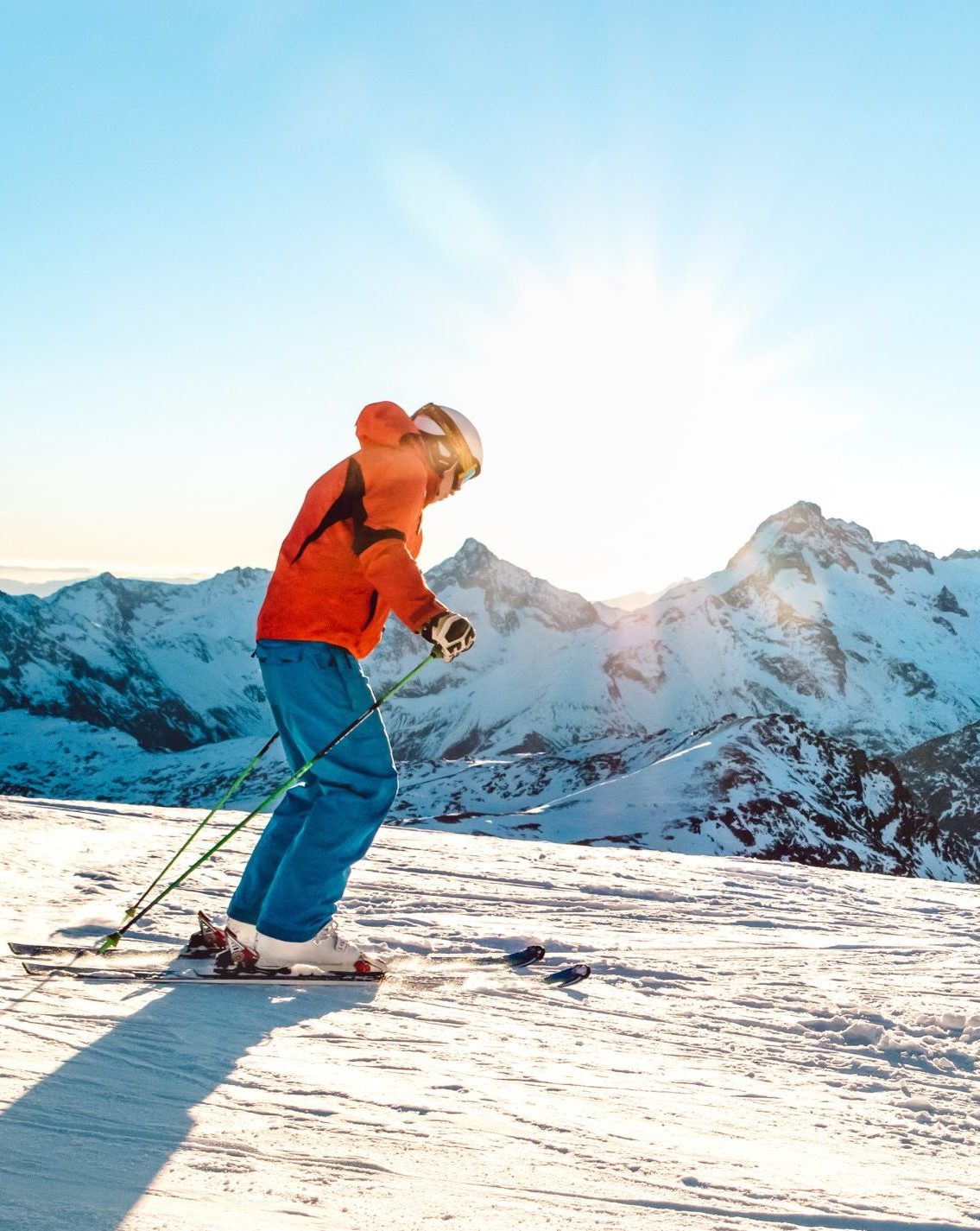
One interesting fact about the French Alps is that modern skiing competitions were born here. Chamonix hosted the first Winter Olympics in 1924, forever cementing the French Alps’ place as a premier destination for competitive winter sports. From family-friendly slopes to extreme off-piste adventures, The French Alps ski resorts have earned their reputation as some of the best alpine ski destinations in the world. Skiing in these snowy retreats in the French mountains is an unforgettable experience for any winter sports enthusiast, offering some of the most diverse and expansive terrains imaginable.
At the heart of this region is Les Trois Vallées, the largest interconnected ski area globally, which boasts over 600 kilometers of runs. This vast domain includes Courchevel, Méribel, and Val Thorens, some of the most reputed alpine ski getaways in the world. These high-end ski retreats cater to all skill levels, making the region ideal whether you’re just starting out or are an expert skier seeking a challenge. For thrill-seekers, the luxury ski resorts in the Alps feature some of Europe’s steepest and most exhilarating slopes, such as those in Val d’Isère and the renowned runs of Mont Blanc. These areas offer an incredible variety of high-altitude runs, with consistently excellent snow quality and many resorts staying open well into late spring.
In addition to exceptional skiing, these exclusive French ski villages deliver breathtaking views, modern lift systems, and amenities tailored to every need. Whether you’re carving through pristine powder, unwinding in a luxury chalet, or enjoying vibrant après-ski scenes, the French Alps ski resorts combine adventure, indulgence, and natural beauty to create an unparalleled experience for all winter sports enthusiasts.
Diverse Wild Life in the French Alps
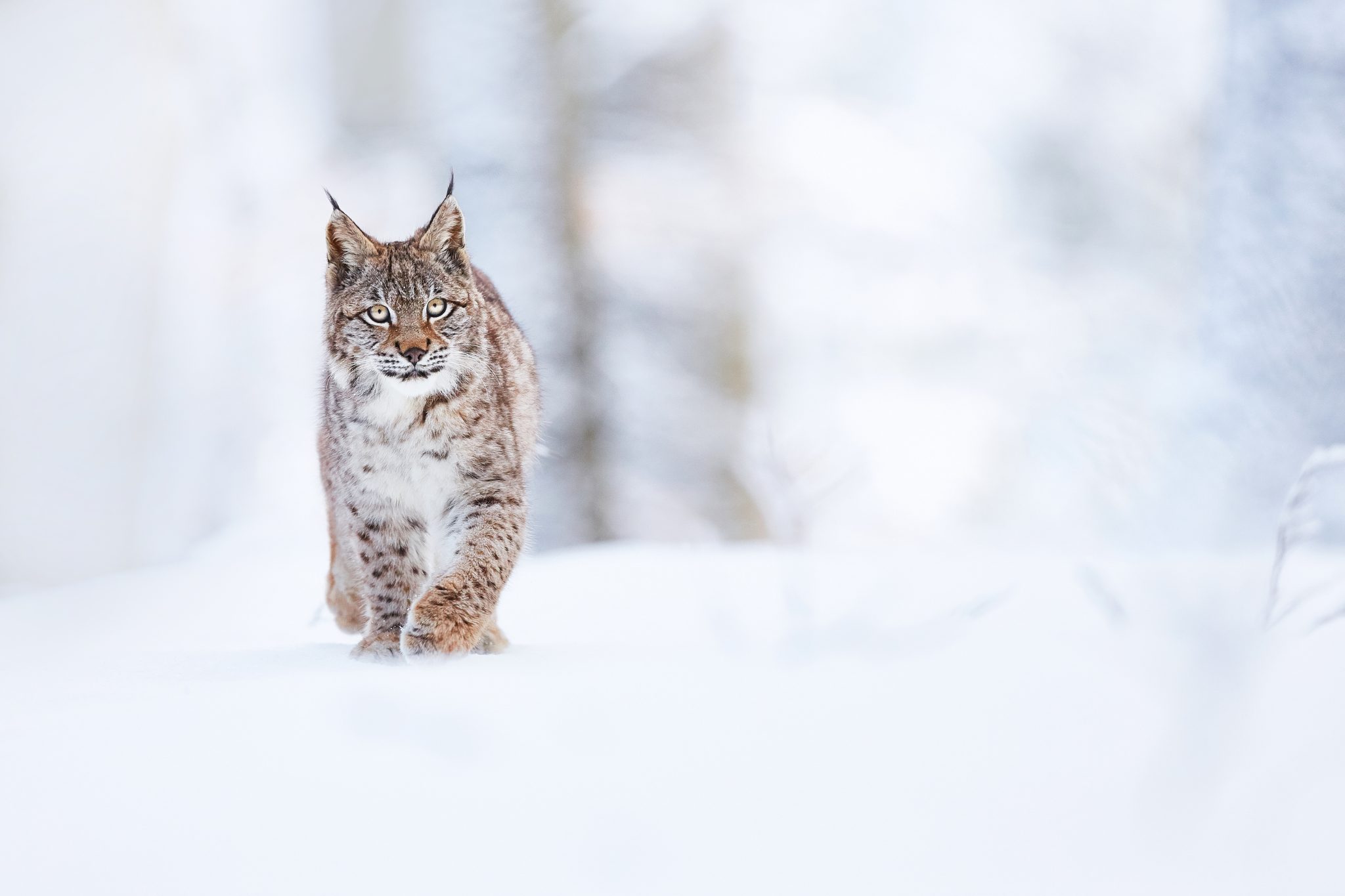
The French Alps boast one of the richest biodiversities in Europe, home to an astounding 30,000 species of animals and plants. This unparalleled variety makes the Alps a paradise for wildlife enthusiasts. As you trek through alpine meadows and ascend rocky slopes, you may encounter the Alpine ibex, a powerful symbol of the mountains with its magnificent curved horns. These once-endangered creatures now roam freely, skillfully navigating steep cliffs that seem impossible to climb. For those seeking more elusive encounters, the Eurasian lynx, one of Europe’s most secretive predators, makes its home here. Though spotting one requires patience and luck, the mere possibility of seeing this rare cat adds an element of excitement to any wildlife expedition. The skies above the Alps are equally mesmerizing, where the bearded vulture—a bird once on the brink of extinction—now soars gracefully, its wings spanning over nine feet. Its presence is a testament to the successful conservation efforts that have allowed this awe-inspiring bird to thrive once again. These threatened species, now thriving in the Alps thanks to dedicated conservation efforts, offer a once-in-a-lifetime opportunity to witness nature’s resilience firsthand. Every sighting is a reminder of how human care and preservation can make a difference. Whether you catch the playful antics of marmots as they whistle and dart through the meadows in La Plagne, or see the golden eagle soaring high above the peaks in Haute-Savoie and the Chartreuse Mountains, the experience is not just about observing these remarkable animals—it’s about being part of their ongoing preservation story. The French Alps provide an immersive experience for animal lovers, where each moment offers the chance to connect deeply with nature and its most resilient creature.
The French Alps Natural Parks
The natural parks of the French Alps are a stunning showcase of the region’s ecological diversity and breathtaking landscapes. Home to rare wildflowers and a vibrant array of plant life, these parks provide a sanctuary for nature enthusiasts and wildlife lovers alike. As you explore the well-marked trails, you’ll encounter prestigious flowers such as blue thistle, rhododendron, gentian, edelweiss, and orange lily, each adding splashes of color to the rugged terrain.
In Vanoise National Park, France’s first national park, thriving populations of Alpine ibex and chamois roam freely across dramatic rocky cliffs. Écrins National Park offers breathtaking mountain scenery and glaciers, while Mercantour National Park is renowned for its biodiversity, including the reintroduction of wolves, adding an element of wildness to the region. Majestic eagles and buzzards can often be seen soaring overhead, while marmots whistle from the meadows below. The Alpine Botanical Garden of Lautaret is a highlight, featuring over 2,000 species of plants across 4,500 square meters of rocky outcrops, making it a must-visit for those curious about Alpine flora.
Additionally, the National Alpine Botanical Conservatory of Charance in Gap offers further exploration into the region’s botanical treasures. Whether you visit in the warmth of summer or the serenity of winter, the natural parks of the French Alps promise an unforgettable experience that showcases the incredible beauty and ecological significance of this majestic region.
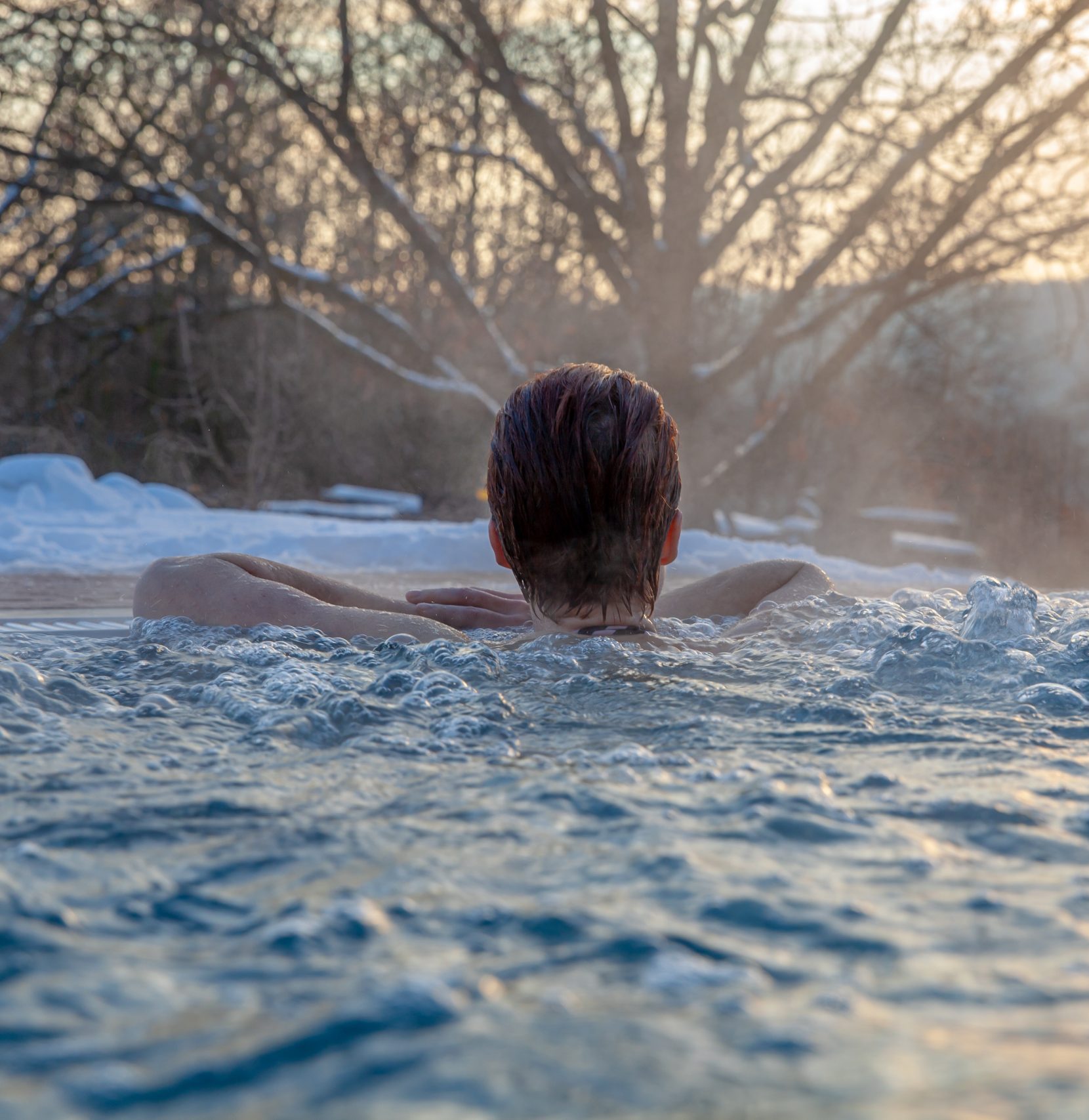
Natural Springs and World-Class Spas of the Alps
Rich Traditions of the French Alps
The traditions of the French Alps form a rich tapestry woven from the region’s history and diverse cultural influences. As you explore this enchanting landscape, you’ll first notice the charming chalets, built from local timber and stone, which showcase architectural styles that have endured through the ages. These traditional Alpine structures, designed to withstand harsh winters, reflect the region’s deep connection to its environment. The art of woodworking also thrives in the Alps, with skilled artisans crafting beautiful, handcrafted goods that echo the natural beauty of the mountains.
Beyond architecture, the traditions of the French Alps are deeply rooted in farming practices that date back to Neolithic times. The transhumance—the seasonal movement of livestock to high alpine pastures in the summer—is a living reminder of the close relationship between the people and the land. The craft of honey-making, using time-honored techniques, produces exquisite honey that captures the rich floral diversity of the region.
The Alpine meadows also provide an abundance of medicinal herbs such as mountain arnica, gentian, and yarrow, which have been harvested for centuries for their healing properties. Locals still create traditional teas, tinctures, and salves, continuing this legacy of natural wellness. Culminating the Alpine experience is the region’s celebrated gastronomy, which is a feast of hearty, local dishes crafted from fresh, locally sourced ingredients. The goat festival in the Valgaudemar Valley, where nearly 600 sheep and goats gather for a month-long feast dedicated to goat dishes, is a testament to the region’s culinary heritage. Alpine staples such as fondue, raclette, and tartiflette are widely enjoyed, showcasing the richness of the local cheeses and meats. These dishes, often prepared in restaurants during seasonal festivals, highlight the region’s pastoral lifestyle and the integral role food plays in Alpine traditions. Throughout the year, the French Alps are brought to life by festivals and seasonal celebrations that preserve these cultural practices. Whether it’s the seasonal folk dances of summer or the Snow Festival in winter, every tradition in the Alps tells a story of resilience, creativity, and the harmonious relationship between the people and their stunning environment.
The French Alps: Luxury Lifestyle
Throughout the year, the Alps come alive with a multitude of high-profile events and festivals that attract an elite clientele. Guests are greeted with a symphony of flavors from gourmet chefs, as culinary artistry takes center stage, offering exquisite dishes that celebrate the region’s rich bounty. Events like the Toquicimes festival in Megève showcase the finest Alpine cuisine, while intimate gatherings during the winter months often pair gourmet meals with world-class performances, such as at the prestigious Les Sommets Musicaux de Gstaad, where renowned classical musicians enchant audiences in an alpine setting. For those with a love of jazz, the Megève Jazz Festival adds another layer of sophistication to the winter calendar, bringing renowned jazz musicians to the heart of the Alps.
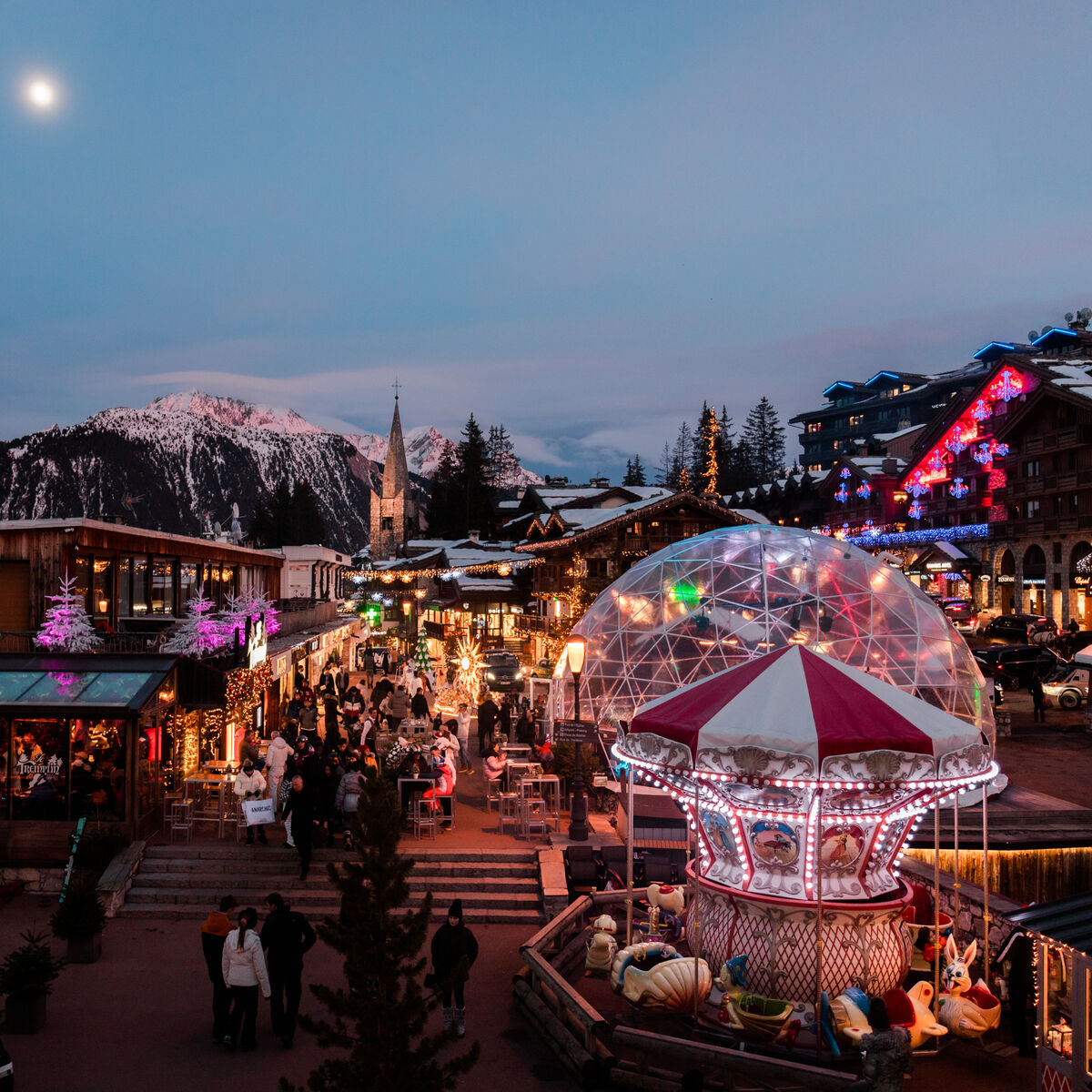
In winter, elegant après-ski gatherings pulse with energy, where fine wines and artisanal cocktails flow freely as laughter fills the air, with friends sharing stories by the fire amidst the stunning snowy landscape. The season is rich with festivities that celebrate winter sports and alpine culture, such as the exhilarating Polo Masters in Courchevel or Val d’Isère, where snow polo tournaments bring sophistication to the slopes. Fireworks light up the winter sky during events like the Festival International des Feux d’Artifice in Courchevel, adding a magical glow to the season’s festivities.
Meanwhile, car enthusiasts revel in the glamour of the annual Chopard Classic Rally, which takes drivers from the alpine heights of Megève to the sunny shores of Saint Tropez. As spring unfolds, outdoor events invite guests to immerse themselves in nature’s beauty, featuring exclusive wine tastings at sun-kissed vineyards, gourmet picnics in lush meadows, and serene wellness retreats. Cultural highlights, such as the Courchevel Art Festival, turn the mountains into an open-air gallery, blending art with the stunning natural landscape. The calendar is filled with a variety of celebrations that reflect the region’s commitment to excellence, with every detail meticulously crafted to enhance the experience.
Each aspect of your journey is intertwined with the essence of France itself, crafting a narrative that’s as rich and diverse as the country’s heritage. With Journeys of a Lifetime, you’re not just visiting France; you’re living its legacy.