

Spain: The Quiet Art of Belonging
Not Performed. Lived.
You think you know Spain. You’ve seen the Alhambra, perhaps. Ordered paella by the sea. Heard a guitar somewhere after dark.
But you haven’t stood inside a working bodega, where rows of oak casks rise three high in cathedral silence, the air thick with yeast and Atlantic salt. You haven’t watched a cellar master draw sherry from the solera in a single amber arc, steady as breath. You haven’t felt slate crumble between your fingers, fractured soil forcing vines to root meters deep for water that barely exists. Before sunrise, fishing boats return and by afternoon the same catch is laid out in a private kitchen where recipes are spoken rather than written. Medieval stone absorbs late light without ceremony. Rice settles into saffron and broth over open flame, not for spectacle, but because Sunday demands it.
96
Wine Denominations
49
UNESCO Sites
17
Autonomous Regions
Meet Spain
This is Spain before it becomes a postcard. Not staged. Not amplified. Just lived the way it has been lived for centuries: patiently, relationally, with an understanding that time improves what is allowed to mature.
You don’t come to Spain to be entertained.
You come to understand what happens when tradition is not preserved for visitors, but practiced because it still makes sense. When access is earned. When beauty is not announced, but discovered.
The Landscape That Shapes Everything
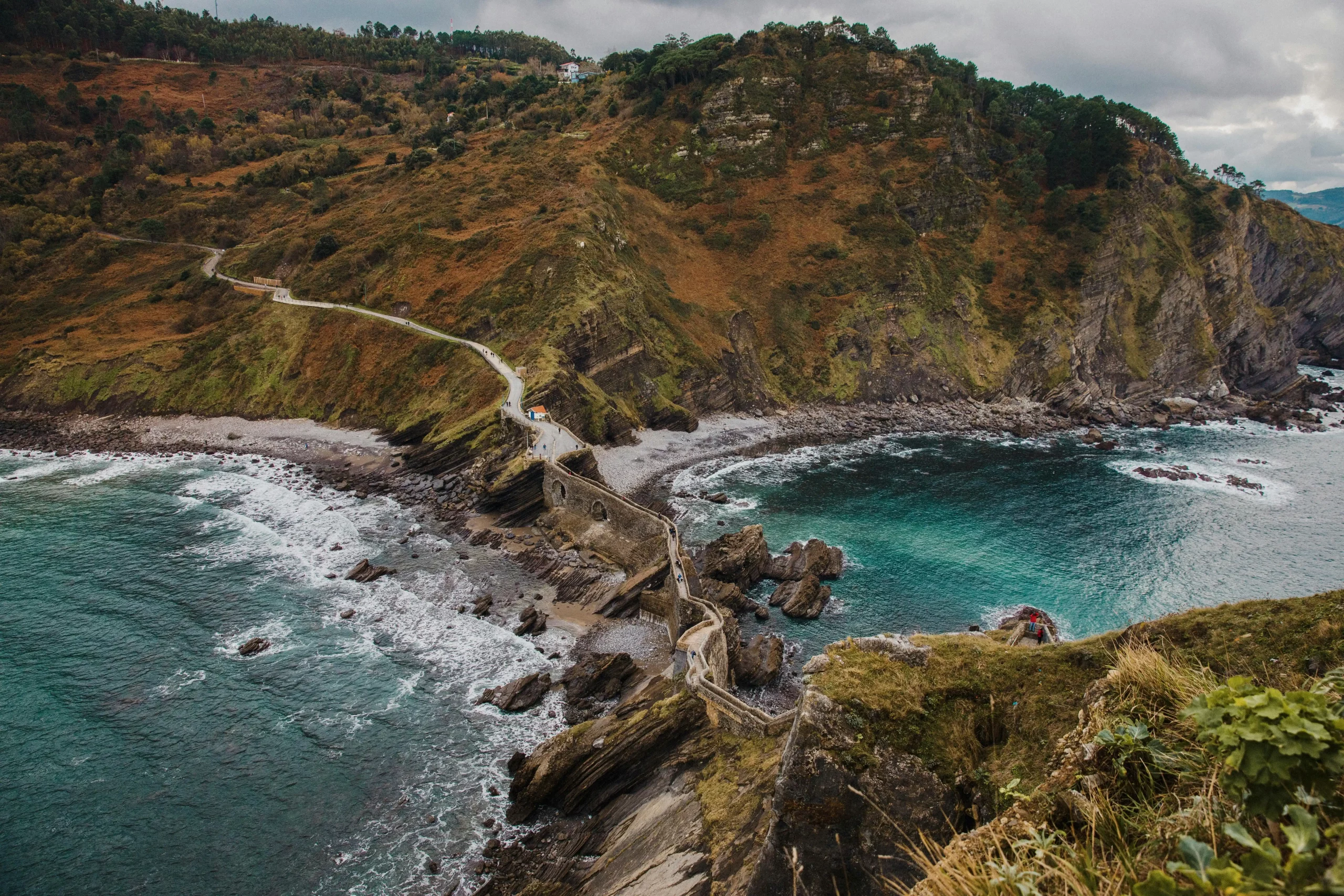
In the north, the Basque coast meets the Bay of Biscay with force, and in small harbors like Getaria boats return at dawn, the air still carrying salt and diesel. Inland, vineyards roll in measured lines toward Navarra, where forests soften the border and crossings feel almost invisible. Galicia settles into mist and green water, mussel rafts floating quietly offshore.
Move east and the Mediterranean sharpens the light. Barcelona reveals itself best from above, where the strict geometry of its grid dissolves into the narrower pulse of the old quarter. South of Valencia, wetlands stretch flat and reflective, rice fields mirroring the sky, while further inland granite peaks rise abruptly from dry plateau.
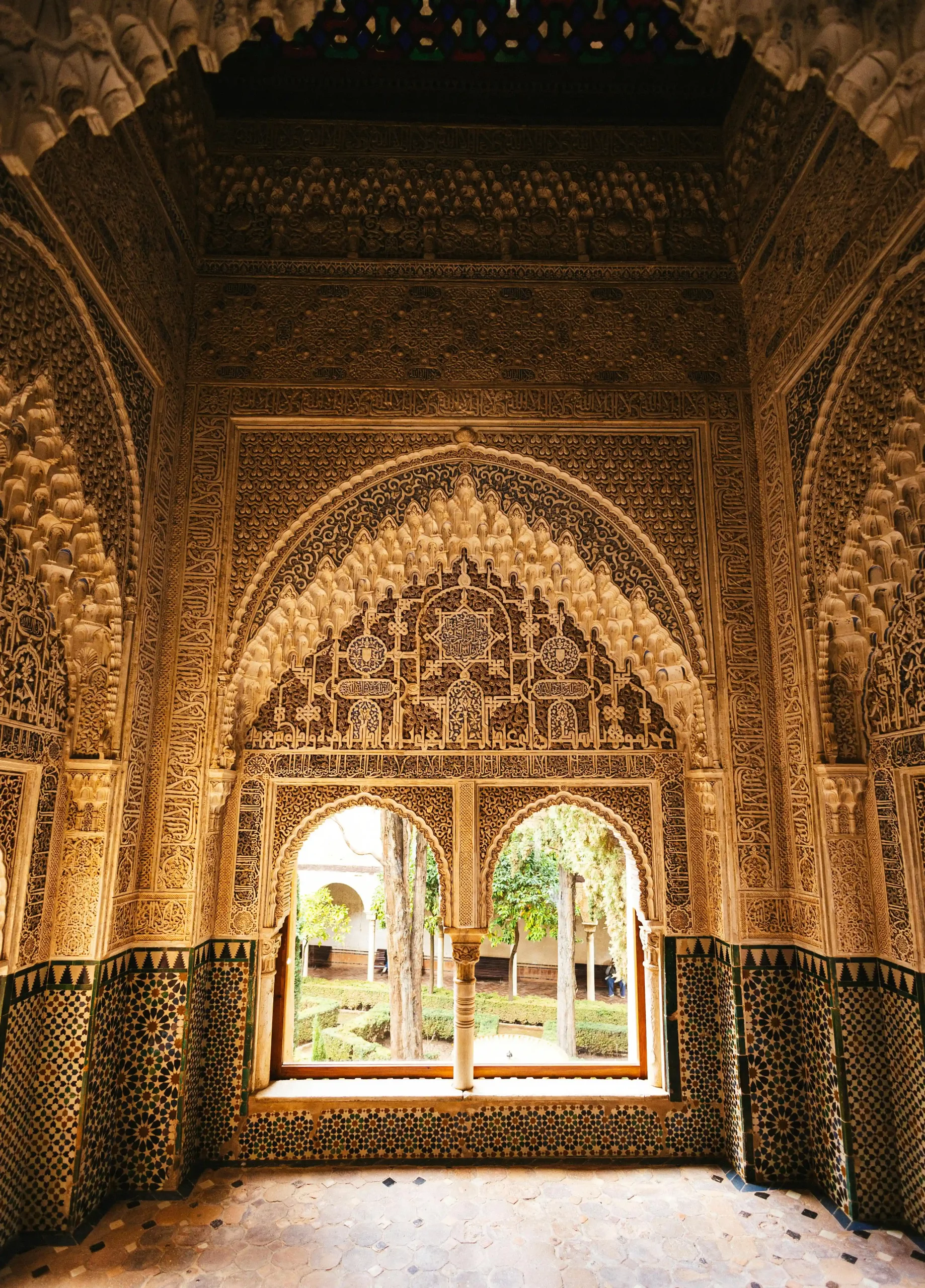
The Meseta holds the country’s interior silence, long expanses of wheat broken by stone villages and towers that still anchor the horizon. Andalusia shifts the temperature again; light slows in Granada, shade structures daily life in Córdoba, and Seville comes alive only once heat loosens its grip in the evening.
Out at sea, the islands feel even more distilled. In Mallorca, mountains drop sharply into cobalt water; in Lanzarote, vineyards sit low in black volcanic soil, protected from wind.
Spain is not one landscape but a succession of climates, and with each shift in terrain your rhythm adjusts almost without noticing — earlier mornings in the north, later dinners in the south, slower afternoons where heat insists.
Savoring Spain’s Culinary Rhythm: From Markets to Fire
Savoring Spain’s Culinary Rhythm: From Markets to Fire
Spain cooks the way it lives—loudly, proudly, and never alone. You’ll feel the rhythm first in the markets. At Barcelona’s Boqueria, the stalls hum with life, and a vendor will hand you a glistening slice of jamón before you’ve even spoken. Down in Madrid’s Mercado de la Paz, orders aren’t just transactions; they are loud, joyful catch-ups conducted over a busy counter.
Up in San Sebastián, push your way into a bustling pintxo bar. There are no strict menus or rules here. Just point to the vibrant skewers of anchovy, pepper, and olive, and let the bartender guide you. The napkins litter the floor, the chatter is deafening, and every bite feels like a shared celebration. Move south to Valencia, and the kitchen spills outdoors. Stand by an open fire in the Albufera and watch rice simmer in a wide steel pan. Listen for the faint crackle of the socarrat—the caramelized crust forming at the bottom. The cook won’t rush the flame; they know the fire has its own timing.
In Andalusia, taste olive oil fresh from the press, so bright and peppery it wakes up your senses. Find a spot in a Seville courtyard where a grandmother folds chickpeas into a slow-simmered stew, measuring everything by memory and a lifetime of family meals. Up the coast in Galicia, watch as octopus is lowered into bubbling copper pots, a beautiful coastal ritual passed down through generations.
Down in Jerez, let someone pour you a glass of crisp, cold fino sherry. It arrives before the food because here, wine isn’t just a pairing—it starts the conversation. In Spain, meals don’t begin or end cleanly. Someone always arrives late. Another chair suddenly appears. Bread is torn with bare hands, never sliced. And the table is yours for as long as the night lasts.
Where Time Doesn’t Clear the Room
History in Spain is rarely isolated. It stays in use.
A butcher works beneath a ceiling that predates refrigeration. A pharmacy occupies a ground floor once designed for merchants arriving on horseback. Roman foundations surface unexpectedly at the entrance of a parking garage, left visible, unfenced. People step over centuries without ceremony.
Enter a former mosque through a Renaissance doorway and exit into a Christian courtyard without noticing the transition. Nothing announces the shift. It simply coexists.
Street grids bend because they were never drawn for cars. Balconies extend outward from façades that once carried social life into the street. Water still moves through channels first designed to cool interiors before electricity existed.
Daily habits carry their own sediment. Late dinners follow the logic of heat, not fashion. Shared plates reflect agricultural economies built around collective labor. What appears leisurely was often practical.
The past was not cleared to make space for the present.
Wine and the Management of Time
Spain cultivates more vineyard surface than any other country in the world, yet for decades it exported bulk wine rather than prestige. The shift has not been theatrical. It has been structural.
In Rioja, aging classifications are legally defined. Crianza, Reserva, Gran Reserva are not stylistic suggestions but regulated minimums. A Gran Reserva must rest at least five years before release, with time divided between barrel and bottle. Oak is not decoration. It is a tool for oxygen exchange. Tannins soften slowly. Structure refines through patience rather than intervention.
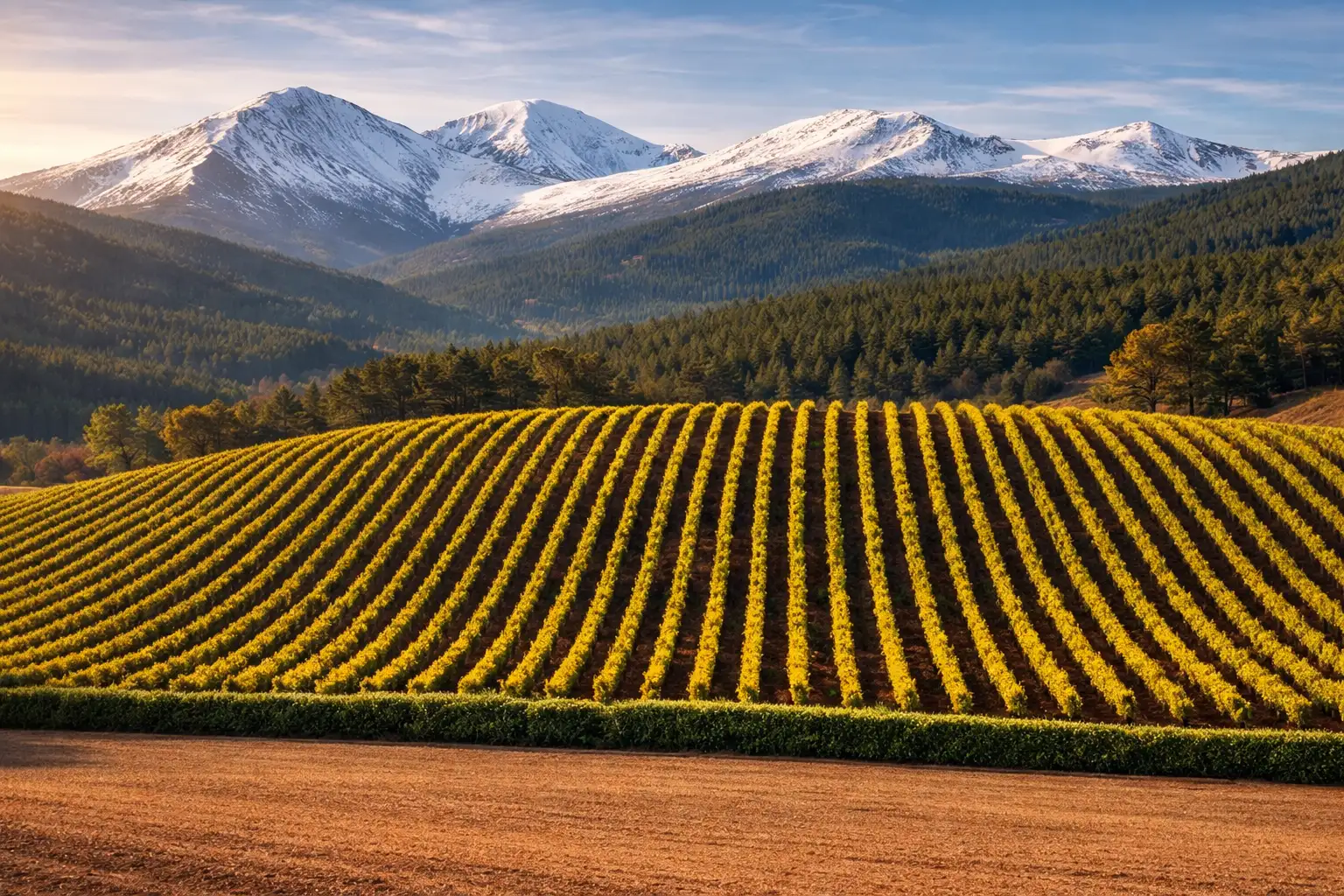
Elsewhere, elevation has become Spain’s quiet advantage. Vineyards in Ribera del Duero sit between 700 and 900 meters above sea level. In some parts of Castilla-La Mancha and Aragón, plantings now exceed 1,000 meters. Altitude compensates for heat. Wide diurnal shifts preserve acidity. Climate pressure forces adaptation.
Old vines remain central. Garnacha, Cariñena, Mencía, Godello, and Tempranillo persist in plots that would be economically inefficient elsewhere. Many parcels are dry-farmed. Irrigation is restricted or absent. Yields remain low not as marketing narrative but as climatic reality.
In the south, Jerez follows a completely different system. The solera is fractional blending, not vintage hierarchy. Wine moves gradually between rows of botas, integrating young wine into older frameworks. Flor yeast protects some styles from oxidation, while others embrace air as collaborator. Biological and oxidative aging coexist within meters of one another.
Spain does not pursue uniformity in wine. It manages heat, altitude, drought, and tradition simultaneously.
Production today is increasingly site-focused. Smaller producers isolate parcels. Indigenous varieties are recovered. Alcohol levels are moderated through canopy management and altitude selection rather than technological correction.
What defines Spanish wine now is not power.
It is adaptation.
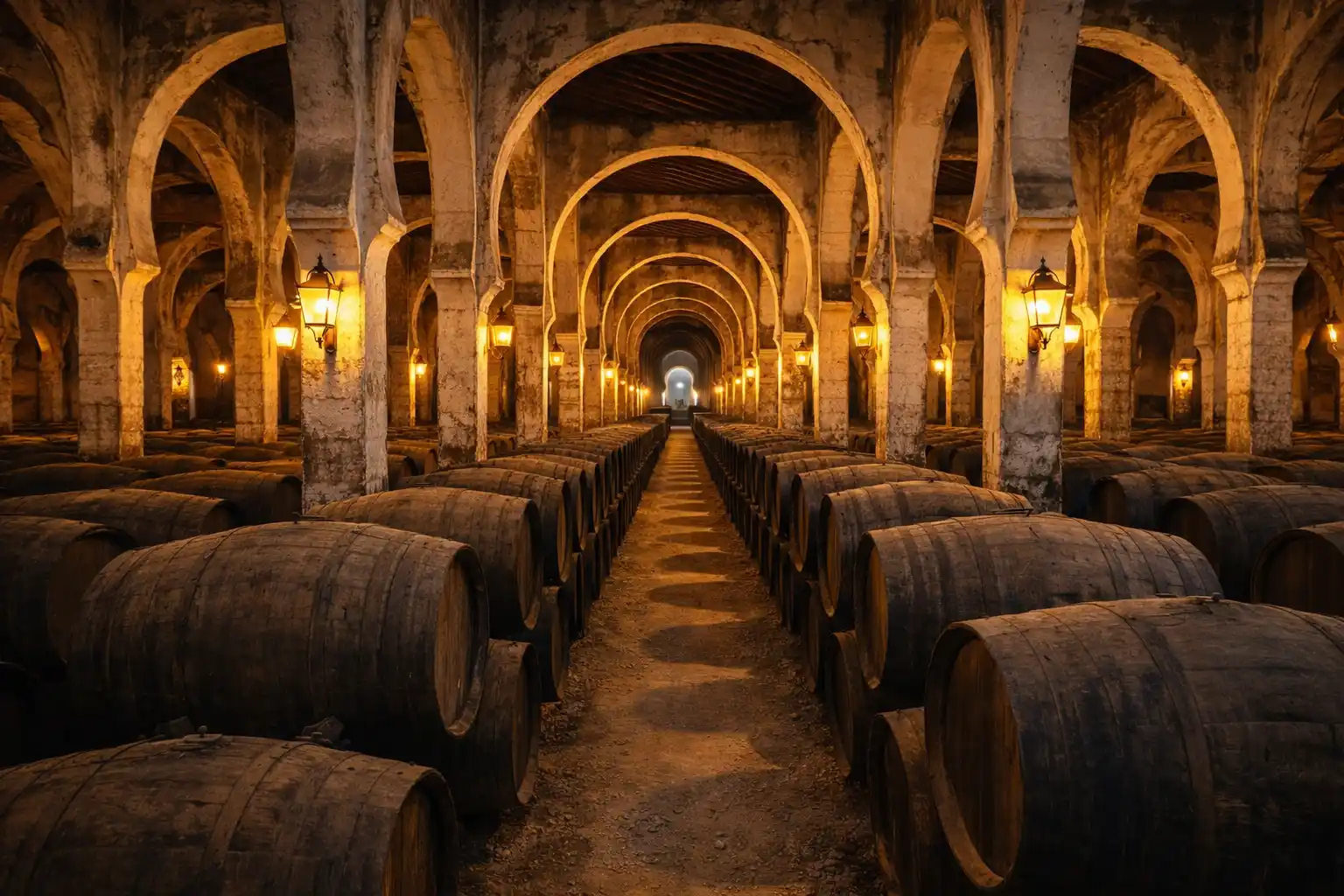
From Atlantic coasts shaped by tide and salt to high inland plateaus where heat dictates rhythm, from slate vineyards rooted in fractured rock to whitewashed towns engineered for shade, the country balances intensity with discipline. Sherry ages in silence under cathedral ceilings of oak, rice reduces over open flame according to evaporation and timing, courtyards circulate air long before evening cools the stone. Nothing here is accidental. Not the regulated patience of a Gran Reserva, not the measured tension of a flamenco compás, not the urban logic that narrows streets against the sun. Spain does not exaggerate itself. It calibrates, adjusts, repeats what works. To move through it properly is not to accumulate monuments but to understand how climate, time, and structure shape daily life. A journey designed with that same clarity does not rush or amplify; it places you precisely where Spain’s internal rhythm becomes visible. Some destinations impress. Spain endures.