

You’ve tasted Romanée-Conti. You know the difference between Gevrey-Chambertin and Chambolle-Musigny. You can identify a wine’s village from its nose alone. You’ve done Burgundy the traditional way verticals at legendary estates, allocations from the most coveted producers, Grand Crus that cost what they should.
So why read a guide before your next trip?
Because the collectors building the most interesting Burgundy cellars right now aren’t the ones climbing higher up the prestige ladder. They’re going deeper into the region’s actual complexity the parcels no one talks about, the winemakers working quietly outside the spotlight, the appellations where quality has outpaced reputation.
This guide is for people who’ve already learned Burgundy’s headlines and are ready to explore its footnotes. Before you book your next bespoke journey, here’s what’s worth your attention now.
Understanding Terroir: When Fifty Meters Changes Everything
The concept gets discussed endlessly. But terroir isn’t theoretical until you taste it.
The most revealing Burgundy experiences aren’t verticals of the same wine across vintages. They’re horizontals across neighboring climats wines from parcels separated by a footpath, made the same year, by winemakers with similar philosophies, that taste completely different.
When you visit Burgundy with us, seek out these comparative tastings. They’re what separate tourism from education.
Vougeot: The Terroir Laboratory
Clos de Vougeot is famous, yes. But what’s remarkable is how different the wines are within its walls. Over 50 different owners farm parcels that vary in soil composition, slope, and aspect. The Pinot Noir from the top of the slope bears little resemblance to fruit from the bottom, even when vinified identically.
On your next visit to Vougeot, taste Clos de Vougeot against its immediate neighbors and the lesson becomes visceral:
- Les Petits Vougeots: Just below the grand enclosure, blends structure with unexpected elegance.
- Musigny: Slightly elevated, produces wines of entirely different complexity despite proximity.
- Echezeaux versus Grands Echezeaux: Geographically close, texturally worlds apart.
The vignerons who farm these parcels can explain exactly why this happens not in abstract terms, but with dirt in hand, pointing at the specific iron content or limestone density that creates the difference you’re tasting. Request these conversations when you visit.
The Montrachet Mosaic
The Montrachet family of vineyards, straddling Puligny and Chassagne, offers the same lesson in white.
- Montrachet itself commands reverence for intensity and balance.
- Bâtard-Montrachet, directly below, delivers power with more approachable youth.
- Chevalier-Montrachet, lying above, achieves striking minerality and precision.
- Bienvenues-Bâtard-Montrachet and Criots-Bâtard-Montrachet add their own distinct voices.
A single afternoon tasting through these climats—ideally with the same producer, same vintage reveals more about terroir than a year of reading. You’re not learning about Burgundy in general. You’re understanding this specific hillside, these specific soils, and why they matter enough to command the prices they do.
Then walk those exact parcels and see what you just tasted. This is what your Burgundy visit should include.
Beyond the Famous Names: Where Quality Outpaces Reputation
Domaine de la Romanée-Conti will always matter. But the region’s most interesting collecting opportunities aren’t at the top of the pyramid anymore they’re in the tier where exceptional quality hasn’t yet translated to commensurate pricing.
Before you visit Burgundy, know which producers are worth your time beyond the obvious names.
Sylvain Pataille in Marsannay
Marsannay gets overlooked because it sits north of Gevrey-Chambertin’s glory. But Sylvain Pataille’s organic farming and minimal intervention produce wines that genuinely express their place. His commitment to showing what Marsannay can be rather than trying to mimic more prestigious neighbors makes these wines both intellectually honest and financially interesting.
They’re not cheap. But they’re undervalued relative to quality, and that gap is closing. Add Marsannay to your Burgundy itinerary before the market catches up.
Jane Eyre’s Outsider Perspective
An Australian winemaker working as a négociant in Burgundy brings exactly the combination serious collectors should pay attention to: deep respect for tradition, no reverence for its more arbitrary conventions. Her Beaune Premier Cru Les Bressandes showcases the delicate balance between power and elegance that defines great Burgundy, executed with precision that belies her relatively recent arrival.
The broader pattern: winemakers who may not helm centuries-old estates but are crafting wines that expand what Burgundy can express. Visiting them isn’t charity it’s getting access to quality before the market fully recognizes it.
Beyond the Famous Villages: St-Romain and Fixin
When planning your Burgundy visit, consider where quality exceeds reputation. Two villages deserve particular attention.
St-Romain: Elevation as Advantage
Tucked in the hills behind Meursault and Puligny-Montrachet, St-Romain benefits from cooler climate and higher elevation. The result: pronounced acidity, freshness, distinctive minerality, purity of fruit.
Domaine Henri Prudhon produces whites that offer compelling alternatives to the richer styles of its famous neighbors elegance and sophistication at prices that don’t require justification to your accountant.
Fixin: Côte de Nuits Without the Premium
Just north of Gevrey-Chambertin, Fixin produces robust, structured reds that rival the intensity of its southern neighbor but at more accessible prices.
Domaine Méo-Camuzet’s Fixin applies the same standards that earned them acclaim across Burgundy. The wine has depth, structure, and aging potential a value proposition that won’t last once more collectors realize it exists.
These aren’t “bargains” in the sense of cheap wine. They’re opportunities to acquire quality before reputation catches up to reality. Include them in your next Burgundy trip.
Beyond Côte d’Or: Côte Chalonnaise and Mâconnais
If your Burgundy visits have focused exclusively on Côte d’Or, you’re missing half the story.
Côte Chalonnaise: Complexity Without the Premium
South of Côte de Beaune, appellations like Mercurey, Givry, and Rully produce wines with remarkable complexity, often at prices that undervalue their quality.
Domaine François Raquillet’s Mercurey 1er Cru “Les Vasées” offers depth and structure that can rival more prestigious appellations. His dedication to sustainable viticulture positions these wines as exemplars of the region’s potential.
Worth noting: Côte Chalonnaise has become a proving ground for female winemakers making significant impacts. Lalou Bize-Leroy and Anne-Marie Ninot haven’t just challenged conventions they’ve elevated the region’s quality and reputation.
Mâconnais: Pouilly-Fuissé’s Ascent
The Mâconnais gained significant recognition when select Pouilly-Fuissé vineyards received Premier Cru status in 2020 the culmination of a decade-long effort to showcase exceptional quality.
Domaine J.A. Ferret’s Tournant de Pouilly, sourced from a single vineyard, demonstrates the sublime Chardonnay expression achievable here. Under Audrey Braccini’s stewardship, the estate continues pushing boundaries.
Extend your next Burgundy visit south into these regions. They’re not afterthoughts they’re essential to understanding Burgundy’s full range.
Beyond Pinot Noir and Chardonnay: The Aligoté Renaissance
Aligoté was once “the wine of the people” high-yielding, modest, often mixed with crème de cassis to make Kir. It got planted in Burgundy’s less favorable sites and produced wines that were brisk and straightforward.
Then winemakers like Aubert de Villaine at Domaine A. & P. de Villaine in Bouzeron started treating it with the respect reserved for noble varieties. Lower yields, attentive viticulture, genuine belief in its potential.
The result: vibrant acidity, mineral undertones, refreshing citrus notes a compelling alternative to Chardonnay’s richness.
The Strategic Appeal
For collectors visiting Burgundy, Aligoté presents specific advantages:
- Entry point to world-class Burgundy at accessible prices with appreciation potential as prestige grows.
- Versatile food pairing that broadens appeal to gastronomically adventurous audiences.
- Early adoption positioning before the market fully recognizes its potential.
This isn’t a gimmick. It’s serious winemakers applying serious techniques to a variety that was dismissed for too long. Include Bouzeron in your Burgundy itinerary.
Planning Your Tastings: What to Request
Grand Crus teach you what excellence tastes like. Village wines teach you what terroir actually means. Single-vineyard expressions show you precision. Regional blends show you the broader picture.
The sophisticated collector’s Burgundy visit should include all of these, because understanding the region requires experiencing its full range.
What Separates Educational Visits from Tourism
- Request comparative tastings across neighboring climats same vintage, similar winemaking, different parcels. This isolates terroir as the variable.
- Seek out producers working across multiple tiers. Estates that farm Grand Cru parcels alongside village appellations, or winemakers sourcing from both Côte d’Or and Côte Chalonnaise. You taste the same philosophy applied to different terroirs, which shows you what’s technique and what’s place.
- Focus part of your visit on overlooked appellations St-Romain, Fixin, Mercurey, Pouilly-Fuissé. If you’ve already done Vosne-Romanée and Chassagne-Montrachet, this is where your education continues.
When to Visit
- Harvest (September) offers energy and context you’ll see sorting tables in action, taste juice just hours from the press.
- Winter (January-February) provides unhurried cellar time when winemakers have space for library verticals and vintage discussions without production chaos.
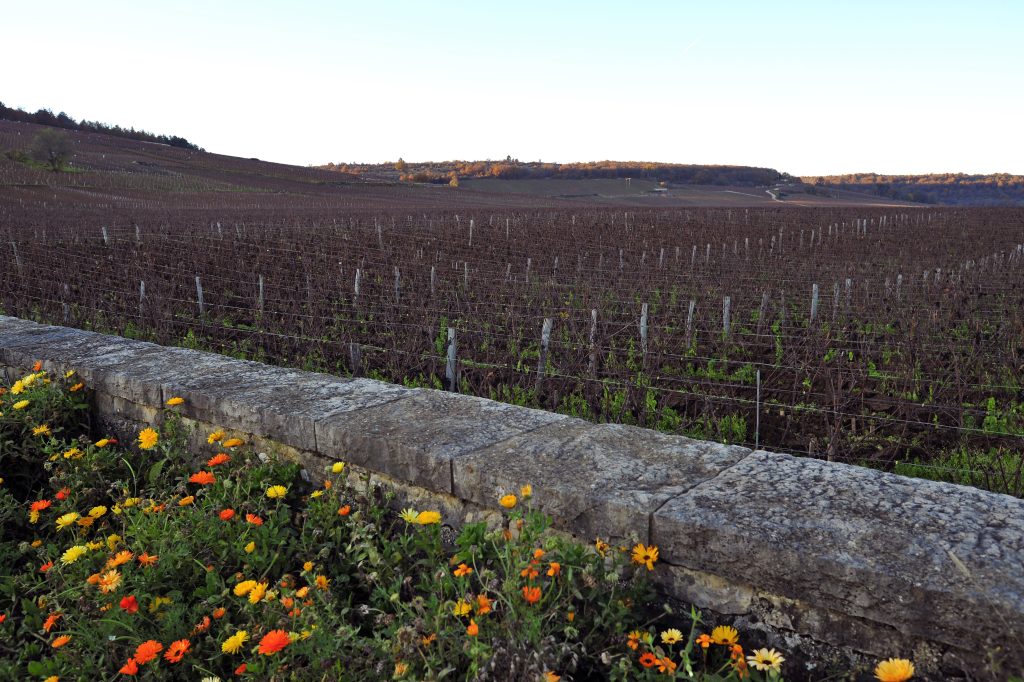
- Spring (April-May) means vineyard walks when you can see geological differences the limestone breaking through topsoil, the drainage patterns, the sun exposure that explain what you taste.
The goal isn’t to reject the famous names. It’s to understand Burgundy well enough that you recognize quality wherever it appears, whether it’s bottled by a seventh-generation domaine or a talented newcomer working a parcel no one paid attention to before.
Planning a Burgundy visit that goes beyond the Grand Crus?
We arrange private access to the winemakers, parcels, and appellations where quality is outpacing reputation. These aren’t standard tasting room visits they’re appointments designed for collectors ready to explore Burgundy’s actual complexity, not just its famous labels.