
It is six in the morning. The forest is still half-dark, the air cold enough to see your breath. And then, out of the mist on the gallops, they come — dozens of thoroughbreds moving in waves across the sand, their hooves barely audible, their riders motionless. No bets being placed. No grandstand, no photographers, no commentary. Just horses, and the people who have given their lives to them, working through the last weeks before the season opens.
This is the part of Chantilly that Chantilly never advertises.
The largest training centre in France
Most visitors to Chantilly arrive for the château. They leave with photographs of a Renaissance palace reflected in a moat and a pot of crème Chantilly purchased at the gate. Very few know that the town sitting around that château is home to over 2,600 racehorses in active training, the largest concentration in France, spread across five municipalities: Chantilly, Gouvieux, Lamorlaye, Coye-la-Forêt, Avilly-Saint-Léonard. On any given morning from March through May, the gallops are alive before sunrise. Trainers, stable hands, jockeys on exercise: a whole world operating at full intensity before the rest of France has had its coffee.
Getting inside that world means walking the gallops with a trainer who explains which horse is being prepared for which race, watching a morning work alongside the team. Not as a tourist. As a guest. It requires a relationship, knowing where to go and who to ask.
The races: why these two, why here
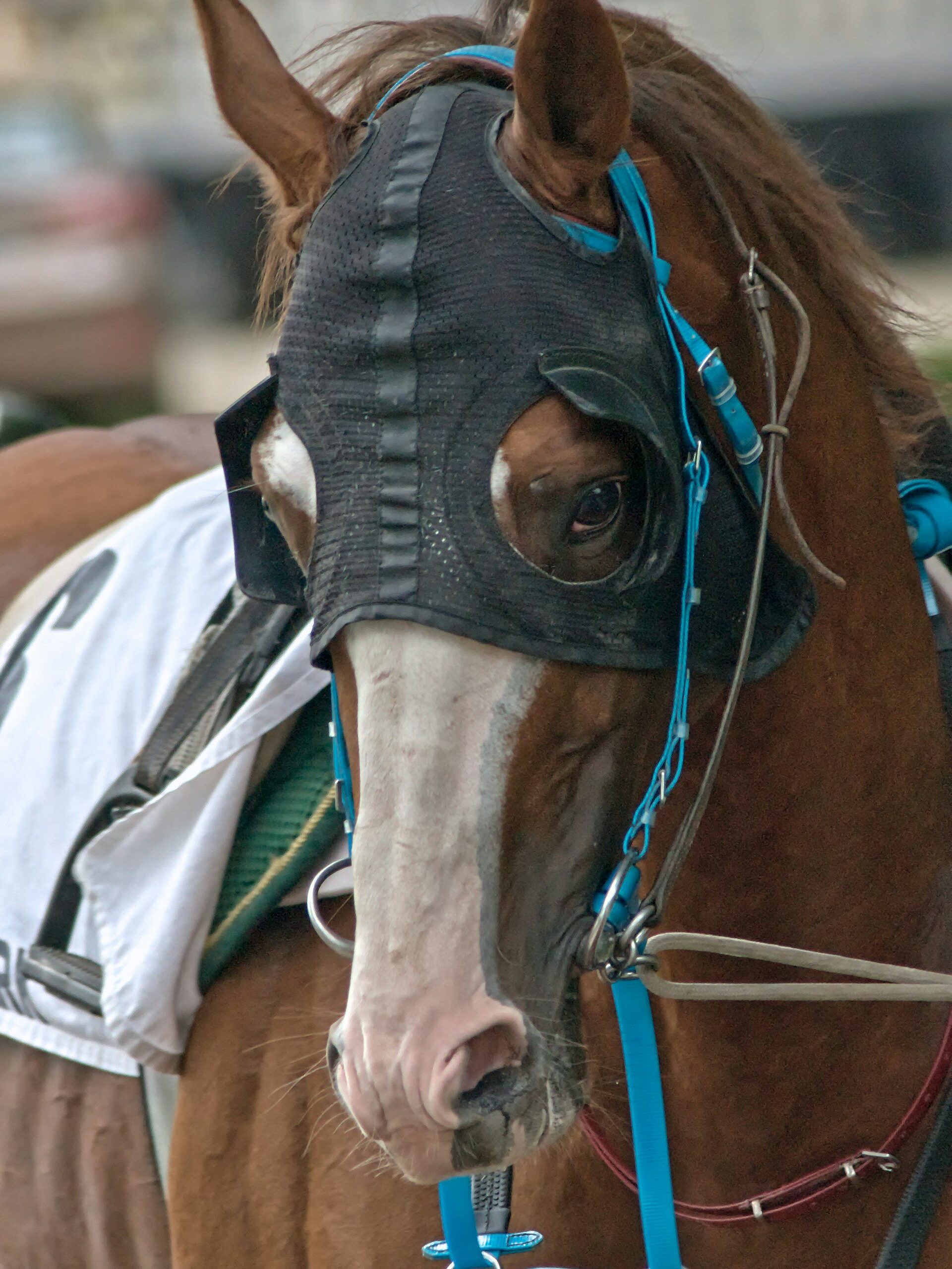
Chantilly has been a racing venue since 1834. Two of the most important flat races in Europe are run here across May and June, and understanding what makes them worth attending — rather than simply knowing they exist — is the difference between a spectator and someone who actually gets it.
The Qatar Prix du Jockey Club, May 31
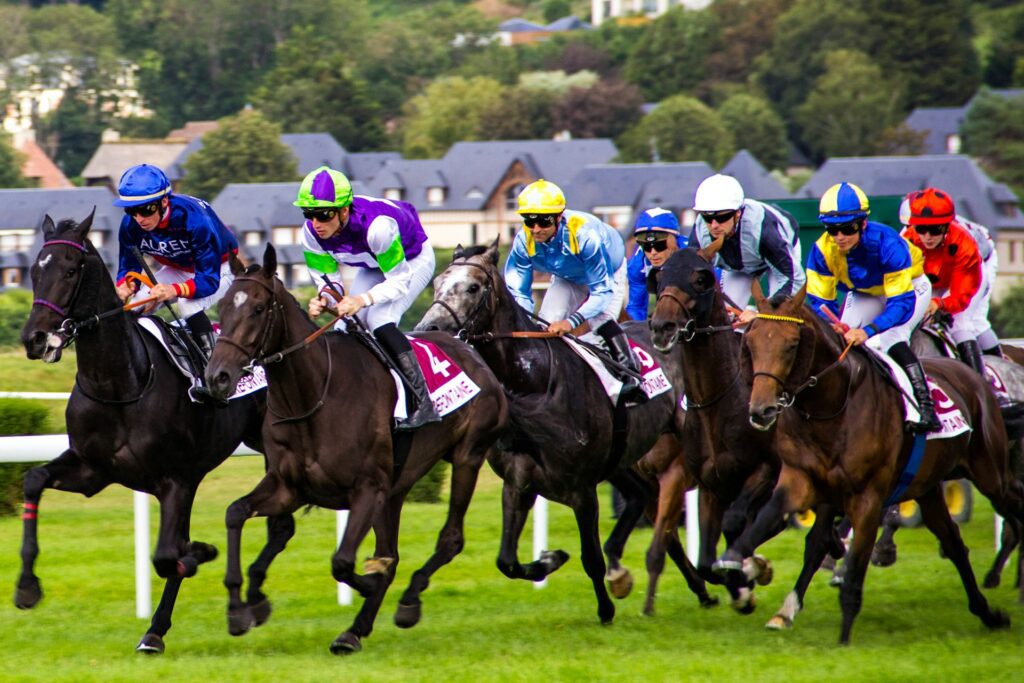
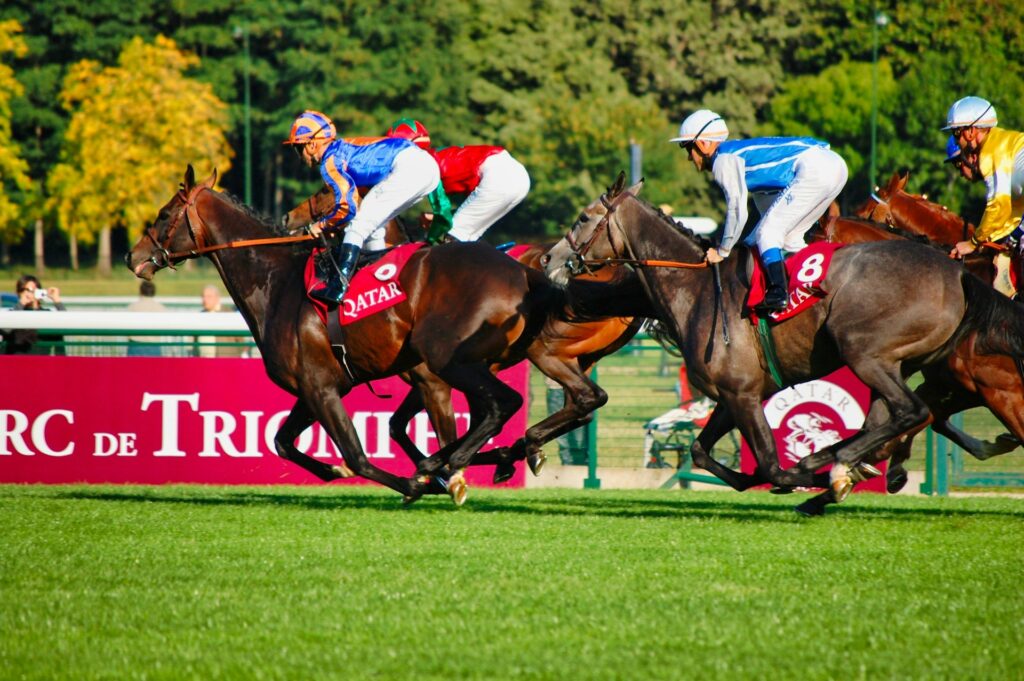
Called the French Derby, but that translation undersells it. The English Derby at Epsom is run over 2,400 metres on a famously uneven, switchback course where track position and luck play a significant role. The Prix du Jockey Club, run over 2,100 metres on Chantilly’s straight, fair galloping track, strips those variables away. What you are left with is a purer test: which three-year-old colt in Europe has the highest combination of speed, class, and the mental maturity to produce it on the day that matters. Racing people will tell you that Chantilly shows you what a horse actually is.
The consequences of the race extend well beyond the afternoon. The Prix du Jockey Club is a primary pipeline to the Prix de l’Arc de Triomphe in October, the most prestigious flat race in Europe. Horses that win here in late May are often the horses the continent is talking about by autumn. Watching the race from the public grandstand, you see a very good horse race. Watching it from the owners’ and trainers’ enclosure, standing twenty metres from the parade ring, you see something closer to what it actually means. The trainers around you have spent years building toward this afternoon. Some of them have been awake since four. The emotion is not performed.
What is also true, and rarely mentioned, is how contained the atmosphere remains compared to the English Classics. Epsom on Derby day is a carnival. Royal Ascot is a social institution. The Prix du Jockey Club is a racing event, attended primarily by people who care deeply about racing. There is no hat competition. The focus is on the horses.
The Prix de Diane Longines, June 14
Three weeks later, the same track hosts a different race and a markedly different day.
The Prix de Diane is the French equivalent of the Oaks: a Classic exclusively for three-year-old fillies, run over the same 2,100 metres that rewards class over chaos. It was first run in 1843 and has produced some of the most significant fillies in European racing history. In terms of pure sporting prestige, it sits alongside the Jockey Club as the two pillars of the French Classic season.
But the Prix de Diane has also become something else, which is both its charm and, depending on where you are standing, its challenge. Thirty thousand visitors attend. The famous elegance contest draws competitors who have been planning their outfits for months. The lawns fill up, the champagne flows, and for a significant portion of the crowd, the race itself is peripheral to the occasion. This is not a criticism. It is simply useful to know, because it means the experience divides sharply depending on access. In the public areas, it is a beautiful, busy, somewhat chaotic summer afternoon. In the enclosures reserved for owners and connections, it is a Classic race day, serious and emotional and quite different from anything the public areas suggest. The two events are happening simultaneously, separated by a fence and a very different relationship to what is unfolding on the track.
For anyone who has been to Royal Ascot or the Kentucky Derby and found themselves in the right enclosure at the right moment, the feeling at the Prix de Diane will be recognisable. For anyone who has spent those events in the public areas, it will be a revelation.
The weeks before
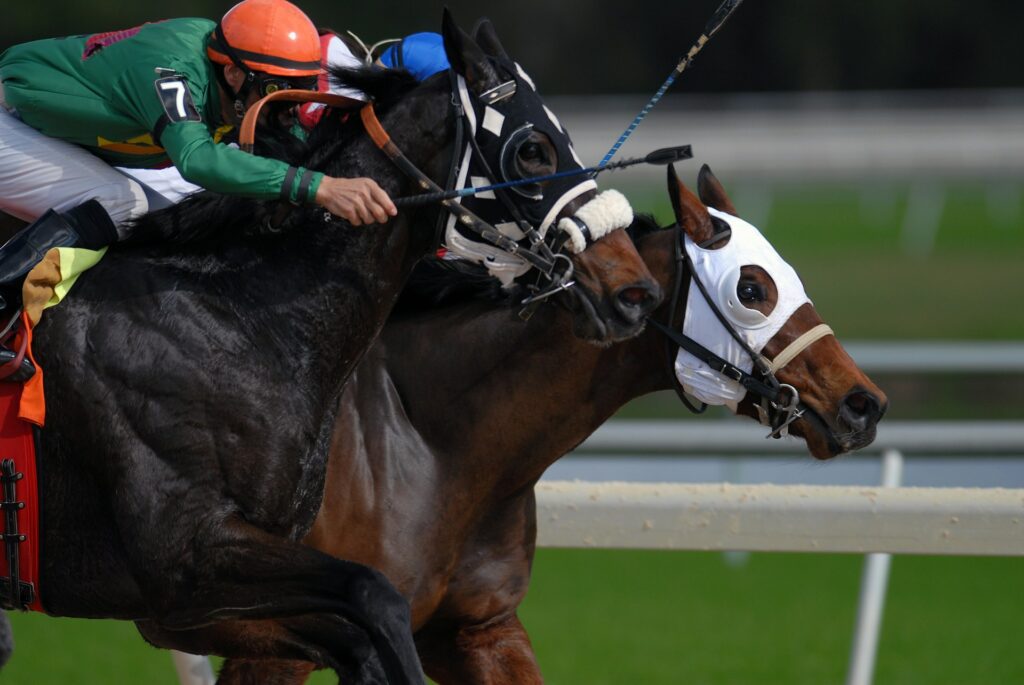
Between now and May 31, the gallops at Chantilly are where the season is actually decided. On the Piste des Lions and the other main tracks threading through the forest, the horses running in the Jockey Club are already at work in those early morning mists, some of them unknown outside a tight circle of trainers and owners. A trainer pointing out a horse at six in the morning and saying, quietly, that this one is ready — and then watching that horse win a Classic five weeks later — is the kind of thing that stays with you. It is not a story you get from the grandstand.
The château they don’t visit
After the morning gallops, Chantilly offers something else that almost nobody comes for, despite the fact that it is one of the greatest art collections in Europe.
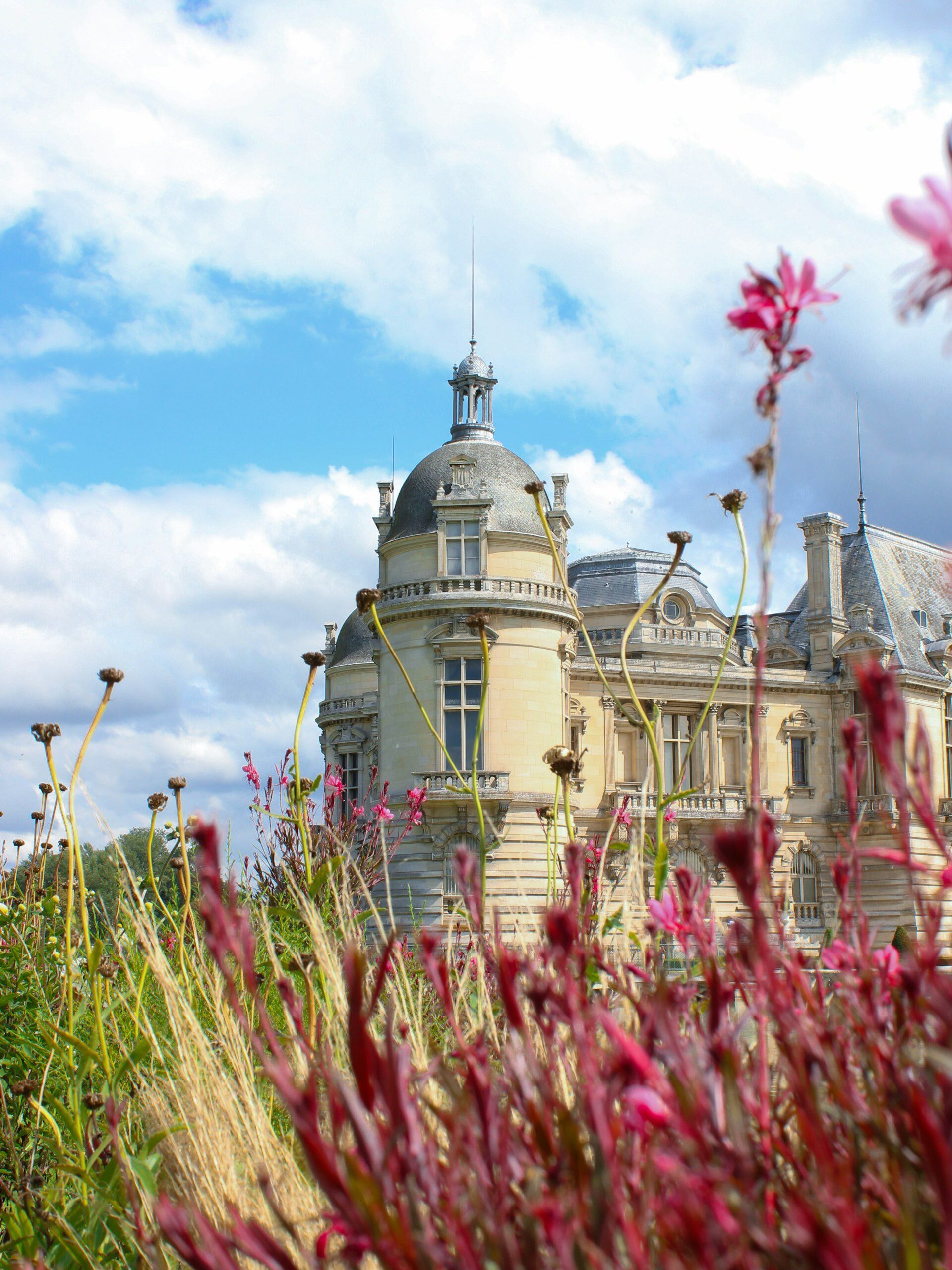
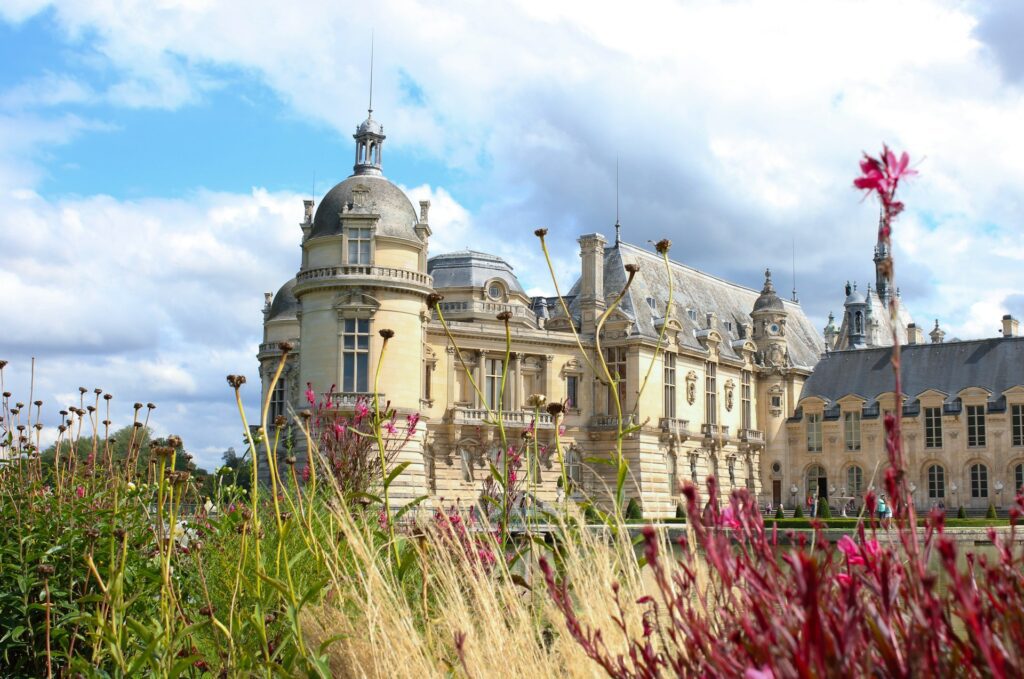
The Musée Condé inside the Château de Chantilly holds the second-largest collection of Old Master paintings in France, after the Louvre. Raphael. Botticelli. Poussin. Fouquet. Forty miniatures by Fouquet in a single room. In Paris, any of these works would have crowds six deep. Here, in March and April, you can stand in front of a Raphael for as long as you like, in near silence, in a room with painted ceilings and windows looking out onto formal gardens and a moat.
The collection was assembled by the Duke of Aumale in the nineteenth century and bequeathed to the Institut de France on one condition: nothing could ever be sold, and nothing could ever leave. It remains exactly as he left it. There is no curatorial reorganisation, no thematic rehanging. You are seeing a private collection as it was lived in, which is the rarest thing a great house can offer.
The Grande Écurie
A few hundred metres from the château, the Great Stables of Chantilly, built in 1719 by the Prince of Condé, who reportedly believed he would be reincarnated as a horse, stretch for 186 metres along one of the most extraordinary baroque facades in France. Inside, they function as a living museum in which performances with horses take place daily. The horsemanship demonstrated here is rooted in the same French classical tradition that produced the Cadre Noir. That space, those ceilings, the working stables visible through the archways: it has a way of arriving without warning.
When to come
Spring is the window. Before June, the tourist season has not yet arrived. The gardens are in first bloom. The gallops are at full intensity. The château has room to breathe.
For those who want to be inside the Prix du Jockey Club or the Prix de Diane Longines rather than watching from outside them, the time to plan is now. The right access at both races is not sold online, and demand consistently outpaces what is available.