
Beyond the Catwalk: Where Fashion’s Visionaries Find Their Muse
Some places change how designers see. Not through mood boards or reference images, but through years of returning, working, letting a landscape reset their instincts. These aren’t Instagram backdrops. They’re where collections get made, where light, terrain, and luxury travel experiences reshape what style means.
Christian Louboutin’s Melides, Portugal: Where Winter Collections Are Born
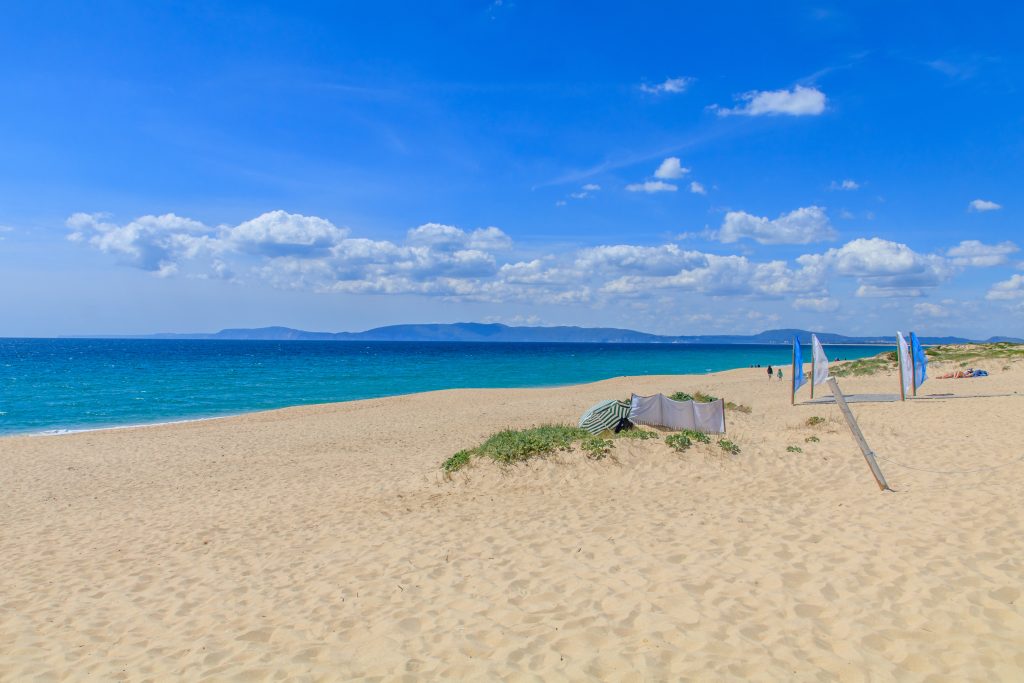
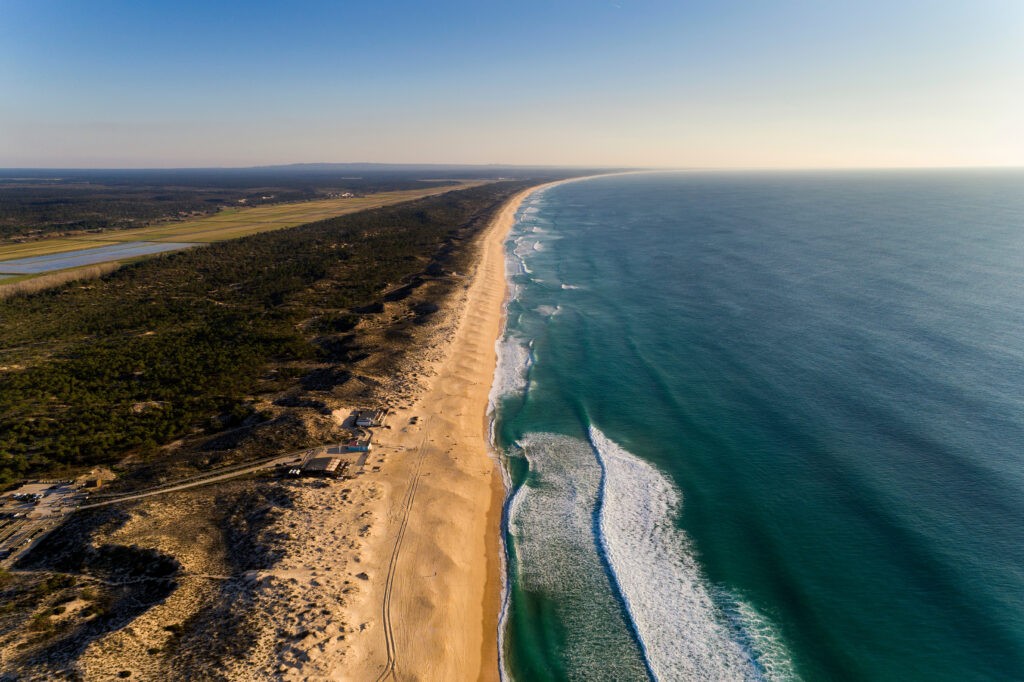
In the Alentejo’s coastal scrubland, where cork oaks twist against Atlantic wind and lagoons separate dune from farmland, Christian Louboutin has spent over a dozen winters designing his collections. The light here softens edges while intensifying color, turns red into something both earthen and alive.
He discovered Melides twelve years ago by accident, driving back from a hospital visit. The moment he saw the sand pine forest and the play of sunlight on Lagoa de Melides (a brackish lagoon where fresh and salt water meet), he bought a fisherman’s shack and returned every June to work.
Vermelho Hotel, which opened in 2023, isn’t a celebrity vanity project. It’s the physical manifestation of what this landscape taught him about restraint and impact. Thirteen rooms, each different, designed with Portuguese architect Madalena Caiado around a single principle: “Simple from the outside, perfectly integrated with its environment. But when you pass through the entrance door, you dive into a completely different world.”
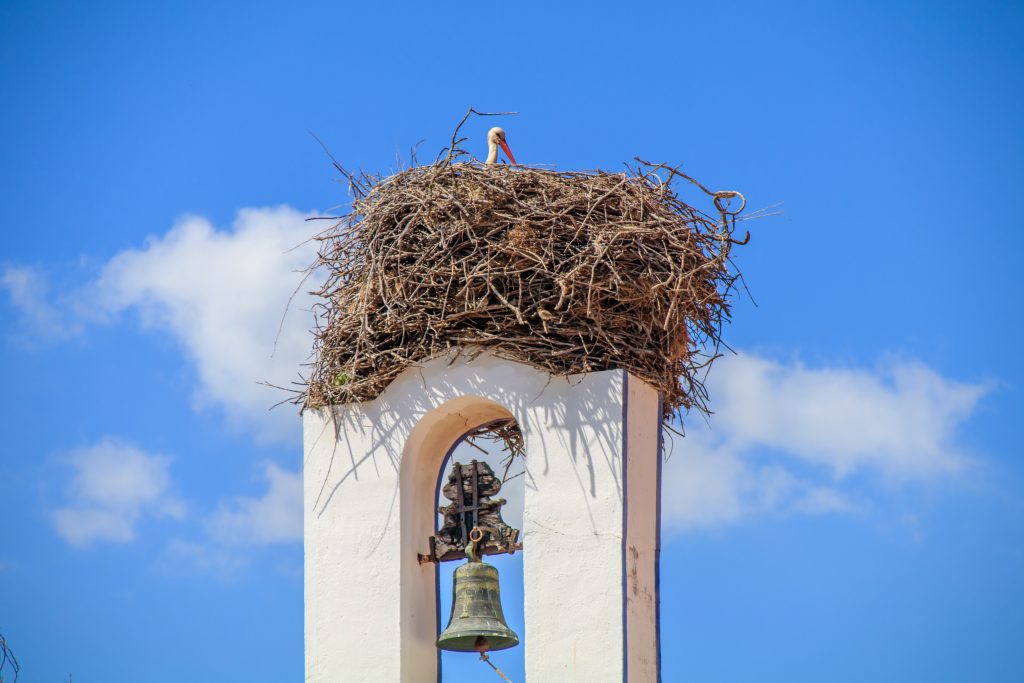
The village remains determinedly unglamorous: whitewashed houses with blue trim, a church, a morning market where fishermen sell the previous night’s catch. What Louboutin recognized was authenticity, a place where things are still made by hand, where the rhythm follows tides and harvests rather than fashion weeks.
Restaurant Xtian serves food on Portuguese ceramics made in workshops that have operated for generations. The wines come from Alentejo vineyards where clay soil and temperature swings create wines nobody exports because locals drink them all first. The light that floods the dining room at sunset is the same light that convinced a designer his signature red needed softening, needed earth mixed with lacquer.
This isn’t where Louboutin vacations. It’s where he works, where winter collections take shape because the landscape demands a different kind of attention.
What We Can Arrange at Journeys of a Lifetime: Private access to Vermelho during off-season. Meetings with local artisans who create the hotel’s ceramics and textiles. A day with Alentejo winemakers at nearby Herdade do Esporão, tasting wines made the Roman way in clay amphorae. Time with the fishermen at the morning market who supply Restaurant Xtian. And that drive to the lagoon—just you, the wind, and a landscape that photography can’t quite capture.
Giorgio Armani’s Pantelleria, Italy: Where Restraint Becomes Luxury
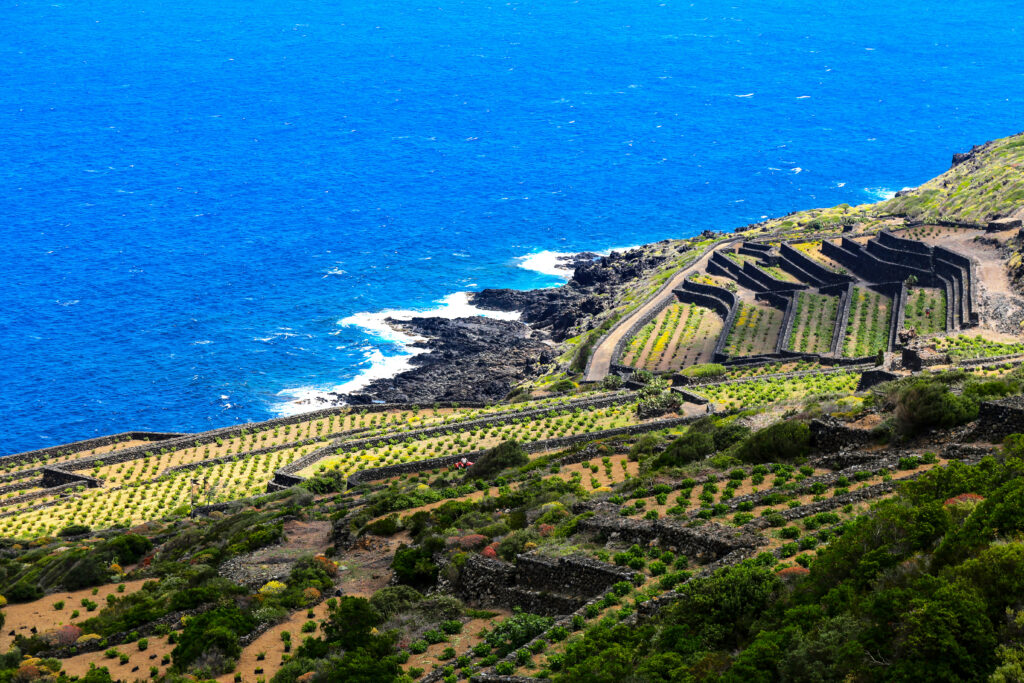
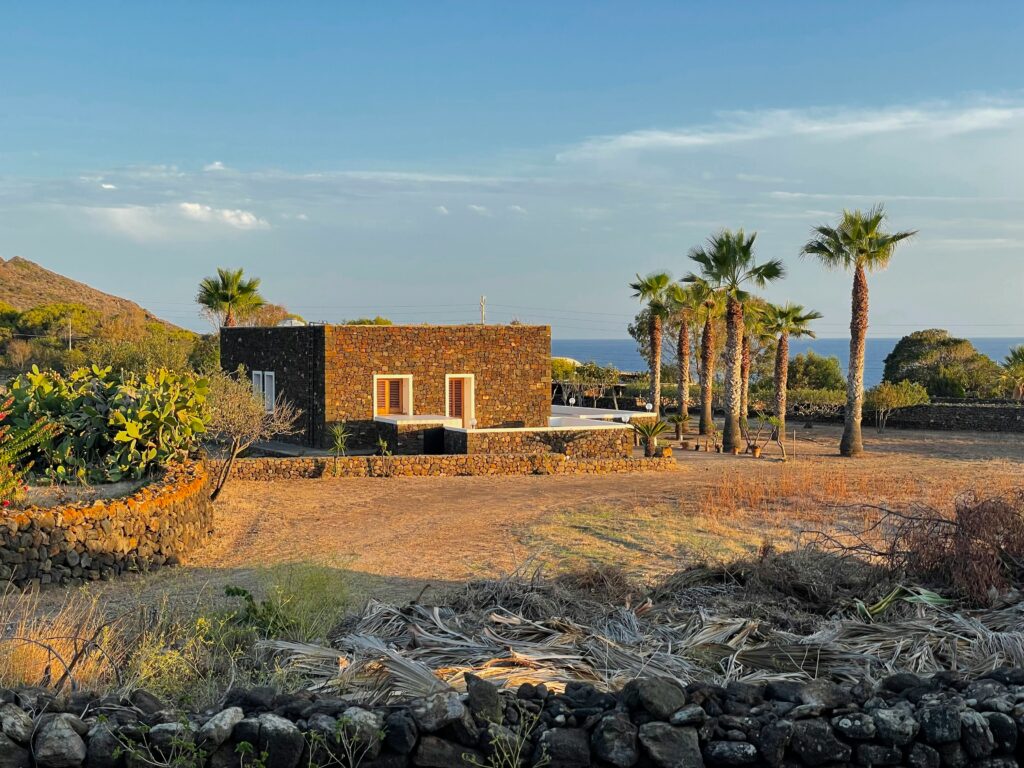
Between Sicily and Tunisia, closer to Africa than to Rome, Pantelleria rises from the Mediterranean like volcanic rock punched through water. The wind here (persistent, salt-laden, unforgiving) has shaped everything: the dammusi houses hunched against it with thick walls and domed roofs, the vines trained low to the ground, the local temperament.
Giorgio Armani bought property here in 1981, seven dammusi at Cala Gadir on the northeast coast. The island taught him a visual language he’d spend decades refining. Reduction as design principle. Luxury meaning less, not more. Power in what you leave out.
In 1996, Armani created Acqua di Giò (his most successful fragrance, one bottle sold every five seconds worldwide) directly from Pantelleria’s sensory assault. The scent captures the brackish intensity where land meets sea, the mineral bite of volcanic rock heated by sun, the unexpected softness of wind-bent juniper. Not “Mediterranean-inspired.” Built from this specific collision of elements.
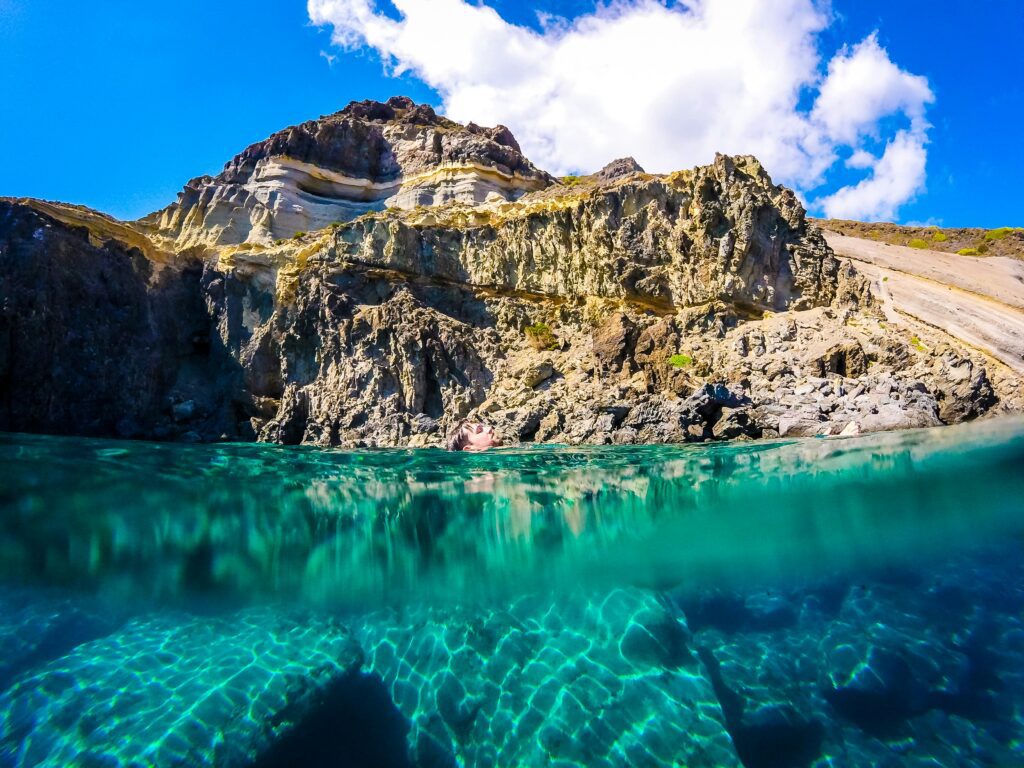
The landscape refuses decoration. Black lava cliffs drop into water so clear you can see twenty meters down. Caper bushes flower from stone. Zibibbo grapes grow in shallow volcanic soil that should support nothing, their vines twisted by wind into sculptures of endurance.
The dammusi themselves are architecture as pure function: cubic stone structures with meter-thick walls that keep interiors cool in summer, warm in winter. Domed roofs capture what little rain falls and funnel it into underground cisterns. No ornament. No excess. Just the texture of restraint.
Pantelleria isn’t trying to seduce anyone. It’s an island where beauty is a byproduct of survival. For Armani, this was the blueprint: an entire design philosophy carved into volcanic stone, refined by centuries of wind.
What We Can Arrange at Journeys of a Lifetime: Stays in restored dammusi that follow the island’s ancient building traditions. Private boat access to sea caves and coves unreachable by land. Time with local caper farmers during harvest season (May-June), learning techniques unchanged for centuries. Visits to family-run Italian vineyards where the muscatel grapes grow in volcanic soil. Hiking the coastal paths from Cala Gadir to Punta dell’Arco with a guide who knows where wild herbs grow and where hot springs bubble up between rocks.
Jacquemus’s Provence: Where Geometry Meets Mediterranean Light
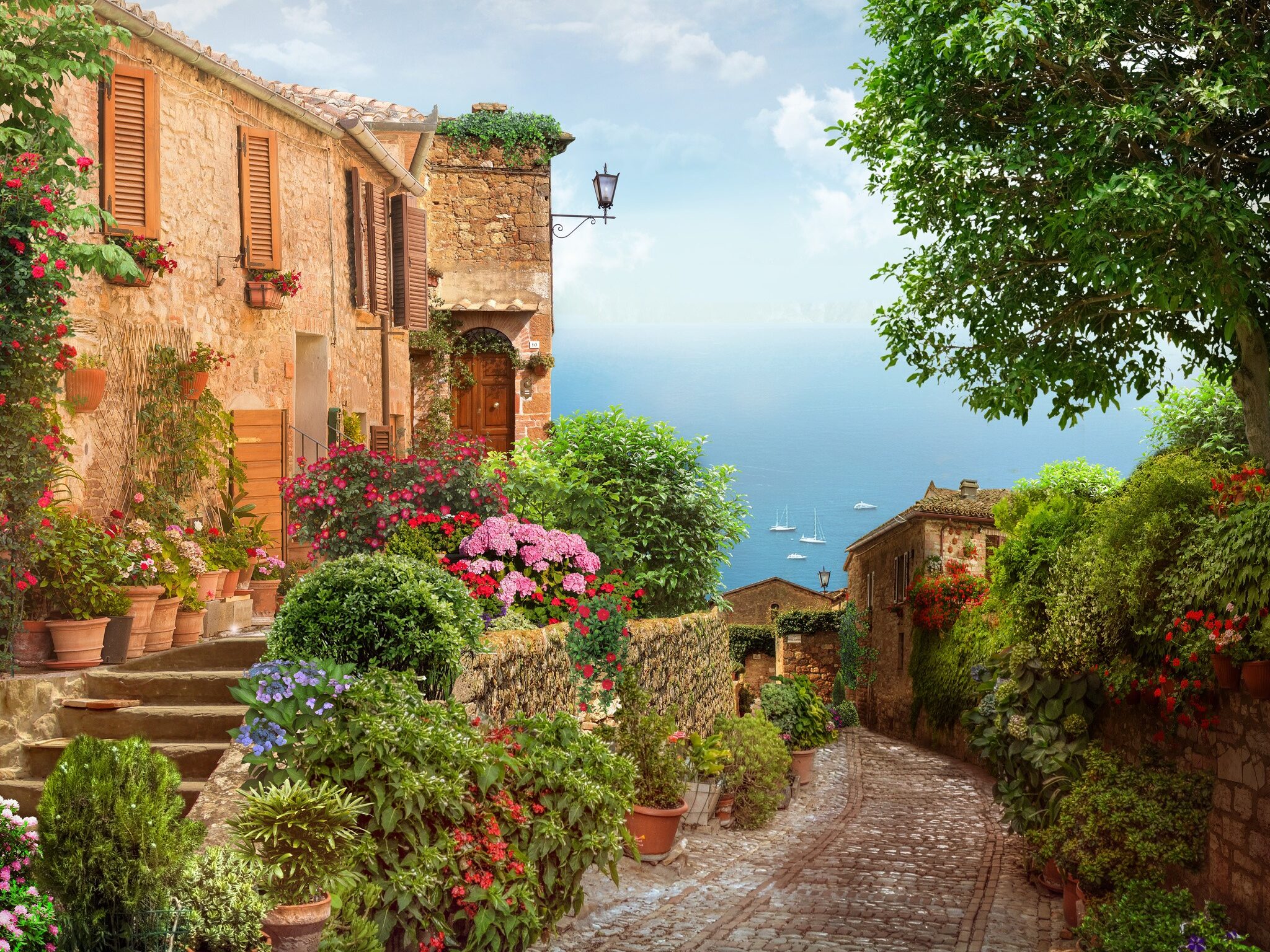
On the Côte d’Azur, where the coastline fractures into the Îles d’Hyères (Porquerolles, Port-Cros, Île du Levant), Simon Porte Jacquemus found what his Provence childhood had promised: a place where geometry and nature collaborate rather than compete.
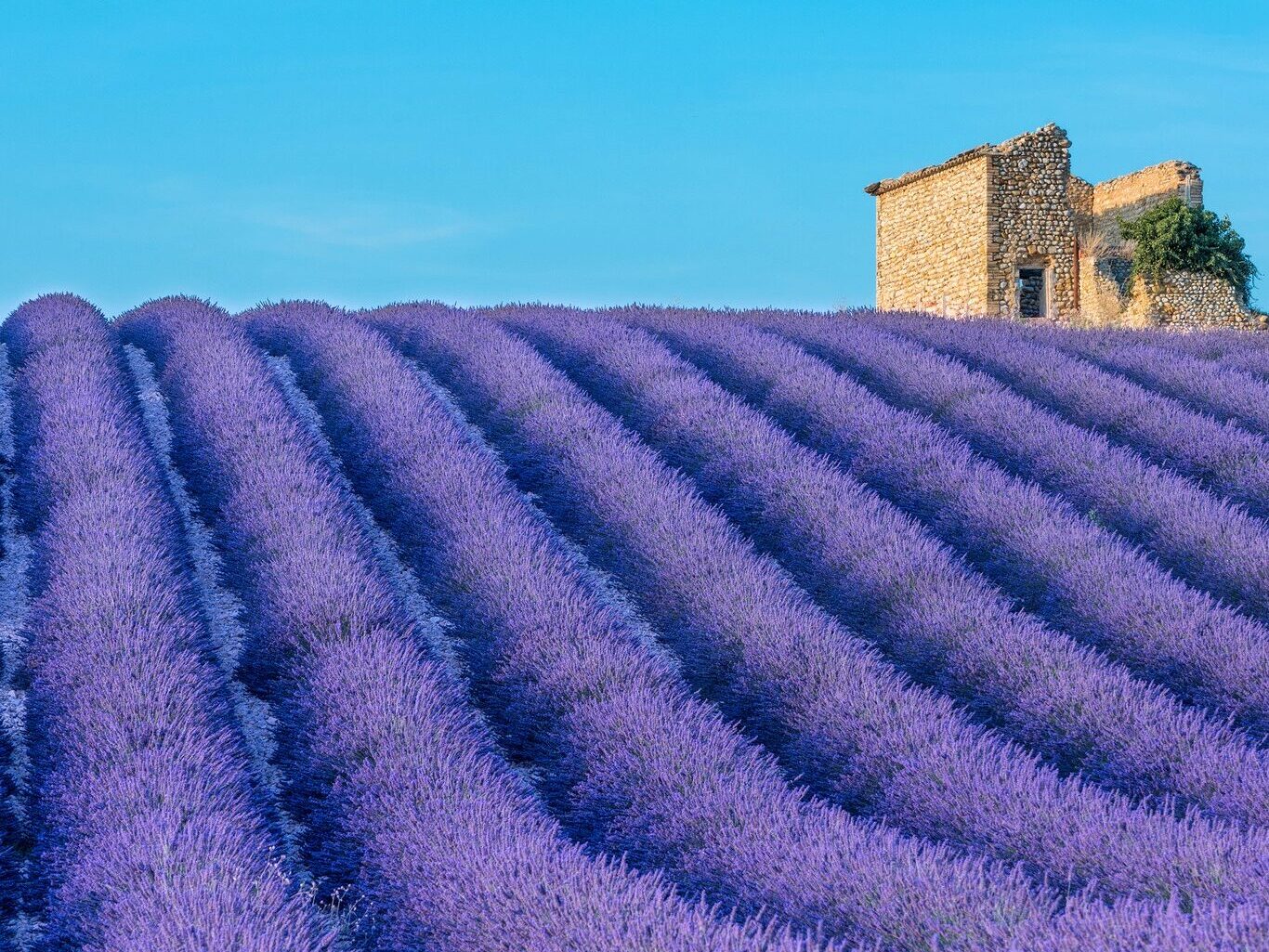
Born in Salon-de-Provence, raised in nearby Mallemort, Jacquemus made his most famous statement in June 2019. The tenth anniversary “Le Coup de Soleil” show placed a 500-meter pink runway through Valensole’s lavender fields. Instagram called it the most beautiful runway ever. Jacquemus was deliberate: “I wanted a place that looked like a postcard, almost too much like a postcard. It was important to me to turn that cliché into something artistic.”
The Îles d’Hyères strip that aesthetic to its elements. These islands ban cars, preserve pine forests, protect beaches where sand glows white against turquoise water. The architecture is minimal: fishermen’s houses, a lighthouse, military forts converted to hiking trails. The vegetation is wild Mediterranean maquis (juniper, myrtle, wild rosemary releasing scent when you brush past).
What Jacquemus pulls from this landscape shows up in every collection: the way a simple form becomes dramatic through proportion, how color intensifies against restraint, why a single strong line matters more than complexity. It’s not about referencing Provence. It’s about thinking like it: all that light and geometry, that confidence in less.
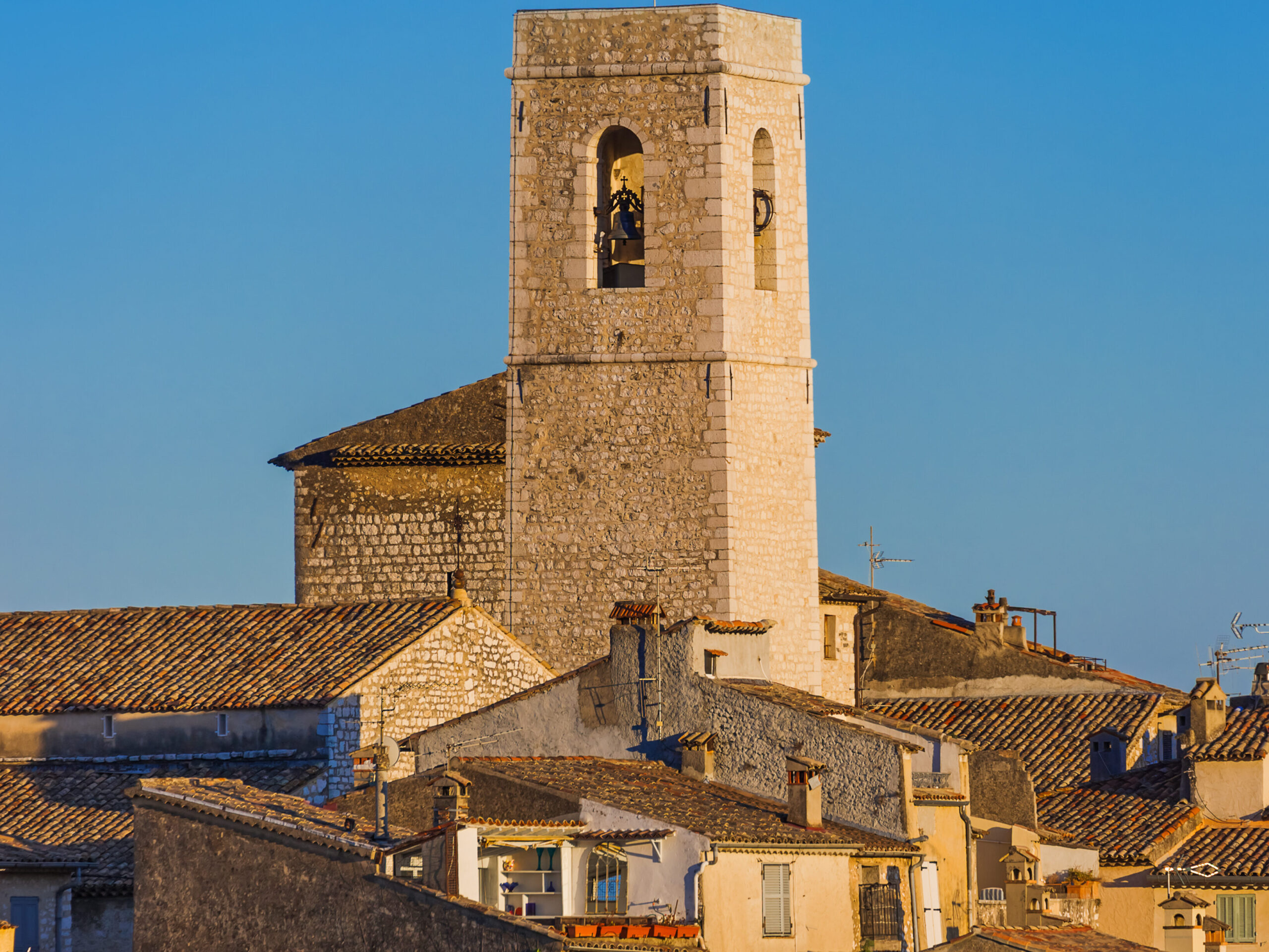
Villa Noailles, perched above Hyères town, connects this terrain to contemporary design. Built in the 1920s by modernist architect Robert Mallet-Stevens (clean lines, cubic forms, rooftop gardens), it now hosts the Festival d’Hyères, the international fashion competition that has launched careers from Margiela onward. Provence meeting avant-garde. The region’s creative DNA renewing itself each year.
What We Can Arrange at Journeys of a Lifetime: Private access to Villa Noailles outside public hours, walking the rooftop gardens and Cubist spaces that influenced a century of design. Sunrise in the Valensole lavender fields during peak bloom (third week of June), before the tour buses arrive. Boat charter to Porquerolles and Port-Cros, with stops at beaches accessible only by water. A day with local perfumers in Grasse who work with the same wild herbs that grow on the islands—juniper, myrtle, rosemary—understanding how landscape becomes scent. Time in Salon-de-Provence and Mallemort, where Jacquemus spent his childhood, seeing the ordinary Provençal light that taught him everything about proportion and color.
Planning Your Fashion-Inspired Journey:
Frequently Asked Questions
When is the best time to visit Melides, Portugal?
How do I get to Pantelleria, Italy?
Where exactly was Jacquemus’s famous lavender runway show?
Can I visit Villa Noailles in Hyères?
What makes these destinations different from typical luxury travel?
Do I need to speak the local language?
From Melides to Pantelleria to Porquerolles, these aren’t places where you follow fashion’s footnotes. They’re where design vocabulary gets written, where fragrance becomes memory, where austerity becomes luxury, where light teaches geometry.
Ready to see where fashion learns to see differently?
Contact Us To Craft Your Journey