
Spring in Europe isn’t a season. It’s a series of brief openings, tidal, astronomical, liturgical, biological, that appear for days, sometimes hours, then close for another year. These are the moments that reward the traveler who understands that timing is everything.
We know because we’ve arranged them. Not as fantasies, but as real days for real people. Here are eight. All spring, all fleeting, all worth rearranging your calendar for.
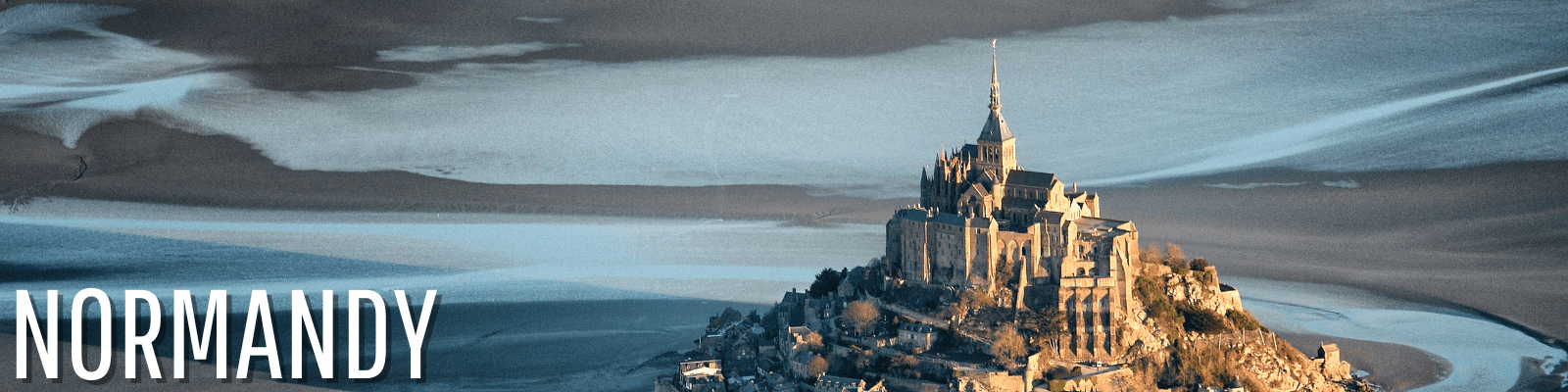
Mont-Saint-Michel Bay Crossing at the Spring Equinox
Around the spring equinox, the tides at Mont-Saint-Michel reach their annual peak. The bay empties further than at any other time of year, fifteen kilometers of wet sand exposed to open sky, and the Mount reverts to what it was for a thousand years: an island cut off from the mainland. The water returns, as the old saying goes, faster than a galloping horse.
There’s a window of roughly four hours.
Most people who cross the bay go with a safety guide. Ours is also a naturalist who has spent thirty years out here, and that changes what you see.
He walks ahead, tests the surface with a staff, routes you around the quicksand patches he reads like a language. But he also stops. Points to a godwit working the mud nearby and tells you it flew in from West Africa four days ago and will be in Iceland by May. The bay looks different after that. What seemed like empty sand is a corridor where the whole Atlantic flyway passes through on its way north, and the birds are everywhere once you start seeing them.
Five kilometers across, barefoot, the abbey floating ahead in the early light. Halfway out, the landscape looks more like Iceland than Normandy: just sky, wet sand, and that medieval silhouette growing slowly larger.
You reach the Mount. You climb to the abbey. From the ramparts, you watch the tide come in. The channels fill first, cutting the bay into islands, then the islands shrink and vanish. The birds lift off in waves ahead of the advancing water, thousands of wings at once, then resettle on the last exposed patches before those too disappear. Within an hour the entire bay is underwater and you’re on an island in the middle of the sea, exactly as the monks intended eight centuries ago.
This crossing belongs to a longer stay on a coast that doesn’t perform. The food comes from the water, the light is never quite what you expect, and after a few days you start to understand the scale of what you walked across.
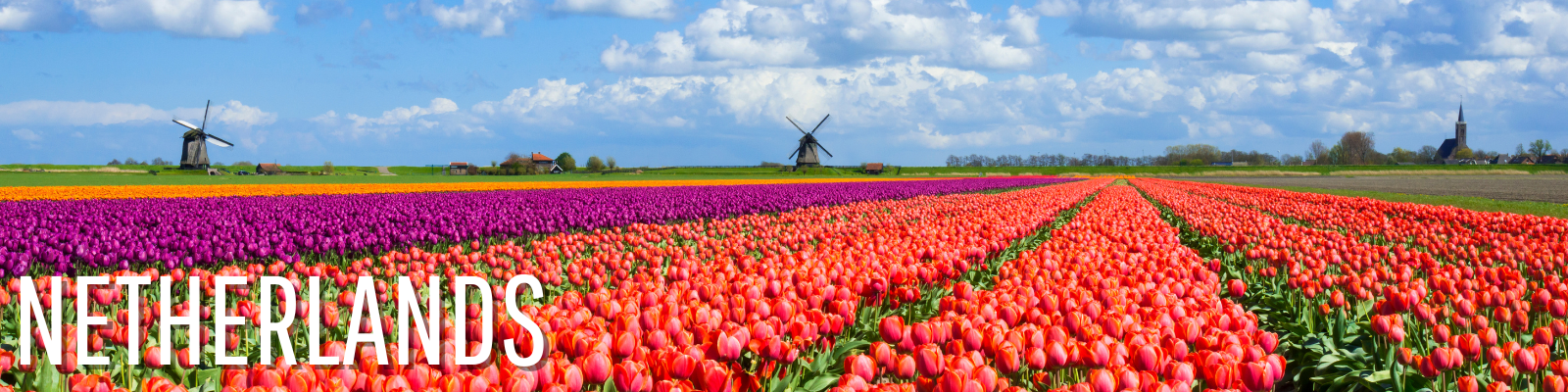
Aalsmeer Flower Auction at Dawn, Then Tulip Fields by Hot Air Balloon
Before sunrise, in a building the size of 120 football fields outside Amsterdam, the world’s flower trade opens. Twelve million stems will change hands before most people have had coffee. Buyers watch a giant clock count down, not up, as carts of roses, tulips, and peonies roll past. Hit the button, the clock stops, the lot is yours. By mid-morning, the flowers you watched being sold are on planes to Tokyo and New York.
We got our clients onto the warehouse floors with a third-generation flower trader who grew up in this building. He explained what he looks for in a stem the way a jeweler talks about stones, the grading, the timing, why one lot of peonies goes for three times the price of another. You start to see the artistry inside the machine.
Then, outside. Tulip fields at peak bloom, a hot-air balloon lifting off at dawn. The rows of color below you stretch to the horizon, and from a thousand feet the geometry of the fields looks almost unreal. It’s silent up there. You land in a field, and breakfast is laid out between the rows. Coffee, pastries, champagne, and the smell of damp earth and flowers all around you.
This morning belongs to a spring week in the Netherlands, Amsterdam’s canals before tourists, studios where designers work with their hands, understanding why this nation celebrates flowers.
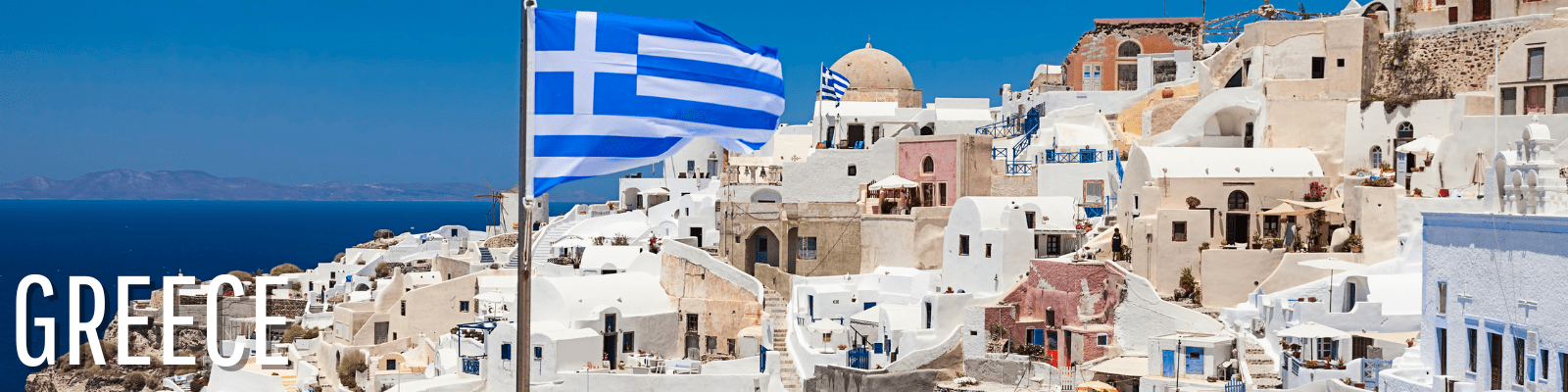
Corfu at Orthodox Easter
Forget pastel eggs and brunch. On Corfu, the biggest night of the Orthodox calendar is closer to a siege.
Midnight, Holy Saturday, inside a 16th-century church packed tight, hundreds of candles creating a single wall of light. The priest announces the Resurrection. Bells erupt. And then the botides start. Families hurl massive clay pots from their balconies, sending them crashing into the streets in an explosion of terracotta. The sound ricochets off Venetian-era buildings like cannon fire. Fireworks scream overhead It’s joyous deafening, and entirely serious. The old shattered to make way for the new.
We arranged for clients to experience this from inside a local family’s home. After the midnight service, you walk through the streets with candles shielded from the wind, then sit down to break the fast: magiritsa, lamb offal soup with dill and lemon, red eggs cracked in ritual competition, and lamb on the spit at dawn. The wine comes from the family’s own olive estate.
What sets Corfu apart from mainland Easter is the layering. Venetian, Greek, and island traditions fused into something unique. The Corfu Philharmonic bands process through the streets on Good Friday. Four centuries of Italian influence give the liturgical music a richness you won’t find elsewhere in Greece. And once you’re at the table, you’re family.
This night belongs to a stay on an island where the past is performed, olive groves, Venetian fortresses, seafood from that morning, kumquat liqueur from family courtyards.
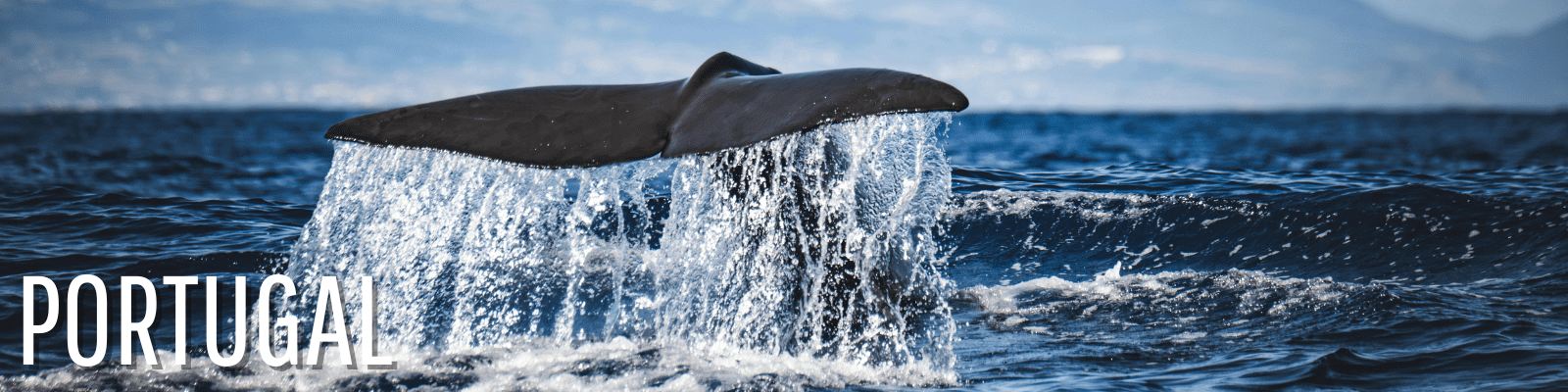
Azores Blue Whale Migration: A Night at Sea
Each spring, blue whales pass through the deep waters around the Azores during their migration. The largest animals that have ever lived, larger than any dinosaur. Alongside them: fin whales, sei whales, and resident sperm whales.
Most whale-watching here is a morning boat trip. We arranged something different.
Our clients departed from Faial in the late afternoon on a research-grade vessel with a marine biologist who catalogues individual cetaceans by their fluke markings. As the sun dropped, she lowered hydrophones into the water. Through headphones, the ocean opened up: clicking sperm whale echolocation, the low songs of fin whales traveling hundreds of kilometers through the water column.
You spend the night on the water. The Azores sit in the mid-Atlantic, far from any light pollution. The Milky Way casts a faint shadow on the deck. At dawn, with light coming up gold over the volcanic silhouette of Pico, a blue whale surfaces. Thirty meters long, the mottled blue-grey back rolling through the water like something geological. You’re close enough to hear it breathe. The biologist identifies it. She knows this individual, has tracked it across seasons.
Coffee and local queijadas on the boat while Pico catches the first sun. Back on land by mid-morning. The whole experience is roughly eighteen hours. It is the most humbling thing we’ve ever arranged.
This night at sea belongs to a longer stay among volcanic islands, coastal paths to lava pools, stews from wood-fired ovens, understanding why these islands were once the edge of the world.
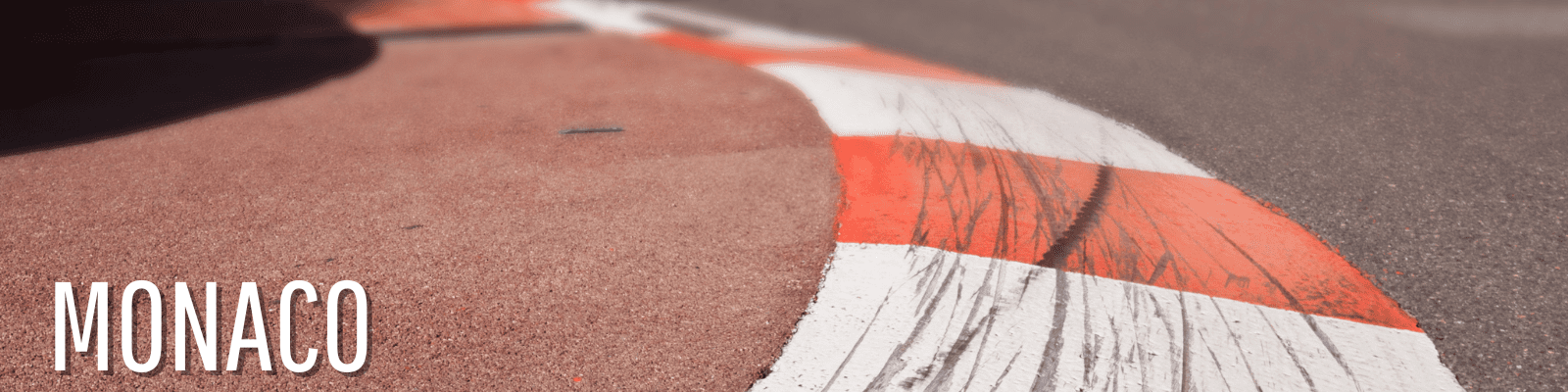
Monaco Grand Prix: What It Feels Like From the Barriers
Most of what’s sold as a “Grand Prix experience” is a corporate hospitality terrace. A screen, a buffet, a gift bag. You could be anywhere. That’s not what we do.
Every spring, the streets of Monte Carlo become a racetrack. No other Formula One race happens on public roads, between apartment buildings, through a tunnel. The barriers are close enough to touch. You don’t watch this race. You feel it in your sternum.
We positioned clients against the barriers at Sainte-Dévote, the tight right-hander where cars brake from 250 km/h into a corner barely wide enough for two abreast. You feel the heat off the brakes. The smell of rubber and fuel hangs in the air between passes. At Rascasse, the slow hairpin, the cars crawl past at walking speed. Close enough to see the drivers’ hands on the wheel, close enough to catch their eyes.
We also arranged time with a former Formula One mechanic who spent years in the paddock. He doesn’t give a tour. He walks you through what he lived. What the telemetry screens actually mean, what mechanics listen for during a pit stop under two seconds, why Monaco is the one circuit where driver skill still outweighs car performance. You hear the stories that never made the broadcast, and suddenly you’re watching the race through different eyes.
Thursday practice is the day to be on the ground. Thinner crowds, better access, the cars running, and you can move between corners feeling how each section creates its own drama. Race day is the spectacle. Thursday is where you learn to see.
This day belongs to a spring weekend on the Riviera, coffee where waiters know their families, cliffs above turquoise water, long dinners in Menton far from the casino.
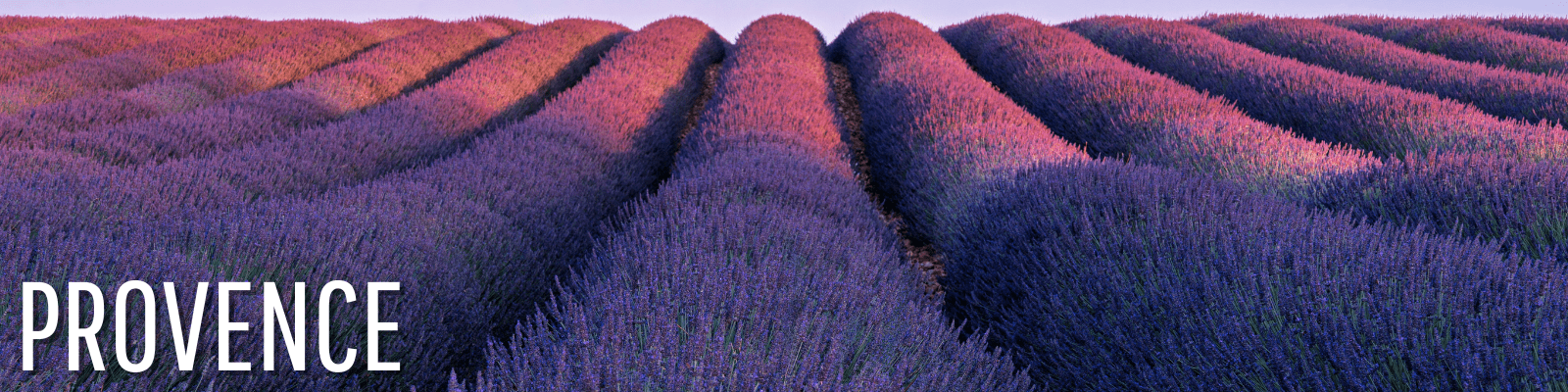
The Luberon in April: Before the Lavender
Everyone comes in July. The photographers who live here will tell you April is the month. No lavender, but cherry blossoms, long golden light from 4 p.m. until after 7, and the villages, Bonnieux, Ménerbes, Lacoste, Saignon, Oppède-le-Vieux, belong to the people who live in them.
We arranged a day with a photographer who has lived in the Luberon for over thirty years. Not a workshop. A day of walking with someone who knows which wall catches the afternoon light at which hour, which alley frames the valley in a way most people walk past. The point isn’t photography lessons. It’s learning to slow down and see.
In the late afternoon, a drive to a private mas outside Bonnieux where vignerons had set a table under a century-old wisteria in full purple bloom. Their wines, rosés that taste of limestone and garrigue, whites with a mineral edge, are made in quantities so small they never leave the valley. You taste them with the people who made them, on the land where the grapes grew, while the sun drops behind the Petit Luberon.
We’ve also arranged visits to producers you won’t find in any guide. One considered the finest in its appellation, another where vineyards are plowed by horse and wines age in a cathedral-like cellar carved into rock. These aren’t tourist-circuit wineries. They’re run by people who chose difficulty over efficiency because they believe it makes better wine.
This day belongs to a week in Provence before the crowds, markets at dawn, pastis on village squares, the landscapes that taught Cézanne to see.
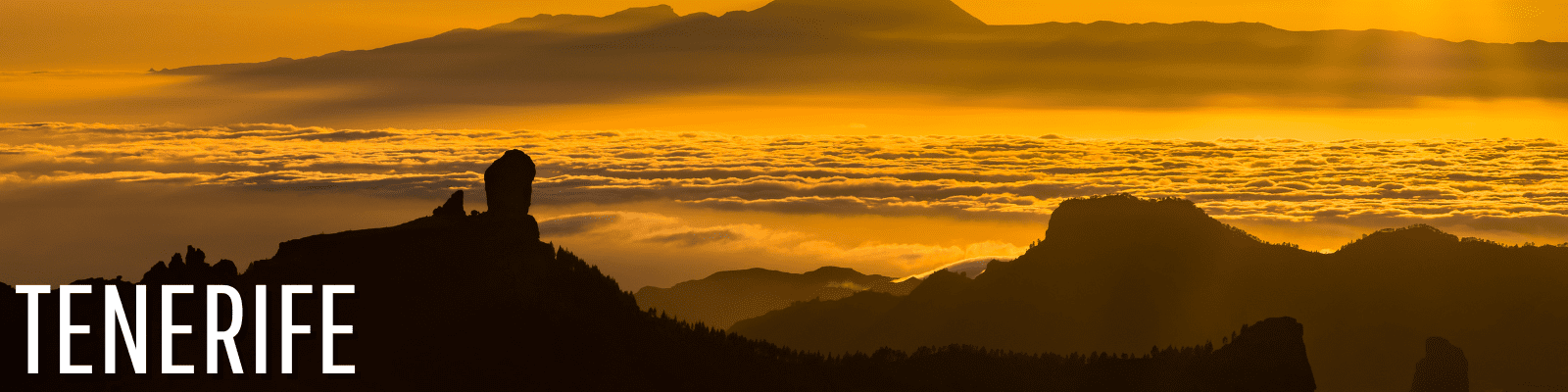
Tenerife: Mount Teide in Spring and a Night at the Observatory
Most people think of Tenerife as a beach destination. Drive an hour uphill and you’re in a volcanic caldera at 2,100 meters, looking up at Mount Teide, Spain’s highest peak, snow-capped in spring, in one of the three best locations on Earth for astronomical observation.
The Teide Observatory sits above the cloud layer. The air is dry, stable, and essentially free of light pollution. On a clear night, you can see the Andromeda galaxy with your naked eye. Through the observatory’s telescopes, guided by an astrophysicist who works at the facility, it becomes two trillion stars at 2.5 million light-years.
We arranged a stay at the Parador de las Cañadas del Teide, the only hotel inside the national park. After dinner, you step outside into air so cold it crackles. The Milky Way is a visible arch. The astrophysicist walks you through what you’re seeing. Not a lecture, a conversation. Nighttime access to the observatory itself requires special arrangement. It’s a working research facility, not a tourist attraction. We work with the institute to secure visits when specific telescopes are available.
The next morning, a drive down to a guachinche, an informal, semi-legal family restaurant unique to Tenerife, where local winemakers serve their own wines alongside home-cooked food in garages and courtyards. The wine is young, from indigenous grapes like Listán Negro and Malvasía grown in volcanic soil. We’ve arranged visits to family-run wineries preserving grape varieties that exist nowhere else on Earth.
This night belongs to a stay on an island of absurd contrasts, breakfast in banana plantations, lunch in pine forests, dinner above the clouds. Africa by latitude, Europe by politics, entirely itself by character.
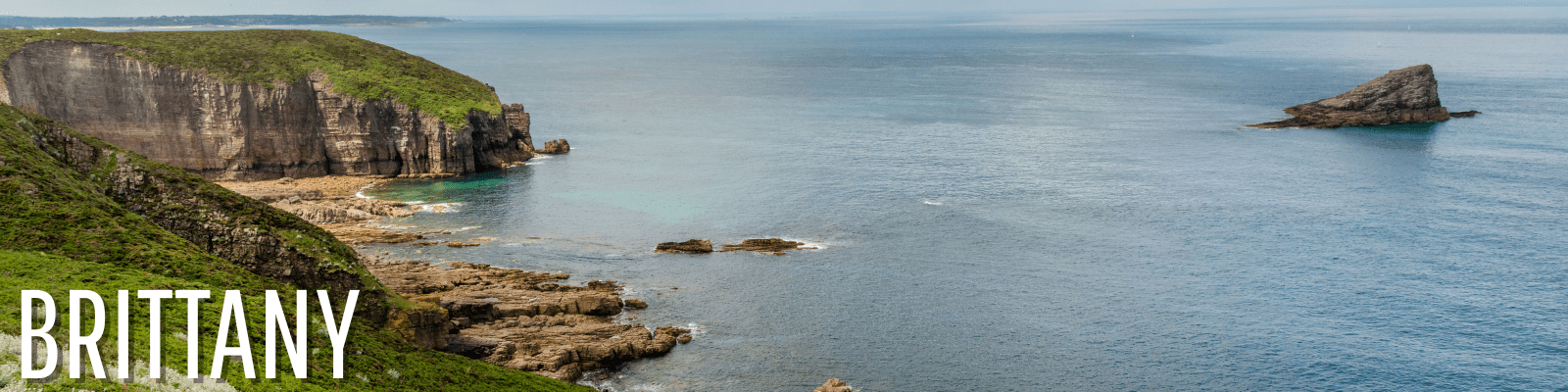
Cap Fréhel in Spring: Brittany’s Seabird Cliffs at Nesting Season
Most of the year, Cap Fréhel is a windswept headland at the edge of Brittany. Beautiful, dramatic, quiet. But in spring, the cliffs come violently alive. Thousands of seabirds return to breed on the rock face, razorbills, fulmars, guillemots, and the place transforms into one of the largest nesting colonies on the French Atlantic coast. The noise is extraordinary. The air is thick with birds diving, circling, fighting for ledges. You’re watching life begin at seventy meters above the sea, and there’s an energy to it that’s completely different from the empty, windswept postcard.
We brought clients here with an ornithologist who has studied these colonies for over fifteen years. Tracking population shifts, mapping nesting sites, identifying individual birds by markings most people wouldn’t notice. She set up a scope on the cliff edge and walked our clients through what was happening on the rock face: which species nest where and why, how the parents coordinate feeding runs, what the chicks’ first flight looks like when they launch off the ledge into open air. It wasn’t a nature walk. It was watching someone read a cliff the way a conductor reads a score.
From there, a walk along the coast to a medieval fortress. Drawbridge, ramparts, the whole thing, with no one else around. Then lunch in a fishing village: whatever came off the boats that morning, bread from down the road, cider from the farm next door. No one performing hospitality. Just how people eat here.
This day belongs to a week in a region that doesn’t try to charm you, granite and gorse, ancient stones in older fields, simply eating what came off the boats. Most call it the day they didn’t expect to remember, and the one they talk about most.
None of these experiences exist on a menu. They exist because we’ve spent years building relationships with the guides, biologists, photographers, winemakers, and families who make them possible.
Spring’s gifts are brief. The tides turn. The flowers drop. The whales move on. If any of these speak to you, reach out. We’ll tell you honestly what’s possible, when, and what it takes to be there at the right time.